



What exactly were people cooking up when they weren’t encasing vegetables in gelatine? We’re not quite sure, but we do know what was in their food cupboard. From ‘healthier’ sweeteners and pre-packaged noodles to Sunday beef and cheese on crackers, foods in the ’70s could be now deemed harmful, with some ingredients now more tightly regulated.
We’ve got all the questionable and downright dangerous ingredients ’70s kids were eating in between blasting the radio and unboxing toys now worth a fortune.
 © Getty Images
Some instant noodles were treated with the chemical to ensure a long shelf life
Formaldehyde preservatives
Resin, pulp and… noodles? Formaldehyde has plenty of uses today, but its days in food preservation are long gone.
Some instant noodles were treated with trace amounts of formaldehyde which, we now know, posed serious health risks. It wasn’t long before formaldehyde was strictly prohibited worldwide.
 © Archive Photos via Getty Images
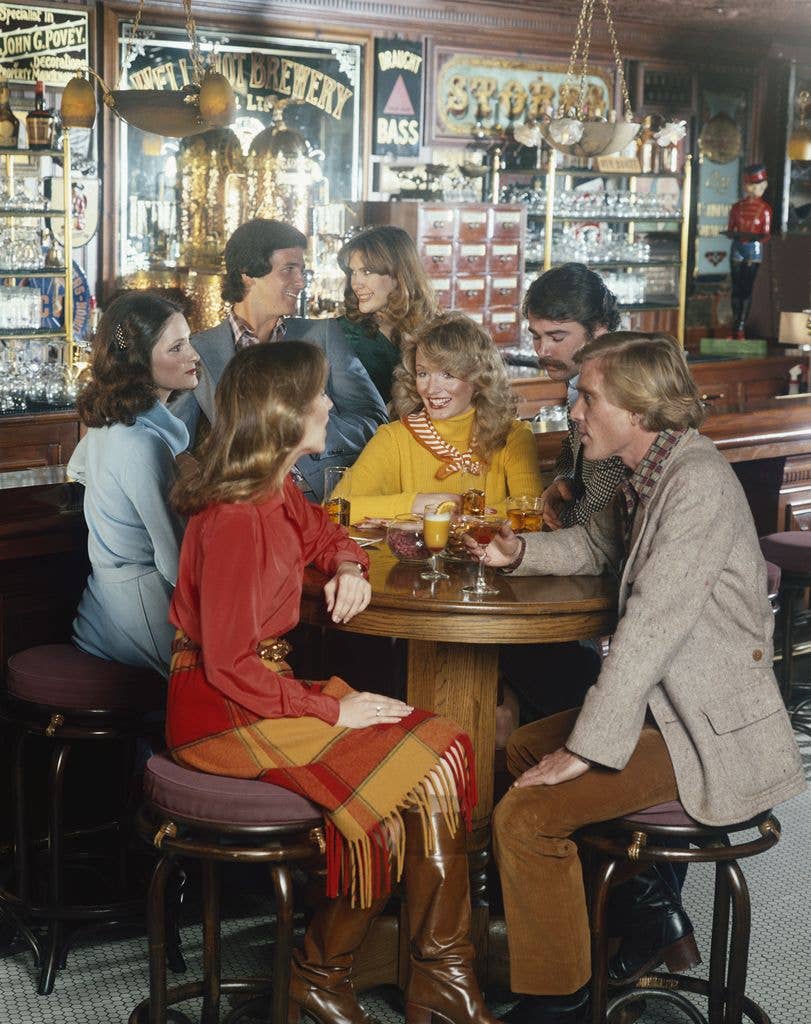
A cheeky pint at the pub wasn’t worth the trouble in the ’70s
Asbestos-filtered alcohol
Asbestos had a multitude of uses before we knew of its harmful effects, from snow in The Wizard of Oz to attic insulation.
But in the ’70s, asbestos was used as a filter aid in breweries to remove impurities and clarify beer. By 1979, some producers were still using the substance in their production, which was phased out in the 1980s.
 © Archive Photos via Getty Images
Beef on the bone was the beloved star of many 1970s dinners
Beef on the bone
There’s a cartoon-worthy domesticity about carving your Sunday roast straight off the bone. But during the mad cow disease outbreak, and this weekend centrepiece disappeared for a while as the government stepped in to temporarily ban beef on the bone in 1997, before lifting the restrictions in 2000.
 © Corbis via Getty Images
You’re butter off really, the bright sunny yellow came at a cost
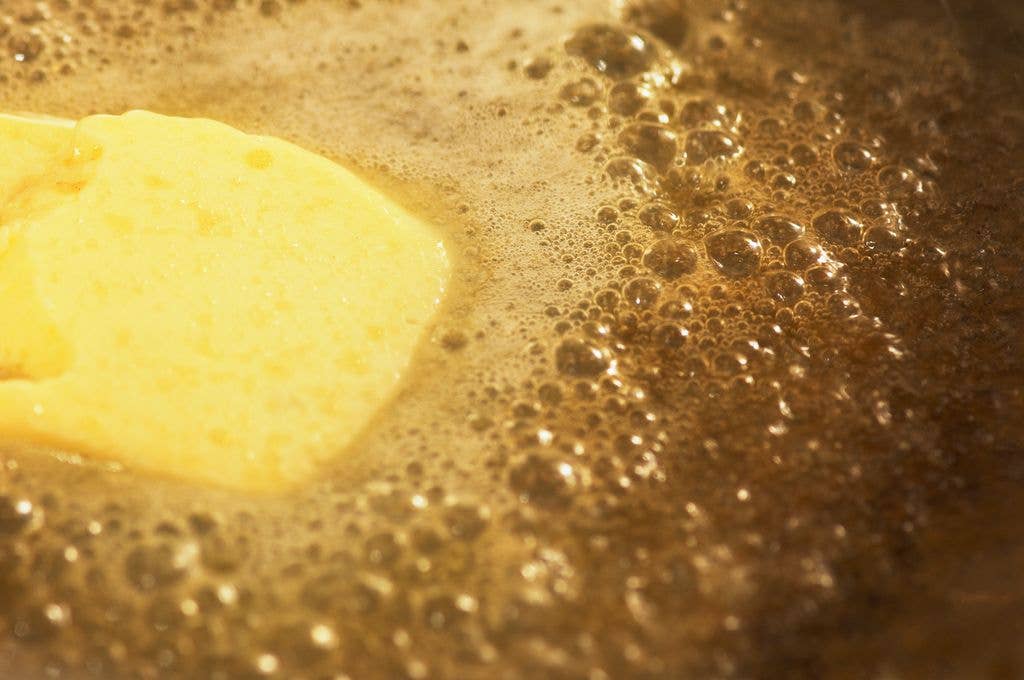
Dyed butter
As the Monty Python crew said: ‘Always look on the bright side of life’. But for 1970s breakfasts, a subdued hue of sunshine yellow would have been the healthier choice.
Coal tar dyes transformed the pale spread during the winter months, but their use was phased out due to health concerns, including toxicity and potential carcinogenicity.
 © Getty Images
Put that can down! The Seventies staple wasn’t as healthy as dieters hoped
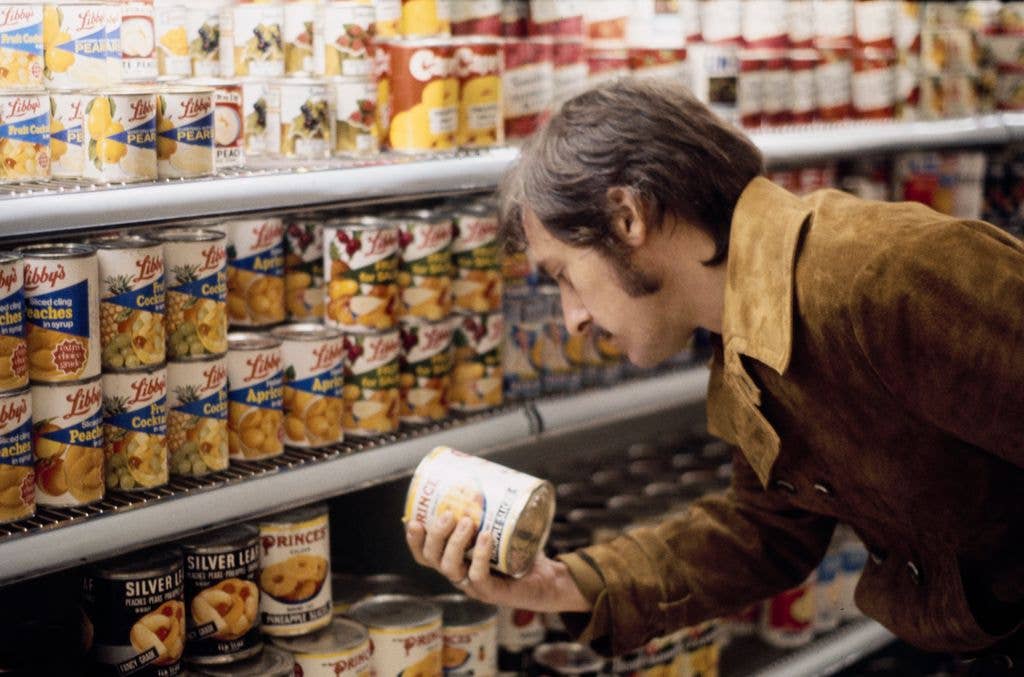
Artificially sweetened canned fruit
Canned fruit and condensed milk? Yes please! While the syrup-sweetened fruit still feels like a treat today, in the 1970s many were packed in artificially sweetened syrups.
For dieters, the additives felt like a great alternative but studies linked overconsumption of some of these additives to health risks, with artificial sweeteners now regulated.
 © Archive Photos via Getty Images
Got milk? Make sure it’s pasteurised to avoid any nasty bacteria
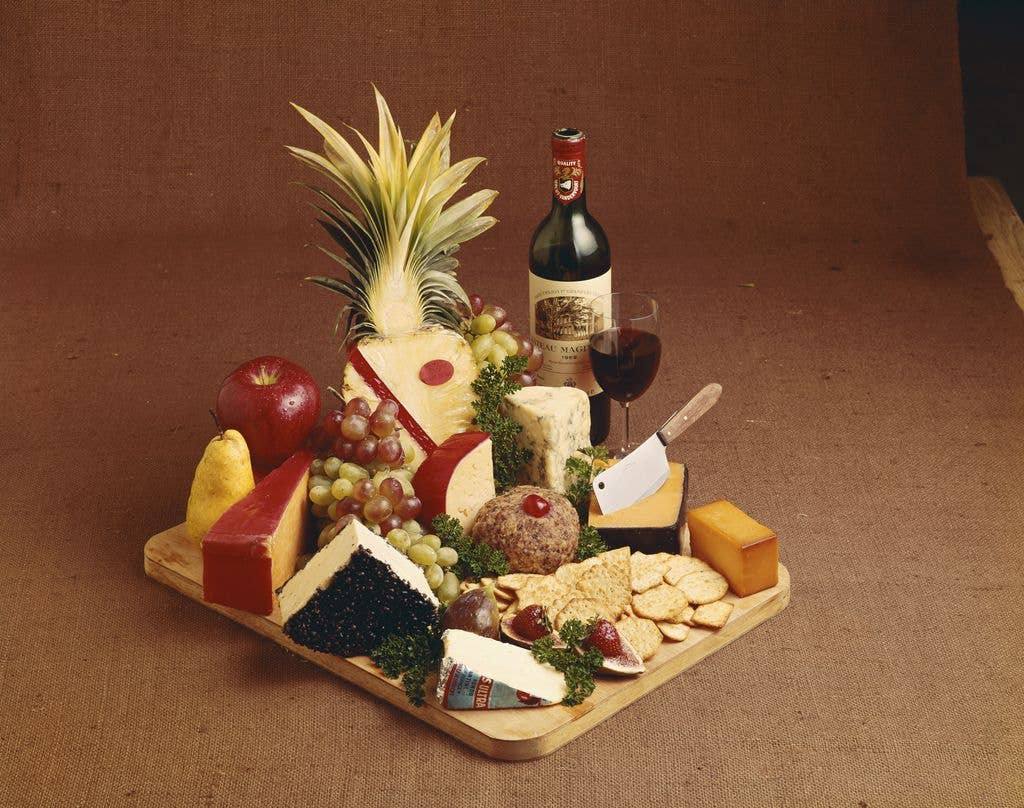
Raw milk cheese
Nowadays, raw milk might bring to mind extreme diets but unpasteurised milk was run of the mill during the ’70s.
Bacteria like E.coli have since put raw milk under tight control, with some artisanal versions still available, but it’ll take much more than a mooch round your local store.
 © Getty Images
No prawn cocktail for me, thanks, I’m watching my algal toxin intake
Unregulated shellfish
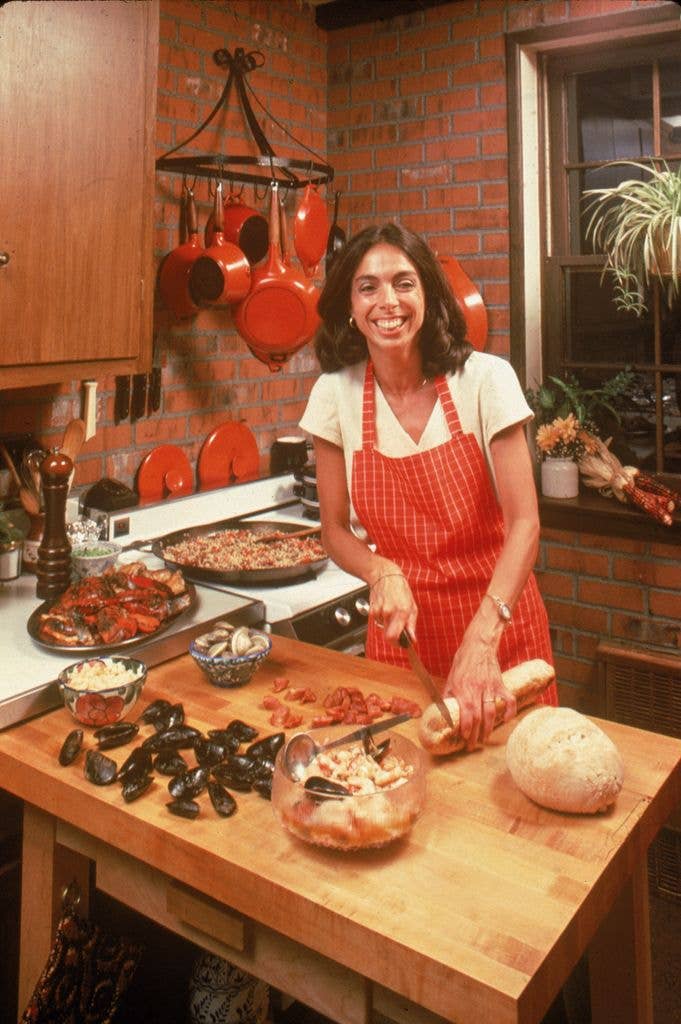
In the 1970s, the handling of shellfish without consistent refrigeration was common and it was readily available. It risked containing algal toxins and harmful bacteria.
Fortunately, prawns and the like are much more carefully tested nowadays. So go ahead and slather a cone in cream cheese for your shellfish celebration.
 © The Image Bank via Getty Images
Brominated vegetable oil could be found in US citrus drinks until 2024
Brominated vegetable oil
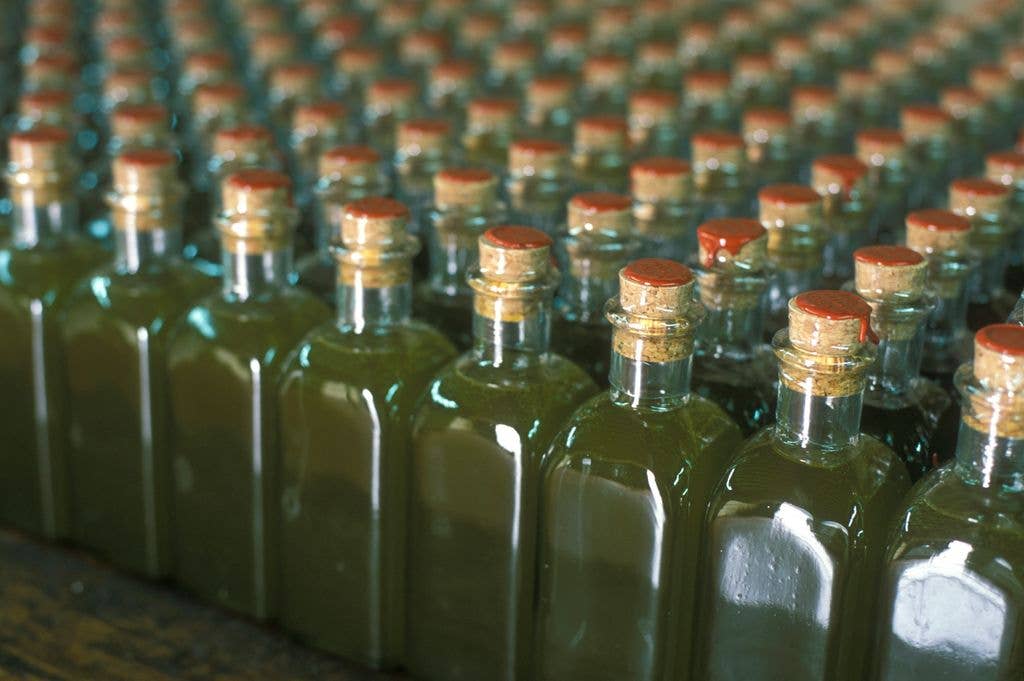
Remember those cloudy fruit drinks from the ’70s? You might not as they contained brominated vegetable oil to stop the fruit flavours separating.
Bromine build up was later discovered and can potentially cause memory loss and skin issues. The US banned BVO in 2024 but the UK bid farewell to the citrus drink additive in 1970.
 © Getty Images
You would have been better off with a Dib Dab over some of the ’70s famous diet drinks
Cyclamate sweeteners
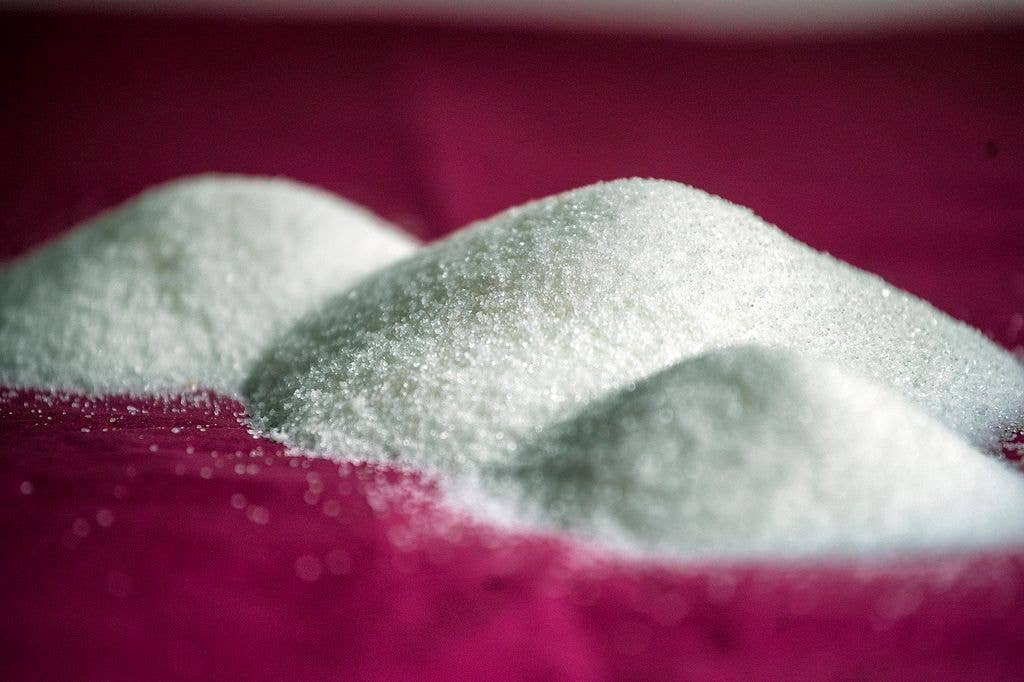
Dieters from the ’70s listen up: that sweet Panda Pop you used to wash away the lingering taste of a halved grapefruit wasn’t as innocent as it seemed.
After testing revealed some potentially serious illnesses linked to Cyclamates, they were banned in the US and UK but were later re-approved for use in the UK, and currently labelled as a food additive (labelled as E 952) within strictly regulated limits.
 © Getty Images
It wasn’t just artificial sweeteners that made tinned goods a risky purchase
High-lead tinned foods
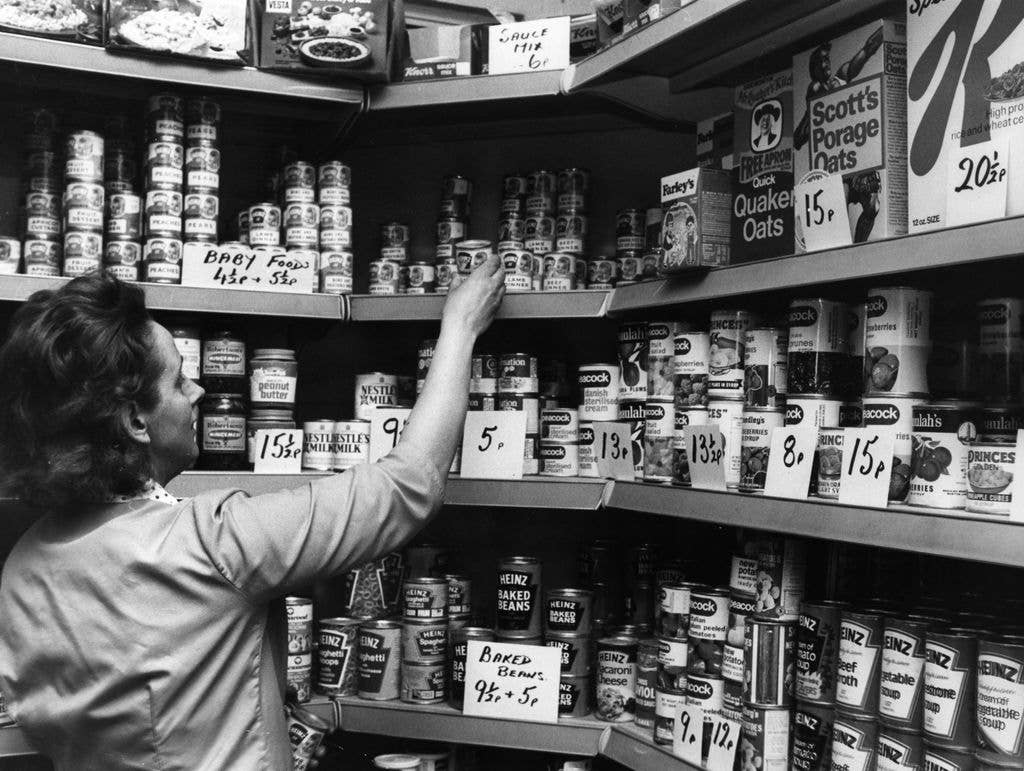
The Space Race got shoppers a little overexcited about preservatives and the following decade ensured there were plenty of tinned goods in stock.
Sadly, the lead solder used to seal the cans meant small amounts would follow into your pineapple upside-down cake. Fortunately, lead solder is banned and you can crack open that tin of beans without a care in the world.
 © Getty Images
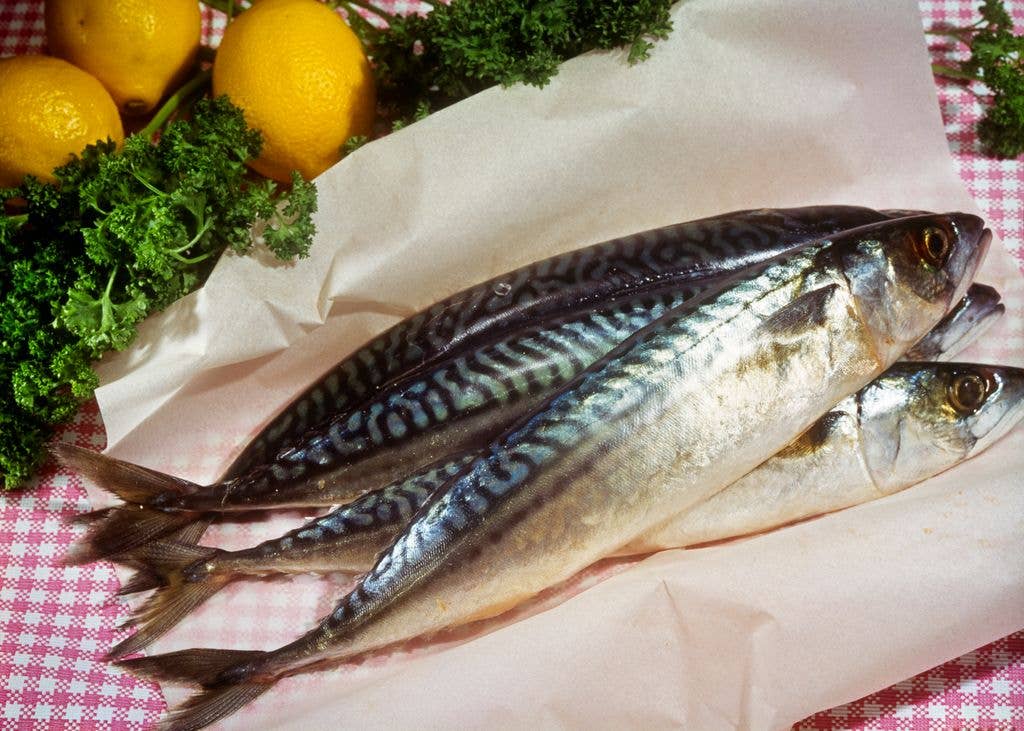
It’s not just shellfish that hid dangerous toxins
Mercury-laden fish
Freddie wasn’t the only Mercury around during the ’70s. When unfolding their soggy newspapers on a Friday night, consumers would likely find shark and marlin nestled in a bed of chips.
These species are now known to build toxic mercury due to their predatory diet. There’s now consumption advice for those who fancy a particular slice of fish, but otherwise maybe go for with a battered sausage.
Read the full article here