

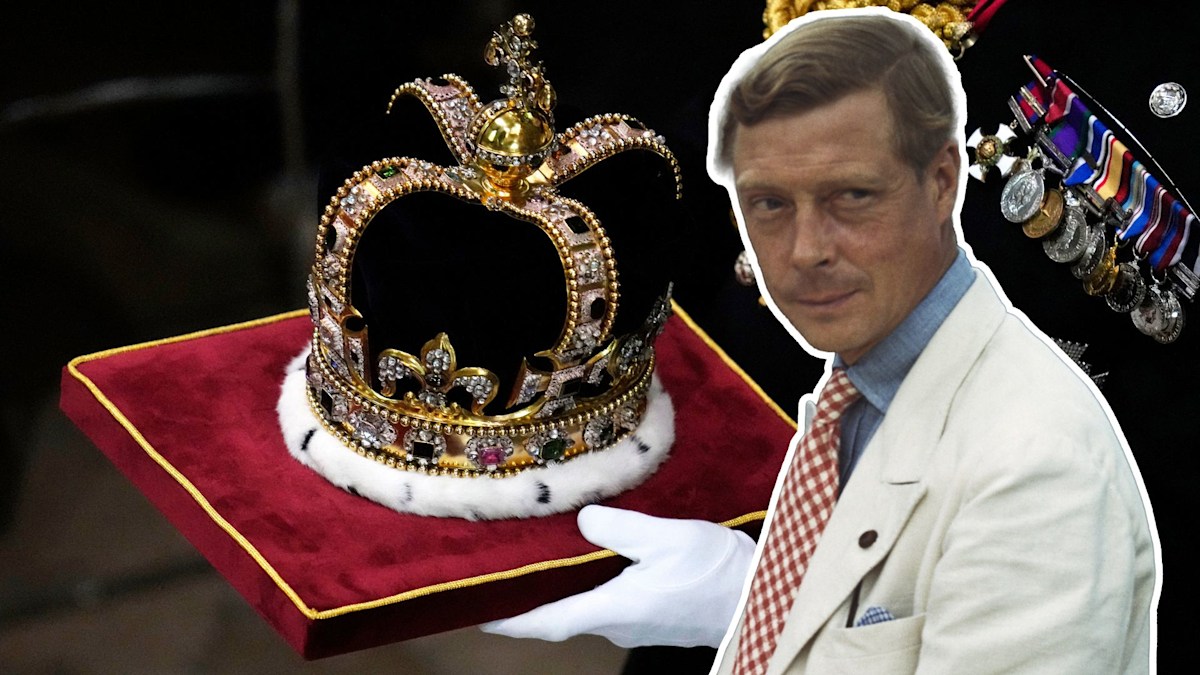

Former Prince Andrew allegedly once “considered abdication”. The revelation came to light in a 2011-dated message, which was among the more than three million Epstein files published by the U.S. Department of Justice on January 30.
While King Charles’ disgraced brother didn’t end up abdicating, he has since been stripped of his titles and honours, and has moved out of his longtime home, Royal Lodge. Just last month, 68 percent of HELLO! readers voted in an online poll to remove Andrew Mountbatten-Windsor from the line of succession, where he is currently eighth in line to the throne. But, as royal author Robert Jobson previously explained in a post on The HELLO! Royal Club, the King cannot remove his brother from the line of succession.
“It needs an Act of Parliament. Not just MPs at Westminster too. Under the Statute of Westminster 1931, all 15 Commonwealth realms – countries where the British monarch still reigns – must agree and vote it through their parliaments,” Robert penned. “That means identical legislation passing through Canada, Australia, New Zealand, Jamaica, and eleven other independent parliaments. It is not unprecedented, but it needs the will of the MPs and the time for it to pass into law.”
“The last time this happened was 2011’s Perth Agreement, which introduced gender-equal succession and abolished male-preference primogeniture,” the author added, noting that even then, it took over three years.
Although Jobson pointed out that there is “no precedent for a royal enforced removal,” Andrew, if he were ever to be removed, wouldn’t be the first member of the British royal to lose their place in the line of succession.
King Edward VIII
Edward VIII, uncle to the late Queen Elizabeth II, abdicated the throne for love. He became King in January 1936 following the death of his father, George V, King Charles’ great-grandfather. After a 325-day reign, Edward renounced the throne.
“You must believe me when I tell you that I have found it impossible to carry the heavy burden of responsibility and to discharge my duties as King as I would wish to do without the help and support of the woman I love,” he said in his abdication speech, referencing American divorcée Wallis Simpson, whom he wanted to marry.
“And I want you to know that the decision I have made has been mine and mine alone. This was a thing I had to judge entirely for myself. The other person most nearly concerned has tried up to the last to persuade me to take a different course. I have made this, the most serious decision of my life, only upon the single thought of what would, in the end, be best for all,” Edward continued.
“This decision has been made less difficult to me by the sure knowledge that my brother, with his long training in the public affairs of this country and with his fine qualities, will be able to take my place forthwith without interruption or injury to the life and progress of the empire. And he has one matchless blessing, enjoyed by so many of you, and not bestowed on me: a happy home with his wife and children.”
Prince Michael of Kent
 © Jonathan Brady – WPA Pool/Getty Images
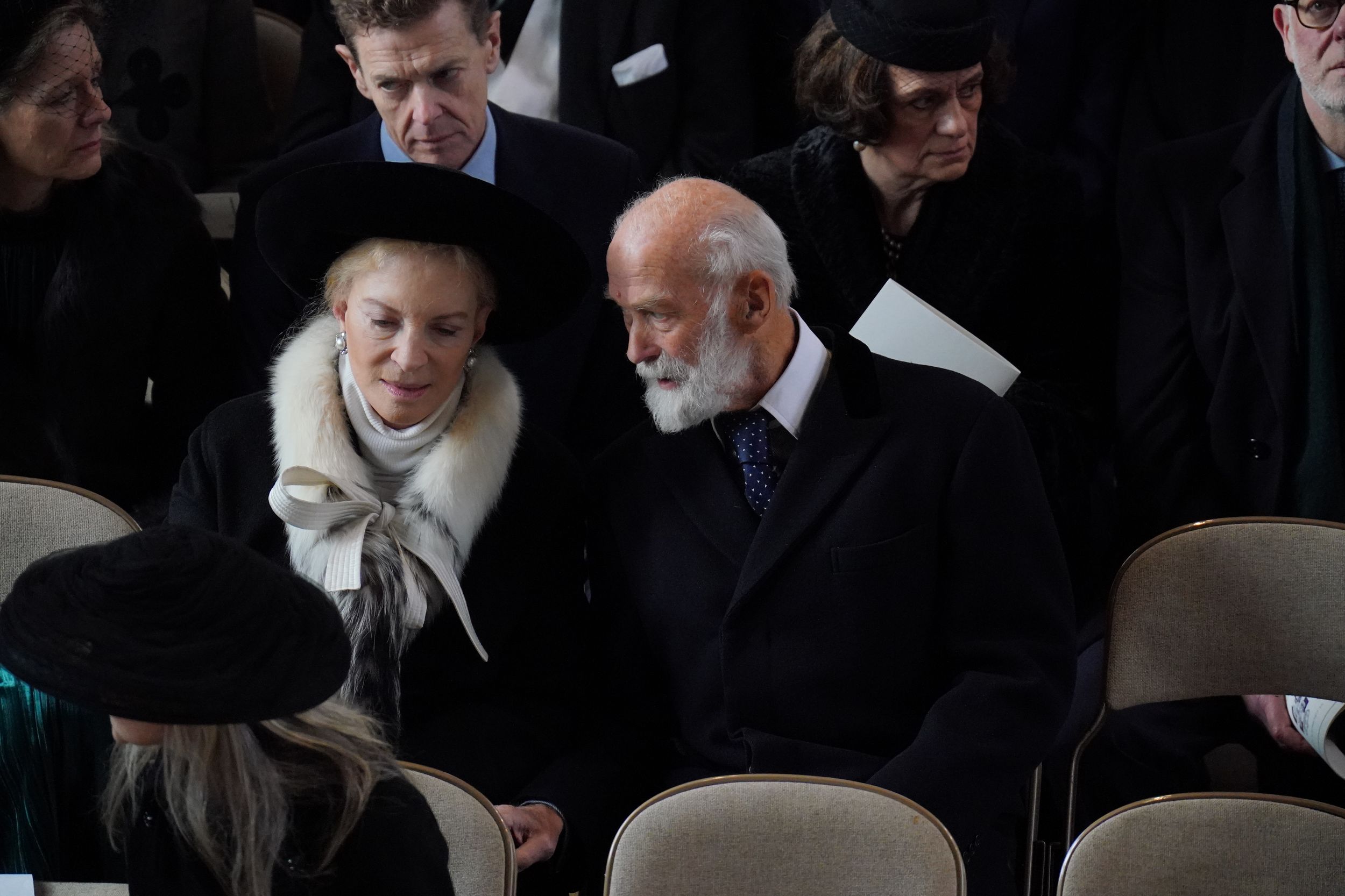
A relationship, or rather marriage, also affected Prince Michael of Kent. Queen Elizabeth’s cousin temporarily lost his place in the line of succession for marrying a Catholic, Baroness Marie-Christine von Reibnitz (Princess Michael of Kent), because of the 1701 Act of Settlement. The act, designed to secure the Protestant succession to the throne, stated that a royal family member could not remain in line if they married or became a Roman Catholic. However, the Succession to the Crown Act (2013) ended the provision that anyone who marries a Roman Catholic is disqualified, and the Prince was reinstated.
In 2005, Princess Michael of Kent spoke with The Guardian about her husband losing his place. “There is a law against discrimination in England,” she said, reportedly smiling. “But there is a different law for the royal family.”
She also remarked: “There was a lot of talk that my husband would be granted those things if I changed my religion. There still is talk along those lines. But it has never come from the top to either of us. It’s courtier talk. I’m not sure if it is true, but, in any case, I would never have changed my religion for the money.”
Lord Nicholas Windsor
 © Max Mumby/Indigo/Getty Images
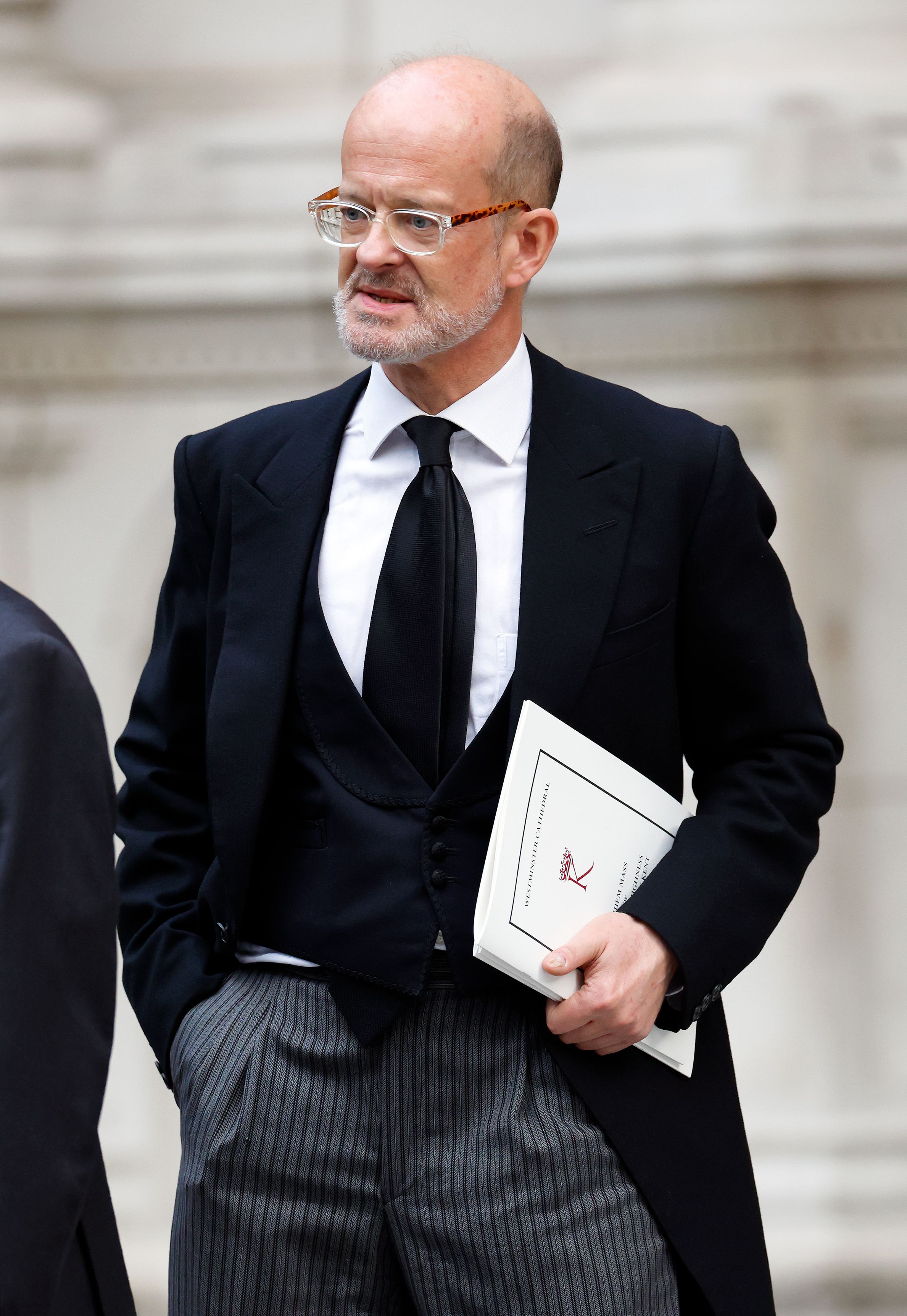
Lord Nicholas Windsor, son of the Duke and Duchess of Kent, forfeited his place in the line of succession when he converted to Roman Catholicism in 2001. His mother had converted years earlier in 1994. Speaking with the National Catholic Register about the reaction in Britain to him entering the Catholic Church, Nicholas said: “I was surprised that there was no overtly negative response. It was overwhelmingly positive, to the extent that I received any acknowledgement.”
“Some said they were glad [that converting to Catholicism] was possible for someone who revered our queen, as I do, and was utterly loyal. [Thus], others could also think it was acceptable, and it wouldn’t make anyone less British or less patriotic,” he added. “The thing to say about English culture now is that what matters [is not so much what Catholics believe, but] what they do. Their interactions in politics can stir people negatively, and that is not welcome.”
Nicholas’ son Albert was the first royal child to be baptized a Catholic since 1688.
Lady Marina Windsor
 © David M. Benett/Dave Benett/Getty Images
Lady Marina Windsor, the Duke of Kent’s granddaughter, was removed from the line of succession in 2008 after she also converted to Catholicism.
Princess Alexandra of Hanover
 © David Nivere/SC Pool – Corbis/Getty Images
While she is the niece of the sovereign prince of Monaco and her father is the head of the House of Hanover, Princess Alexandra was once in line to the British throne. Though in 2018, Point de Vue magazine reported that Grace Kelly‘s granddaughter had been removed after becoming a member of the Catholic Church.
Read the full article here