


Before the era of SPF 50, ceramides and skin barrier obsession, beauty shelves and tanning salons told a very different story when it came to skincare.
From baking under UV lamps to “cure” spots, to ripping pores clean with sticky strips, the skincare wisdom of the 70s, 80s and 90s was well-intentioned, but we now know that it was often doing far more harm than good.
Kimberley Medd, Clinical Manager of Face the Future, who has 25 years of experience in the beauty/cosmetic sector, told HELLO! which retro skincare routines dermatologists are begging us to leave in the past for good.
 © Getty Images
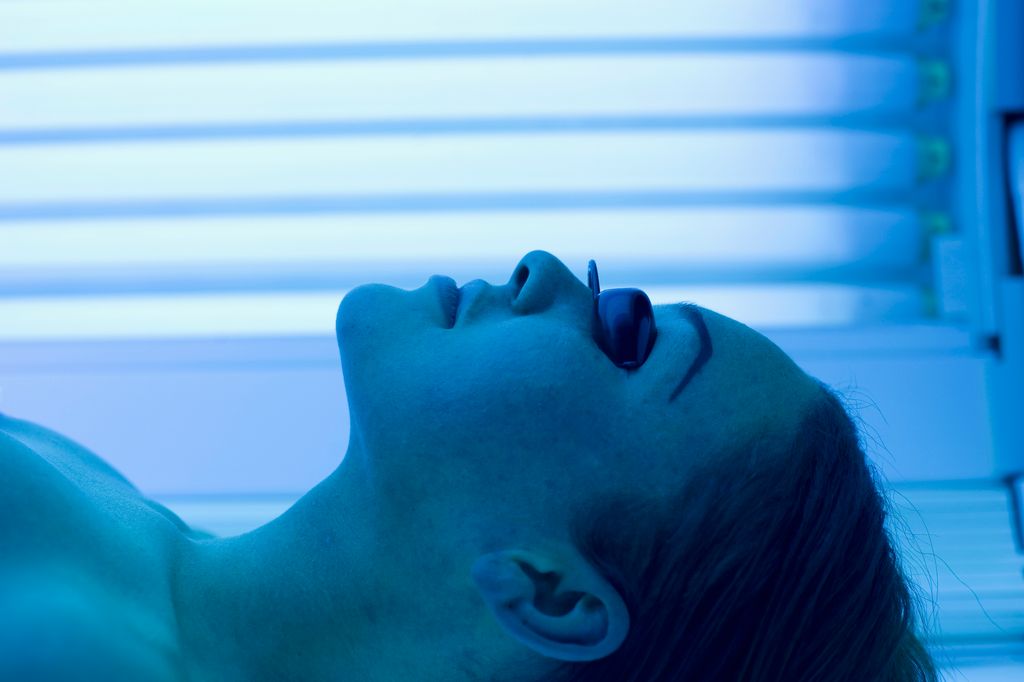
Sun beds were once believed to help with acne
Sun exposure and sun beds
“In the 70s and 80s, sun exposure and later sunbeds were often recommended for acne. Many people believed sunbathing ‘dried out’ pimples, but it only damaged the skin further. Skincare in the 70s and 80s was far less preventative. SPF use was inconsistent, and anti-ageing products were marketed primarily to women over 40.”
The modern alternative:
“Now we understand that there is no such thing as a safe tan, as UV exposure accelerates photoaging, increases pigmentation issues and significantly raises the risk of skin cancer. Broad-spectrum SPF 30 or higher is now non-negotiable, and should be worn daily.”
 © Getty Images
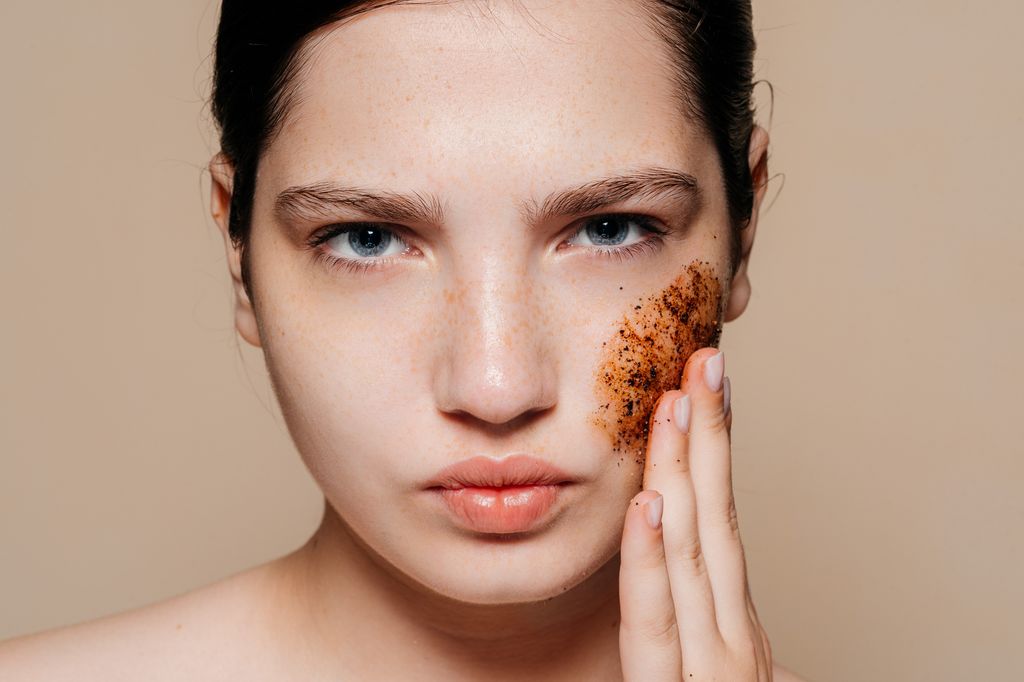
We now have better alternatives to harsh face scrubs
Abrasive face scrubs
“There was a strong association between tingling and efficacy in the 80s and 90s. It was the era of abrasive physical scrubs, often made with crushed walnut shells or large, irregular particles, which created microscopic tears in the skin. Over time, this impairs the skin barrier, triggers sensitivity, exacerbates conditions such as rosacea, and contributes to post-inflammatory hyperpigmentation, particularly in deeper skin tones. It was believed that the more you exfoliated, the clearer your skin would be, but in reality, over-exfoliation often leads to inflammation.”
The modern alternative:
“Now we use chemical exfoliations with AHAs and BHAs, which provide more uniform exfoliation at a cellular level, without causing trauma to the skin. Used correctly and at appropriate strengths, they deliver smoother, brighter skin with far less risk of barrier damage.”
 © Getty Images
Moisturiser was once believed to cause oily skin
Skipping moisturiser
“Oil control was everything in the 80s as matte skin was the goal, meaning toners, alcohol-based astringents and foaming cleansers dominated. Moisturiser was often positioned as something only for dry or mature skin. If you were spot-prone, you were encouraged to skip it entirely. Sebum isn’t the enemy; it’s part of the skin’s natural defence system.
The modern aternative:
Simply put, moisturise, no matter what skin type you have! “Understanding that hydration and oil are not the same thing. Oily skin can still be dehydrated. When you avoid moisturiser, you weaken the barrier further, which can lead to increased inflammation, impaired healing and more persistent breakouts.”
 © Getty Images
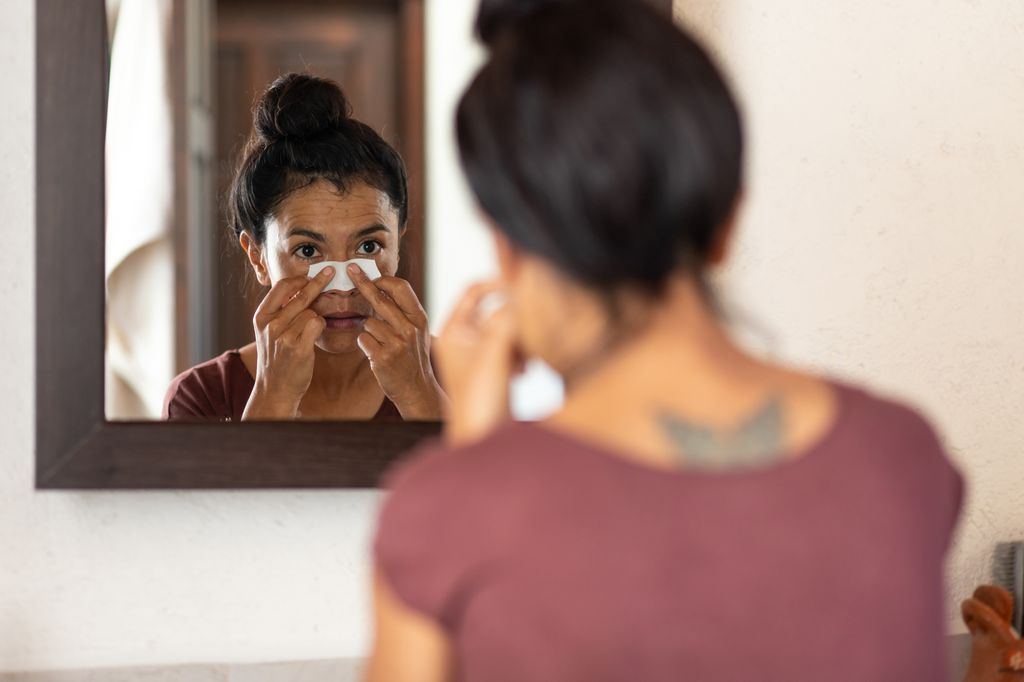
Nose strips don’t resolve follicular blockages
Pore strips
“Pore strips became a cultural phenomenon in the 90s. They physically remove the top of a comedone and some sebaceous filaments, but didn’t address the underlying oil production or follicular blockage.”
The modern alternative:
“Today, salicylic acid remains the gold standard because it’s oil-soluble and can penetrate the pore lining, plus correct use of retinoids can normalise cell turnover and prevent congestion forming in the first place.”
 © Getty Images
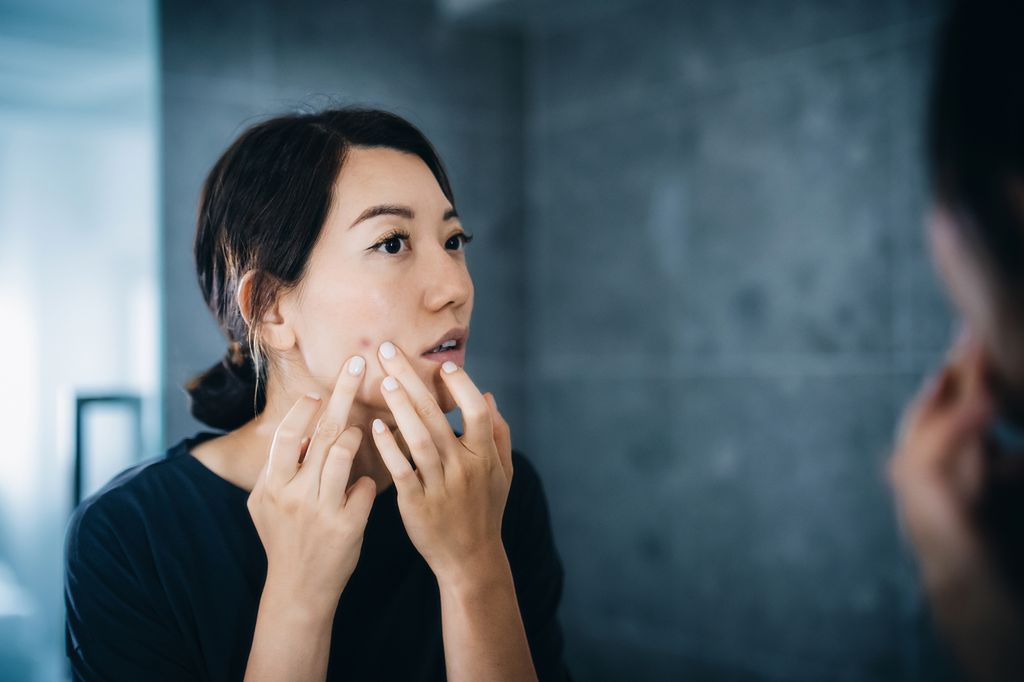
Gentle cleansers are now believed to be a better alternative to harsh acne treatments
Aggressive acne treatments
“The 90s were all about drying out your acne, with a ‘cleanse, tone, strip’ philosophy, often twice daily with quite aggressive formulas. Today, we now know it isn’t simply caused by dirty skin or poor hygiene, but it’s a complex inflammatory condition driven by excess sebum production, abnormal keratinisation within the pore, cutibacterium acnes bacteria and hormonal influences. There’s still a lot of misperception even today, as in our Acne At Every Age survey, we found, almost half of women in the UK (40 per cent) believe adult acne is not talked about enough in skincare, and 66 per cent don’t know whether their acne is hormonal, bacterial, fungal or something else.”
The modern alternative:
“Today, it’s all about understanding the root cause, with gentle cleansers and topical retinoids.”
Read the full article here