



Have you been struggling with bloating? The build-up of wind or flatulence in the digestive tract can lead to real discomfort and even sharp pain.
In fact, a lot of common digestive issues are rooted in trapped gas. Fortunately, there are several natural, plant-based solutions that can help you shift it quickly and prevent it from building up in the first place.
As medicinal plant specialist Dr José Luis Berdonces explains, “Herbal remedies with digestive and anti-spasmodic properties can help settle inflammation in the gut and provide relief from the painful muscle contractions that come along with abdominal discomfort.”
From simple dietary tweaks to soothing herbs, here’s the expert advice on how to effectively relieve the discomfort and feel like yourself again.
Why do we get gassy?
But first, let’s look at why trapped wind happens in the first place. Wind is produced in the gut as food breaks down, but it also builds up in the stomach if you swallow too much air while eating. Things like your diet, stress and certain health issues can make it harder for your body to get rid of it.
“There are a wealth of plants with digestive properties that can act as a natural ally. These help relieve bloating and improve how your gut functions”
Foods like pulses, brassicas (broccoli and cabbage), onions, garlic and fruits high in fructose all encourage gas. Plus, rushing your meals and not chewing properly means you’re gulping down air, which only adds to that uncomfortable, bloated feeling.
8 natural wonders for gut relief
“There are a wealth of plants with digestive properties that can act as a natural ally,” says Dr Berdonces. “These help relieve bloating and improve how your gut functions.”
Wondering where to start? Here’s the doctor’s science-approved list of eight of the most effective natural remedies to help you shift trapped wind for good.
1. Cumin
Cumin is far more than just a kitchen staple; it’s a powerhouse for your gut. Its active compounds help relax the intestinal muscles and soothe spasms, making your meals much easier to digest. “Cumin encourages the body to produce digestive enzymes and prevents that uncomfortable, excessive build-up of gas,” explains Dr Berdonces. Try it as a soothing tea or use it to season your favourite stews and soups.
2. Fennel
Fennel is perhaps the most famous plant for tackling tummy troubles. Its seeds are packed with essential oils that have carminative and antispasmodic properties. “Fennel is a brilliant tool for reducing bloating, shifting wind, and streamlining digestion,” notes the specialist. While everyone’s body reacts slightly differently, fennel tea is widely considered the gold standard for shifting trapped wind. For the best results, brew a tea using fennel and green anise seeds.
3. Ginger
Famous for its anti-inflammatory properties, ginger is a must-have for digestive health. It helps flatten the bloat, shifts trapped wind, and keeps things moving through the gut. “Ginger is a fantastic ally for anyone who feels ‘heavy’ after eating or frequently struggles with a distended stomach,” says Dr Berdonces. Enjoy it as a warming tea with a twist of lemon and honey, or grate it fresh into your cooking.
 © Getty Images
4. Peppermint
Peppermint is nature’s answer to discomfort. Its cooling properties help improve intestinal transit and ease that “inflated” feeling. “Peppermint has a relaxing effect on the muscles of the digestive tract, which makes it much easier for the body to get rid of gas,” explains the specialist. It’s lovely as a post-dinner tea or used as a high-quality, diluted essential oil.
5. Angelica (Angelica archangelica)
Angelica is a traditional favourite for its antispasmodic effects. Its essential oils stimulate digestive juices, calm spasms, and help you get the most nutrients from your food. “It is an excellent choice for those who suffer from recurring flatulence,” indicates Dr Berdonces. You can find it as a tea or a concentrated liquid extract.
“Peppermint has a relaxing effect on the muscles of the digestive tract, anise is very helpful for ‘slow’ digestion and fennel is a brilliant tool for reducing bloating and shifting wind”
6. Thyme
Thyme isn’t just for roasting—it has potent carminative effects that help shift gas. “Thyme is particularly useful for preventing the internal fermentation that leads to excessive wind,” highlights the expert. It’s easy to incorporate as a tea or as a fragrant seasoning in your daily meals.
7. Oregano
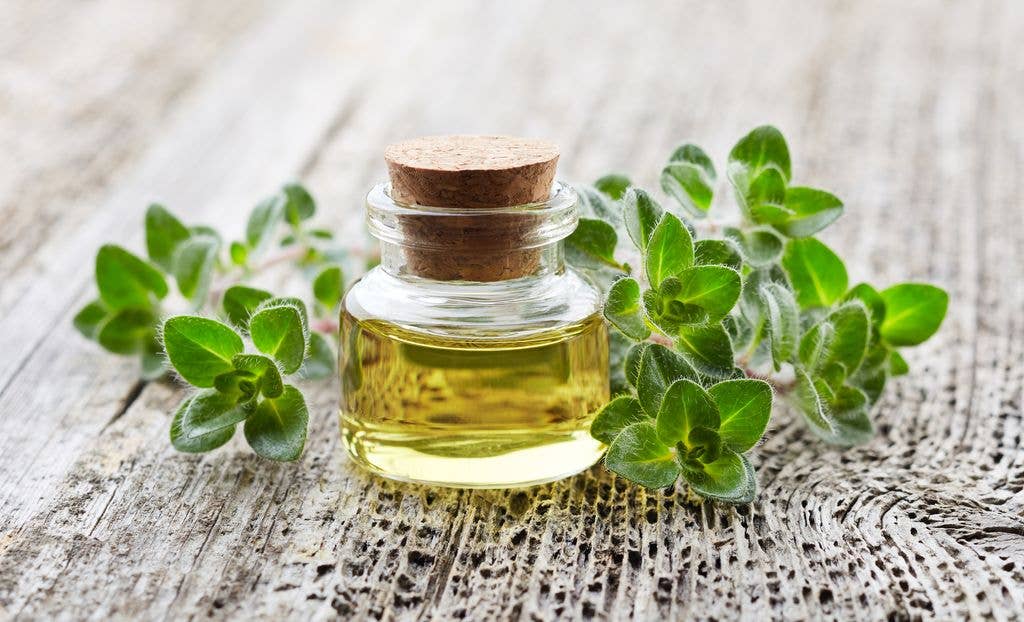
Beyond the pizza topping, oregano has impressive antimicrobial and digestive properties. It helps prevent gas from building up and soothes abdominal bloating. “Regularly adding oregano to your diet can promote lighter digestion and help reduce bouts of intestinal colic,” states Dr Berdonces. It works beautifully as a tea or as a staple spice in savoury dishes.
 © Getty Images
8. Anise
Anise has been used for generations to settle mild digestive upsets, from wind and bloating to tummy spasms. Its essential oils help the body shift excess air, quickly reducing that uncomfortable, distended feeling. “Anise is very helpful for ‘slow’ digestion, and brewing it as a tea is a safe, effective option,” explains Dr Berdonces. It’s also a delicious addition to baking or for flavouring sweet treats.
More gas-busting options to try
If you need to get rid of gas fast, and don’t have any herbal remedies, there are other simple tweaks to your routine that can make all the difference. Firstly, getting active – even just a brisk walk or some gentle stretching – is brilliant for mobilising trapped wind in the gut and helping it move along.
Abdominal massage is another effective trick; using firm, circular motions on your tummy can stimulate the digestive tract and provide instant relief from that “inflated” feeling. You might also try sipping a glass of warm water, which helps to kickstart digestion and relax the system. Beyond these quick fixes, we can also look to the highly effective remedies provided by nature.
If you’re looking for more ways to settle your stomach and shift trapped wind, there are several effective options to try:
- Digestive teas: Herbal infusions are a fantastic first port of call. Plants such as fennel, peppermint, cumin and ginger have “carminative” properties, which basically means they are brilliant at breaking up gas bubbles and reducing that inflated feeling.
- Warm water with lemon: Sipping warm lemon water on an empty stomach first thing in the morning can kickstart your digestion and help prevent gas from forming in the first place.
- Apple cider vinegar: This vintage health hack is still popular for a reason. Diluting one tablespoon in a glass of water before you eat can help balance stomach acid and streamline your digestion.
- Activated charcoal: If you’re feeling particularly bloated, activated charcoal supplements can be very effective. They act like a sponge, absorbing excess gas in the digestive tract.
- Medication: While home remedies are great, it is important to see your GP if the problem persists. Constant flatulence can sometimes be a warning sign of underlying food intolerances or other digestive issues that need a professional eye.
 © Getty
Movement for relief: Yoga and gentle exercise
In addition to herbal remedies, we can also look to ancient disciplines like yoga. Certain asanas (poses) are specifically designed to help shift trapped wind and ease the pressure in your gut.
The Wind-Relieving Pose (Pawanmuktasana)
As the name suggests, this pose is incredibly effective for shifting stubborn gas trapped in the intestines. It’s a simple but powerful way to find relief.
 © Getty Images
To try it:
- Lie on your back on a comfortable surface.
- Bring your knees up towards your chest and wrap your arms around them in a gentle hug.
- Hold the position for a few moments while taking deep, steady breaths.
- Slowly release your legs and repeat the movement several times.
Child’s Pose (Balasana)
Another highly recommended position for soothing a bloated stomach is Child’s Pose.
 © Getty Images
This is a restorative asana that helps to relax the abdomen, calm the nervous system, and support the digestive process. By applying gentle, natural pressure to the belly, it encourages the body to release gas and eases any lingering discomfort.
- Kneel on the floor and sit back on your heels with your knees slightly apart.
- Fold your body forward until your forehead rests gently on the mat.
- Extend your arms out in front of you or let them rest alongside your body.
- Breathe deeply and hold the pose for at least 30 seconds, repeating as often as you like.
It is the perfect choice for when you feel “heavy” after a meal or particularly distended.
The power of a gentle stroll
Sometimes, the simplest remedy really is the most effective. A gentle stroll for 20 to 30 minutes is often all it takes to get the digestive system moving and help your body process wind naturally.
 © Getty
You don’t need to head to the gym or find a scenic route; simply pottering around the house, taking a quick walk around the block, or even pacing while on a phone call is enough to feel the benefit. Plus, walking is brilliant for calming the nervous system, which is essential for healthy gut function.
The ‘Floor Cycle’
This easy, low-impact exercise is a vintage favourite for a reason—it is perfect for those moments when you feel particularly bloated.
- Lie on your back on a comfortable surface (your bed or a yoga mat works perfectly).
- Lift your legs and mimic a cycling motion, as if you were pedalling an invisible bicycle in the air.
- Keep the movement steady to gently massage the abdominal area and kickstart your digestion.
Practising this for just a few minutes can help to shift trapped wind and lift that heavy, sluggish feeling. You can go at your own pace and repeat it as many times a day as you need to find relief.
Read the full article here