

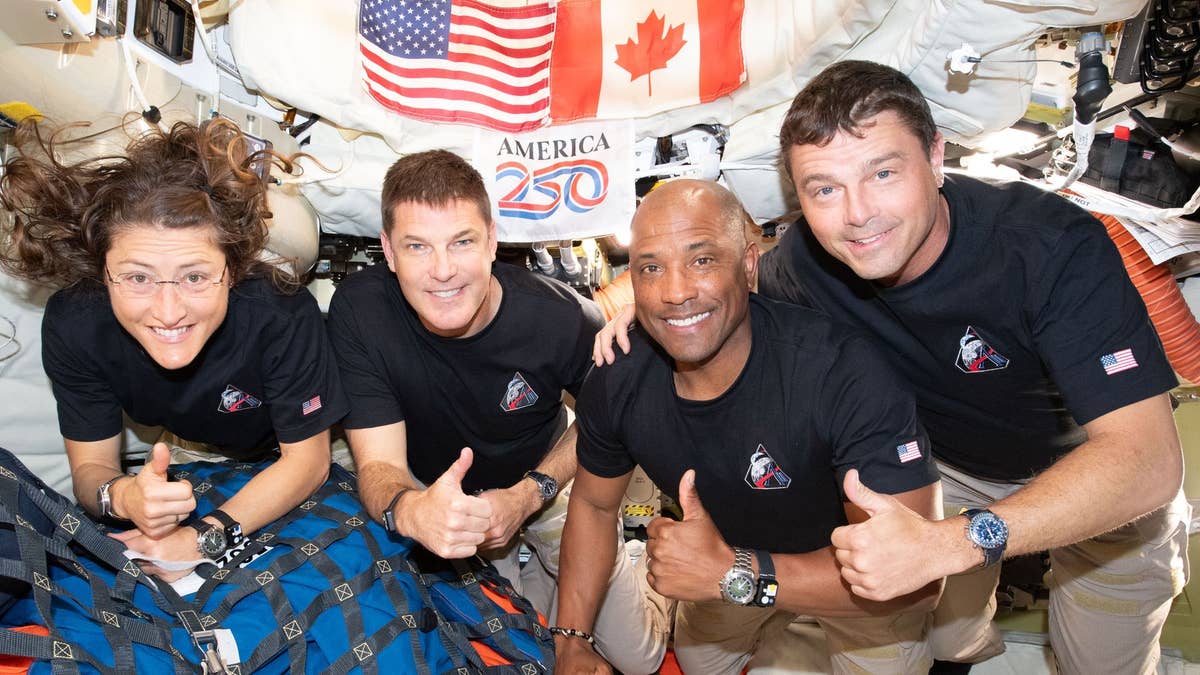

In just two days, Artemis II is scheduled to return to Earth. After landing, the four astronauts aboard the spacecraft will have spent 10 days in space and have gone further from Earth than any human has ever gone.
While American astronauts Reid Wiseman, Christina Koch, and Victor Glover, and Canadian astronaut Jeremy Hansen will remain legends, once Artemis touches down, they shouldn’t expect any monetary bonuses.
The astronauts may have launched into space, but they don’t receive performance bonuses, overtime, or hazard pay. So how much is the salary of an astronaut? Keep reading to find out.
How much do the Artemis II astronauts make?
According to NASA, astronauts make $152,258 per year. Canadian astronauts reportedly earn a similar salary. While that salary may look nice to an entry level employee, it is shocking to learn that astronauts with decades of experience earn the same as financial analysts or electricians.
However, unlike most jobs, the astronauts’ transportation, lodging, and meals are provided.
How many people apply to become astronauts?
It seems that the low salary is not a deterrent for interested candidates. Last September, NASA announced it accepted just 10 candidates from more than 8,000 applicants. That means the acceptance rate for astronauts is only 0.125%!
What are the qualifications to become an astronaut?
The four astronauts aboard Artemis II all have their own unique experiences. Reid has a degree in computer and systems engineering and served in the Navy as a pilot before working for NASA.
Christina has a bachelors and masters in electrical engineering, completed the NASA Academy program, and worked as an electrical engineer before being selected by NASA. Like Reid, Victor served in the Navy before joining NASA.
Jeremy served as a Royal Canadian Air Force captain and earned a degree in physics before working for the Canadian Space Agency.
For those who want to become an astronaut, you must have a degree from an accredited college or university. Flying experience is not a requirement, but NASA notes that any type of flying experience-military or private is beneficial to have.
The privatization of space
For nearly all of space travel history, NASA has been at the forefront. But in recent years, the government has drastically cut its funding, meaning more private companies vying for the attention of astronauts and private citizens wanting to head to space.
While Elon Musk first founded his aerospace company, SpaceX, in 2002, it only truly took off in the past few years. In 2020, SpaceX launched its first commercial crewed mission. Jeff Bezos’ space technology company Blue Origin sent Katy Perry, Lauren Sanchez, and Gayle King on an 11-minute suborbital flight last April.
But regardless of who is paying for the space travel, astronauts like Reid, Christina, Victor, and Jeremy will be needed!
Read the full article here