
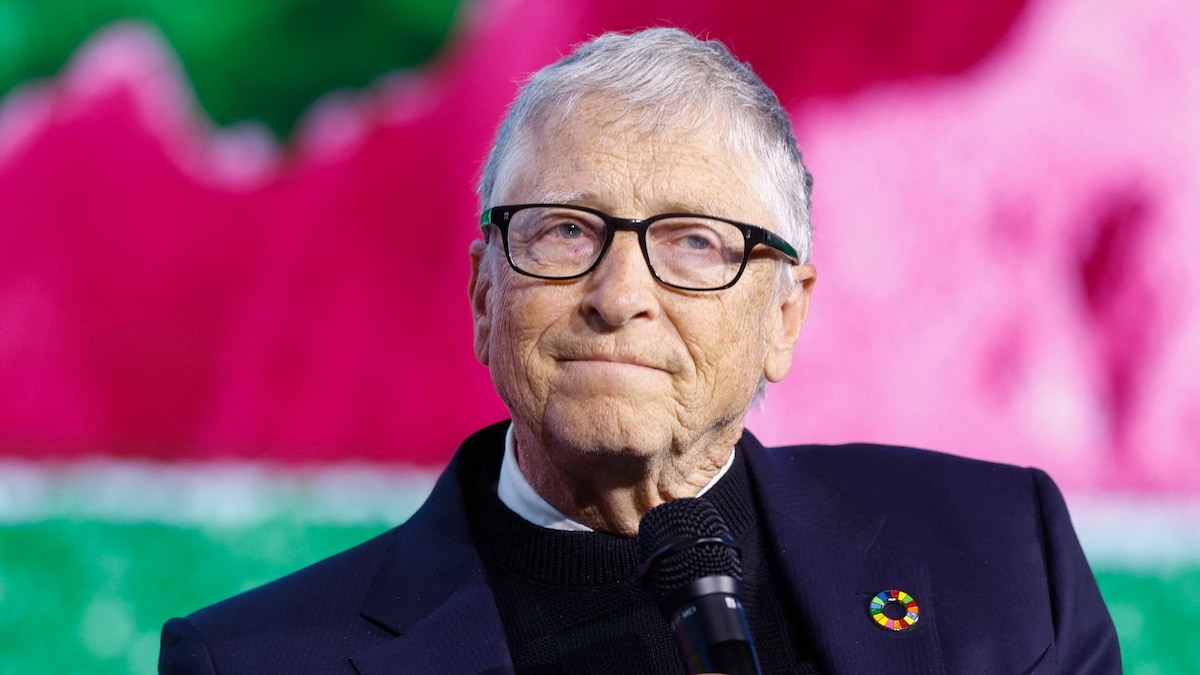

The decades-long friendship between Bill Gates and Warren Buffett, once regarded as one of the most influential alliances in both business and global philanthropy, came to an abrupt and dramatic end.
The rupture follows the release of explosive new documents tied to Jeffrey Epstein, triggering widespread fallout across elite financial and philanthropic circles.
Buffett confirmed that he has completely cut off communication with Gates, describing the situation as a period of total silence. According to the 95-year-old investor, the two have not spoken since the Department of Justice files became public.
His decision, however, appears to go beyond personal disappointment. Buffett has openly expressed concern about potential legal risks, stating that he does not want to find himself in a position where he is aware of sensitive details that could later compel him to testify under oath.
The newly released Epstein files have intensified scrutiny on Gates’ past associations, revealing a series of details that have proven deeply damaging to his public image. Among the most striking disclosures is Gates’ admission that he engaged in two extramarital affairs during his marriage, relationships with a Russian bridge player and a Russian nuclear physicist that Epstein allegedly became aware of.
 © Najlah Feanny
According to the documents, Epstein may have attempted to leverage this information to pressure or blackmail Gates after their professional interactions began to deteriorate. The records also include emails, photographs, and accounts of meetings between Gates and Epstein between 2011 and 2014, years after Epstein’s initial conviction.
Gates has strongly denied any wrongdoing related to Epstein, pushing back against some of the more sensational claims as absurd. At the same time, he has publicly acknowledged that maintaining contact with Epstein was a serious error, calling it “a huge mistake” and admitting that he was wrong to believe any positive outcome could come from the relationship.
 © TIM SLOAN
Despite these statements, the reputational damage has continued to deepen, extending beyond public perception into his closest personal and professional relationships.
In reality, the breakdown between Buffett and Gates had been developing long before the latest scandal erupted. Early signs of distance emerged in 2020 when Gates stepped down from the boards of both Microsoft and Berkshire Hathaway, signaling a shift away from their longstanding business overlap.
 © FREDERIC J. BROWN
The following year, Buffett resigned as a trustee of the Gates Foundation shortly after Gates’ divorce from Melinda French Gates was announced. By 2024, Buffett had taken an even more decisive step, declaring that the foundation would no longer receive contributions from his estate.
What had once been a defining philanthropic partnership was already weakening, even before the Epstein revelations delivered the final blow. Buffett’s evolving stance has also reshaped the future of his immense fortune.
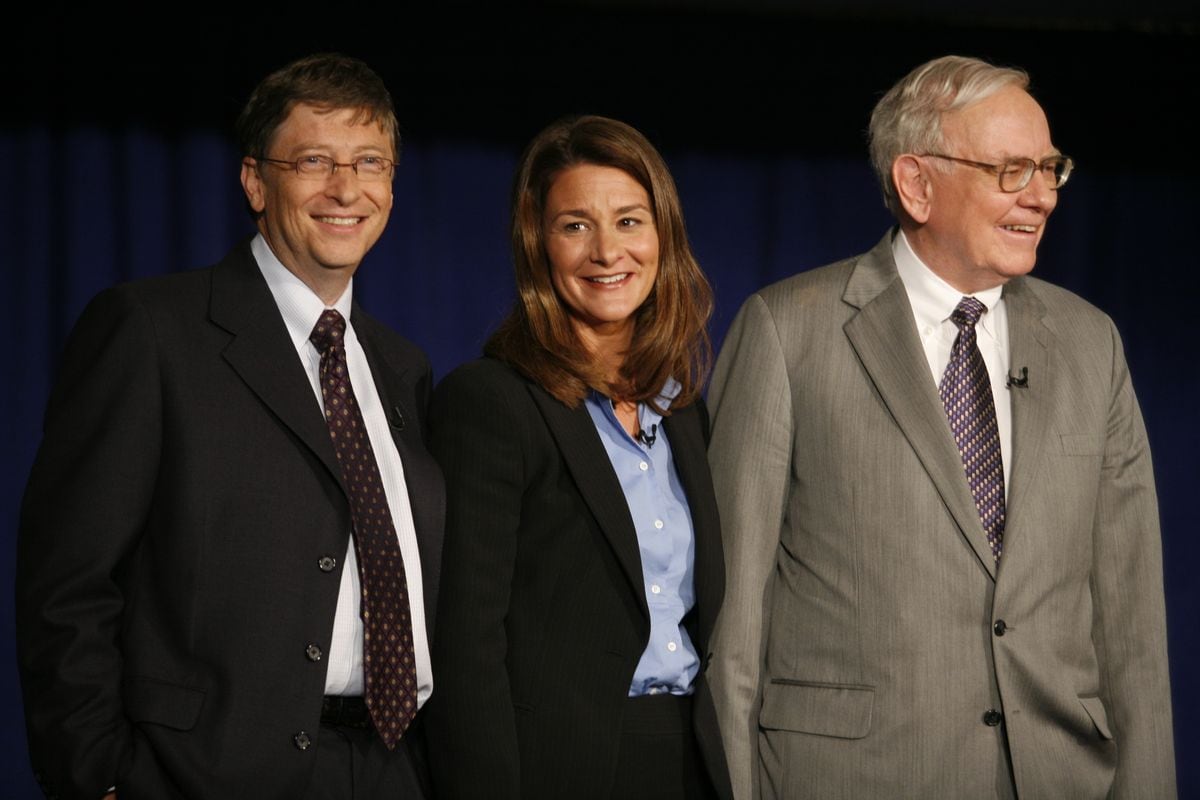
Rather than continuing to channel his wealth into the Gates Foundation, he has opted to place his remaining assets, estimated at over $100 billion, into a new family trust that will be overseen by his children, Susie, Howard, and Peter Buffett.
 © Najlah Feanny
The decision reflects not only a personal shift but also reported dissatisfaction with the growing bureaucracy and changing strategic direction of the foundation, which he is said to view as less bold and risk-tolerant than in its earlier years.
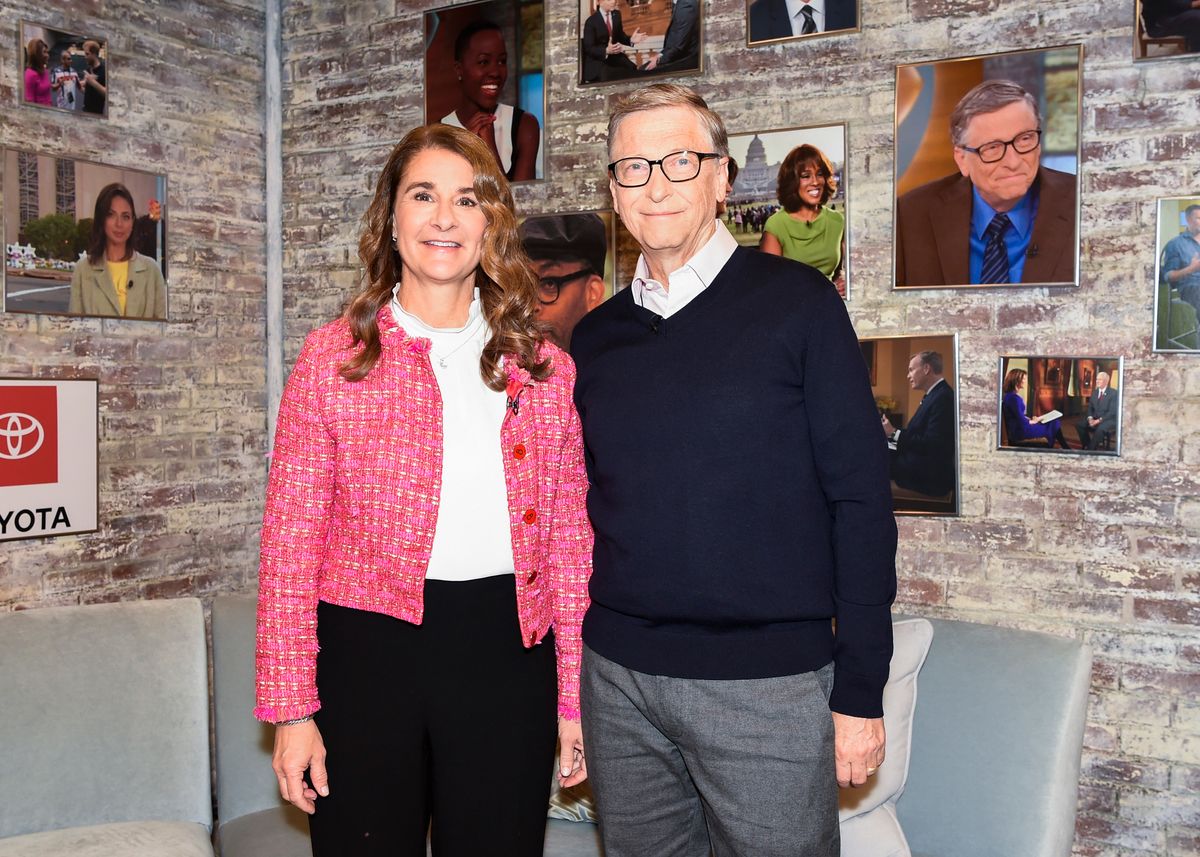
Meanwhile, the fallout surrounding Gates has widened significantly, leaving him increasingly isolated within elite global circles. Melinda French Gates has spoken candidly about the emotional toll of the revelations, describing the renewed scrutiny as deeply painful and reiterating that questions surrounding Epstein are for Gates alone to answer.
The controversy has also begun to affect Gates’ public engagements, with high-profile appearances being canceled or scaled back, including his withdrawal from a major artificial intelligence summit in India following backlash tied to the disclosures.
 © CBS via Getty Images
Even initiatives once central to his legacy have not been immune. The Giving Pledge, the philanthropic campaign co-founded by Gates and Buffett to encourage billionaires to donate the majority of their wealth, has reportedly seen some participants quietly distance themselves.
Concerns about reputational risk have begun to ripple through networks that were once firmly aligned with Gates’ vision of global giving. Inside the Gates Foundation itself, the impact has been palpable.
Leadership has acknowledged concerns that the organization’s work could be overshadowed by its founder’s personal controversies, with internal unease growing over the association with Epstein.
 © GettyImages
At the same time, Gates is preparing to testify before a U.S. House committee in May 2026 regarding his past connections, a development that could further shape both legal and public narratives in the months ahead.
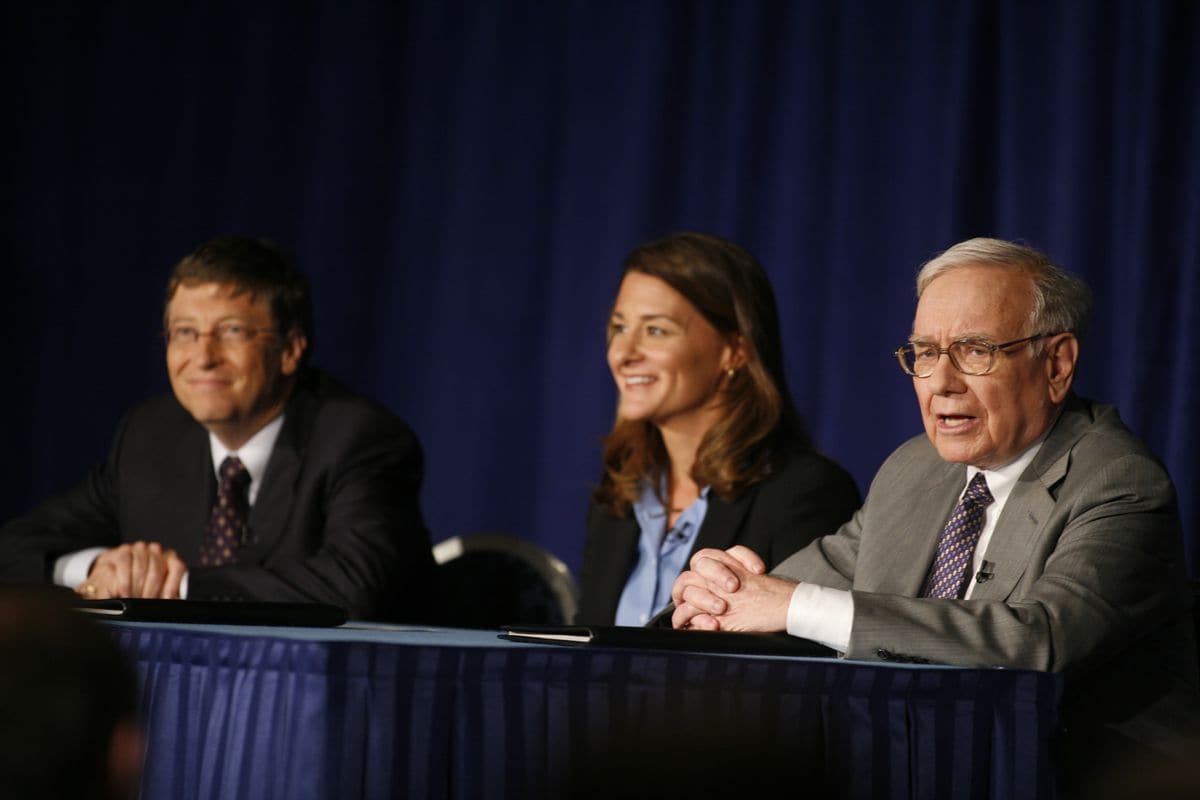
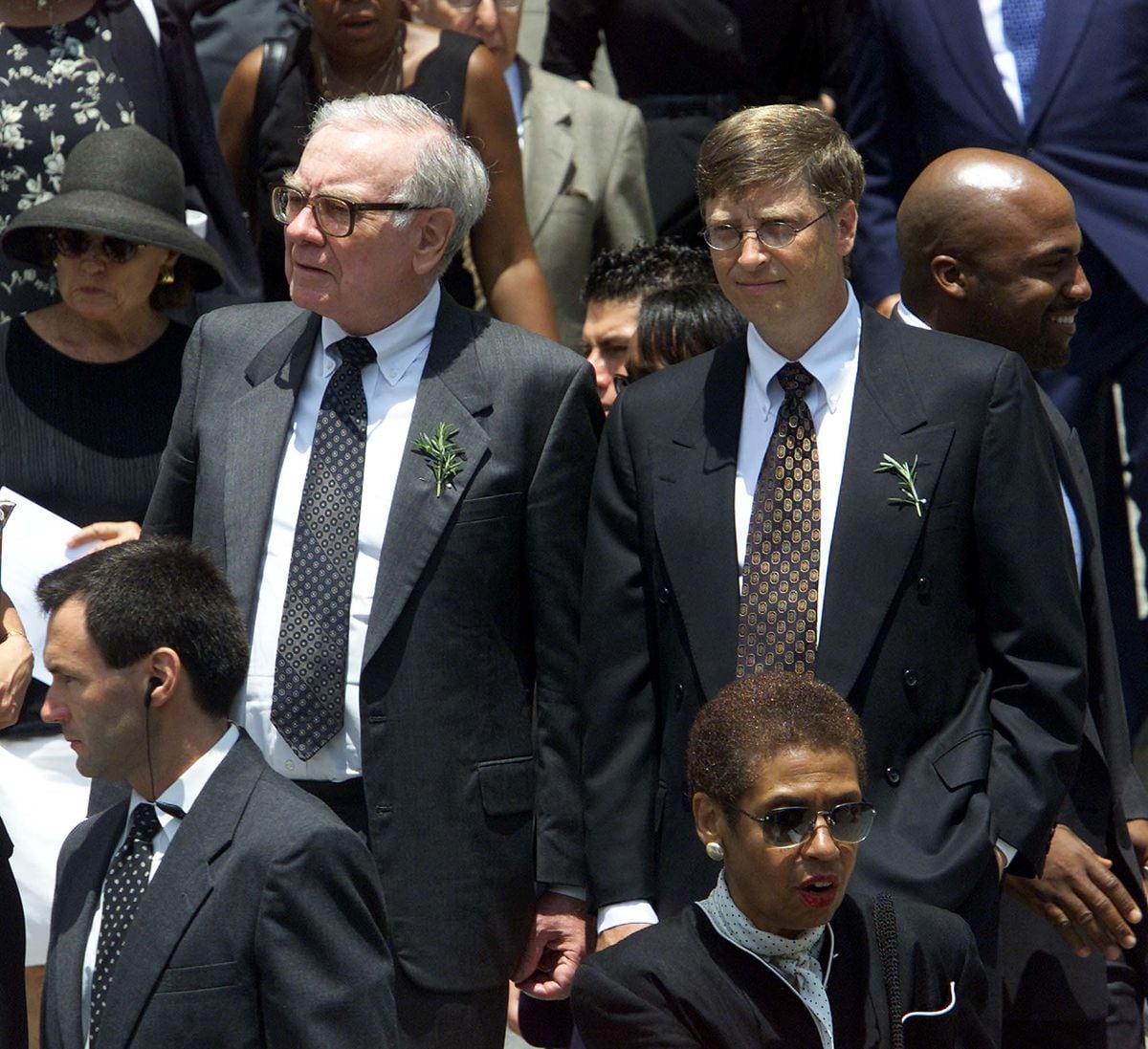
The collapse of the relationship between Gates and Buffett marks the end of an era that began in 1991, when the two first met and quickly bonded over business, strategy, and a shared love of bridge.
Over the following decades, their partnership helped redefine modern philanthropy, channeling tens of billions of dollars into global health, education, and poverty reduction efforts. Buffett alone contributed more than $43 billion to the Gates Foundation, making him one of the most significant donors in history.
Read the full article here