
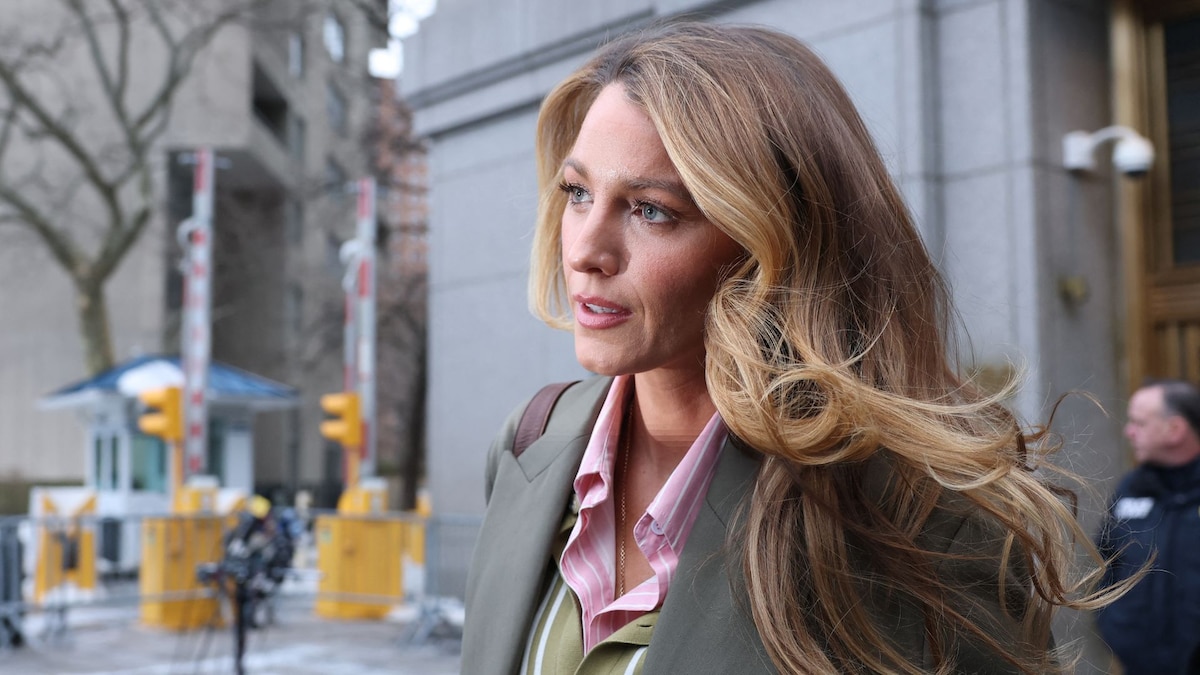

The legal dispute between actress Blake Lively and actor-director Justin Baldoni is intensifying as both sides prepare for a potential courtroom showdown tied to the film “It Ends With Us.” In a newly filed letter, Lively’s legal team urged a federal judge to reject Baldoni’s latest attempt to dismiss her claims. The filing argues that the case should proceed because significant evidence has already been gathered through the legal discovery process.
The dispute centers on allegations Lively filed in late 2024 against Baldoni, her director and co-star in the film adaptation of the bestselling novel. Baldoni has denied the allegations, and both parties have filed competing claims as the legal conflict unfolds in federal court.
Federal Appeals Ruling Cited by Blake Lively’s Lawyers
In the letter submitted Thursday to Lewis J. Liman of the U.S. District Court for the Southern District of New York, Lively’s attorneys pointed to a recent decision by the U.S. Court of Appeals for the Second Circuit. According to the filing, the appeals court recently ruled that judges should not dismiss lawsuits based solely on how a complaint is written when evidence has already been developed during the case.
Quoting directly from that ruling, Lively’s legal team wrote that dismissing a complaint at this stage “would hardly serve the efficient or just resolution of disputes” when evidence gathered through litigation may already support the claims.
Her attorneys argued that the same reasoning applies to the case involving Baldoni.
 © GC Images
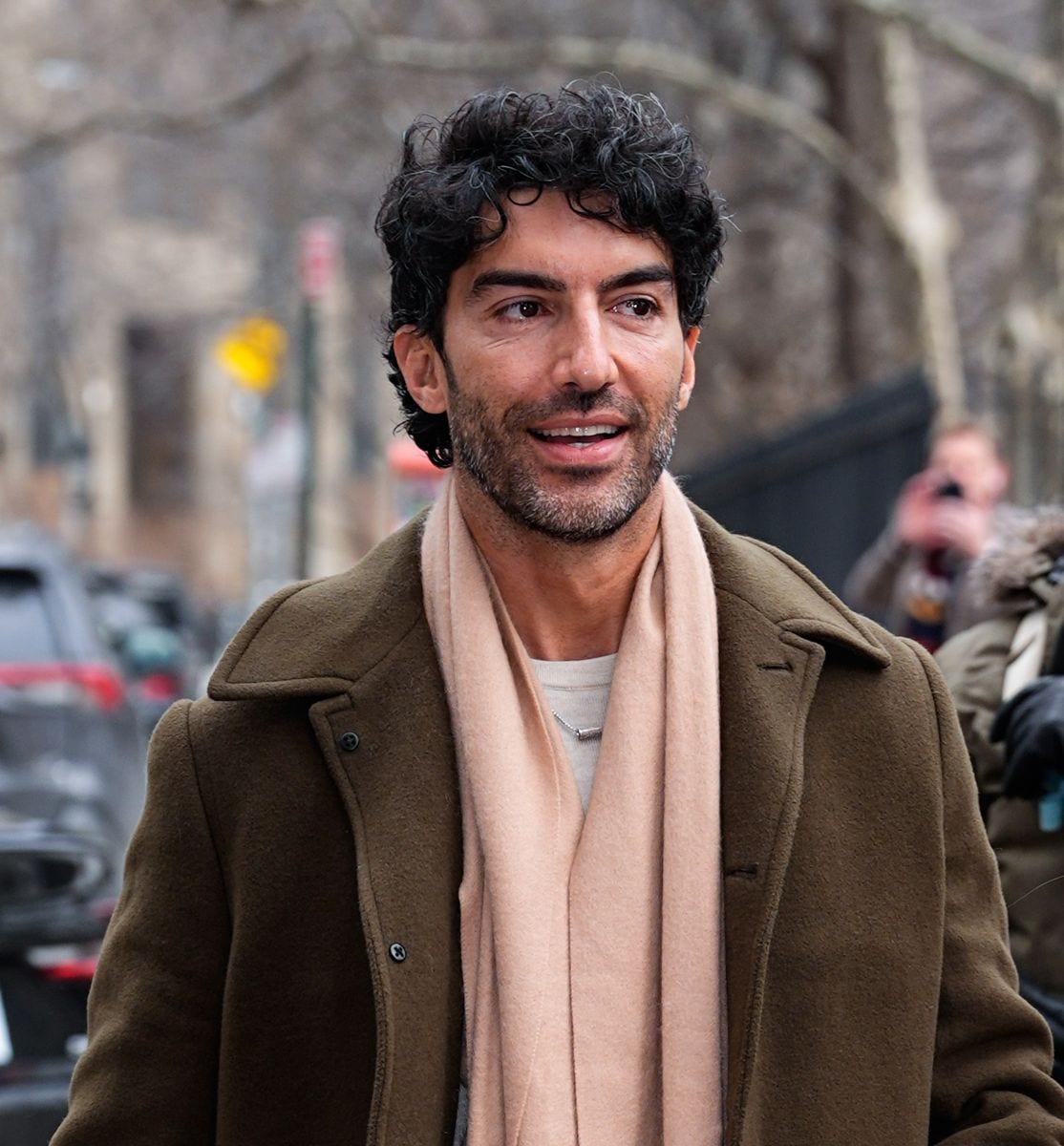
They contended that the court should evaluate the lawsuit based on the evidence obtained during discovery, including documents and witness testimony, rather than focusing exclusively on the wording of the initial complaint.
Justin Baldoni’s Effort to End the Case Before Trial
Baldoni and other defendants have attempted to end the lawsuit before it reaches a jury. Their legal strategy includes a request for summary judgment — a procedural step asking the court to decide the case based on existing evidence instead of sending it to trial.
However, Lively’s attorneys insist the full record of evidence supports allowing the claims to proceed. They argued the judge should weigh all materials gathered during the case instead of dismissing the claims prematurely.
Lawsuits, Countersuits, and a High-Profile Hollywood Dispute
The legal conflict stems from events tied to the production of “It Ends With Us,” the film adaptation of Colleen Hoover’s bestselling novel. In December 2024, Lively filed a lawsuit accusing Baldoni and other defendants of sexual harassment and retaliation connected to their work on the film.
 © GC Images
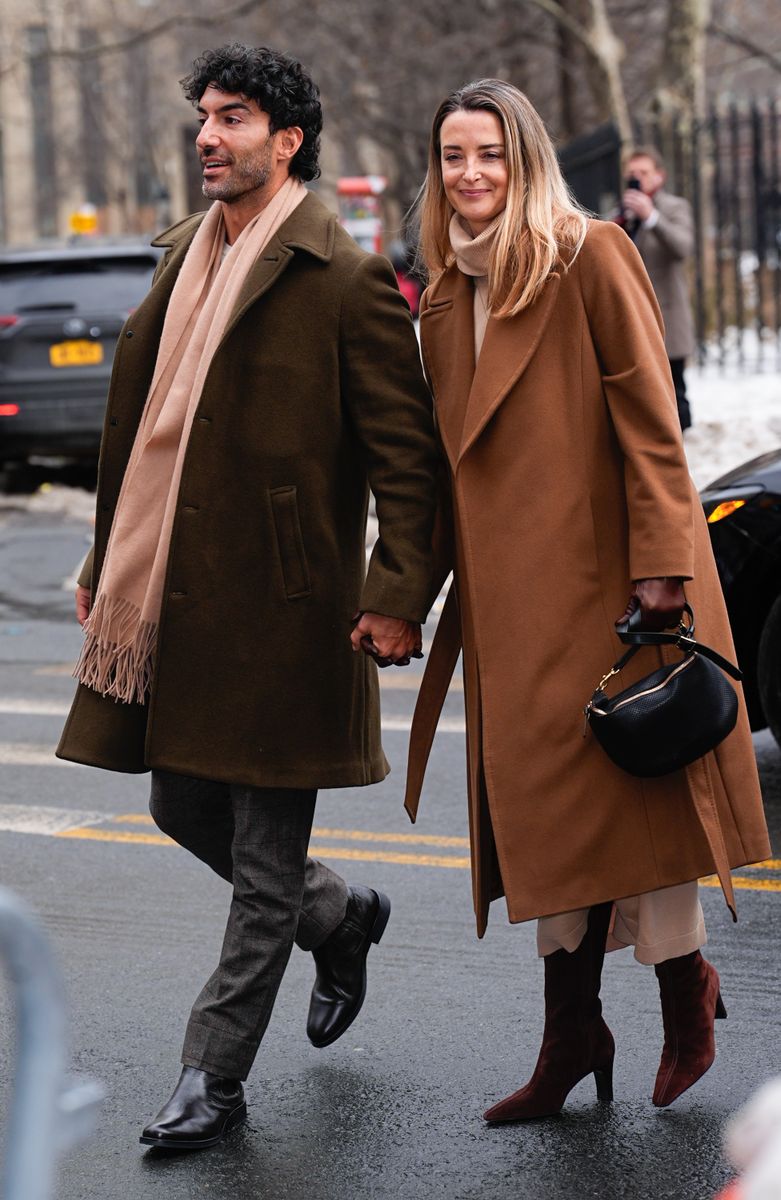
She is seeking more than $160 million in damages. Baldoni has denied the accusations. He later filed a $400 million countersuit alleging extortion and defamation against Lively.
That countersuit was eventually dismissed by the court, narrowing the ongoing legal fight primarily to Lively’s claims.
Mediation Failed to Resolve the Dispute
The most recent court filing comes weeks after both actors participated in a court-ordered mediation session in New York. On Feb. 11, Lively and Baldoni spent roughly six hours in negotiations with Magistrate Judge Sarah L. Cave.
The meeting was intended to explore a possible settlement in Lively’s sexual harassment lawsuit. No agreement was reached. The failed mediation means the case continues moving forward through the legal system.
Trial Date Set as Court Considers Motion
If the judge declines to dismiss the lawsuit, both actors could eventually take the witness stand. A trial is currently scheduled to begin on May 18, which would bring the high-profile dispute into a public courtroom.
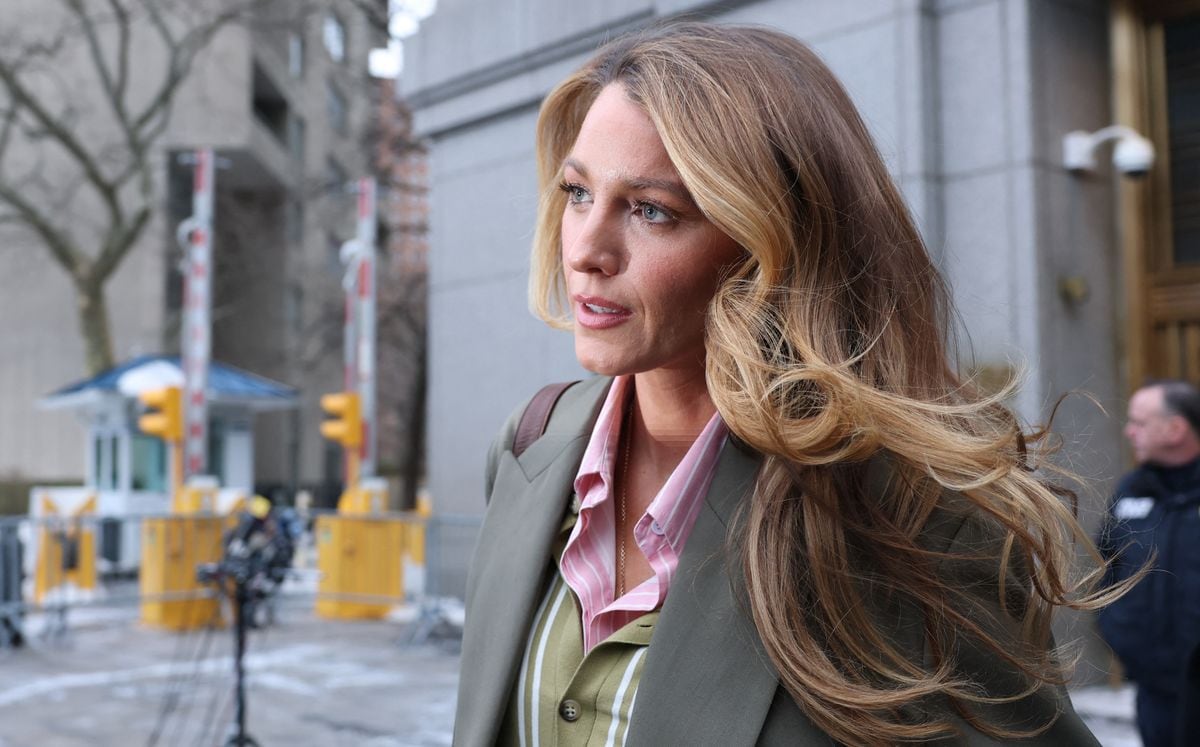 © AFP via Getty Images
Judge Liman has not yet ruled on the defendants’ request to dismiss the claims. Until that decision is issued, the future of the lawsuit — and whether a jury will ultimately hear the case — remains uncertain.
For now, the legal battle tied to “It Ends With Us” continues to develop inside the federal courthouse in Manhattan, with both sides preparing for what could become one of the most closely watched entertainment industry trials in recent years.
Read the full article here