

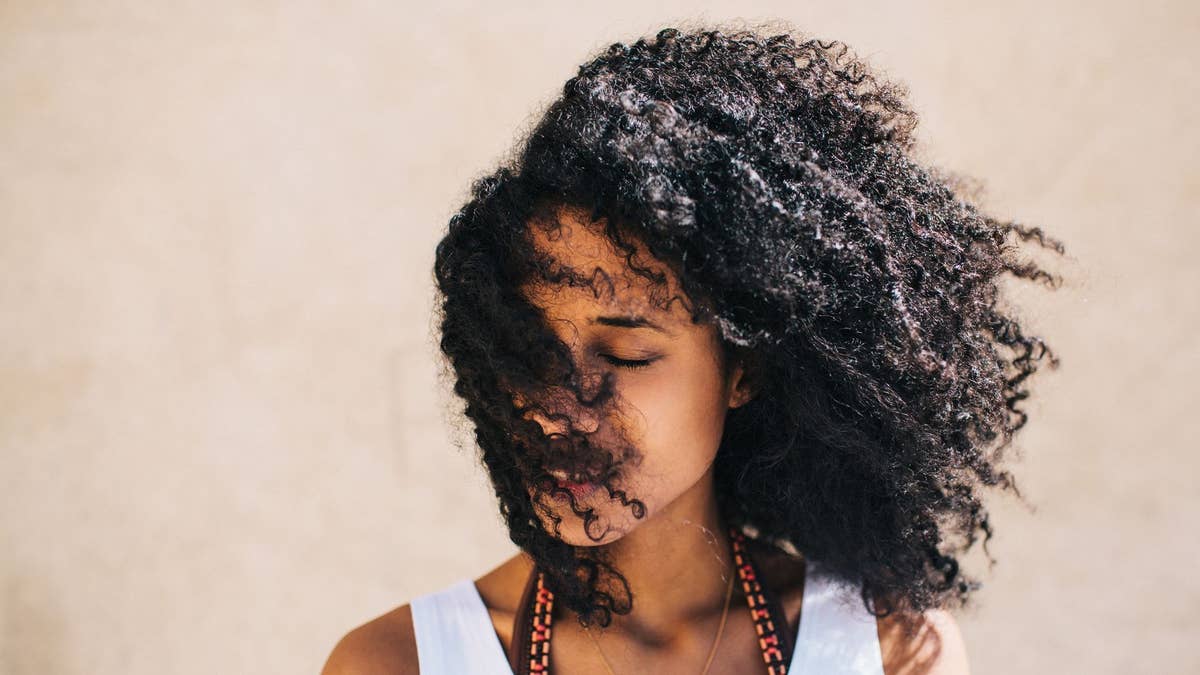

Noticing more strands in the shower drain or tangled in your hairbrush isn’t necessarily cause for concern. Hair shedding naturally fluctuates, influenced by everything from the weather and hormonal shifts to our overall health. It’s when those changes become more noticeable – perhaps your ponytail feels thinner than it once did, or your parting has started to widen – that they can be harder to dismiss.
Hair loss is also far more common than many of us realise. The NHS estimates that 8 million women in the UK are affected, while around half of those aged 70 and over will experience female-pattern baldness. Across a lifetime, Harvard Health reports that roughly a third of women will experience some degree of hair loss, rising to as many as two-thirds after menopause.
Once rarely spoken about, female hair loss is becoming increasingly visible. Melanie Sykes, Jada Pinkett Smith and Olivia Bentley (who first shared her alopecia story exclusively with us back in 2019) are among those to have spoken candidly about their experiences. More recently, the rise of GLP-1 weight loss drugs such as Ozempic has drawn further attention to the subject, with rapid weight loss a known trigger for temporary shedding.
But what makes hair loss particularly complex is that there is no single cause – or solution. Genetics, hormonal changes, illness, stress and autoimmune conditions can all play a role, and the most effective course of action depends on identifying what’s happening in the first place. Here, leading experts explain how to recognise the most common types of female hair loss, when to seek professional help and the treatments backed by evidence.
How much hair loss is normal?
We typically lose around 50 to 100 hairs each day as part of the natural hair growth cycle. Each follicle moves independently through four stages, beginning with anagen, the active growth phase, which typically lasts between three and seven years. This is followed by catagen, a short transitional phase, then telogen, when the hair rests, and finally exogen, when it sheds to make way for new growth.
 © Getty Images
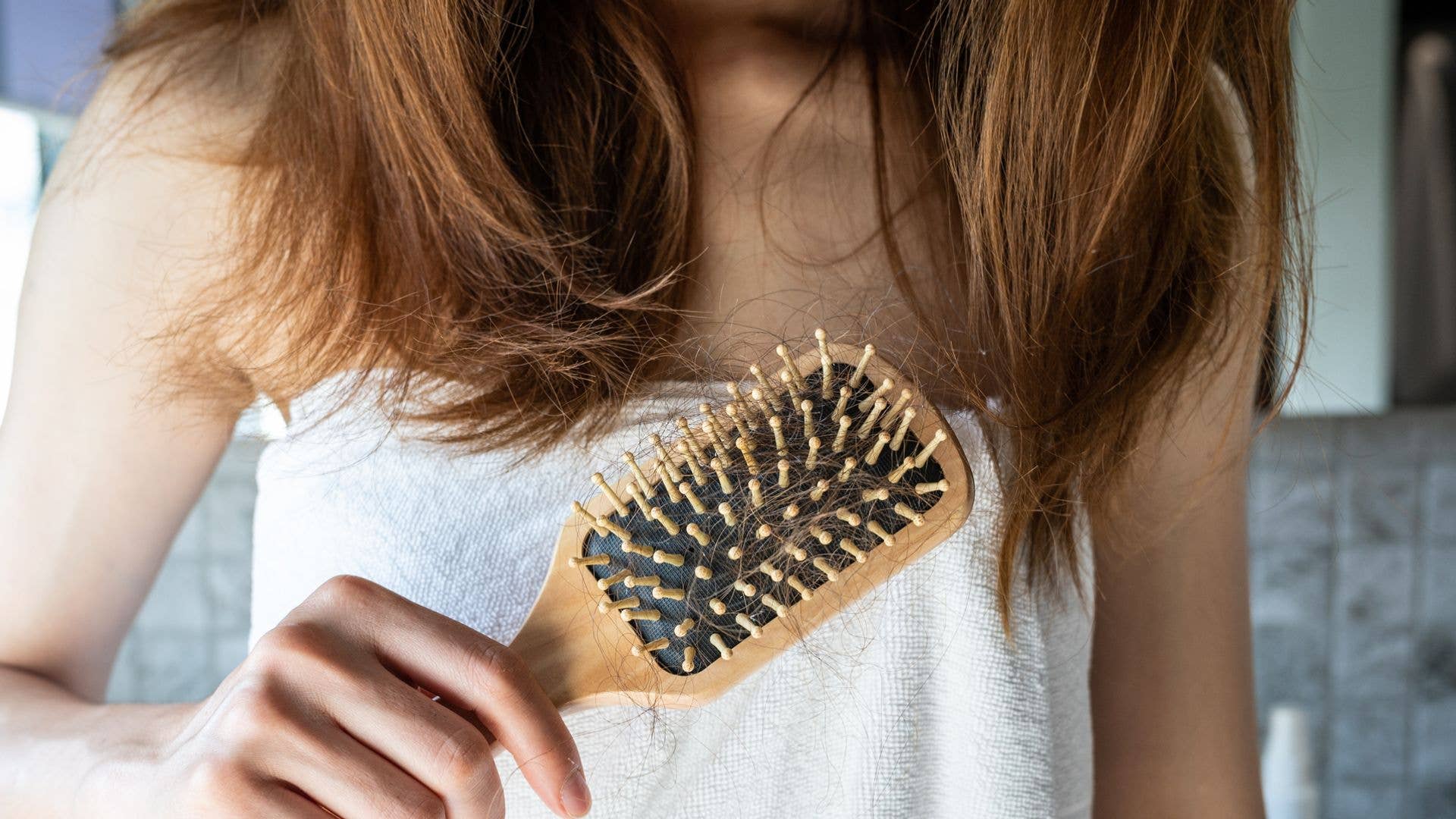
It’s when this shedding noticeably increases that it may signal something else is going on. “People notice much more hair than usual coming out in the shower, more hair on their pillow or on their brush or around the house,” says Dr Jason Thomson, consultant dermatologist and head of medical at Skin + Me. Changes in density, such as a thinner ponytail, can also be signs of hair loss.
The most common types of female hair loss
1. Female-pattern hair loss (FPHL
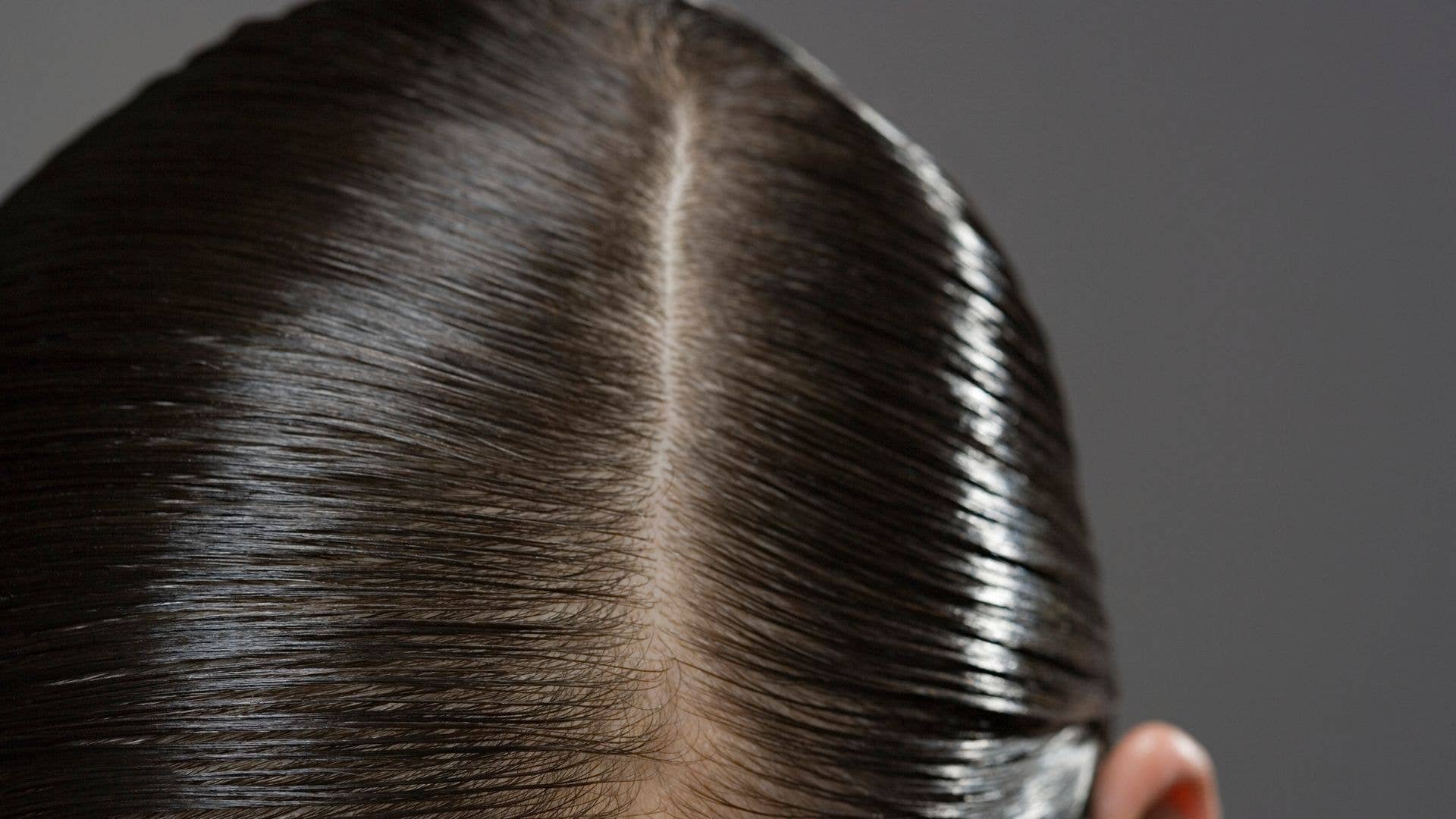
“This is a progressive and gradual thinning of hair on the scalp, whereby hair follicles become smaller, as do the hairs they produce,” explains Anabel Kingsley, lead trichologist and brand president at Philip Kingsley. “The growth phase of the hair growth cycle becomes shorter, and strands also become finer and unable to grow as long.” Typically, you may notice a widening parting or less volume through the top of the scalp.

Exactly why it happens isn’t fully understood, but genetics and hormones both appear to play a role. Importantly, “most women with female pattern hair loss have completely normal hormone levels,” says Thomson, although it is more common in women with conditions associated with higher androgen levels, such as polycystic ovary syndrome (PCOS).
FPHL can begin at almost any point after puberty but becomes increasingly common with age, particularly after menopause. According to Thomson, changes in the balance between oestrogen and androgen hormones may explain why some women first notice it, or see it accelerate, at this time.
 © Getty Images
2. Telogen effluvium (TE)
Telogen effluvium, essentially excessive hair shedding, is another very common form of hair loss. “This is a reactive type of hair loss that occurs due to some sort of internal imbalance or health disruptor,” explains Kingsley, citing nutritional deficiencies, thyroid issues, extreme stress, high fever, postpartum changes and rapid weight loss among the potential triggers. This includes the shedding sometimes reported with GLP-1 use. According to Thomson, “it is often the speed and magnitude of the weight loss rather than necessarily a direct effect of the medication itself.”
 © Getty Images
With TE, more hairs than usual are pushed into the telogen (resting) phase of the growth cycle. “The hairs remain resting for about three months and then enter the exogen (shedding) phase, where they are shed en masse,” says Kingsley. While it’s normal to lose up to 100 hairs a day, with TE this can rise to around 300.
The good news? Unlike FPHL, TE doesn’t cause the follicles to shrink and isn’t progressive. “Once the trigger is found and addressed, hair will grow back. In fact, in some cases it stops on its own with no treatment needed,” assures Kingsley.
3. Alopecia areata
Another form of hair loss Thomson frequently sees in his clinic is alopecia areata, an autoimmune condition that occurs when the immune system mistakenly targets the hair follicles. It typically appears quite suddenly as one or more smooth, round patches of complete hair loss, although it can also affect the eyebrows, eyelashes and body hair.
“Often it will just affect the scalp, but the presentation can vary hugely, from a single small patch through to loss of all the scalp hair, known as alopecia totalis, and in the most severe cases all the hair on the body, known as alopecia universalis,” he explains.
4. Scarring alopecia
Scarring forms of hair loss such as frontal fibrosing alopecia (FFA) and lichen planopilaris are a lot less common but are particularly important to recognise. Unlike non-scarring forms of hair loss, where the follicle remains intact and has the potential to produce hair again, these conditions cause inflammation that can permanently damage the follicle, preventing new hair from growing.
They can also present with symptoms not typically seen in TE or FPHL. “Clues include scalp redness, soreness, itching, scaling around the hairs, recession of the frontal hairline or loss of the eyebrows,” says Thomson. If you’re experiencing any of these alongside hair loss, it’s important to seek specialist assessment.
When should you seek help for hair loss?
If you’ve been shedding significantly for more than a few months, have noticed visible thinning or can’t pinpoint why your hair is changing, Thomson recommends speaking to your GP. “You also don’t need to wait until the hair loss is severe,” he adds. “With a lot of these conditions there is an advantage to diagnosing and treating them earlier.”
 © Getty Images
Certain signs warrant specialist attention. Thomson advises seeing a dermatologist if you’re losing hair in distinct patches, your hairline is receding, you’re losing eyebrow hair or experiencing scalp symptoms such as pain, itching, redness or scaling. Depending on your symptoms and medical history, investigations might include blood tests to check iron levels, thyroid function and certain vitamin and mineral levels.
In some cases, examining the scalp with dermoscopy (a magnifying device that allows a dermatologist to see the hair follicles more closely) can be more useful than blood tests.
Which female hair loss treatments actually work?
“There isn’t one universal treatment for hair loss,” stresses Thomson – what works for gradual female-pattern thinning, for instance, will be very different to the approach taken for reactive shedding.
 © Getty Images
1) Minoxidil
For female-pattern hair loss, both experts agree that minoxidil has the strongest evidence behind it. Topical minoxidil is generally the first port of call, while low-dose oral minoxidil (an off-label treatment that requires medical assessment) can be an alternative for those who find the topical version irritating or difficult to maintain. Personalised hair loss service Hair + Me offers both topical drops and oral capsules, with formulas often including minoxidil alongside other prescription ingredients, depending on your individual treatment plan. Whichever form is prescribed, results take time. “It generally takes several months before you can judge the response and if you stop using it the benefit will gradually be lost,” says Thomson.
2) Supplements
Because telogen effluvium is reactive, identifying and addressing the underlying trigger is key. Nutritional deficiencies are one possibility, but Kingsley cautions against self-prescribing supplements. “The most common deficiencies we see in clinic that cause hair loss are vitamin B12, vitamin D, ferritin, iron and zinc deficiency,” she explains. “I would recommend having a blood test before taking supplements to ensure that you are only taking what you need, and at the level you need to. Over-supplementing can be harmful.” A varied, nutrient-dense diet and managing stress where possible can also support healthy hair growth.
3) Steroid Injections
Alopecia areata requires a different strategy again. Steroid injections are among the most effective treatments for smaller patches, according to Thomson, with topical steroids another option. For more severe cases, JAK inhibitors work by dampening some of the immune pathways involved in attacking the follicle and can produce “very significant regrowth in some patients”, although careful medical assessment and monitoring is required.
4) In-Clinic Treatments
Beyond medication, treatments such as PRP, microneedling and low-level light therapy may have a supporting role. Kingsley includes all three among her options for female-pattern hair loss, alongside non-medicated scalp formulas. Her own Philip Kingsley Density Preserving Scalp Drops, for example, combine a biomimetic peptide blend with azelaic acid and caffeine to help reduce shedding and preserve hair density.
Common misconceptions about female hair loss
“Probably the biggest misconception is that if your hair is thinning there is nothing you can do about it and you just have to accept it,” says Thomson. “That really isn’t true. We now have a number of genuinely evidence-based treatments for hair loss and our options have expanded considerably over the last decade.”
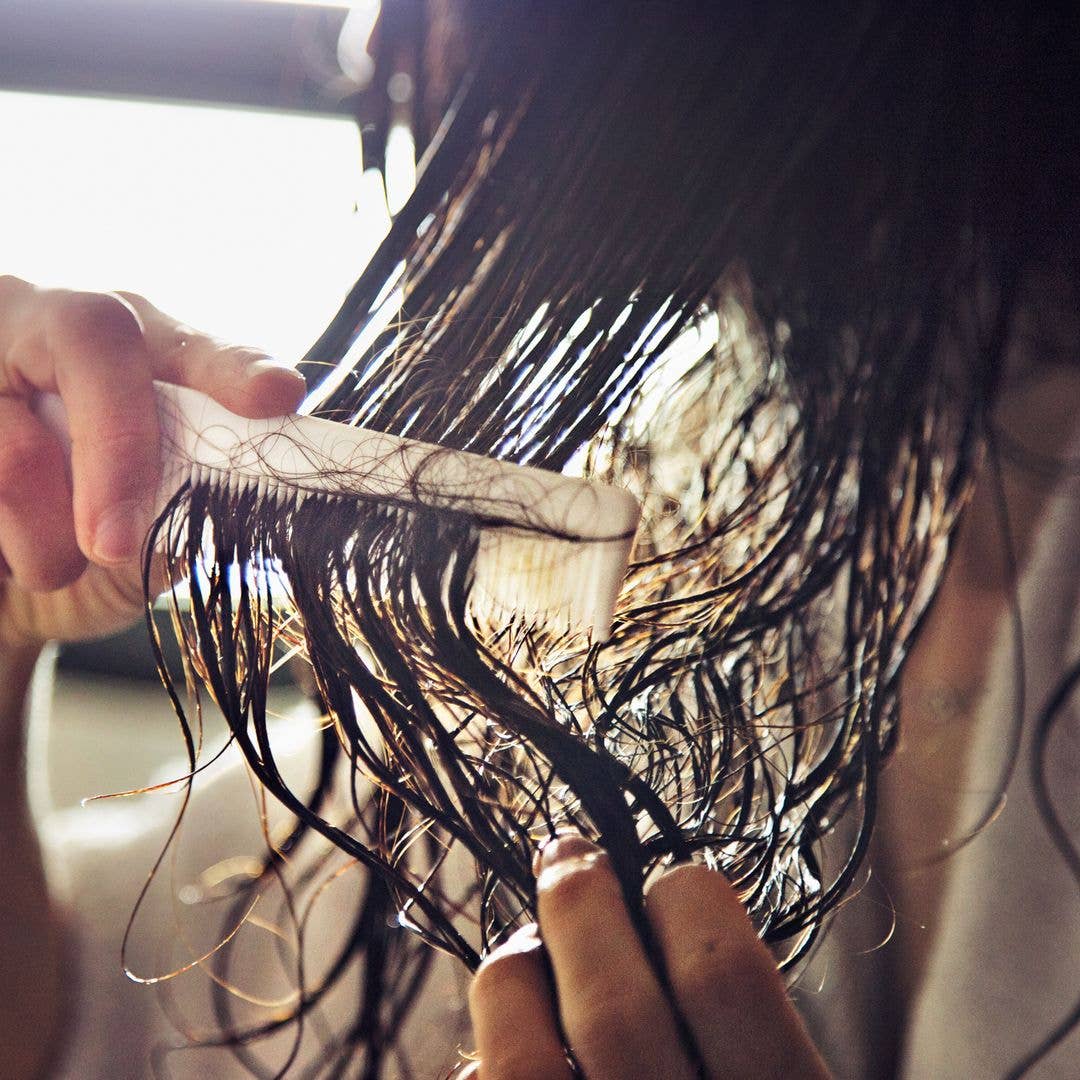
Another myth? That washing your hair frequently will make it fall out faster. According to Kingsley, the hairs you see coming away during shampooing have already detached from their blood supply; washing simply dislodges them from the follicle. “Leaving longer between washes can therefore make shedding appear more dramatic, as several days’ worth of loose hairs come away at once.”
 © Getty Images
Finally, don’t be discouraged if the treatment doesn’t transform your hair in a matter of weeks. “Hair grows slowly,” says Thomson. “With most treatments we are assessing progress over six to twelve months, not a few weeks, and consistency really matters.”
Read the full article here