

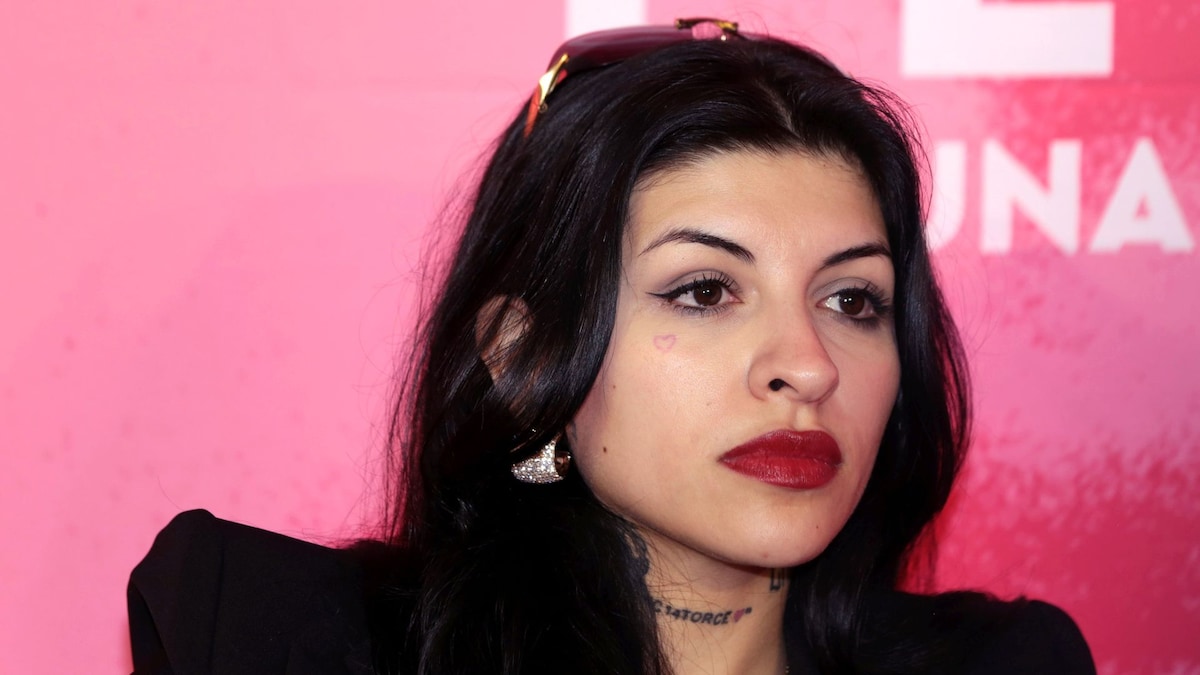

Argentine trap star Cazzu has publicly addressed the controversy sparked by the song Rosita, a collaboration between Tainy, Rauw Alejandro, and Jhayco. The track drew widespread attention after a lyric referencing the rapid marriage of her former partner, Christian Nodal, to Ángela Aguilar triggered heated debate among fans.
During a recent interview with the Univision show El Gordo y la Flaca, the 32-year-old artist said she does not regret publishing her viral essay titled “Tiradera,” where she criticized what she describes as long-standing hypocrisy and gossip culture within the urban music industry.
The “Rosita” Lyric That Ignited the Debate
The controversy erupted in late February following the release of “Rosita.” One particular line quickly became the center of conversation: “Yo me voy y me caso contigo a lo Christian Nodal.”
Many listeners interpreted the lyric as a pointed reference to Nodal’s breakup with Cazzu shortly after the birth of their daughter Inti, followed by his swift marriage to Ángela Aguilar.
The line circulated rapidly online, with fans debating whether it mocked the singer’s personal situation.
In response, Cazzu published a lengthy Substack essay titled “Tiradera,” where she criticized what she called the “legendary camaraderie among men” in the music industry and questioned why gossip often gains more attention than artistic expression.
“I Don’t Regret It at All”
When asked during the interview if she regrets posting the essay that sparked strong reactions — including criticism from Nodal — Cazzu responded firmly. “I don’t regret it at all. I regret very few things I’ve done in my life. The peace I feel right now is such that there’s nothing that truly gives me a racing heartbeat or makes me nervous.”
The artist, whose real name is Julieta Emilia Cazzuchelli and who is also known as “La Jefa” or “Nena Trampa,” explained that her statements are not meant as personal attacks but rather as reflections on broader issues within the industry.
“When I feel something is missing, I try to say it in the most careful and precise way possible, and that’s it. The things I say are not for me. The things I don’t say are the ones I keep for myself and for my daughter. What I do say are the things I believe are necessary at the right moments. I can be wrong, but I always speak from a collective place, not purely personal.”
Criticism of the Urban Music Culture
Cazzu also reaffirmed her criticism of the dynamics she sees within the urban music scene. “In this world, in this genre, most people negotiate hypocrisy, and little by little their ability to be sensitive gets smaller because the ego consumes them.”
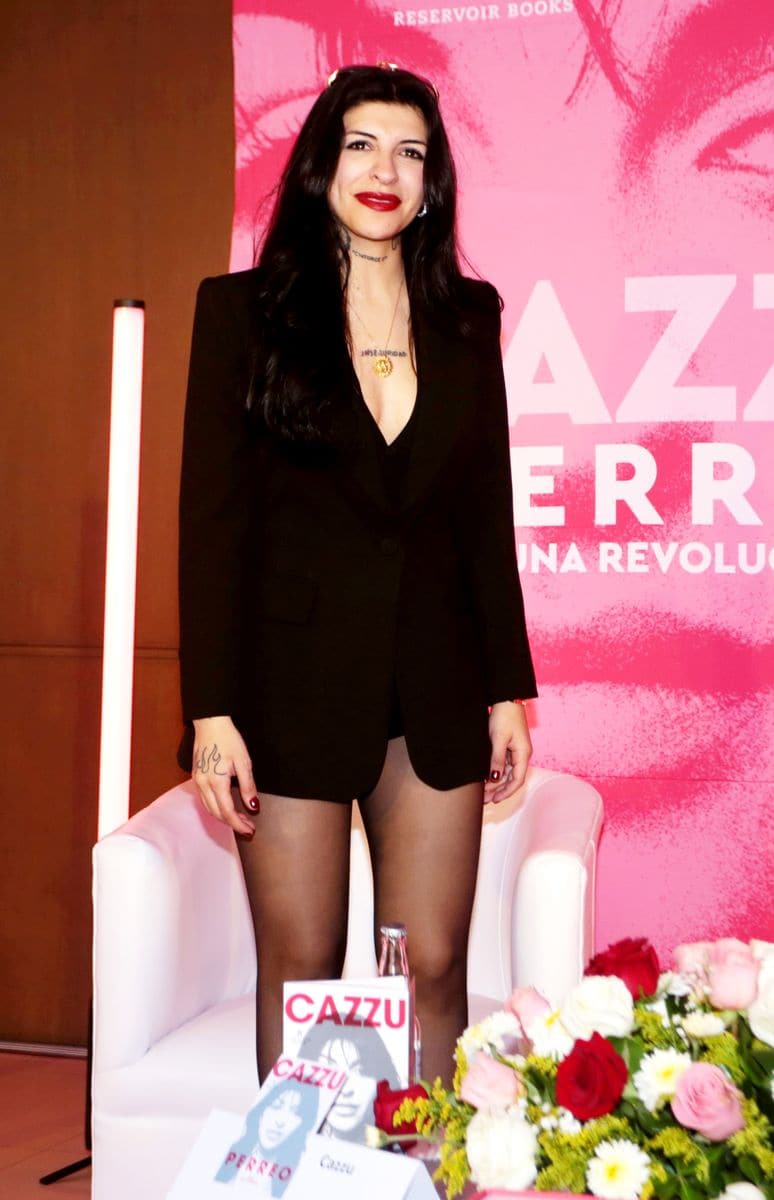 © Getty Images
Despite the backlash from some fans and industry figures, the singer insists she does not aim to please everyone. “I’m very proud of the audience that doesn’t agree with me. I don’t want everyone to love me because I don’t think that’s real. Are there artists loved by everyone? I don’t know. Sometimes people don’t agree with your message, your style, or what you think — and that’s okay.”
Balancing Public Life and Motherhood
The Argentine artist also spoke about how her life is often reduced to fragments that audiences see online. “A lot of things happen to me just like they happen to everyone else, but on the other side there’s this screen version of my life that people see.”
She emphasized that her current priority is acting with awareness and responsibility, especially as a mother. According to Cazzu, her daughter Inti understands more than many might expect. “She actually understands everything that happens, everything that mom does.”
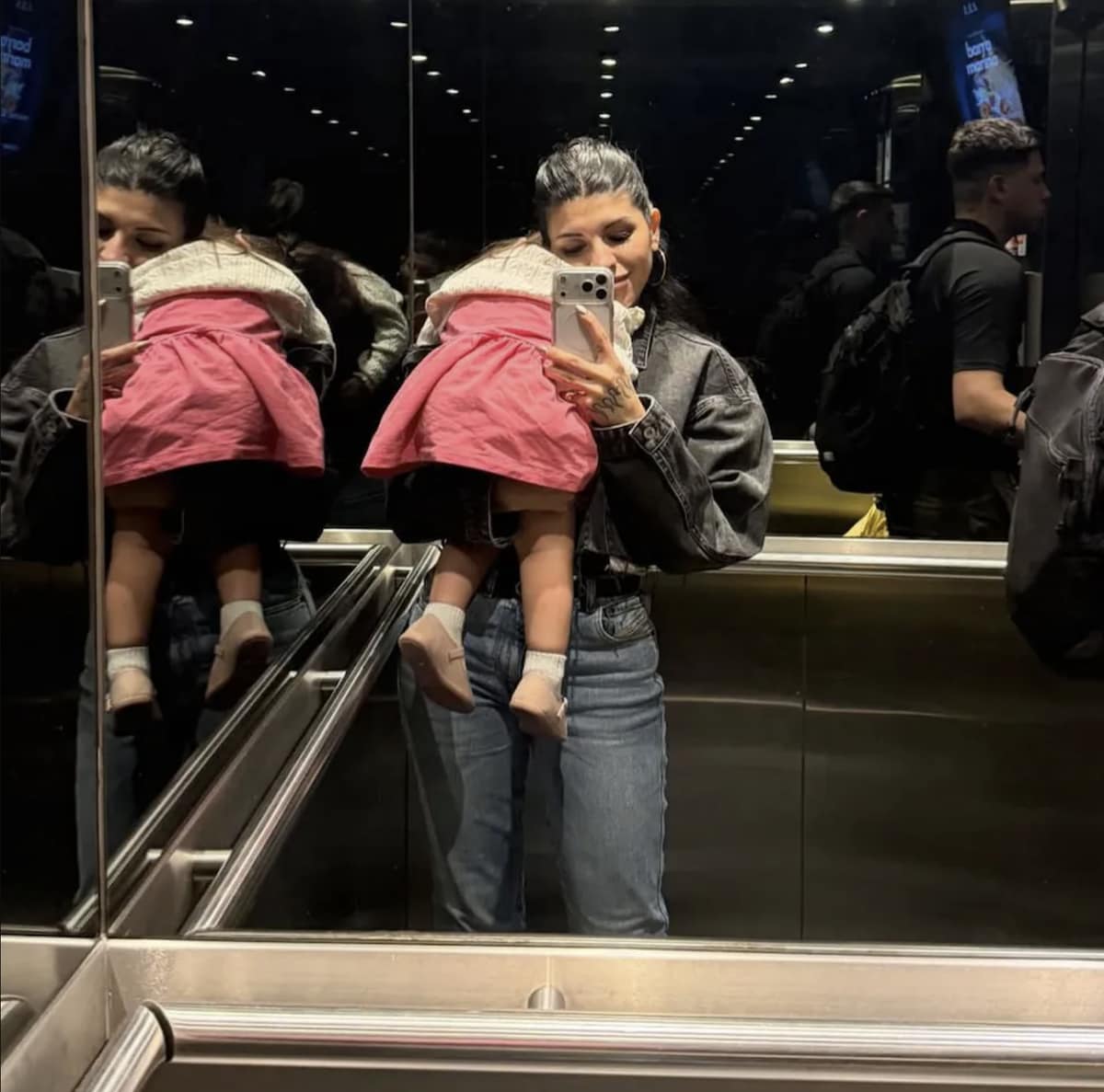 © @cazzu
As the discussion around the “Rosita” lyric continues, Cazzu’s message remains clear. She believes speaking openly about systemic issues in the industry is necessary, even if it generates criticism or divides public opinion.
Read the full article here