

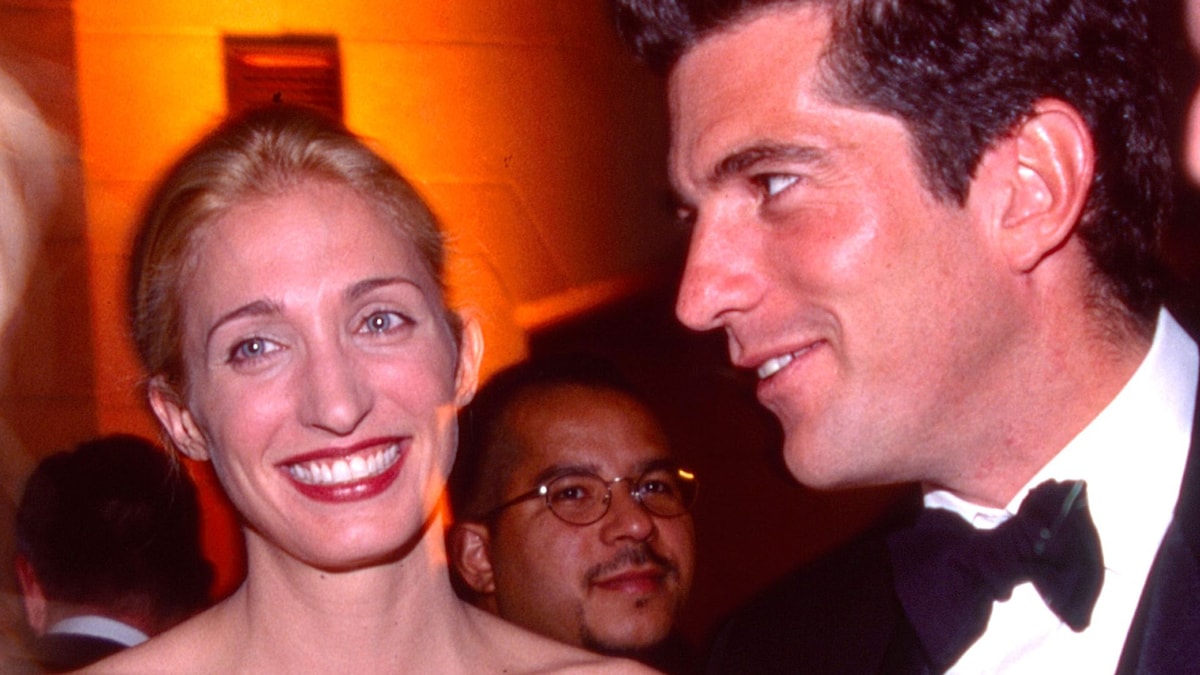

In the wake of the success of Ryan Murphy’s new series about John F. Kennedy Jr. and Carolyn Bessette, people who once moved within the couple’s orbit are pushing back, arguing that the glossy, tragic romance currently captivating viewers bears only partial resemblance to reality.
A certain fever has taken hold. Fashion editors, TikTok stylists, and television audiences alike have rediscovered Carolyn Bessette, the minimalist wardrobe, the icy blonde mystique, the improbable romance with America’s most eligible bachelor.
More than a quarter century after the 1999 plane crash that killed both Bessette and Kennedy, television has revived the legend of the couple once dubbed the “princes of New York,” restoring them to the cultural spotlight they dominated throughout the 1990s.
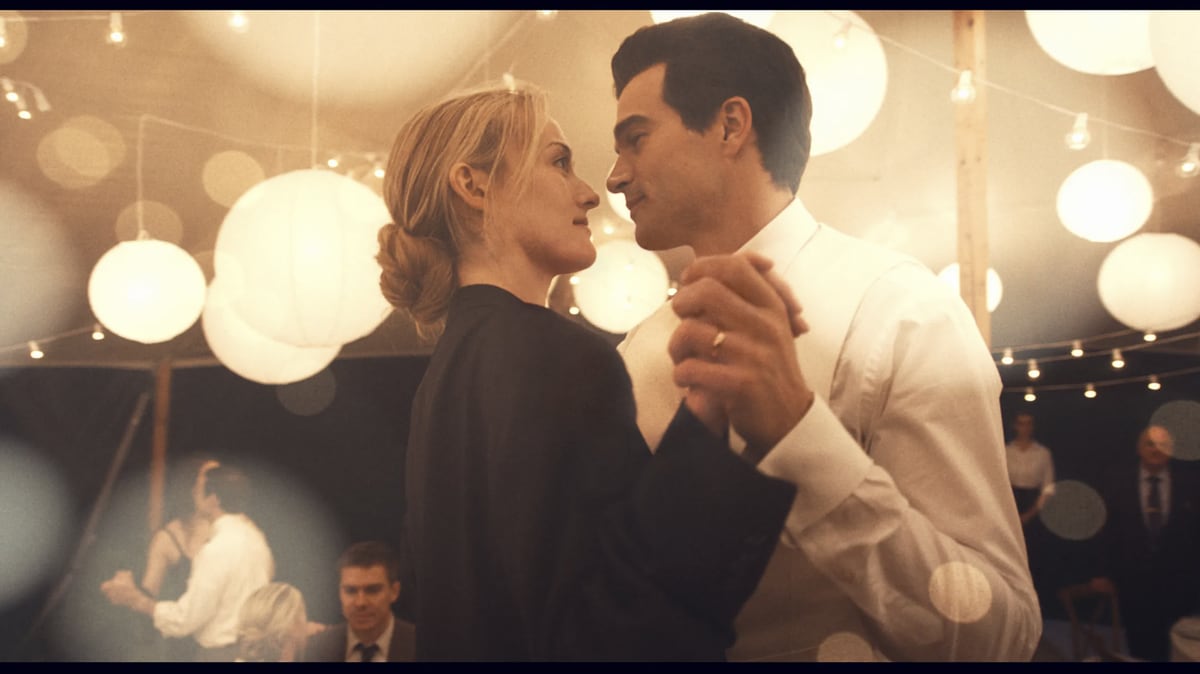
Murphy’s series, ‘Love Story: John F. Kennedy Jr. and Carolyn Bessette,’ now streaming on Disney+, has quickly become the platform’s most watched offering, accumulating more than 25 million hours viewed.
Yet with that renewed fascination has come a predictable backlash. Critics and former acquaintances insist the series’ portrait of its central figures, romantic, wounded, glamorous, leans heavily toward mythmaking.
Each episode opens with a disclaimer noting that the story is based on real events but that certain characters and moments have been dramatized for narrative purposes. Even so, the dramatization has stirred controversy.
 © FX
© FXAmong the first to respond publicly was actress Daryl Hannah, who dated Kennedy before he met Bessette. Speaking to The New York Times, Hannah rejected the show’s depiction of her behavior during that period.
Hannah stated that the actions attributed to her in the series are false. She said she has never used drugs as portrayed in the series, never organized parties involving drugs, never pressured anyone into marriage, and never desecrated family relics or intruded upon private memorial spaces.
Her remarks were followed by a series of less flattering recollections about Bessette herself, accounts that differ sharply from the reserved Calvin Klein publicist portrayed in Murphy’s version.
 © Lawrence Schwartzwald
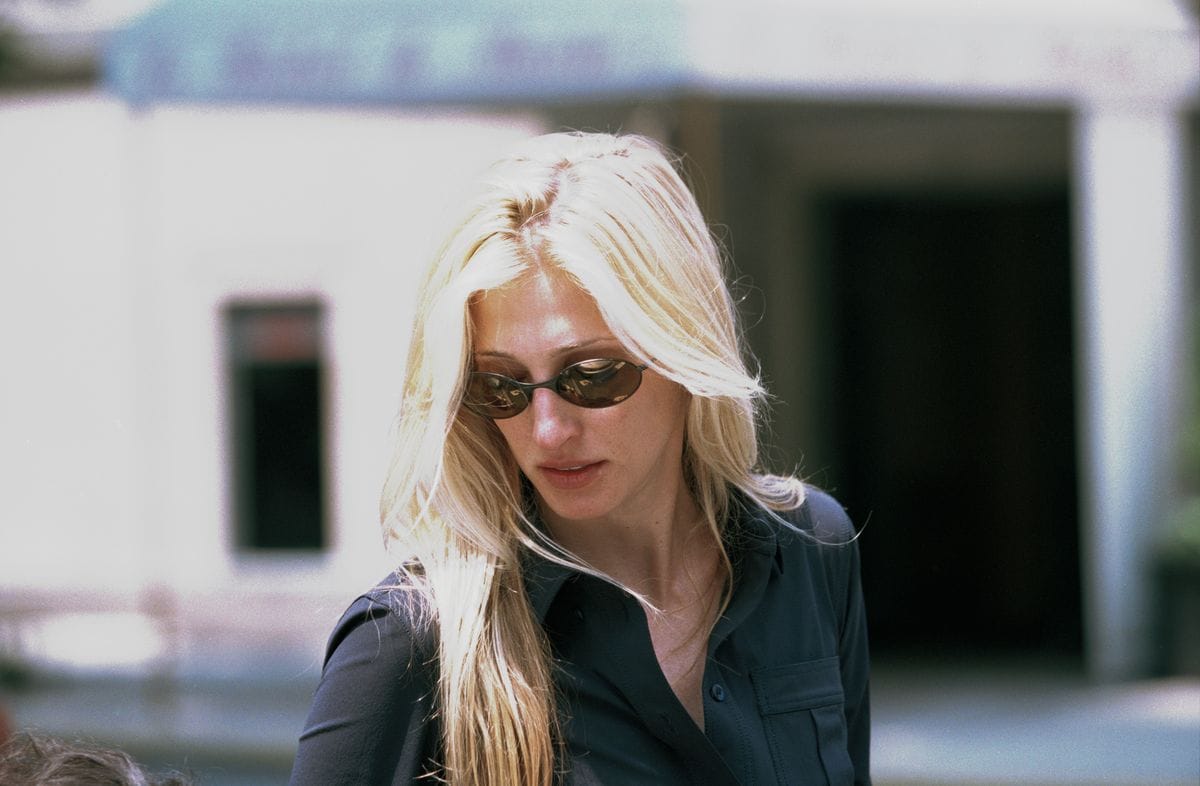
Journalist and biographer Maureen Callahan, author of ‘Ask Not: The Kennedys and the Women They Destroyed,’ recently published an article challenging the idealized image of Bessette presented in the series.
According to Callahan’s reporting, some former acquaintances claim that Bessette struggled with drug use and projected disinterest in marriage publicly while privately hoping to enter Kennedy’s social circle and eventually marry him.
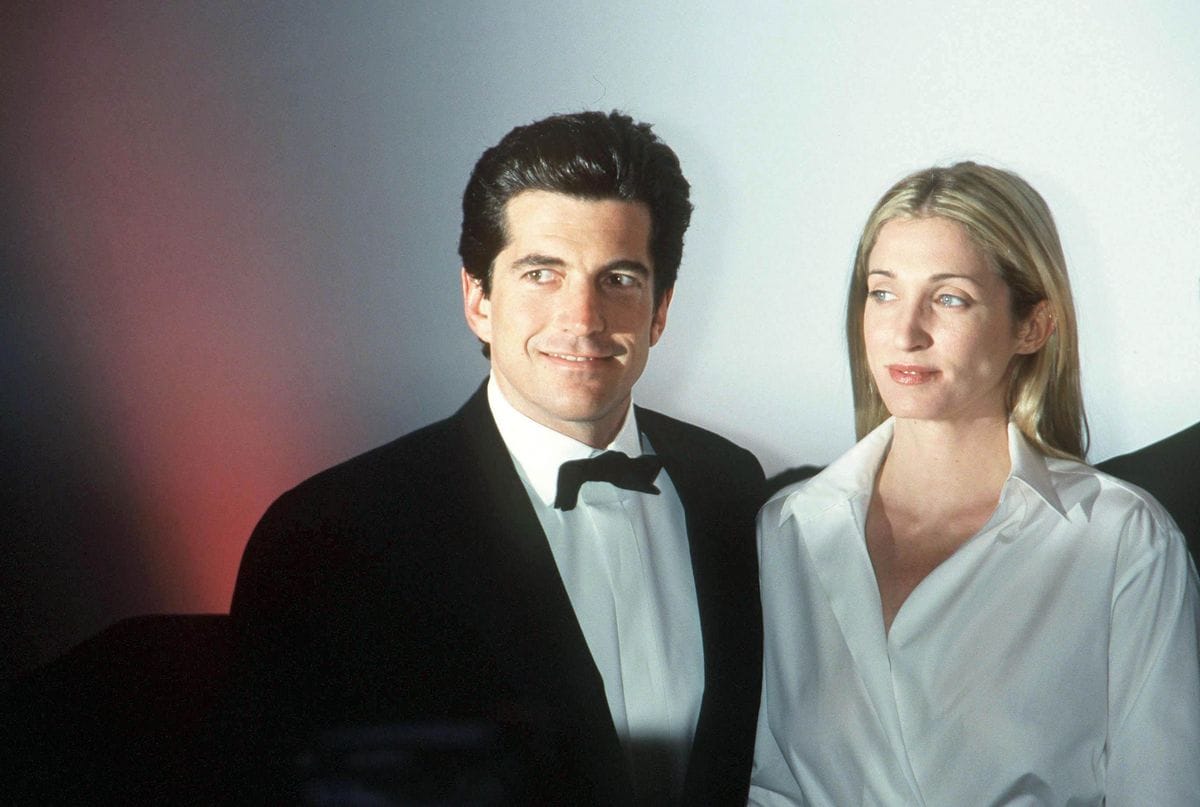
Callahan also cites recollections from Michael Bergin, a former Calvin Klein model who dated Bessette before her relationship with Kennedy. In his now out-of-print memoir, Bergin reportedly wrote that Bessette had two abortions during their relationship and later lost a pregnancy while she was dating Kennedy.
 © Arnaldo Magnani
Other accounts complicate the picture further. In ‘JFK Jr: An Intimate Oral Biography,’ artist Sasha Chermayeff, who attended school with Kennedy in Massachusetts, described his teenage years as involving daily marijuana use beginning around age fifteen.
She also suggested that other substances were present at times, characterizing that aspect of his life as something many people preferred not to discuss publicly.
Additional claims appear in ‘The Kennedy Curse,’ written by Edward Klein, which includes statements alleging that Bessette could sometimes behave aggressively toward Kennedy.
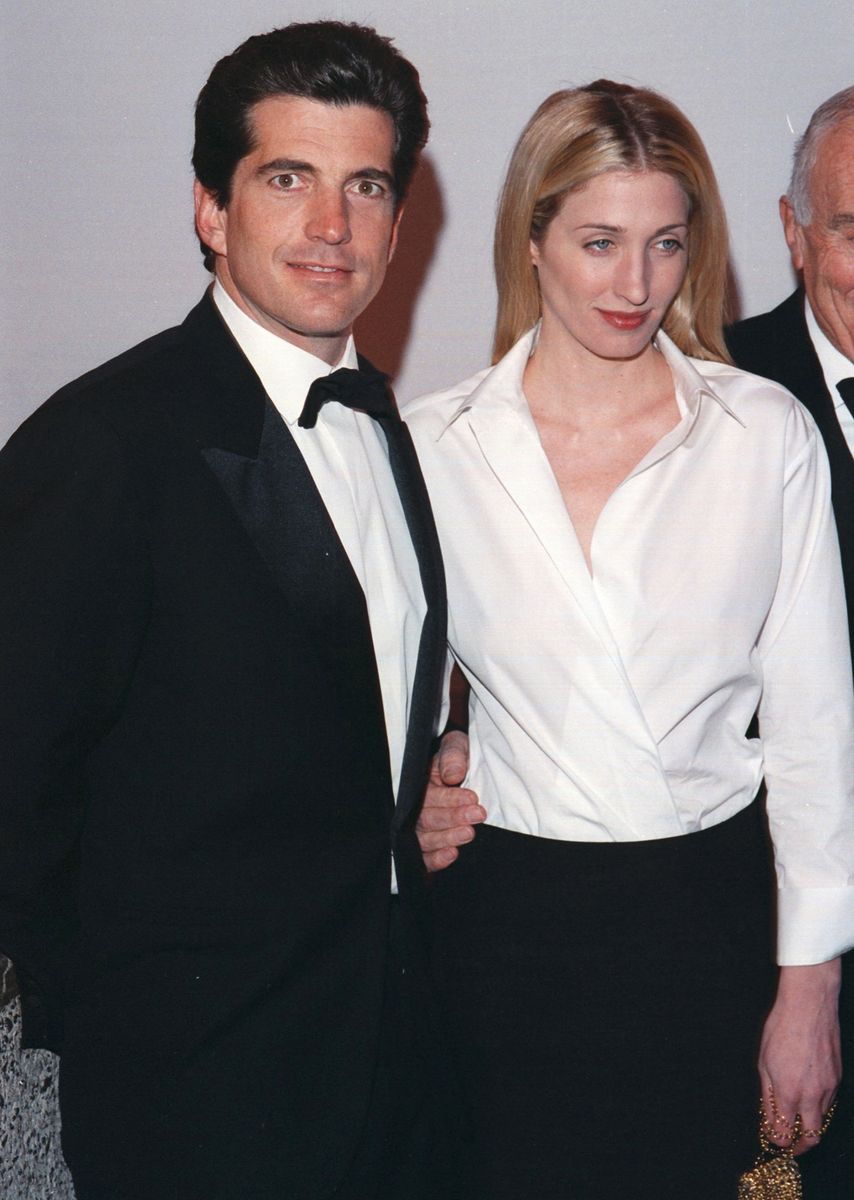 © RJ Capak
While Murphy’s series dramatizes a single heated argument between the couple in a park, some sources claim confrontations between them were more frequent.
Such assertions remain difficult to verify, though it is widely acknowledged that their marriage experienced periods of strain. Even Bessette’s professional past has come under renewed scrutiny.
In Murphy’s telling, her relationship with Calvin Klein is portrayed as warm and supportive. Other accounts suggest the bond cooled after Bessette chose not to ask Klein to design her wedding dress. Instead, she selected Narciso Rodriguez, then a relatively unknown design assistant within Klein’s own fashion house.
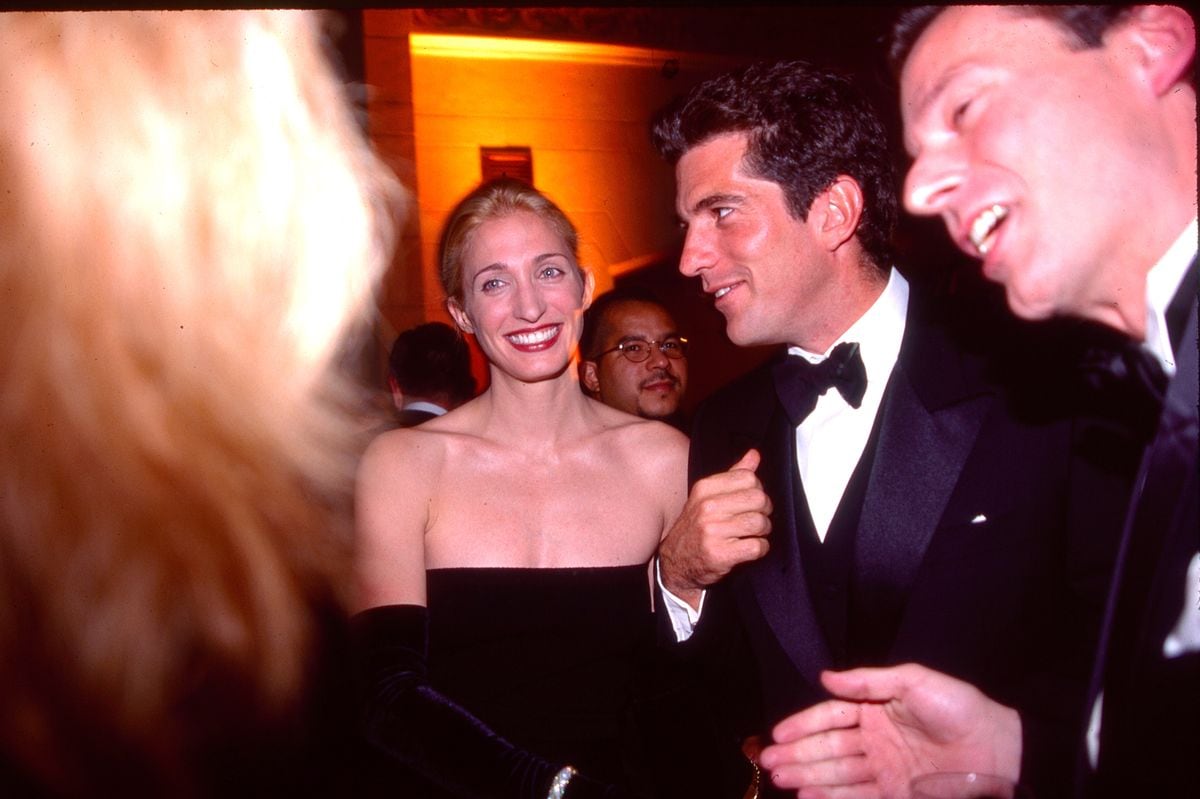 © Sonia Moskowitz
As is often the case with figures whose lives ended abruptly and publicly, the story of Carolyn Bessette now exists in competing versions. To some, she remains the embodiment of understated elegance, a fashion icon who married into America’s most storied dynasty.
To others, she appears more complicated, ambitious, volatile, and perhaps deeply unhappy. The truth, inevitably, lies somewhere behind closed doors that will never again open.
And it is precisely that uncertainty, the space between legend and memory, that continues to sustain the enduring fascination with Carolyn Bessette and John F. Kennedy Jr.
Read the full article here