

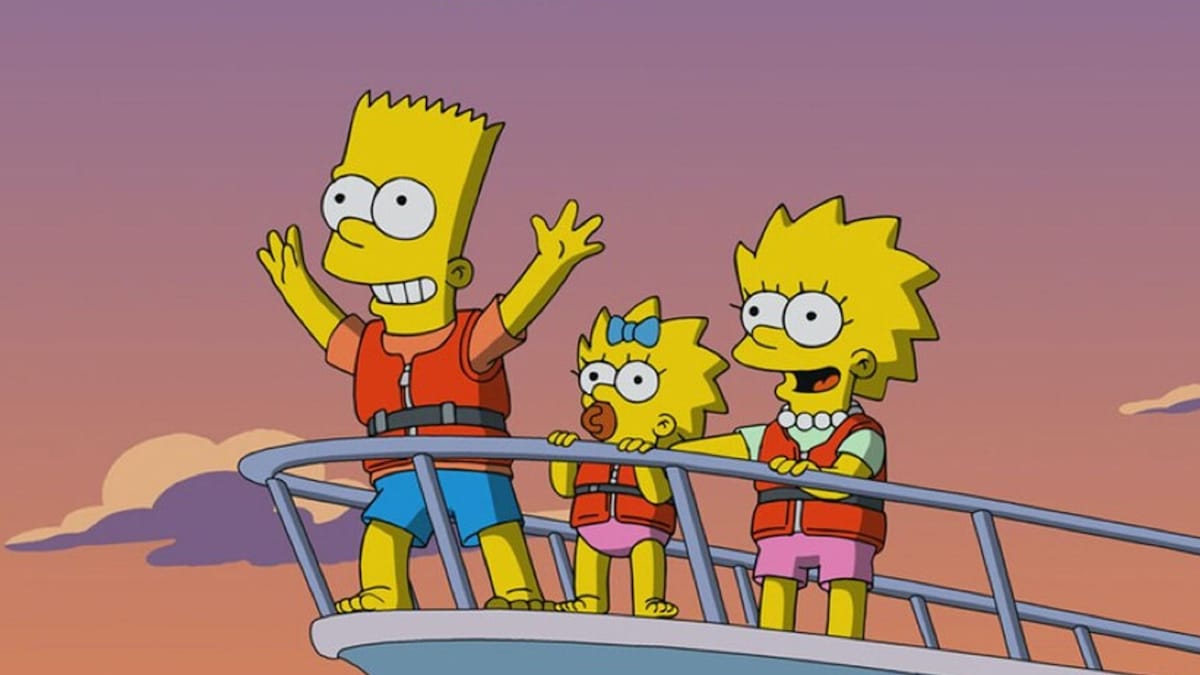

The Therians have taken the world by storm. Over the past weeks, a trend of teens and young people has taken hold of Spanish-speaking nations, with videos from countries like Argentina, Colombia, Spain, and the like, showing a trend that has people identifying with different animals. “The Simpsons” appear to have predicted this strange behavior.
In videos that have been circulating on TikTok and X, various scenes of “The Simpsons” have been featured, showing moments where famous characters of the series are depicted as humanoid animals.
One video shows Homer and Flanders peeking into a group of humanoid animals. They’re seen gathered around a fire as they smoke cigarrettes, scratch their ears like animals, and prowl through the jungle.
The video’s caption reads: “POV: Argentina right now.”
While “The Simpsons” never made an episode that directly references the therian phenomena, the gags and jokes have made for some funny memes.
Over the years, “The Simpsons” has predicted various topics and world events, among them, Donald Trump getting elected as President, Lady Gaga performing at the Super Bowl Halftime Show, Disney’s acquisition of 20th Century Fox, the NSA spying scandal, and more.
What you should know about the Therians
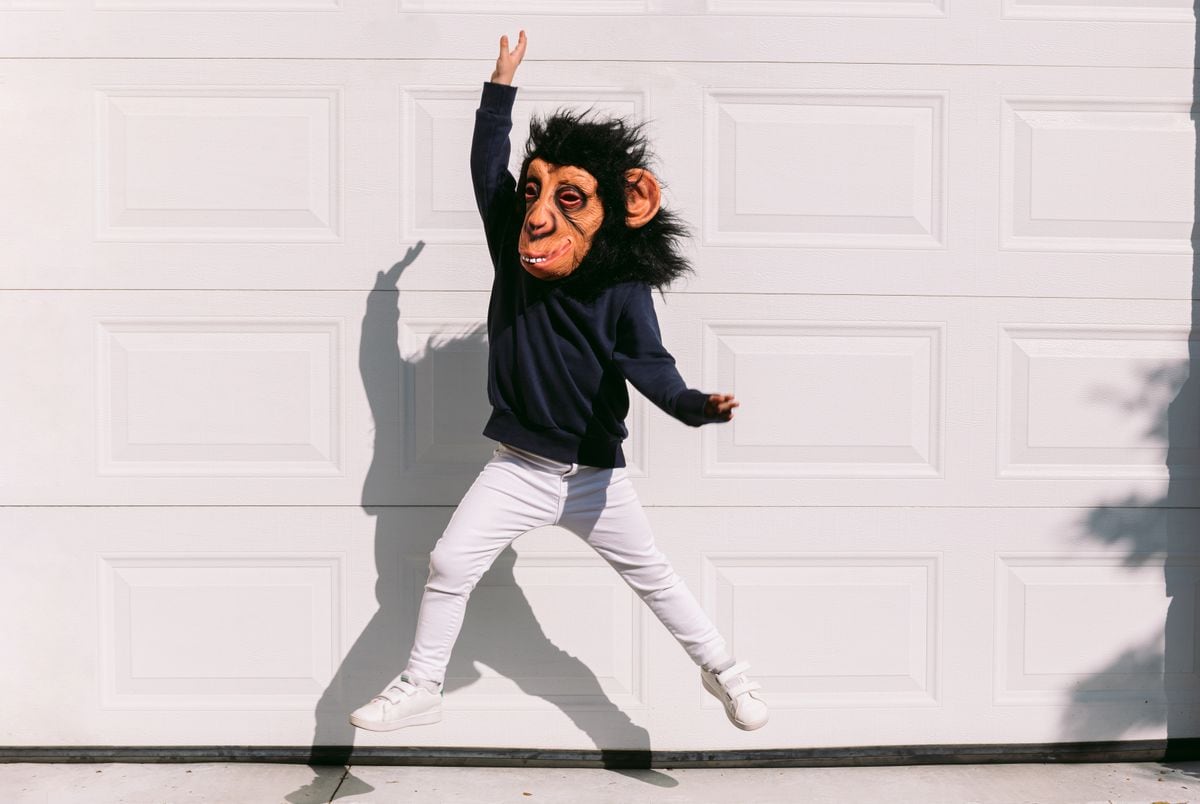
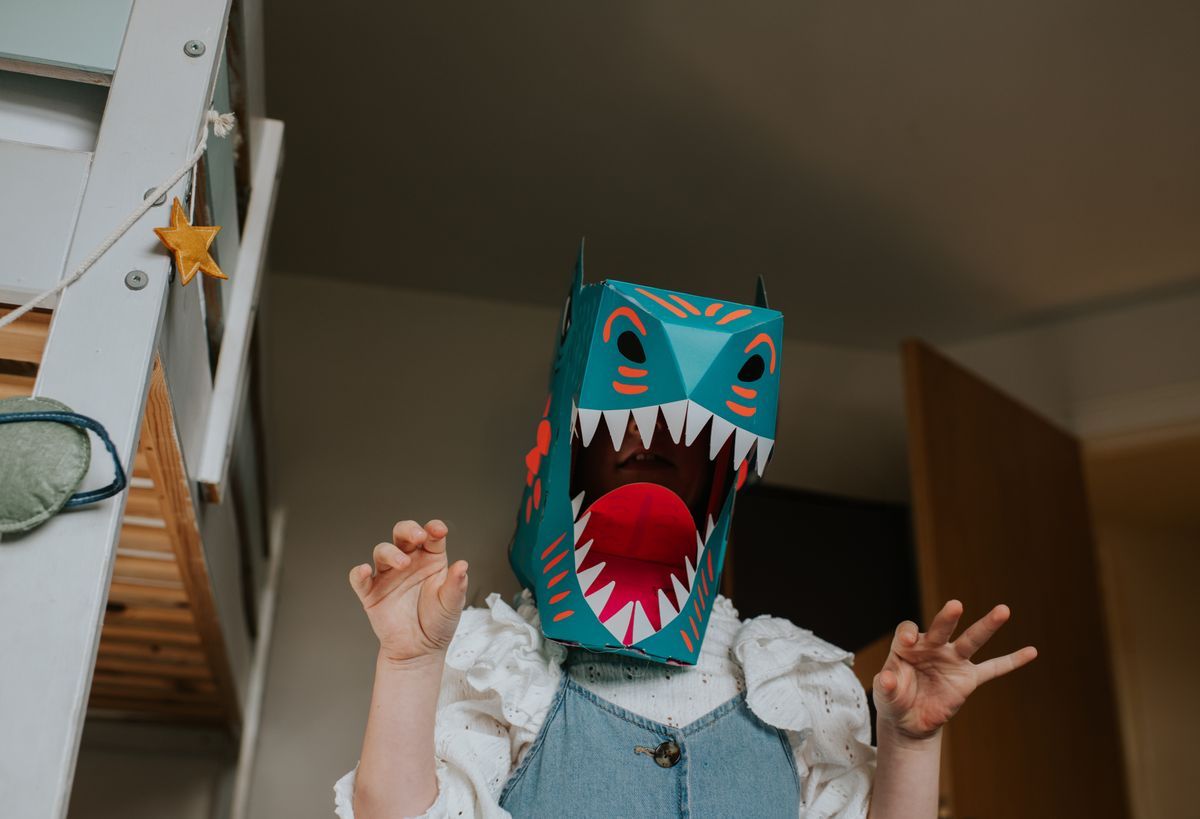
Therians are mostly made up of young people who adopt the label and find a deep connection with a specific animal, with these ranging from wolves, dogs, felines, and more. On videos shared online, mostly young men and women are seen imitating the behaviors of their animals.
According to a psychologist who spoke to HOLA!, therians can be compared to otakus, the group of people who dress up as manga characters and use these outfits to express themselves.
 © Getty Images
“We’re not talking about a disorder per se,” said Amaya Prado, a clinical child psychologist and member of the Madrid College of Psychology. “I believe it’s a way of searching for a shared or symbolic identity, connecting with the emotional or spiritual traits they associate with a particular animal.”
She shares that parents shouldn’t be too worried about these issues and that they should support their kids in any way they can. “They’re looking for spaces where they feel seen, where they’re not the only ‘different’ ones,” she said. “Feeling validated at this age is extremely important.”
 © Getty Images
Read the full article here