


In the early hours of April 8, 2025, at approximately 12:44 a.m., tragedy struck inside the Jet Set Nightclub in Santo Domingo, Dominican Republic. During a packed live performance by merengue artist Rubby Pérez, the roof suddenly collapsed, killing 236 people and injuring more than 180.
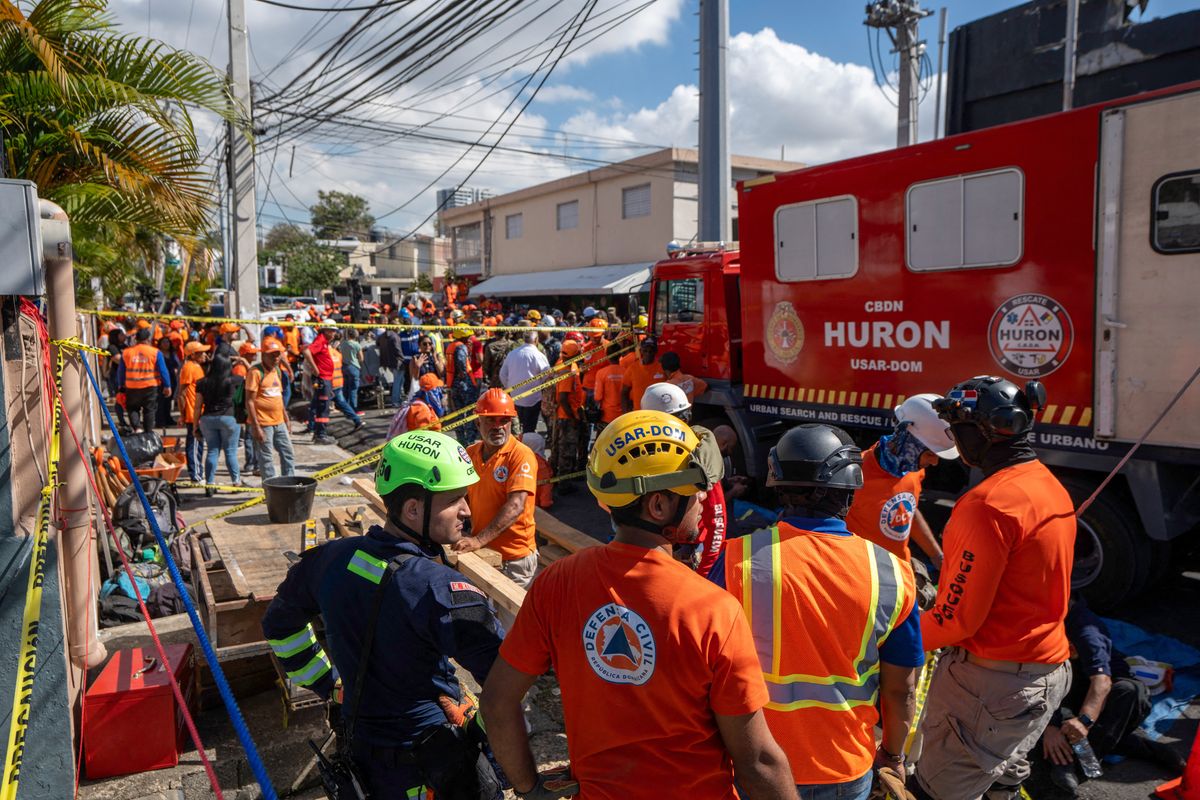
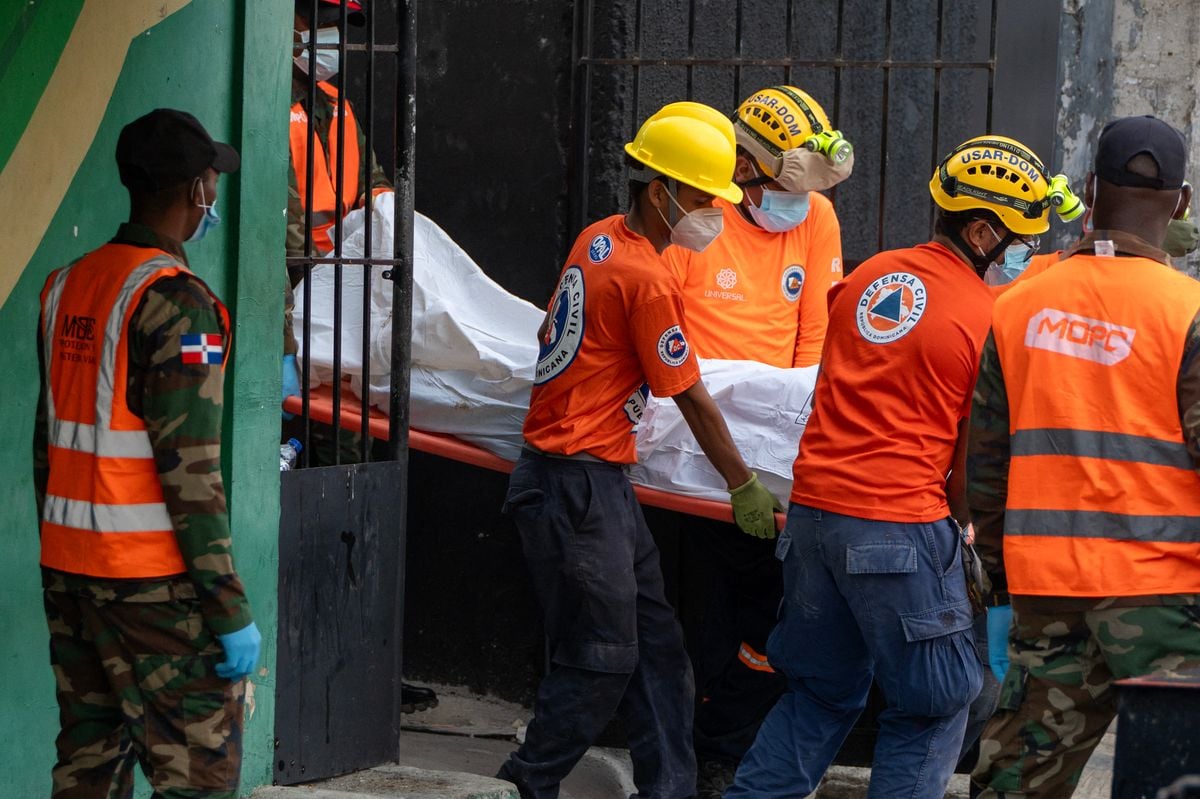
The scale of devastation was immediate. Emergency responders, hospitals, and volunteers mobilized within hours, turning the capital into a coordinated rescue zone. Over the following days, thousands of responders worked nearly nonstop, pulling 189 people alive from the rubble and continuing recovery efforts for nearly 59 hours.
By mid-April, the death toll had climbed into the low 200s, and grief quickly evolved into demands for accountability.
Roof Overload Identified as Core Cause
A preliminary forensic engineering report dated June 11, 2025, remains the most detailed technical explanation publicly available. Submitted to prosecutors and later circulated by local media, it concludes that the collapse pattern is consistent with structural failure caused by roof overloading.
Investigators identified multiple contributing factors tied to excessive weight on the structure. These included layered construction materials, totaling approximately 37.5 centimeters of finishing mortars, along with heavy rooftop installations such as air-conditioning units, water tanks, and ceiling systems.
 © AFP via Getty Images
The report also ruled out several alternative triggers at that stage of investigation. There was no evidence of seismic activity, abnormal weather conditions, or explosive materials linked to the collapse. This narrowed the focus squarely onto structural capacity being exceeded over time.
However, key gaps remain. The final version of the report, including appendices referenced in the preliminary findings, has not been publicly released. This leaves some technical details unresolved.
 © AFP via Getty Images
Legal Fallout and Ongoing Court Battles
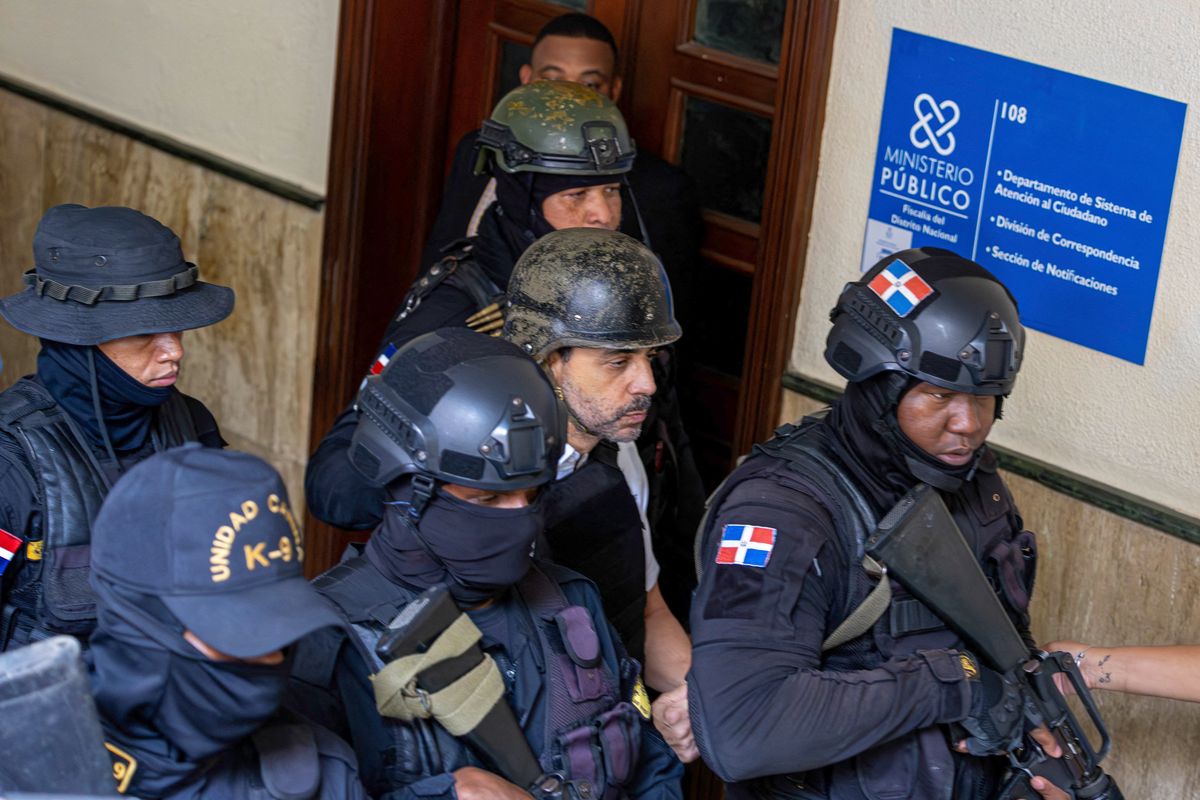
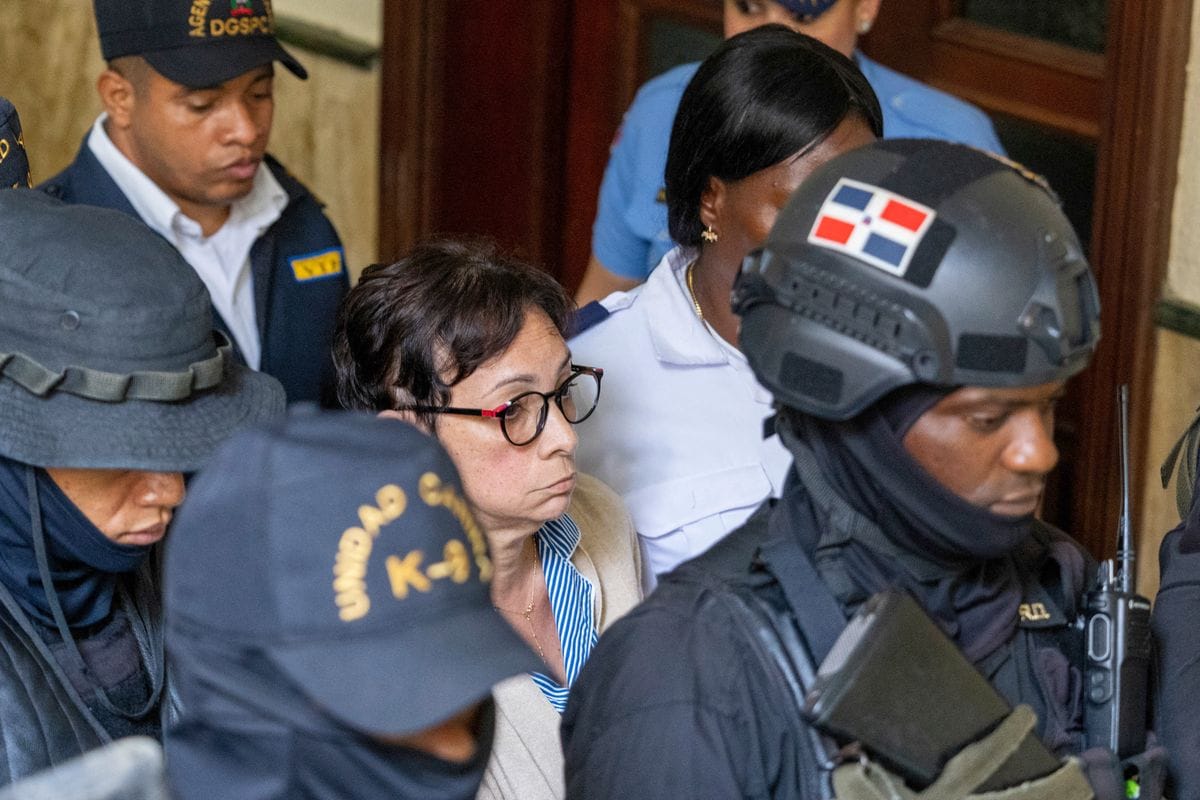
The legal consequences unfolded slowly. In June 2025, the club’s owners, Antonio Espaillat and Maribel Espaillat, were arrested and charged in a negligence-based criminal case.
By November 2025, prosecutors had filed formal charges, including involuntary manslaughter and related offenses. Civil lawsuits also multiplied, with dozens of families seeking damages and accountability.
 © AFP via Getty Images
 © AFP via Getty Images
The first major court hearing in March 2026 revealed deep public frustration. Victims’ families and lawyers expressed anger over delays and the pace of proceedings. The case remains active, with future hearings expected to shape both criminal liability and broader responsibility.
At the center of the legal debate is whether warnings were ignored, whether maintenance failures were systemic, and how responsibility should be distributed between private owners and public oversight systems.
Building Safety Reforms in the Dominican Republic
In the months following the disaster, Dominican authorities initiated significant changes aimed at preventing similar tragedies. One of the most notable developments was the formal presentation of the country’s first national Construction Code (CDCRD) in September 2025. The government described this as a major step toward strengthening inspection processes, enforcing compliance, and improving accountability in building practices.
 © AFP via Getty Images
Authorities also preserved debris from the collapse site for forensic analysis early on, signaling a commitment to understanding the failure in detail.
A critical issue highlighted in reporting is the previous lack of a dedicated agency responsible for inspecting private commercial buildings. This regulatory gap is now central to discussions about long-term safety reforms.
The Human Impact and One-Year Commemoration
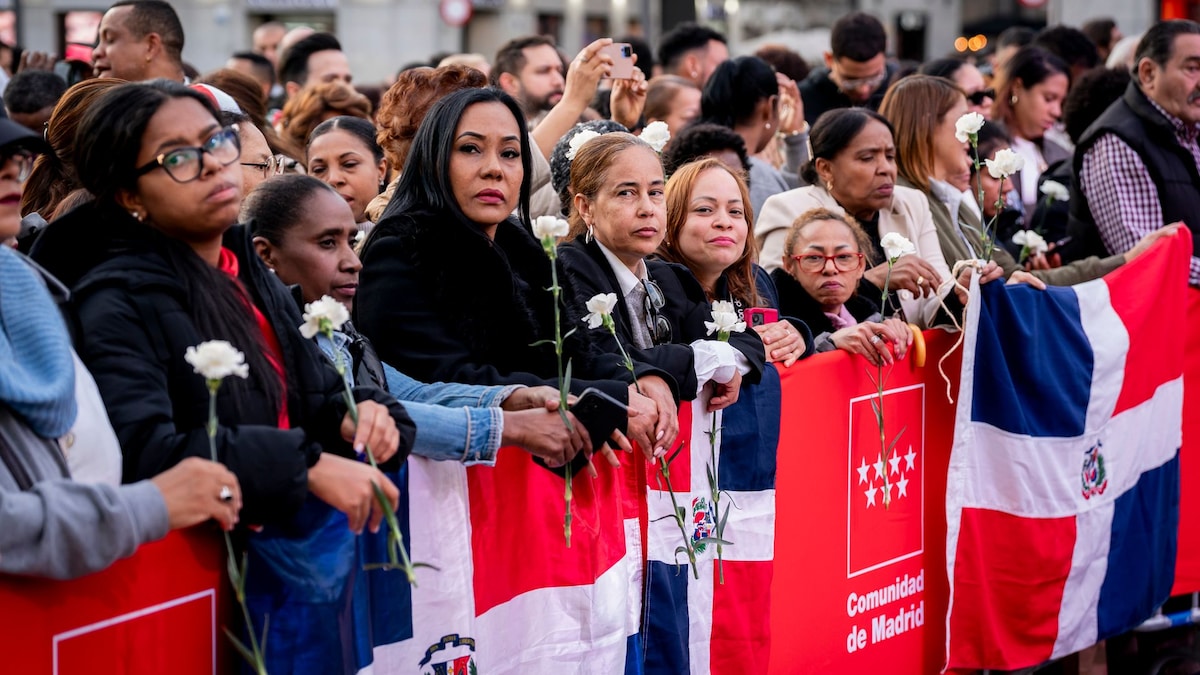
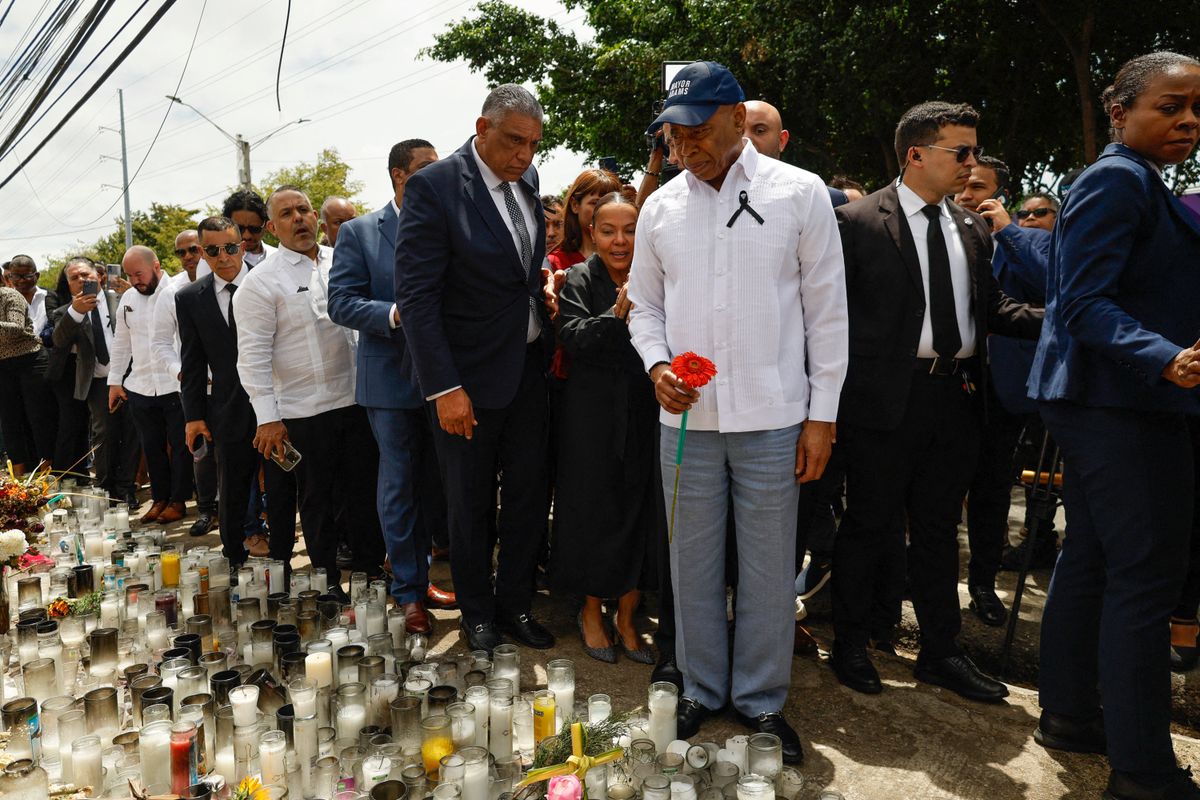
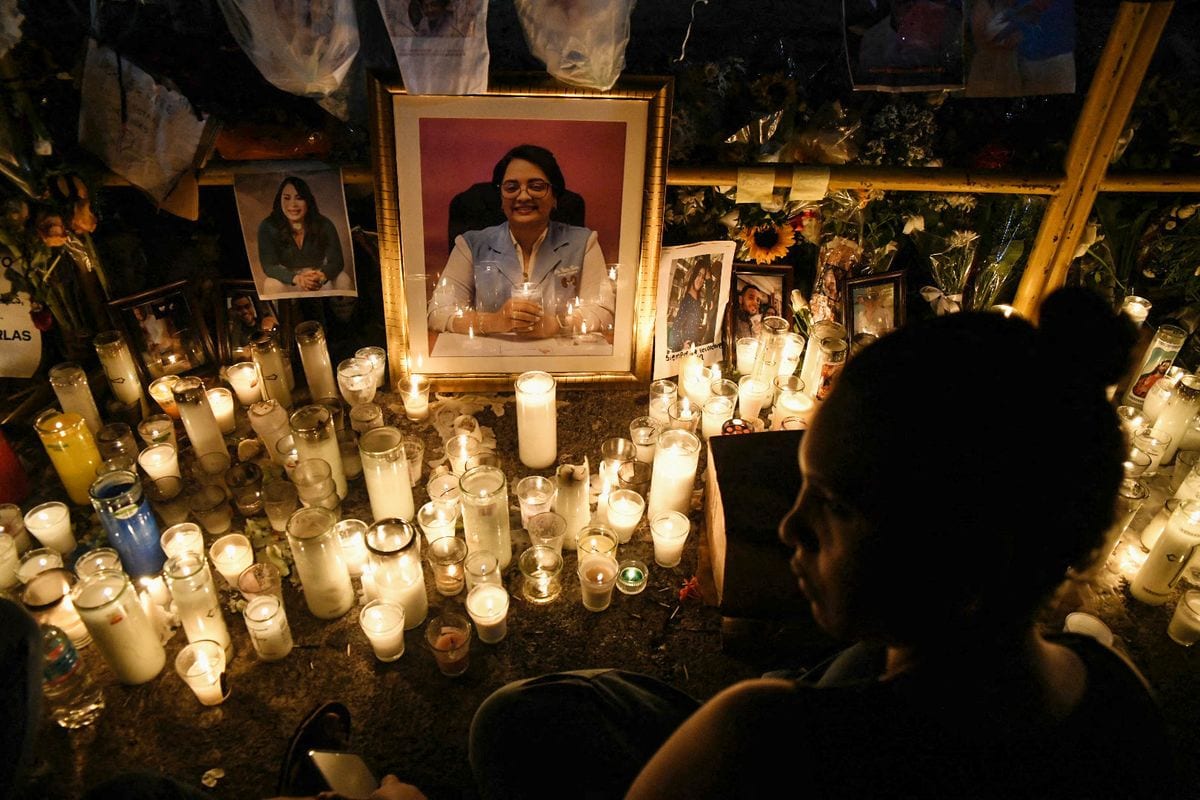
Beyond the technical findings and legal proceedings, the human toll remains profound. Survivors, families, and entire communities continue to navigate loss, trauma, and uncertainty. The first anniversary on April 8, 2026, was marked by official mourning in Santo Domingo.
 © AFP via Getty Images
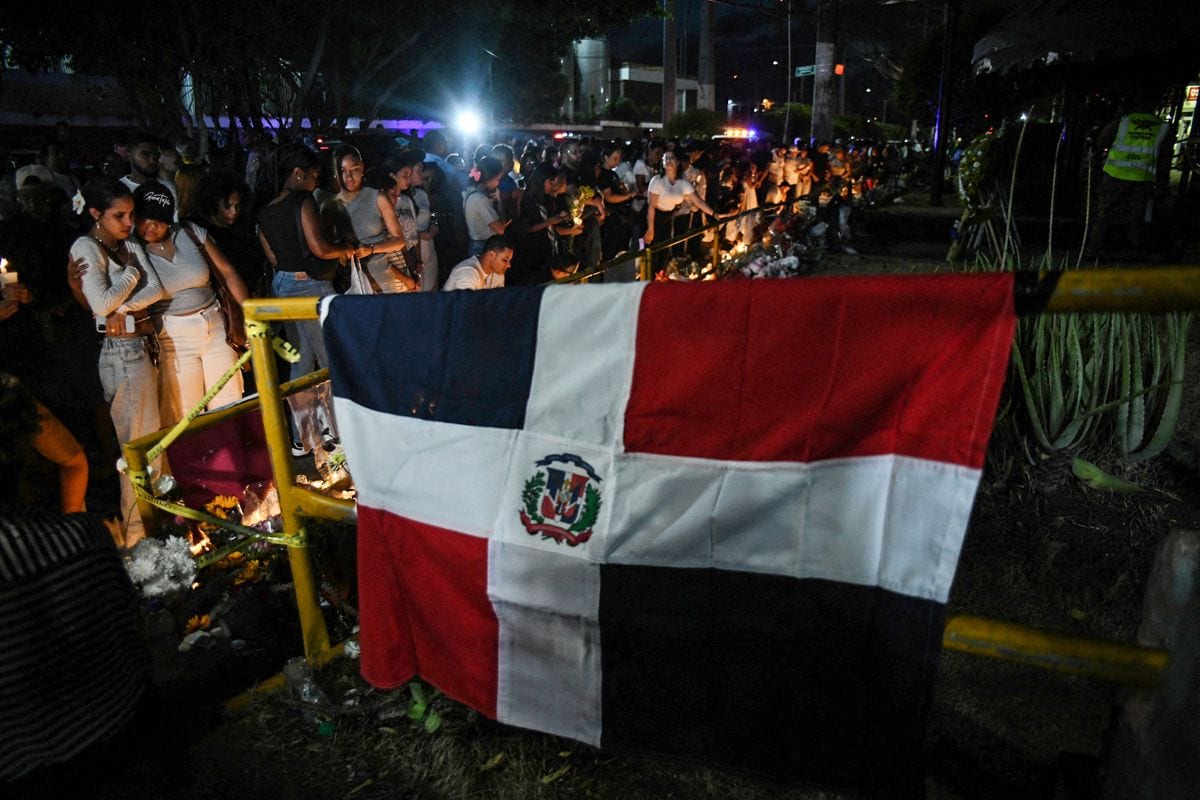
Municipal authorities organized candlelight vigils and religious services near the site, while flags were lowered to half-staff. Due to heavy rain in the capital, vigils were postponed to Apr 9, 2026.
 © AFP via Getty Images
The emotional weight of the disaster extends beyond the Dominican Republic, affecting diaspora communities worldwide. For many, the anniversary is not only about remembrance but also about justice and prevention.
The Night Dominicans Will Never Forget
Chaos took over Santo Domingo on April 8, 2025, when the roof of the famed Jet Set nightclub collapsed during a live performance by merengue star Rubby Pérez.
Among the attendees was Octavio Dotel, a name that rings bells in Major League Baseball circles. Known for his impressive 15-season career as a relief pitcher, Dotel played for a record 13 MLB teams, including the Houston Astros, New York Mets, and Detroit Tigers. He even snagged a World Series ring with the St. Louis Cardinals in 2011. Dotel was among the 236 victims who perished that night.
 © Getty Images
In addition, Nelsy Cruz, the governor of Monte Cristi province and sister to former MLB player Nelson Cruz, tragically lost her life in the collapse. Rubby Pérez and his saxophonist didn’t survive.
When disaster struck, the venue was reportedly packed with approximately 1,000 to 1,500 patrons. Emergency responders worked tirelessly, pulling survivors from the wreckage. The cause of the collapse is still under investigation, leaving many questioning the structural integrity of such establishments.
Read the full article here