

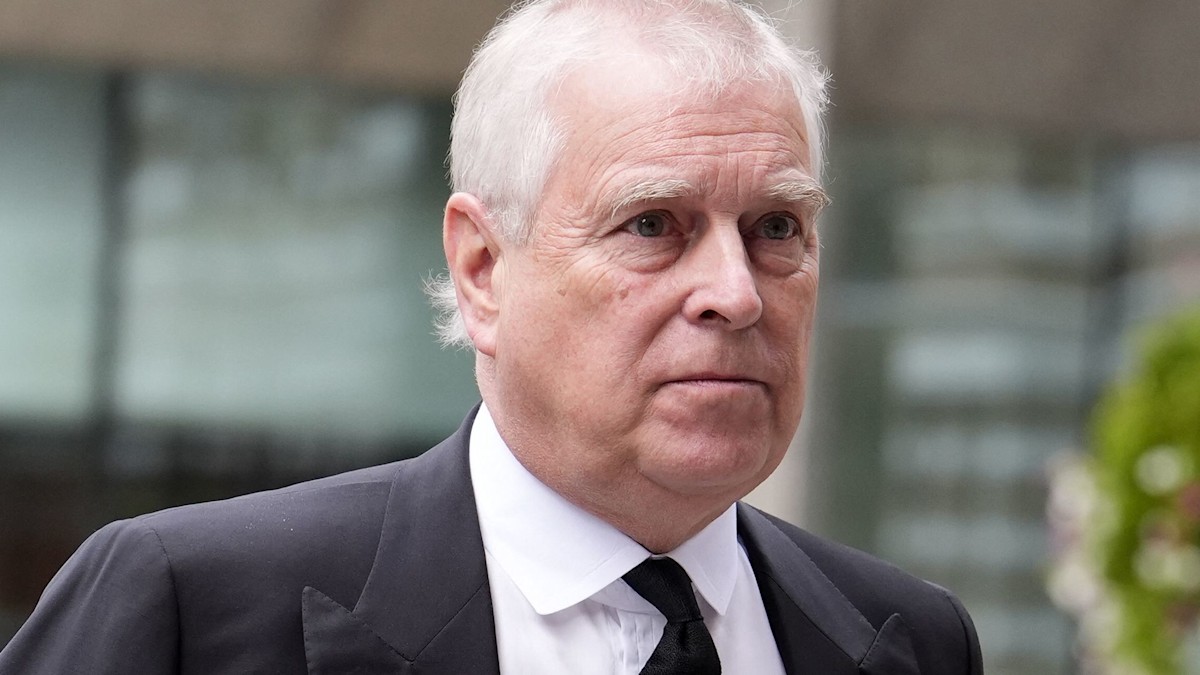

Andrew Mountbatten-Windsor remains eighth in line to the throne, despite a string of scandals relating to his friendship with the convicted sex offender Jeffrey Epstein.
Removing him from the line of succession would require an Act of Parliament approved by all 14 realms of the Commonwealth, where King Charles is the head of state. It would need to be approved by MPs and peers before being given royal assent by the King.
Australia, Canada and New Zealand have led the way in speaking out, backing the removal of the former Duke of York. Jamaica, and the Bahamas are among the others that would need to support it. Antigua and Barbuda, Belize, Grenada, Papua New Guinea, Saint Kitts and Nevis, Saint Lucia, Saint Vincent and the Grenadines, the Solomon Islands, and Tuvalu are the other Sovereign states needed to back it.
On Monday, the royal family is set to attend the annual Commonwealth Day service in Westminster Abbey. This year, it will be attended by senior royals, including King Charles, Queen Camilla, the Prince and Princess of Wales, and Princess Anne and her husband, Sir Timothy Laurence. Ahead of the service, the King released his traditional message, warning of the “increasing pressures of conflict” around the world.
What have the Commonwealth realms already said?
Over the weekend, the Canadian Prime Minister, Mark Carney, condemned Andrew’s behaviour as “deplorable” and said his actions “necessitate” his removal from the line of succession. He was responding to questions from reporters during the final day of his tour to Japan, adding that it’s due to a “point of principle”.
Last month, the Australian Prime Minister wrote to Sir Keir Starmer to say his government would back “any proposal” to remove Andrew Mountbatten-Windsor from the line of succession. In his statement to Prime Minister Sir Keir, Anthony Albanese said Andrew was facing “grave allegations”, adding: “Australians take them seriously.”
Mr Albanese’s letter read: “In light of recent events concerning Andrew Mountbatten-Windsor, I am writing to confirm that my government would agree to any proposal to remove him from the line of royal succession.
“I agree with His Majesty that the law must now take its full course and there must be a full, fair and proper investigation. These are grave allegations and Australians take them seriously.”
A spokesperson for UK Prime Minister Sir Keir Starmer confirmed the letter had been received and confirmed the government was “considering whether further steps are required in relation to Andrew Mountbatten-Windsor.”
They added: “Given the ongoing police investigation it would not be appropriate for the government to comment further at this stage.”
New Zealand would also back plans to remove Andrew from the line of royal succession. A spokesperson for Prime Minister Christopher Luxon said in a statement on 23 February: “If the UK Government proposes to remove Andrew Mountbatten-Windsor from the order of succession, New Zealand would support it.”
However, Deputy Prime Minister David Seymour said he did not think the issue was a high priority.
He told RNZ: “I think we’ve got 99 problems most New Zealanders are facing right now. So, of all of the things that you could ask me about or we could be worried about right now, that’s probably a wee way down the list.”
The former prince was arrested last month on suspicion of misconduct in public office after being accused of sharing sensitive information with paedophile financier Jeffrey Epstein while serving as the UK’s trade envoy. Andrew spent 11 hours in custody on his 66th birthday while officers searched his home on the Sandringham Estate in Norfolk before he was released under investigation.
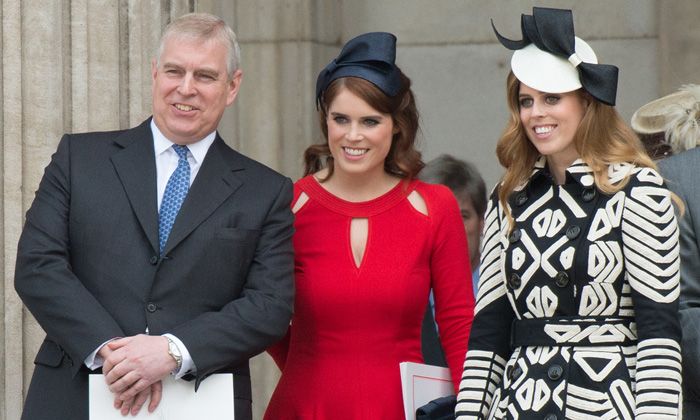
Andrew remains eighth in line to the throne, followed by his daughters, Princesses Beatrice and Eugenie, and grandchildren.
The last time a royal was removed from the line of succession was in 1936, following the abdication of Edward VIII. The line, which is the order in which the royal family inherits the throne, was last changed in 2013, when the Crown restored individuals previously excluded because they had married a Catholic.
Read the full article here