



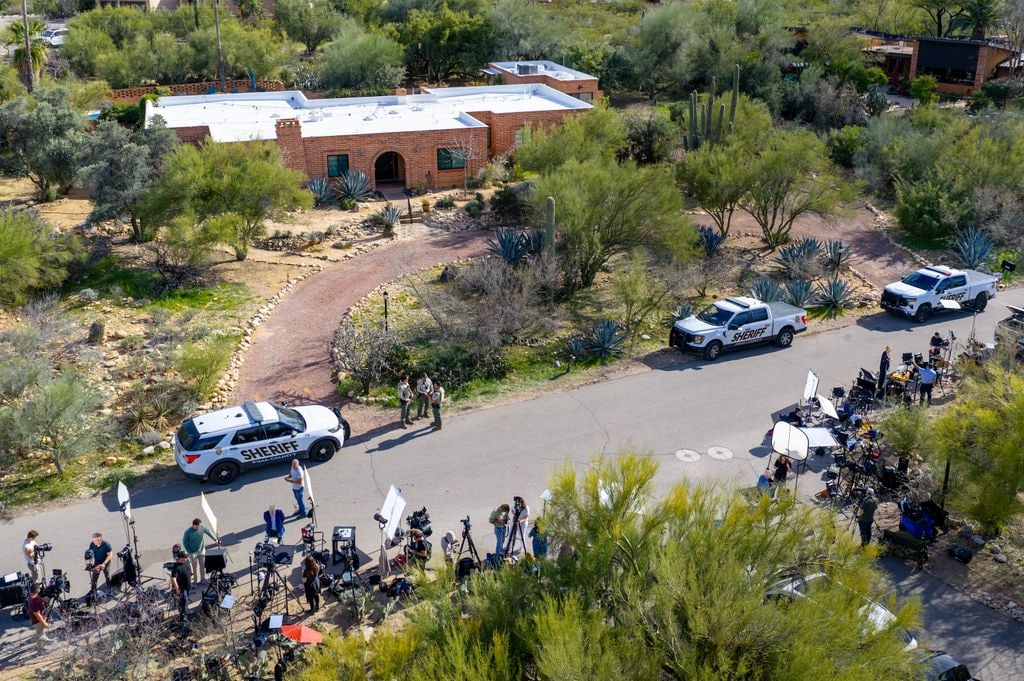
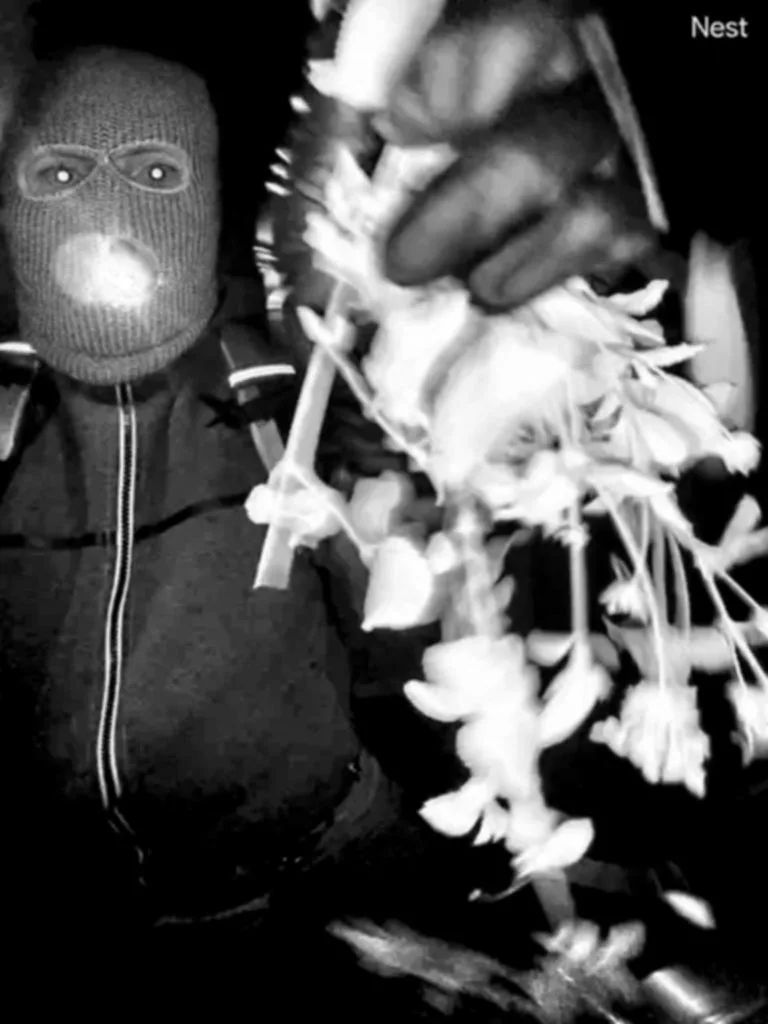
Three weeks after Nancy Guthrie was abducted from her Tucson home, investigators have revealed that DNA recovered from gloves found near the scene does not match DNA located inside the residence.
For some following the case closely, the update felt like a setback. But forensic consultant Dr Ron Martinelli says it should not be viewed that way. “No, it’s not a dead end,” he says plainly.
Dr Martinelli explains that DNA recovery from gloves depends heavily on how they were removed – and whether biological material was preserved inside. “You’re going to get the DNA from inside of the glove, not outside of the glove,” he says. “It really depends on how the person removes the gloves.”
If latex gloves are pulled off in a way that turns them inside out, the interior – where sweat and skin oils are present – may be better preserved. “When you sweat, you sweat water and you also sweat oil,” he explains. “So we can definitely get DNA from that.”
He notes that even if initial testing did not produce a match, advances in forensic science mean evidence can continue yielding results long after it is first collected.
 © Getty Images
“You’re starting to see now cases that are 30 years old that could not be solved before are now being solved because they’re running the cold case DNAs through the new DNA technology,” he says.
Beyond standard DNA comparisons, Dr Martinelli points to the growing role of genealogy databases in modern investigations.
“With genealogy, you may not get the person, but you’re going to get a relative of the person,” he says. “And then that really narrows down your search.” He adds that the key step will be ensuring any viable DNA is submitted to the FBI’s CODIS database.
 © Getty Images
“The key thing is eventually getting whatever DNA results we have to the FBI because they can do so much more with it,” he says, noting the bureau’s extensive national databanks.
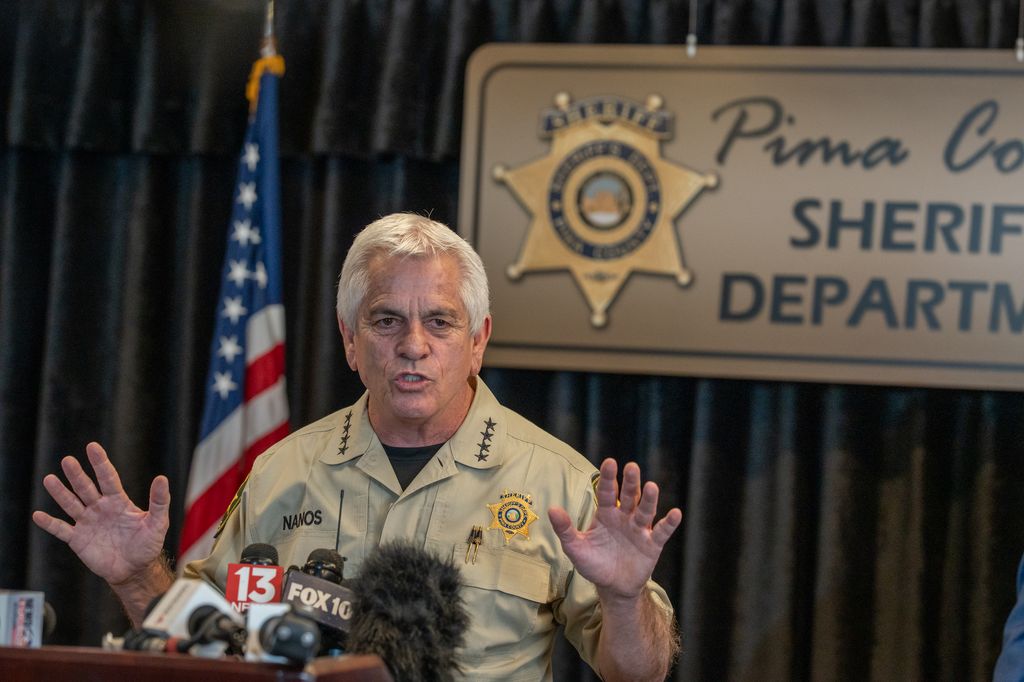
Dr Martinelli also addressed questions about why the sheriff’s office contracted with a Florida lab rather than using a local facility in Tucson.
“A lot of times you don’t go with your local state lab because they’re so backed,” he explains. “Municipalities contract out all the time.” He adds that agencies may seek out specific expertise. “Or they have a different skillset,” he says. “So you call in an expert.”
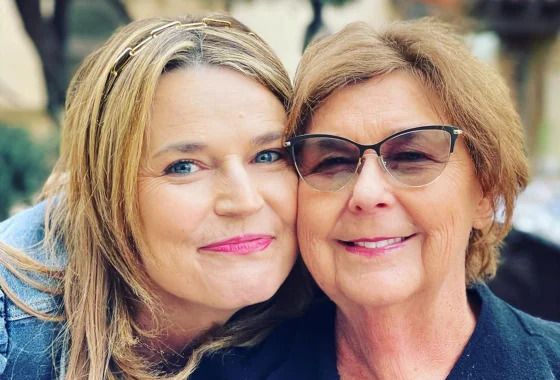
While the DNA findings are still developing, Dr Martinelli’s broader concerns about the case remain unchanged. “My impressions haven’t changed,” he says. “It still worries me. It still concerns me that we’ve had no proof of life after this many days.” He also notes that reported communications have not come directly from the alleged kidnappers.
“What are we not hearing from? We’re not hearing from the kidnappers,” he says. “This person could be an intermediary… but you’re not hearing from the kidnappers themselves. That’s very unusual.”
He compares the situation to kidnapping cases in other parts of the world. “In Europe, you get a proof of life and you hear from the kidnappers,” he says. “You always hear something from kidnappers and they always provide proof of life.”
 © FBI
© FBIThe absence of that communication, he says, is troubling. “No proof of life, no direct contact with the kidnappers. To me that’s worse.”
He also raises medical concerns given Nancy’s age and health. “Medically, this is a target because she’s elderly,” he says. “And she’s on medications… That has to be [considered].”
Despite the uncertainty, he says the investigative process, particularly with DNA, is rarely as simple as a single result. Evidence can be retested, databases can expand and technology improves.
 © Getty Images
And while the latest update may not have delivered the breakthrough many hoped for, Dr Martinelli maintains cautious optimism.
“Everybody, including myself, we continue to be hopeful that we will be able to get discovery back,” he says.
For now, investigators continue analysing new DNA reportedly recovered and reviewing every possible lead. And as the case enters its fourth week, Dr Martinelli’s final message remains clear: stay patient, and stay hopeful.
Read the full article here