

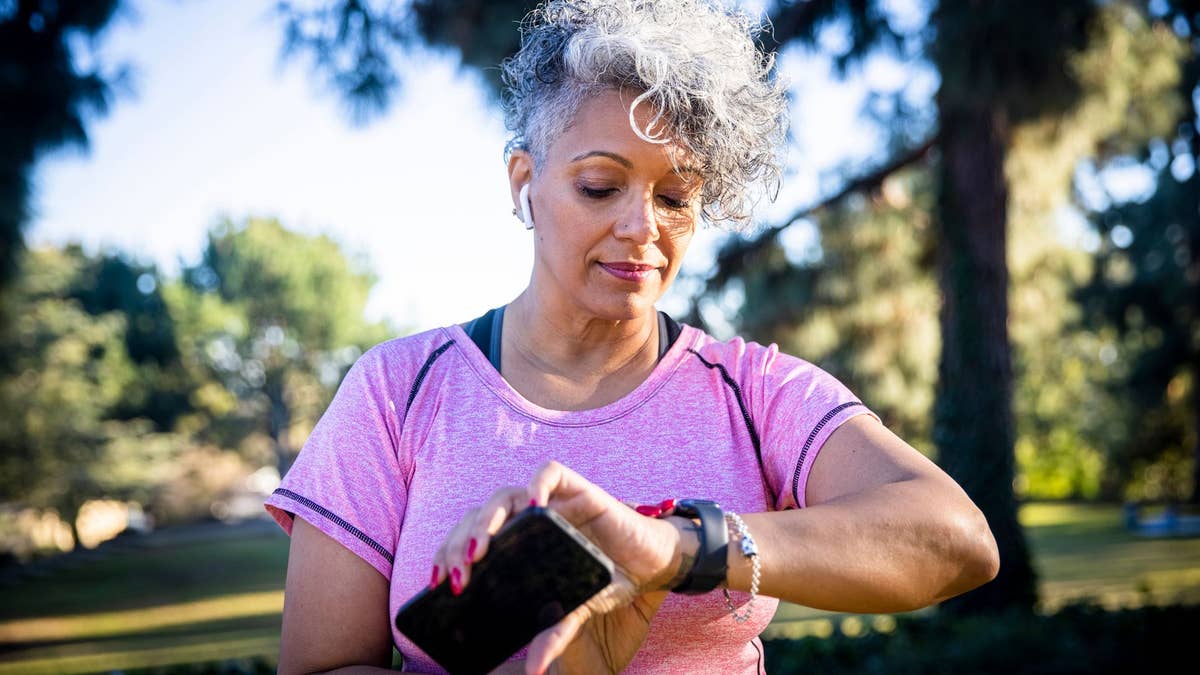

Simple, accessible and suitable for all ages, walking as a form of exercise is almost always a great option, whether for heart health or weight loss.
While the 10,000-step goal is the iconic target that has been a health mainstay for years, experts confirm the ‘magic number’ for joint health if you’re past the age of 60 is actually a lower amount: 8,000 steps.
Science of course has shown that people who walk regularly generally achieve better physical and mental health outcomes compared to those who lead a sedentary life, and a daily stroll has also proven to be a powerful ally for people battling rheumatic conditions.
As Dr Raquel Almodóvar, a specialist in rheumatology, explains: “A small change like walking can significantly improve the health of those living with rheumatic diseases. Not only does it help improve pain, fatigue and stiffness, it also aids in relieving joint burden, strengthening muscles and boosting your mood.”
Managing conditions through walking: Lupus to arthritis
Systemic autoimmune rheumatic conditions (known as SARDs) – which cover everything from lupus and scleroderma to Sjögren’s syndrome and vasculitis – as well as inflammatory arthritis, present a daily challenge for patients.
Because these conditions are long-term and cause widespread inflammation, they often lead to persistent pain, stiffness and exhaustion, which can significantly limit day-to-day activities.
While medical treatments have come a long way, it’s important to support these solutions with lifestyle-based approaches to truly improve well-being. Among these, physical exercise, and particularly walking, has proven to be one of the safest and most effective ways to manage symptoms and stay mobile.
The core benefits of a daily walk
“Walking is one of the most accessible and safest ways to stay active, and it provides a range of essential benefits for those living with rheumatic conditions,” says Dr Almodóvar. The specialist highlights several key ways that walking supports the body:
- Natural Anti-Inflammatories: Studies show that moderate exercise like walking stimulates the body to produce “exerkines” – natural anti-inflammatory substances. These help to dampen the chronic inflammation found in conditions such as rheumatoid arthritis, lupus, and Sjögren’s syndrome, as well as degenerative conditions like osteoarthritis.
- Easier Movement and Less Pain: Contrary to what many people think, movement does not damage the joints; instead, controlled activity strengthens the supporting muscles, which provides better stability, eases stiffness, and keeps your joints flexible.
- Building Stamina and Fighting Fatigue: Persistent exhaustion is a hallmark of many rheumatic conditions. Walking boosts your circulation and helps get oxygen to your tissues, making it a powerful tool for combatting that “drained” feeling.
- Protecting Heart Health: Because systemic inflammation can increase cardiovascular risk, walking is a vital preventative measure. It helps manage blood pressure, cholesterol and blood sugar levels, while also making weight management much easier.
- Stronger Bones: This significantly lowers the risk of developing osteoporosis.
- Better Gut Health: Gentle movement supports your digestion and helps maintain a healthy balance of gut flora (the microbiota).
- A Boost for Sleep and Mental Well-being: The release of “feel-good” hormones like serotonin and dopamine during a walk can help lower stress and anxiety. This also leads to better quality sleep, which is essential for the body’s recovery.
Dr Almodóvar highlights that clinical guidelines now view walking as far more as a simple health boost – it is actually a cornerstone of managing rheumatic conditions.
A consistent walking habit doesn’t just help us live longer; it ensures those years are spent with much more independence and fewer day-to-day struggles
In fact, a major review in Current Opinion in Rheumatology shows that regular activity, particularly walking, slows the progression of physical limitations in those with inflammatory arthritis and also improves their heart health and muscle strength.
How much should you walk to see a difference?
The question on everyone’s mind is exactly how long you need to walk to reap the rewards. As Dr Almodóvar explains, the ideal duration and frequency depend on your personal fitness levels and how your condition affects you day-to-day.
The World Health Organisation (WHO) recommends at least 150 minutes of moderate-paced walking a week – roughly 30 minutes a day, five days a week.
If you struggle with severe exhaustion or mobility issues, the doctor suggests a “little and often” approach: “It’s better to break your walk into shorter bursts throughout the day, for example, take three 10-minute strolls [rather than one long trek].”
“If you’re looking to push your fitness further, aiming for 300 minutes a week – an hour a day, five days a week – is an achievable goal,” says Dr Almodóvar. “However, for those starting from a very sedentary lifestyle, beginning with just 10 to 15 minutes daily and gradually building up is a fantastic strategy.”
Why 10k isn’t always the “Magic Number” for Steps
When it comes to step counts, there is a clear “sweet spot”:
- For those over 60: 8,000 steps a day is the ideal target.
- For those under 60: Aiming for 10,000 steps will help maximise the benefits.
Once you pass these numbers, some health benefits may seem to increase but others may decline. So, instead of trying to hit a dramatically higher number of steps, your time is better spent adding in different types of movement, such as strengthening exercises for your main muscle groups.
“The ultimate goal is to make walking a sustainable, long-term habit. Progressing little by little and focusing on consistency is far more important than intensity”
If you’re currently walking very little, don’t feel pressured to hit the big numbers immediately. Start with 3,000 to 4,000 steps and try to add an extra 1,000 steps to your daily total each week.
Finding the Right Pace
Is it better to power-walk or take a gentle stroll? According to Dr Almodóvar, “Any level of intensity, whether light, moderate or more challenging, is useful.”
“Walking at a pace that feels comfortable for you is a great option. Naturally, if you walk more slowly, you’ll need to walk for longer to get the same heart-health benefits as a brisk walk,” she explains.
“A ‘brisk’ pace usually translates to about 100 steps per minute, or a speed that allows you to hold a conversation without getting out of breath”
While a faster pace may be slightly more efficient, the doctor stresses it won’t make too much of a difference. “The most important factor is simply the total number of steps you clock up across the day or week, regardless of how intensely you’re moving.”
Precautions for walking with rheumatic conditions
While walking is generally safe, it is important to be mindful of your body’s signals. Dr Almodóvar suggests exercising caution if you notice symptoms worsening during your walk – such as sharp pain in the outer hip (often linked to bursitis or tendonitis) or heel pain (plantar fasciitis).
“Walking may sometimes be poorly tolerated by those with osteoarthritis or advanced arthritis or with inflammation of the joints that support the body’s weight – the hips, knees or ankles,” she explains.
 © Getty Images
In these instances, low-impact alternatives like swimming or stationary cycling are excellent ways to stay active without putting too much pressure on the joints.
If for you, walking is “very difficult or physically impossible”, the doctor recommends alternatives focusing on upper-body aerobic training and strengthening exercises to help you stay active.
What if the pain makes walking difficult?
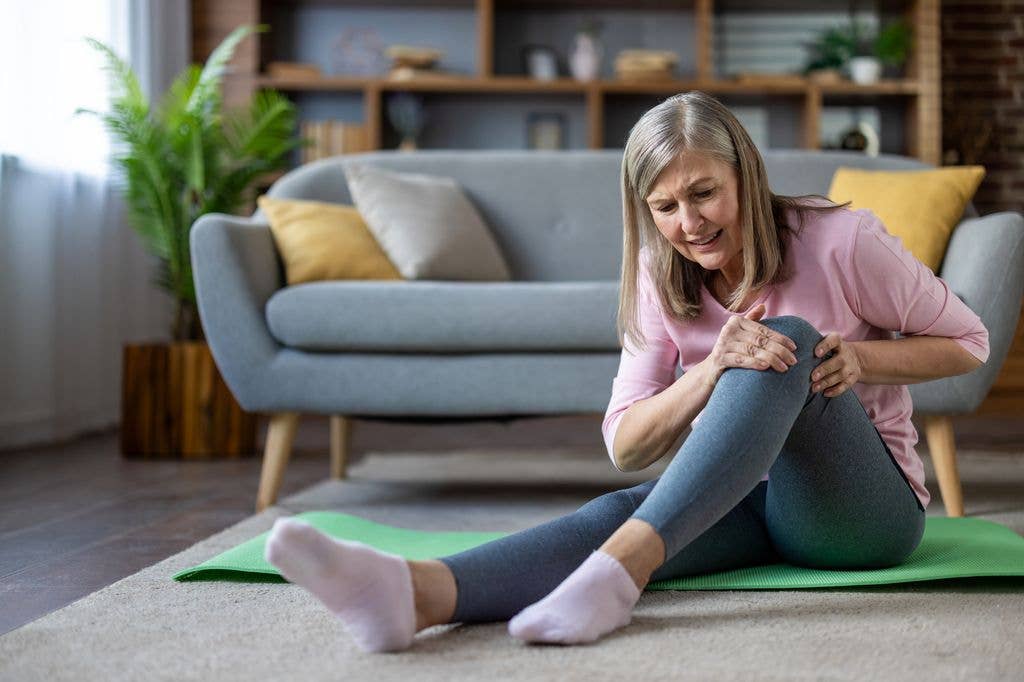
We all have days when a rheumatic condition makes even a short walk feel daunting. During a flare-up, the key is to adapt rather than stop entirely.
 © Getty Images
“When rheumatic diseases make it difficult to walk normally due to pain, inflammation or stiffness, you have to adapt your routine to avoid worsening your symptoms but at the same time, try not to lose the benefits of movement.”
If you are struggling with discomfort, try these strategies:
- Reduce the intensity and duration of the walk, opting for shorter, lower-impact sessions, such as walking indoors on a carpet or on flat, safe surfaces.
- Swap or alternate walking with other low-impact exercises, such as swimming, stationary cycling or aquatic exercises, which help with mobility and muscle strength without the heavy loading.
- If pain or inflammation is high, listen to your body and prioritise rest. Using heat or ice packs can be very effective depending on the type of ache.
- Don’t be afraid to use a walking stick or Nordic walking poles. They are brilliant for helping with movement and taking the pressure off your lower joints.
- Perform gentle stretching and joint mobility moves before and after your walk to help ease stiffness and improve flexibility.
If your mobility is severely affected or the pain persists, it is always best to consult your GP, rheumatologist or a physiotherapist. They can tailor a specific exercise or treatment plan to help you regain your functionality.
When walking is difficult – or even impossible – finding safe ways to move is the best way to protect your long-term joint health.
Choosing the right footwear
If you are living with a rheumatic condition, your choice of shoes is vital. Dr Almodóvar recommends well-cushioned trainers to help absorb impact and protect your feet, ankles, and knees. Ideally, the sole should be flexible yet supportive, offering stability without restricting your natural movement.
“It’s important that your shoes fit comfortably, without any pressure points that might cause rubbing or blisters,” she explains. “Look for a wider fit and breathable materials. A non-slip sole is also essential, especially if you struggle with balance or are worried about trips and falls.”
For those with specific issues like flat feet or joint alignment problems, orthotic insoles may make a huge difference
“I also suggest sticking to flat, even surfaces like pavements or park paths to minimise the risk of falling, rather than tackling uneven or muddy trails,” she adds.
How to make walking part of your daily routine
The goal is to turn walking into a sustainable, healthy habit rather than a chore.
- To get started, Dr Almodóvar suggests walking short distances at home, taking walk breaks during the day or taking advantage of everyday errands like shopping or walking the dog, to increase your steps without major effort.
- “It is also useful to establish a steady routine – pick a time of day when you feel the most agile, maybe first thing in the morning or after a light warm-up. Start with five- to 10-minute sessions and build up to around 30 minutes daily. You can break them up into smaller periods if that’s easier,” she notes.
- To help you stick to your new habit, walking with friends, family or a local walking group can provide a brilliant emotional boost. You can also pass the time with a podcast or audiobook.
- If the weather isn’t playing ball, don’t let it stop you. You can get your steps in by walking around a local shopping centre or using a treadmill at home or at the gym.
- Using a pedometer or a phone app is a great way to track your progress.
- Aim for that 8,000-step target, but try to keep an open mind. Adjust your goals, even if you have to lower them, based on how you feel each day so you don’t get too discouraged.
 © Getty Images
Exercises to pair with your daily walk
It’s worth looking at which other activities can support your walking routine to boost your overall health.
“As well as walking, there are several complementary exercises that can make a real difference for those with rheumatic conditions. These will help to build muscle, improve mobility and ease persistent stiffness and pain,” explains Dr Almodóvar.
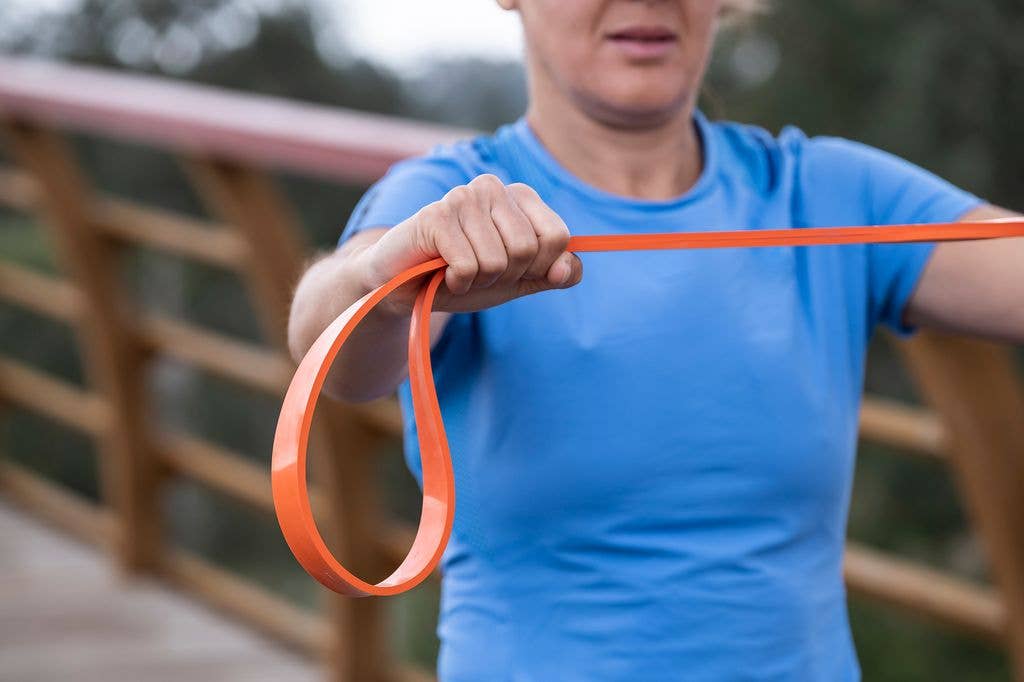
- Strength Training: Exercises using resistance bands or light weights are essential for strengthening the muscles that support and protect your joints.
- Flexibility and Mobility: Low-impact practices such as yoga or tai chi are highly recommended. These help you maintain your range of movement and are particularly effective at tackling the “morning stiffness” so common with rheumatic conditions.
- Balance and Stability: For older adults or anyone struggling with their balance, stability exercises – such as standing on one leg or using a fitness ball – can be incredibly helpful for preventing trips and falls.
The World Health Organisation (WHO) suggests doing these types of activities at least two or three times a week, alongside your walking, to get the best results.
“The secret is to choose exercises that your body tolerates well and that suit your specific needs,” Dr Almodóvar concludes. “The goal is to keep it up consistently – progress gradually at your own pace without pushing yourself into pain.”
About the expert:
Dr Raquel Almodóvar is a rheumatologist at the Hospital Universitario Fundación Alcorcón (Madrid), a representative for the Spanish Society of Rheumatology, and one of the coordinators of the ‘Reumafit’ programme.
Read the full article here