



Nature has delivered remarkable comeback stories before. From species once believed to be gone forever to ecosystems restored through years of conservation, recovery is possible with the right investment. Now, Lauren Sánchez Bezos and Leonardo DiCaprio are backing one of the most ambitious wildlife conservation efforts ever launched.
The Phoenix Species Project debuts with a $200 million commitment aimed at helping recover 100 critically endangered species across 30 countries. Backed by the Bezos Earth Fund and Re:wild, the initiative represents the largest single philanthropic investment focused exclusively on bringing species back from the brink of extinction.
What Is the Phoenix Species Project?
The Phoenix Species Project is a global conservation initiative created by the Bezos Earth Fund and Re:wild, the environmental organization co-founded by Leonardo DiCaprio and Dr. Wes Sechrest.
The project launches with $100 million from the Bezos Earth Fund and $100 million from Re:wild, supported by Leonardo DiCaprio, Age of Union, and the Todd Graves Family Foundation
Unlike many conservation grants that provide only short-term funding, this initiative is designed to deliver sustained financial support over several years, giving species the time and resources needed to recover.
The program will work alongside Indigenous Peoples, local communities, conservation scientists, governments, and more than 100 partner organizations to implement tailored recovery plans for each species.
Lauren Sánchez Bezos Says the Goal Is Recovery, Not Decline
Lauren Sánchez Bezos, Vice Chair of the Bezos Earth Fund, emphasized that the project is about changing the conversation around endangered wildlife. She pointed to the emotional connection children naturally have with wild animals and questioned what future generations would lose if those species disappeared forever.
 © Courtesy
According to Sánchez Bezos, the initiative is focused on recovering species rather than simply slowing their decline. “Kids fall in love with animals before anyone tells them those animals are disappearing. Ask any seven-year-old about their favorite creature. It’s something wild. Something most adults have never heard of. What do we tell them when the night parrot or the golden-crowned sifaka isn’t there anymore to fall in love with? This project is our answer,” said Lauren Sánchez Bezos.
Adding: “One hundred species, thirty countries, and a real commitment to bringing them back. Not managing their decline. Recovering them. That’s the whole difference. We know how to do this. We just have to stay committed long enough to see it through.”
Leonardo DiCaprio Calls for a New Approach to Conservation
Leonardo DiCaprio described endangered species as essential parts of healthy ecosystems.
He said decades of research have shown that protecting species on the edge of extinction also safeguards forests, wetlands, grasslands, and oceans that support climate stability and biodiversity.
 © Joe Maher
“For decades, scientists, Indigenous Peoples, local communities, and conservation leaders have been on the front lines of protecting nature, and what has been made clear through research, is that species on the brink of extinction are often the ones that anchor some of the world’s most important ecosystems,” said Leonardo DiCaprio.
DiCaprio believes the Phoenix Species Project has the potential to reshape global conservation efforts by demonstrating what sustained investment can accomplish.
 © Getty Images
He also expressed hope that the initiative will inspire additional donors to support wildlife recovery around the world. “When we protect those species, we also protect the forests, wetlands, grasslands, and oceans they depend on. The Phoenix Species Project has the potential to drastically shift how we approach conservation and combat the climate crisis at a global scale. By creating the largest philanthropic initiative in history dedicated to the recovery of critically endangered species across continents, made possible by a transformative gift from the Bezos Earth Fund, we have an opportunity to make a lasting impact where it’s needed most. The goal is for the Phoenix Species Project to become a global movement that inspires others to invest in nature and help protect our planet,” he added.
How the $200 Million Will Be Used
The Phoenix Species Project will fund recovery strategies tailored to each animal or plant.
These efforts may include:
- Conservation breeding programs
- Habitat restoration
- Disease management
- Translocation of species into safer habitats
- Head-starting programs for young animals
- Removal of invasive species threatening native wildlife
Scientific oversight will be achieved through collaboration with the IUCN Species Survival Commission, ensuring that recovery plans adhere to the highest conservation standards.
 © Getty Images
The project will also measure population growth and reductions in threats, publishing progress updates through its website and social media channels.
100 Species Across 30 Countries
The Phoenix Species Project spans an extraordinary range of wildlife and plant life.
The selected species include:
- Mammals
- Birds
- Amphibians
- Reptiles
- Fish
- Invertebrates
- Plants
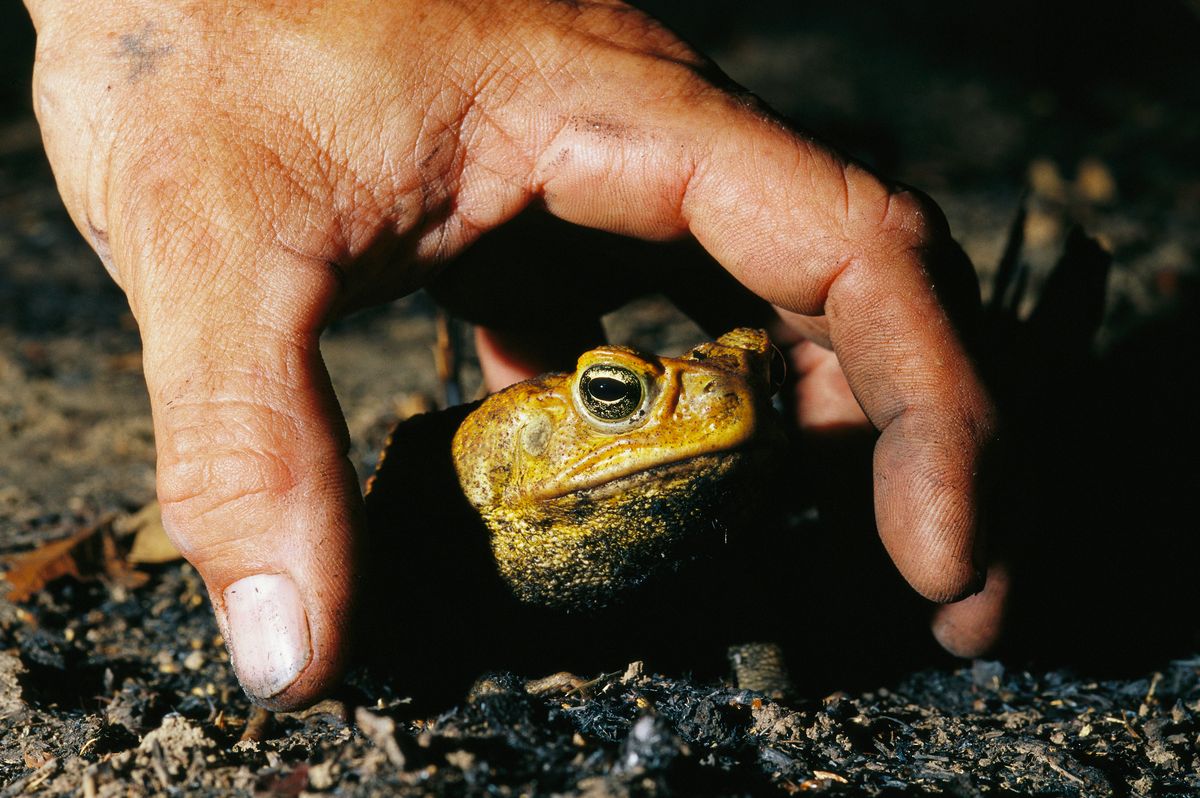
These species live across diverse environments, including tropical rainforests, freshwater lakes, volcanic landscapes, deserts, and oceans.
 © Getty Images
Five Remarkable Species Receiving Support
Among the first highlighted species are some of the world’s rarest wildlife.
Golden-Crowned Sifaka
Found only in Madagascar, this striking lemur has been protected for years by local conservationists working with limited resources. New funding will help expand efforts while also protecting forests that provide clean water and ecotourism opportunities for nearby communities.

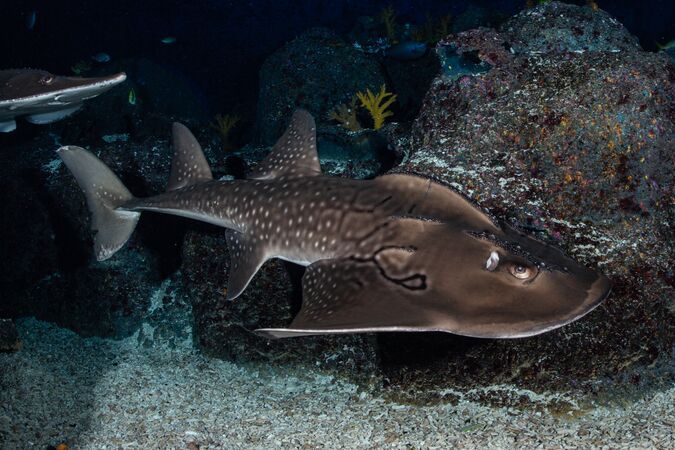
Bowmouth Guitarfish
This ancient ray, known for its shark-like appearance, inhabits shallow coastal waters stretching from South Africa to Australia and Japan. Demand for its fins has placed enormous pressure on remaining populations.
Fuzzy Belly Button
Despite its unusual name, this tiny honey-scented succulent faces serious threats from illegal harvesting for the ornamental plant trade in South Africa.

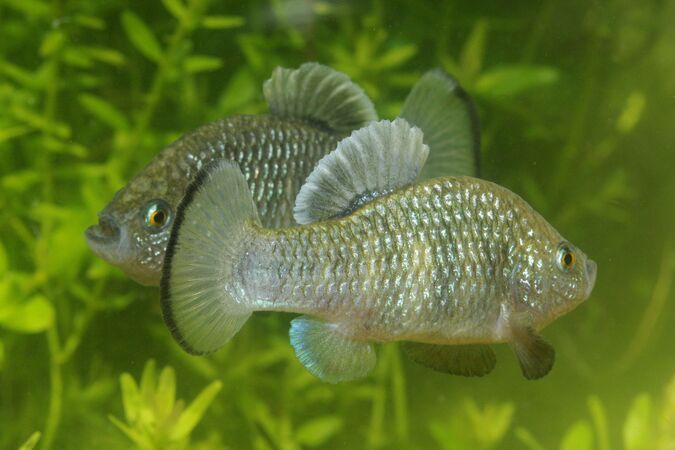
Charco Azul Pupfish
Once driven extinct in the wild after its Mexican freshwater spring dried up, this small fish now survives only through conservation efforts that aim to return it to its natural habitat.
Night Parrot
One of Australia’s most mysterious birds, the elusive night parrot was once believed extinct before being rediscovered in remote desert regions. Conservationists hope expanded protection will strengthen its fragile population.
 © dpa/picture alliance via Getty I
Supporting Global Biodiversity Goals
The Phoenix Species Project also supports Target 4 of the Kunming-Montreal Global Biodiversity Framework, an international agreement encouraging countries to halt human-driven extinctions and improve the conservation status of threatened species.
Working alongside the Reverse the Red Action Partnership, the initiative will help governments identify priority species and implement recovery actions where they are needed most.
 © Courtesy
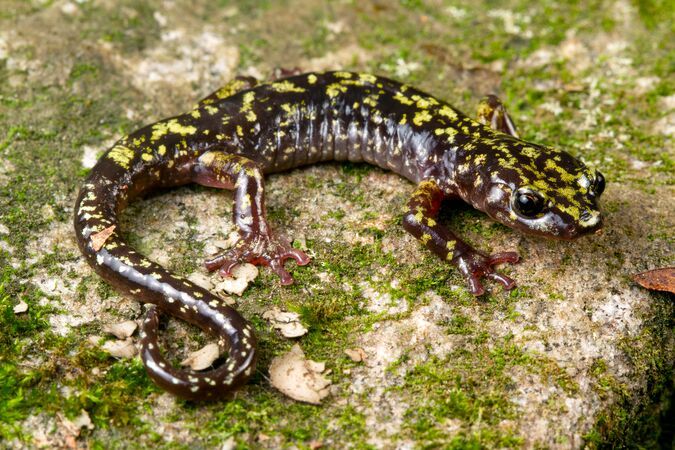
According to the International Union for Conservation of Nature (IUCN), nearly 176,000 species have been assessed worldwide, with more than 31,000 classified as Critically Endangered, Endangered, or Extinct in the Wild.
Recent scientific research continues to show that biodiversity loss can be slowed and even reversed when conservation receives sufficient funding, local leadership, and long-term commitment.
 © Getty
 © Getty
The Phoenix Species Project is built around that evidence. Rather than focusing solely on preventing extinction, the initiative aims to restore healthy populations and demonstrate that recovery is achievable at a global scale.
Its founders also hope the $200 million commitment will encourage additional philanthropists, organizations, and governments to invest in protecting Earth’s most vulnerable species before it is too late.
Read the full article here