



Country star LeAnn Rimes is opening up a raw, deeply human side of healing, and it’s sparking serious curiosity about a little-known wellness treatment called deep jaw release therapy.
In a now-viral clip shared by Human Garage on Instagram, the singer is seen undergoing an intense 60-second procedure designed to release tension in the jaw. What followed was unexpected.
During the session, practitioner Garry Lineham places one hand inside Rimes’ mouth while another person stabilizes her head. The technique targets deep jaw muscles often associated with chronic tension and stress. Rimes audibly moans during the process, clearly overwhelmed by the sensation. As soon as it ends, she breaks down in tears.
“Say ‘that part of my life is over,’” Lineham instructed her. “That part of my life better be over,” Rimes replied emotionally. Moments later, still processing the experience, she added:“Oh my God, you just don’t realize how much tension is in there.”
 © Human Garage
What Is Deep Jaw Release Therapy?
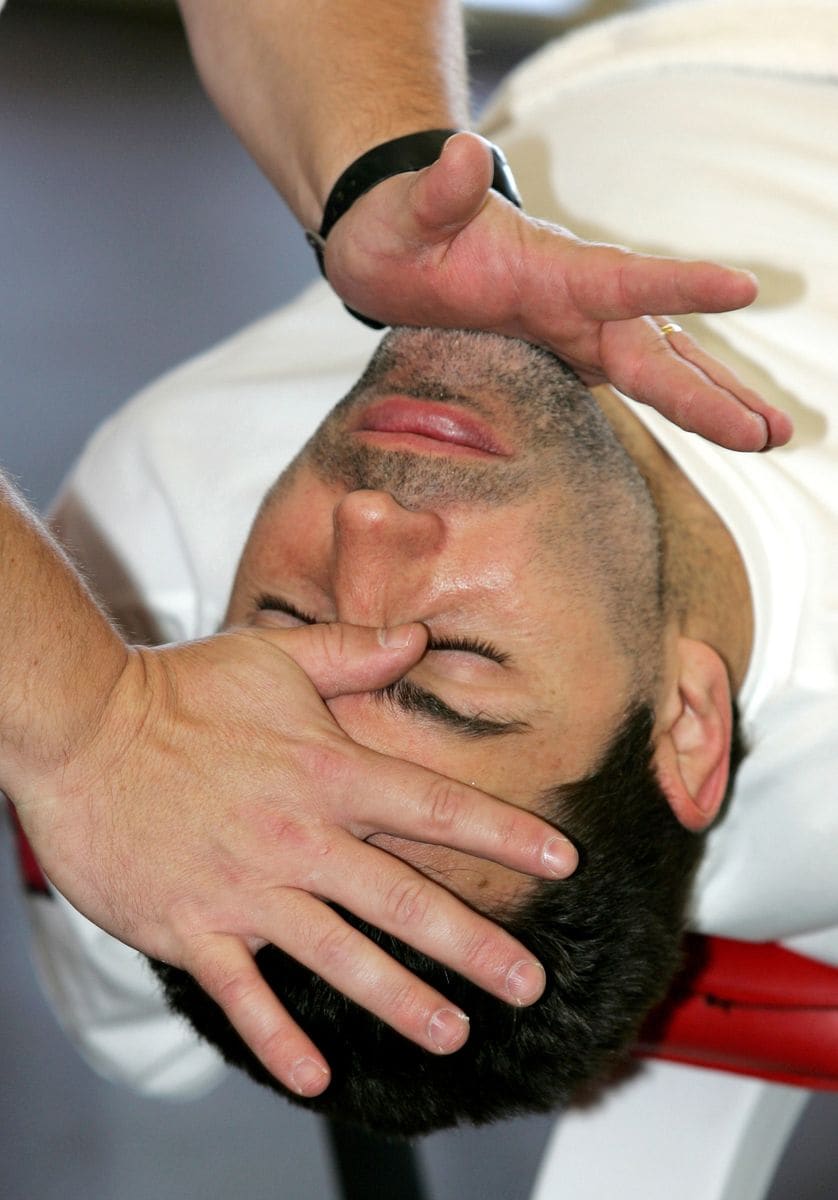
To better understand what’s happening in treatments like this, physical therapist Jeanne Marie Ubalde, PT, DPT, founder of U First Physical Therapy and Wellness, explained to HOLA! that the process is highly targeted and clinical. “After a thorough TMJ, neck, and posture assessment, my clients lay on their back, and I do internal manual therapy on the muscles of the jaw that contribute to mouth closing/clenching,” she says.
 © NFL
© NFL“The masseter and internal pterygoids usually. I palpate for trigger points and apply different manual techniques like trigger point hold, massage or pin and stretch etc.”
These muscles are central to the Temporomandibular Joint (TMJ), which controls chewing, speaking, and jaw movement.
Why This Treatment Can Feel So Intense
According to Ubalde, the goal is simple but powerful: release built-up tension and restore movement. “The manual therapy releases muscle tension and improves muscle movement and unclenches the jaw for pain relief and increase ROM on the TMJ,” she explains.
 © San Francisco Chronicle via Gett
That release can sometimes trigger emotional responses. The jaw is closely linked to stress behaviors like clenching and grinding—often done unconsciously. Patients may feel immediate results. “I see success after one visit, long term effects noted after 4–6 visits with home exercises,” she adds.
As for the aftermath? “The muscles feel achy to most for a few hours and to some just pure muscle release.”
The Science Behind TMJ Relief
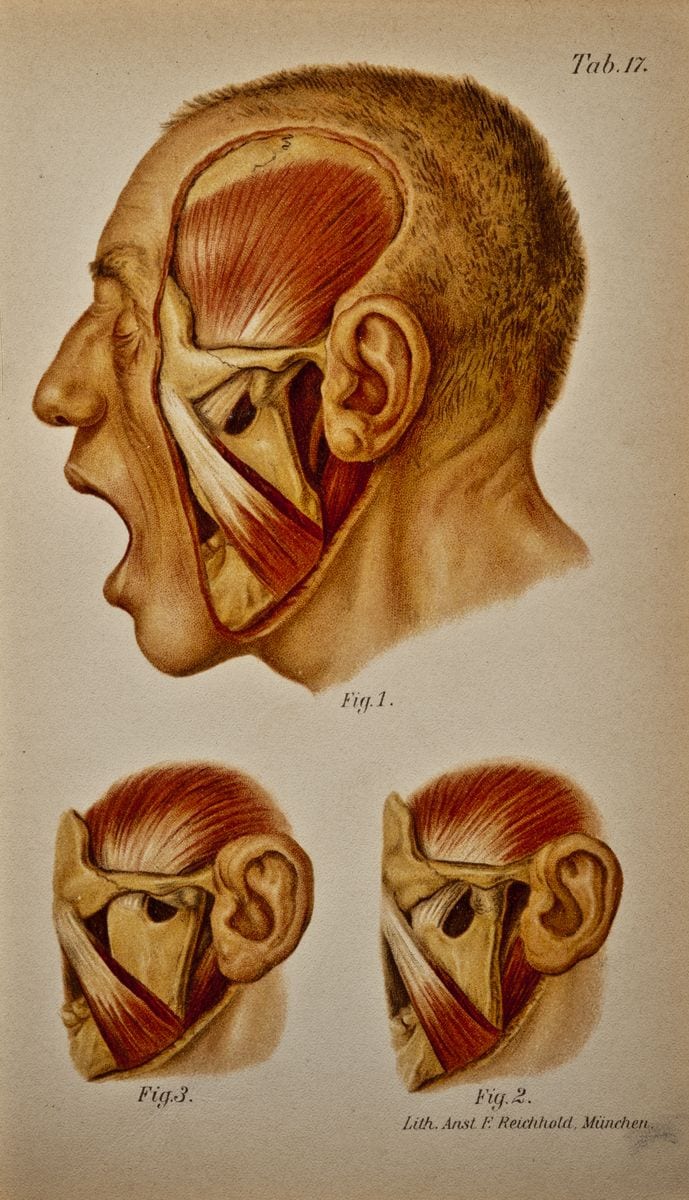
Chiropractor Dr. David Lask, founder of Ask Dr. Lask Wellness Center, emphasizes how central the jaw is to overall function. “The jaw is controlled by the Tempero-Mandibular Joint (TMJ). This joint is controlled by the masseter muscle which allows mastication—chewing, talking, etc.,” he explains. “When the masseter muscle goes into spasm, it restricts the full free glide of the jaw joint.”
Treatment typically involves deep muscle work and joint adjustments: “This treatment is designed to release the tension out of the masseter muscle to allow for better range of motion of the TMJ.”
 © Getty Images
Beyond jaw pain, the impact can be wide-reaching. “It can help address specific symptoms like headaches, jaw/teeth grinding, sore face and neck, irritability, stress, etc.”
What Results Can You Expect?
Results vary depending on the patient and provider, but Dr. Lask notes that consistency is key. “We typically start with about twelve sessions spread out over six weeks,” he says. Maintenance care may follow: “Anywhere from once a week to once a month depending on the patient.”
And the feeling afterward? “The feeling after deep jaw release should be one of relaxation. Less stress and tension in the system… a feeling of clarity and vitality.”
The jaw, often overlooked, plays a surprisingly major role in physical and emotional tension. Treatments like deep jaw release therapy are gaining attention as people look for ways to address both.
Read the full article here