

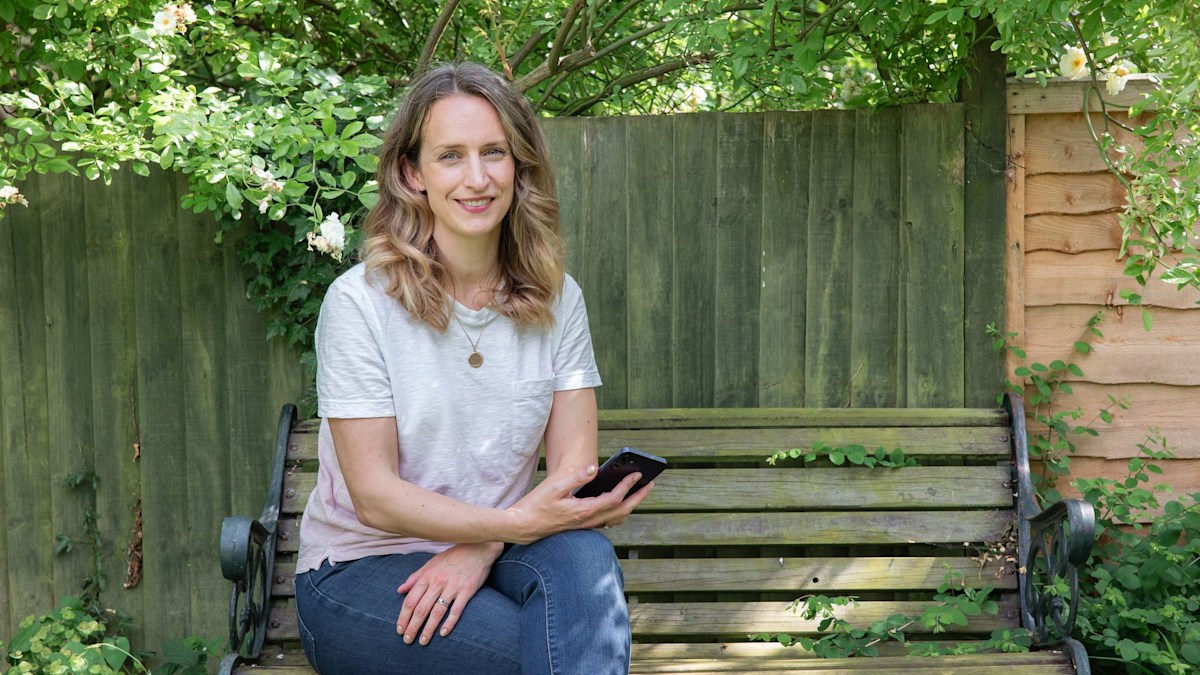

The largest WhatsApp group I am on has 500 members; it’s madness, but just useful enough I daren’t leave. My friends send me 10-15 minutes voice note life updates, which I struggle to find the time to listen to. I worry when my 70-something Mum, who lives alone, doesn’t reply to a message (she’s probably fine but …?). And now my 12-year-old daughter is out and about, I have an even stronger imperative to keep my phone nearby at all times ‘just in case’.
For midlife women like me, the obligation to feel constantly connected can be overwhelming.
This weekend we celebrate both International Women’s Day (March 8) and the Global Day of Unplugging (March 6-7). An invitation to disconnect from our devices for up to 24 hours to better reconnect with ourselves and each other, GDU may seem the antithetical to IWD at first glance but, as a digital wellness expert and feminist, I believe the biggest act of rebellion, and perhaps equality, might be for women to unplug.
I am a coach, digital wellness educator and UK Director for the Global Day of Unplugging. In Spring 2024 I undertook a prestigious month-long Churchill Fellowship research trip to Silicon Valley and California to investigate the role of smartphones in family life. I visited schools, met global experts, and when I came home, wrote a book about it. Screensaver: A judgement-free guide to your child’s first smartphone covers everything parents need to know to safely navigate their kids through ‘the smartphone years’, so that they thrive, not merely survive.
It’s not just kids!
During my research, I was struck by how much adults themselves were struggling with their own phone usage, never mind their kids. As a Trustee for the UK’s national charity for working parents, Working Families, and a leadership coach, I get it. Modern life has become a list of endless demands, so rest is relegated to an ever-moving horizon. We need to be more ‘tech-intentional’ but that is easier said than done when most of us sleep next to our smartphones for fear of missing a call from our teenager, close friend or ageing parent. How have we reached the point we can’t even switch off when we sleep?
Kinship care
As women we are often responsible for ‘kinship care’ – maintenance of the precious social bonds that keep society from falling apart. Friends, family, coworkers rely on us, and while we benefit from these relationships, today’s ‘always on call’ digital culture has eroded old boundaries. We all know about doomscrolling – and the temptation of temporary escapism into our phones is a factor – but what we don’t think about enough is the unspoken expectation of immediate access to our time and attention, and how this pulls us in a dozen different directions, depleting our energy, until we risk burn out.
To switch off our phone for a couple of hours is to set down the weight of our responsibilities – and in today’s world, this is no less than a radical act of self-care. Giving yourself a permission slip for a little respite to reconnect with yourself or your loved ones can be as simple as putting the devices in a drawer and going back in bed for a nap, or sitting in the garden with a cup of tea to finally read a few chapters of ‘that’ book, or arranging to do something fun with other (unplugged) family or friends.
But simple doesn’t always mean easy so if you struggle to switch off, here are my top tips to help you unplug this weekend, and throughout the year…
Laura’s tips for unplugging
Keep your phone out of your bedroom
Tempted to stay up late at night scrolling, or check your messages the second you wake up? Buy an alarm clock and charge your phone in the kitchen so it is not the first thing you see in the morning and the last thing you see at night.
Introduce a screen-free space or time
Dinnertime is a great place to start – agree that everyone will leave their devices in a basket or box somewhere else.
Delegate your duties
If you’re worried about being uncontactable in an emergency, let dependents know another way to reach you (e.g. give out a partners number) or agree who else they can contact for help.
Be dumb(er)
If going completely offline is just too scary, consider downsizing your tech. Swap your SIM into a cheap ‘brick’ phone (e.g. a Nokia) at weekends, invest in a minimalist phone (e.g. Balance Phone), or download an ‘indistractable’ type app to limit your phone’s functionality at set times.
And remember – you deserve a break!
An hour offline to care for yourself is not too much to ask… and neither is a whole day for that matter.
Screensaver: A judgement-free guide to your child’s first smartphone available to buy now or visit www.laurawyattsmith.com for more information about Laura’s coaching services and ‘Smartphones and Screens’ talks for schools and organisations.
Read the full article here