



Today delivers a rare, real-time space milestone. For the first time in over five decades, humans are traveling around the Moon, and you can watch it unfold live. The mission is part of NASA’s ambitious Artemis program, designed to return astronauts to the lunar surface and push deeper into space.
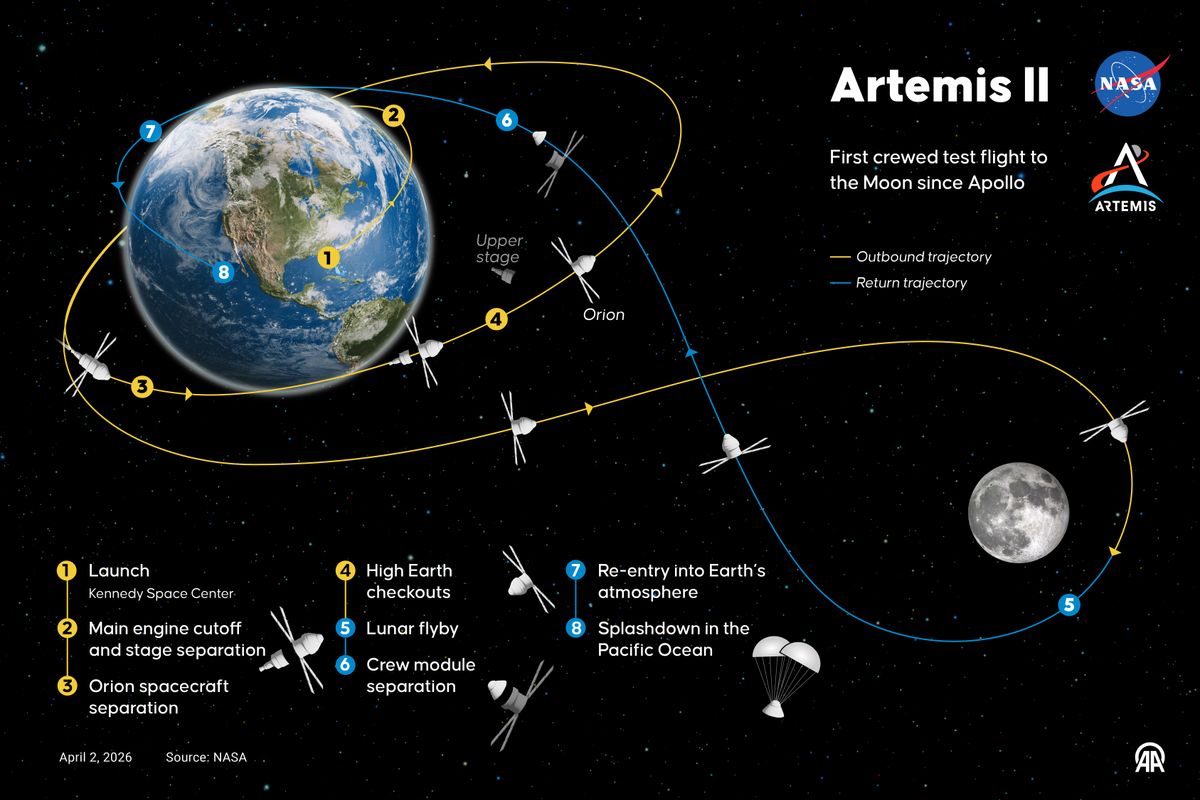
The Artemis II mission marks the first crewed journey beyond low Earth orbit since the Apollo era. Four astronauts are aboard the Orion spacecraft, currently executing a high-speed loop around the Moon.
This is not a landing mission. Instead, it is a critical systems test. Engineers and mission control teams are evaluating navigation, communication, and life-support systems in deep space conditions. The spacecraft is also capturing high-resolution visuals of the Moon, including regions that remain largely unseen from Earth.
The trajectory takes the crew just a few thousand miles above the lunar surface. At that distance, they gain a perspective few humans have ever experienced, particularly of the Moon’s far side.
When to Tune In for the Live Coverage
NASA’s official broadcast is scheduled for:
- Today at 1:00 PM (Eastern Time)
 © Anadolu via Getty Images
Coverage will focus on the closest approach phase of the flyby. Expect live astronaut commentary, real-time video feeds, and mission updates directly from control centers.
Where to Watch the Artemis II Live Stream
The easiest way to watch is through NASA’s official YouTube stream:
NASA Artemis II Moon Flyby Live Stream
You can also stream the event on:
- NASA+ (NASA’s dedicated streaming platform)
- Official NASA accounts across YouTube, X, Facebook, and Twitch
Availability may vary slightly depending on region and platform access.
What You Will See During the Broadcast
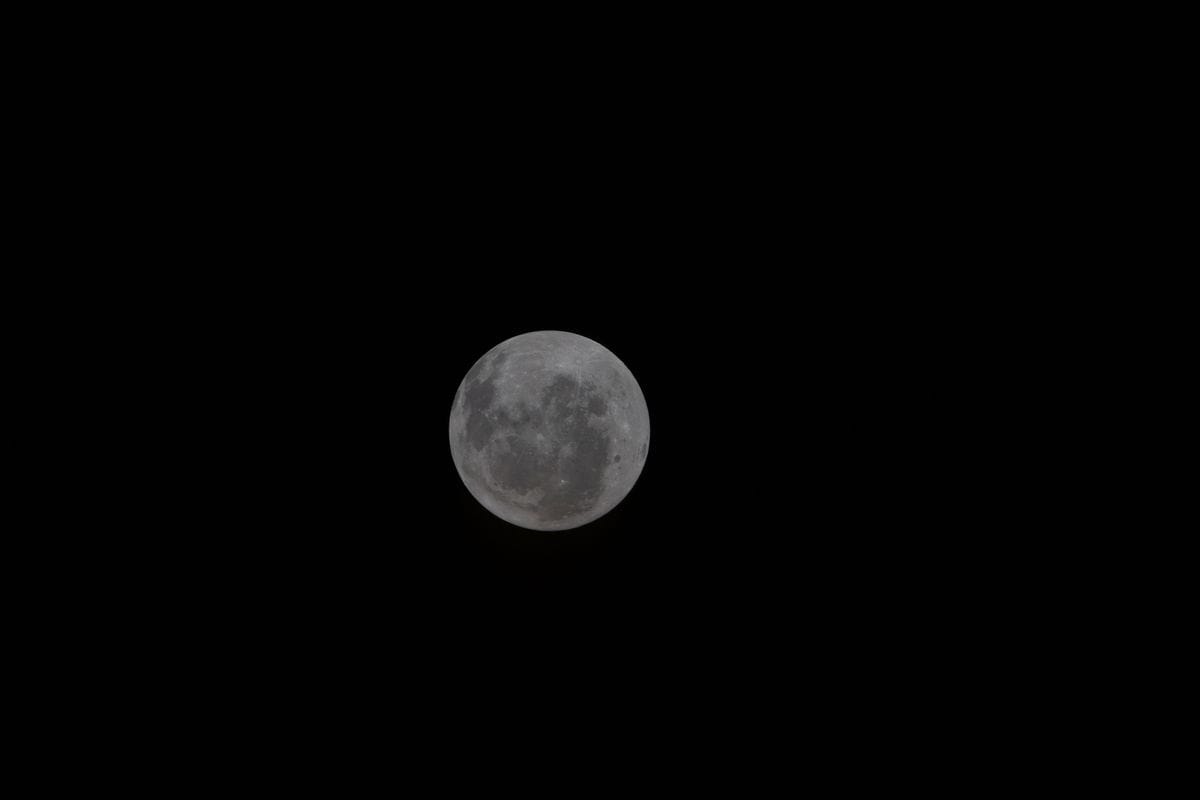
This broadcast offers visuals that are rarely captured in real time. Key moments may include the Moon’s far side, a region permanently hidden from Earth’s view. Earthrise, where Earth appears as a distant, luminous sphere above the lunar horizon, detailed views of major lunar features, including the Orientale Basin, and possible eclipse-like lighting effects depending on spacecraft positioning.
 © NASA via Getty Images
It is also expected that there will be a temporary signal interruption. When the spacecraft passes behind the Moon, communication with Earth is lost due to obstruction.
This Flyby Matters for the Future of Space Travel
This mission is not just about visuals. It is a foundational step in a broader strategy. NASA is preparing for long-term lunar exploration, including establishing a sustained human presence on the Moon.
The data collected during this flyby will inform future missions, including crewed landings and infrastructure development in lunar orbit. It also supports long-term plans for human missions to Mars.
 © NASA via Getty Images
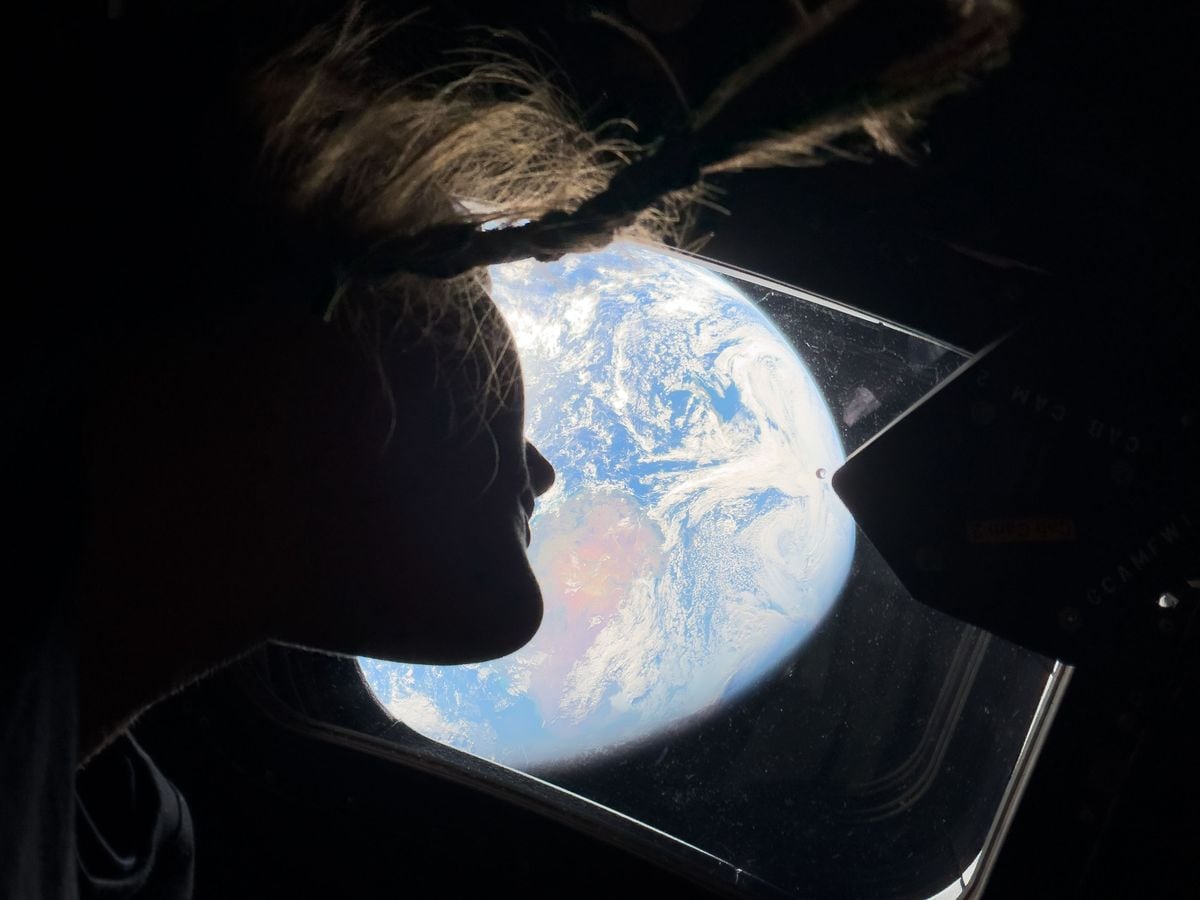
The last time astronauts traveled this far from Earth was during the Apollo missions in the 1970s. Artemis II signals a new phase of deep space exploration, with updated technology and expanded goals.
Opportunities to witness human spaceflight beyond Earth orbit are extremely limited. This flyby represents a defining moment in modern space exploration. Set a reminder, open the livestream, and watch a new chapter unfold in real time.
Read the full article here