

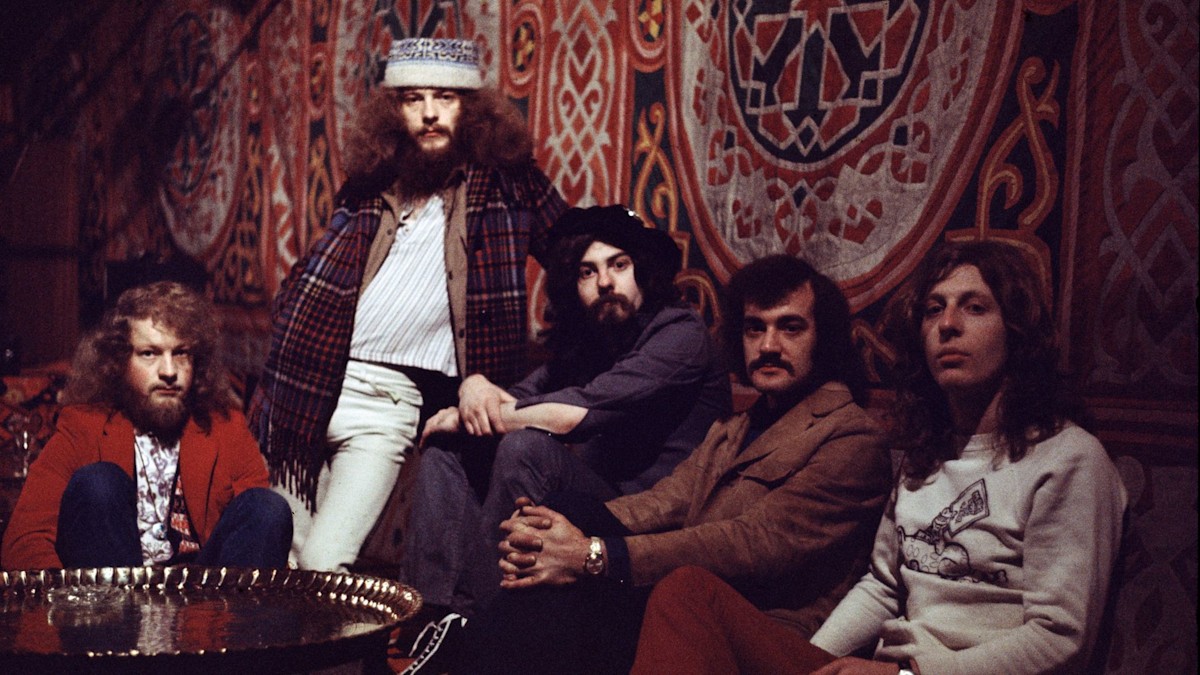

Mick Abrahams, the original guitarist and a founding member of hit 1960s rock band Jethro Tull, has died aged 82. Mick played a crucial role in shaping the band’s earliest sound, appearing on their 1968 debut album This Was. His guitar work, deeply rooted in blues and early rock, helped define Jethro Tull’s original direction before the group went on to become one of progressive rock’s most influential acts.
He left the band shortly after the release of This Was, following creative differences over its musical future. While frontman Ian Anderson pushed the group toward a more folk- and prog-driven sound, Mick preferred to stay closer to traditional blues. The split proved to be a turning point, not only for the band but for Mick’s own musical journey.
After leaving Jethro Tull, Mick went on to form Blodwyn Pig, a blues-rock outfit that gained critical attention in the late 1960s and early 1970s. The group released two albums, Ahead Rings Out and Getting to This, both showcasing his gritty, blues-heavy guitar style.
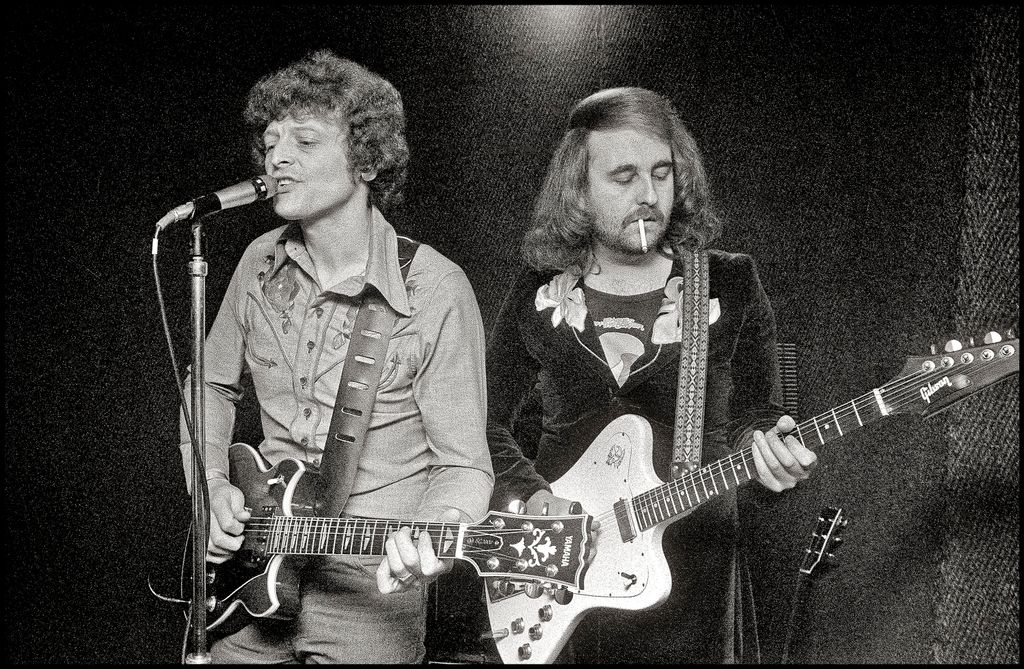 © Redferns
Although he never rejoined Jethro Tull as a full-time member, Mick remained a vital part of the band’s origin story. His work on This Was is still widely regarded as foundational, capturing a moment when British rock was closely entwined with American blues influences.
Over the decades, Mick continued to perform, record and collaborate, building a devoted following among blues and classic rock fans. His career stood as a reminder that not every influential musician follows the same path to longevity – some leave early, but leave a lasting mark.
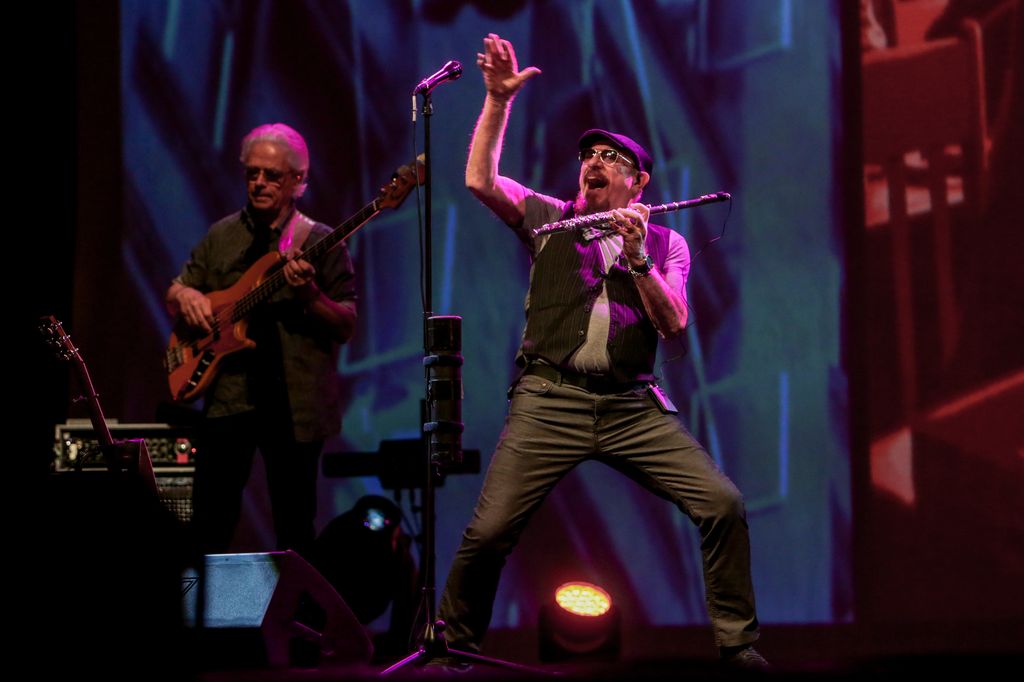 © Europa Press via Getty Images
Following Mick’s departure, guitarist Martin Barre joined Jethro Tull, remaining with the band until its dissolution in 2011. Martin paid tribute to Mick, writing: “My friend and mentor Mick Abrahams has passed. He was so nice to me and that is something I will never forget. What a magnificent guitar player who gave us so much. Rest in peace.”
With Mick’s passing, the music world loses one of the architects of Jethro Tull’s earliest sound – a guitarist whose influence helped launch one of rock’s most enduring bands.
Read the full article here