
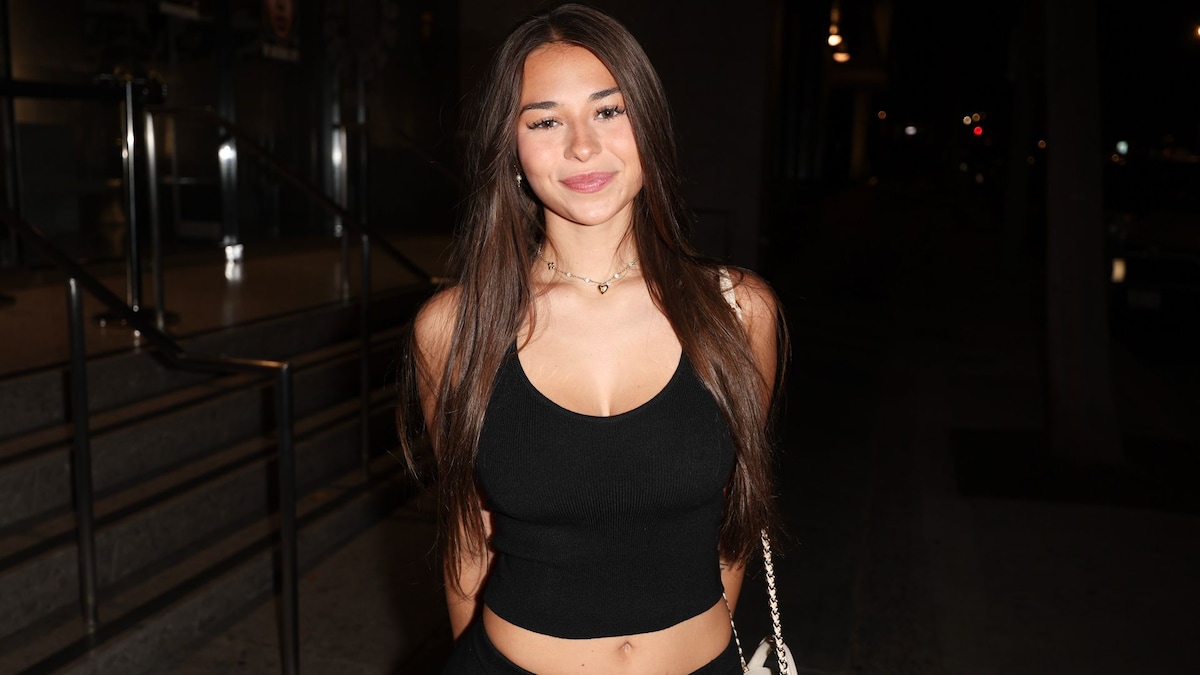

Sophie Rain is opening up about her big Coachella splurge and why she feels it was money well spent.
With the famous music festival coming up, the 21-year-old influencer shared on TikTok that she dropped nearly $200,000 for a three-day trip to Indio, California.
In the April 9 video, Rain explained that she was bringing along the entire Bop House, a group of Florida-based creators known for their OnlyFans content, plus their assistants and stylists. Because of that, she bought 12 festival passes totaling close to $68,000. She also spent more than $83,000 on an Airbnb, $37,000 on a private jet for travel, and about $5,000 on outfits for the weekend.
Altogether, the trip cost her $193,845.
“All my life I have wanted to go to Coachella,” she said in a statement to People, explaining why she didn’t hold back. “I never had the chance simply because my family was not rich enough and we lived in poverty. So I really wanted to make this moment special and go all out!”
After sharing the breakdown, Rain continued posting updates as she prepared for the trip, including packing and boarding her private jet.
She has also been open about how she makes her money. In 2024, she revealed she earned more than $43 million through OnlyFans, a subscription platform often associated with adult content.
Rain has also spoken out against a proposal from Florida gubernatorial candidate James Fishback, who suggested placing a heavy “sin tax” on OnlyFans creators to fund public schools.
“Why are you taxing the creator, why not the subscriber?! By that logic, this makes no sense,” she previously told People in January. “Florida is OnlyFans central. You are just going to drive them out of the state, then what? Fishback is going to go after a group of people who work very hard for their money, just because he himself is against it, is wrong.”
In recent years, Coachella itself has been under scrutiny for rising costs. From 2020 to 2025, starting ticket prices jumped by more than $200. Last year, about 60% of attendees reportedly relied on payment plans to afford tickets, compared to just 18% when the buy-now-pay-later option first launched in 2009.
Read the full article here