
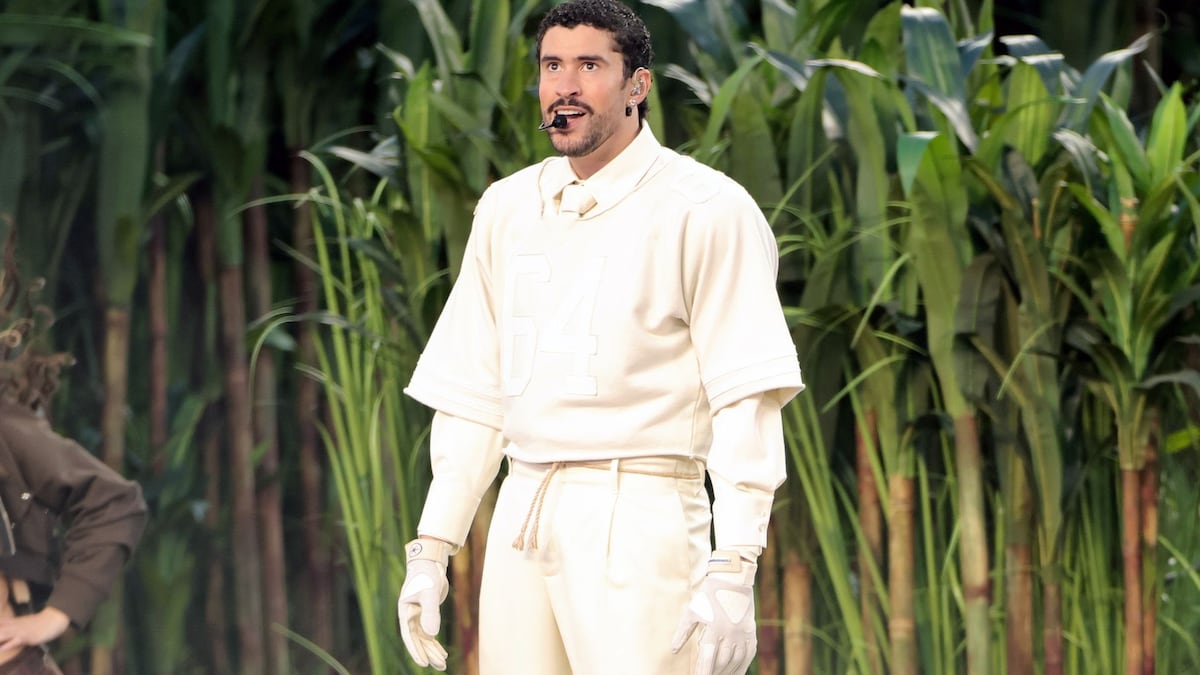

The legal battle surrounding Bad Bunny and his chart-topping album Un Verano Sin Ti has reached a decisive turning point. After months of legal proceedings, the Puerto Rican superstar is now seeking to recover substantial legal costs following a court dismissal that ended a copyright dispute tied to one of the album’s standout tracks.
At the center of the controversy was the song “Enséñame a Bailar,” which became the subject of a lawsuit filed by Nigerian producer Dera, whose real name is Ezeani Chidera Godfrey. The case has since unraveled dramatically, exposing missed deadlines, withdrawn legal counsel, and ultimately, a dismissed claim.
The Lawsuit That Collapsed
Bad Bunny is asking a court to order record label emPawa Africa to pay $465,612 in legal fees after he triumphed in a copyright case over his Un Verano Sin Ti track “Enséñame a Bailar.”
The lawsuit was filed last May by the Nigerian producer Dera (Ezeani Chidera Godfrey), who alleged the song included an uncleared sample of a 2019 track he produced for the artist Joeboy, “Empty My Pocket.” After Godfrey failed to appear at a Feb. 5 discovery hearing and missed a March 6 filing to continue the case, however, the presiding judge dismissed the suit on March 9.
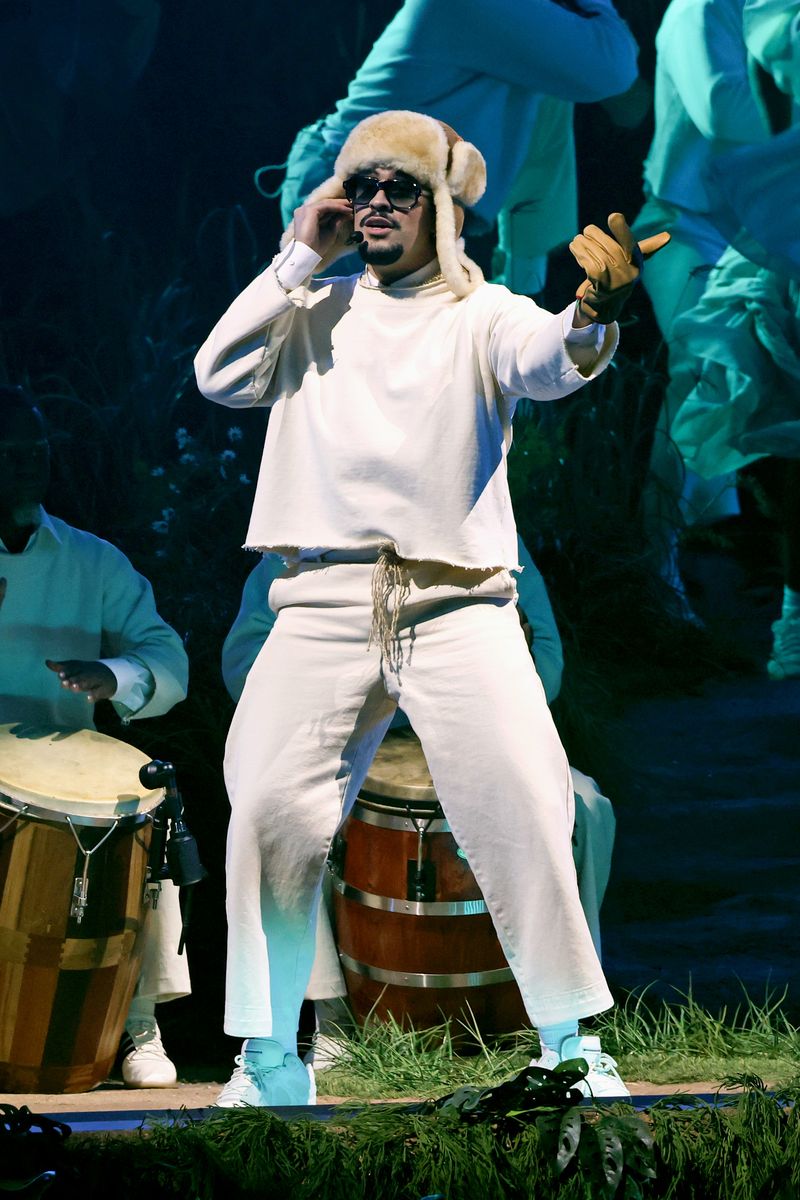 © Kevin Mazur
The timeline of missed obligations proved critical. Courts often enforce strict procedural rules, and failure to meet deadlines can quickly weaken even potentially viable claims. In this case, those procedural missteps effectively ended the lawsuit before it could proceed to a substantive ruling on the sampling issue.
Legal Breakdown Behind the Scenes
The missed deadline and hearing occurred after Godfrey’s lawyers withdrew from the case in January, citing “irreparable differences” regarding legal strategies, as reported by Billboard. In February, Godfrey’s label, emPawa Africa, was dismissed as a plaintiff due to also missing deadlines.
This breakdown in legal representation had a significant impact on the case. When attorneys withdraw mid-case, it creates immediate pressure on plaintiffs to find new legal counsel and adhere to procedural requirements. According to court filings, this continuity was never established.
Bad Bunny’s Legal Team Pushes Back
In a motion filed on Monday, March 23, and shared by Rolling Stone, Bad Bunny’s attorneys said that the case was “meritless from the beginning and should never have been brought.”
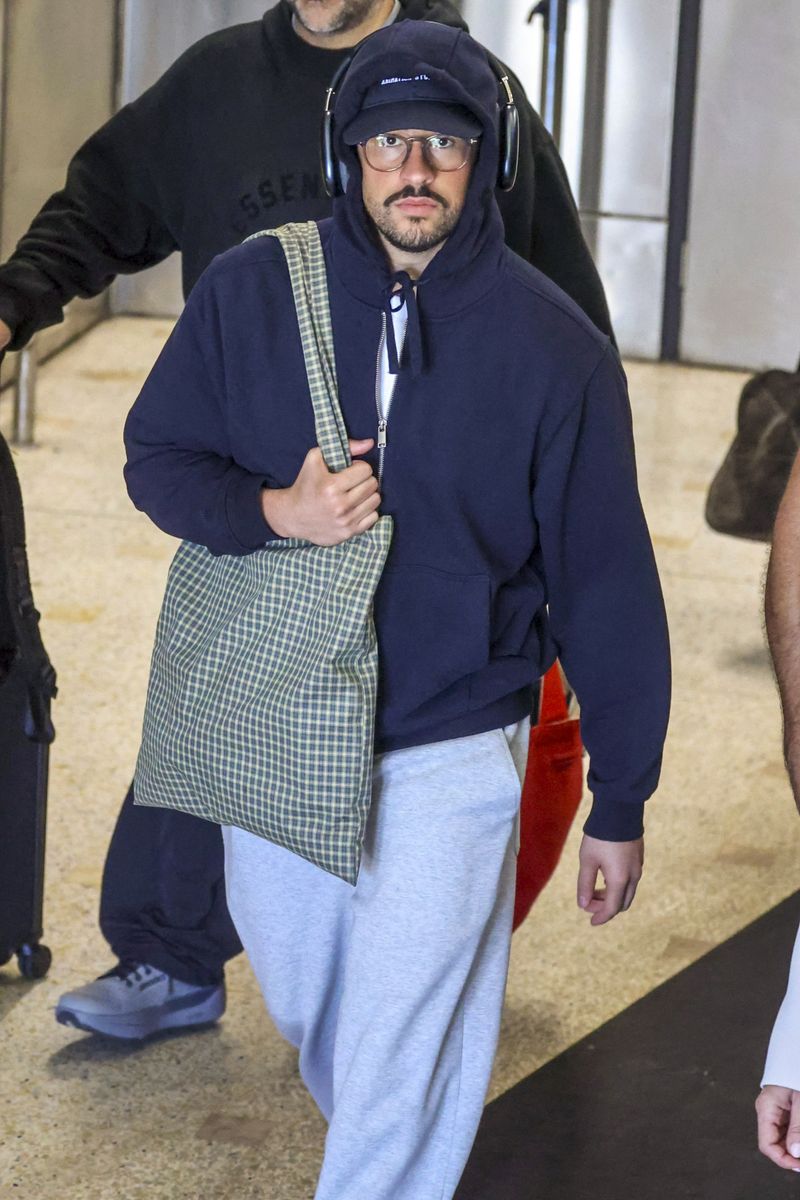 © Splash News/The Grosby Group
They argued that “Empawa filed and aggressively litigated it, apparently hoping that Bad Bunny’s wealth, prominence, and desire to avoid attorneys’ fees and bad publicity would enable Empawa to extract an undeserved, multimillion-dollar settlement.”
Disputed Ownership and Sampling Rights
Bad Bunny’s legal team informed that the sample was obtained with permission from Lakizo Entertainment. His lawyers claimed that emPawa Africa made “frivolous objections” and stalled. Ultimately, the motion states that “an ex parte application was filed by the label’s counsel to withdraw from the case, and emPawa Africa abandoned the suit rather than hire new counsel and respond to the discovery.”
“When faced with an imminent court order that would require it to explain how it owned Empty and Lakizo did not, Empawa chose instead to abandon its claims altogether,” read the motion. “That it did not find a replacement counsel to prosecute its claims after its original counsel withdrew speaks volumes.”
Reputation, Strategy, and Legal Consequences
They said that the label attempted to “confuse the public about Bad Bunny’s “integrity and the true ownership of ‘Enséñame.’” His lawyers argued that without an award of the requested attorney’s fees, emPawa Africa will “suffer no consequence — and Moving Defendants will have been penalized substantially — as a result of Empawa’s decision to file and pursue this meritless lawsuit in disregard of the facts.”
Bad Bunny is reportedly not seeking a fee award from Godfrey, who was a plaintiff in the lawsuit. “It is Moving Defendants’ belief that this co-plaintiff, Ezeani Chidera Godfrey p/k/a Dera, was not primarily responsible for the prosecution of the lawsuit, nor did he finance the lawsuit.”
 © Chris Graythen
This distinction suggests a strategic focus on institutional accountability rather than individual blame, particularly when financial backing and legal direction may have come from the label.
The court’s next decision—whether to grant the requested $465,612 in legal fees—will determine the final chapter of this case. Beyond the financial outcome, the ruling could set a precedent for how courts handle abandoned or procedurally flawed copyright lawsuits involving global artists.
Read the full article here