

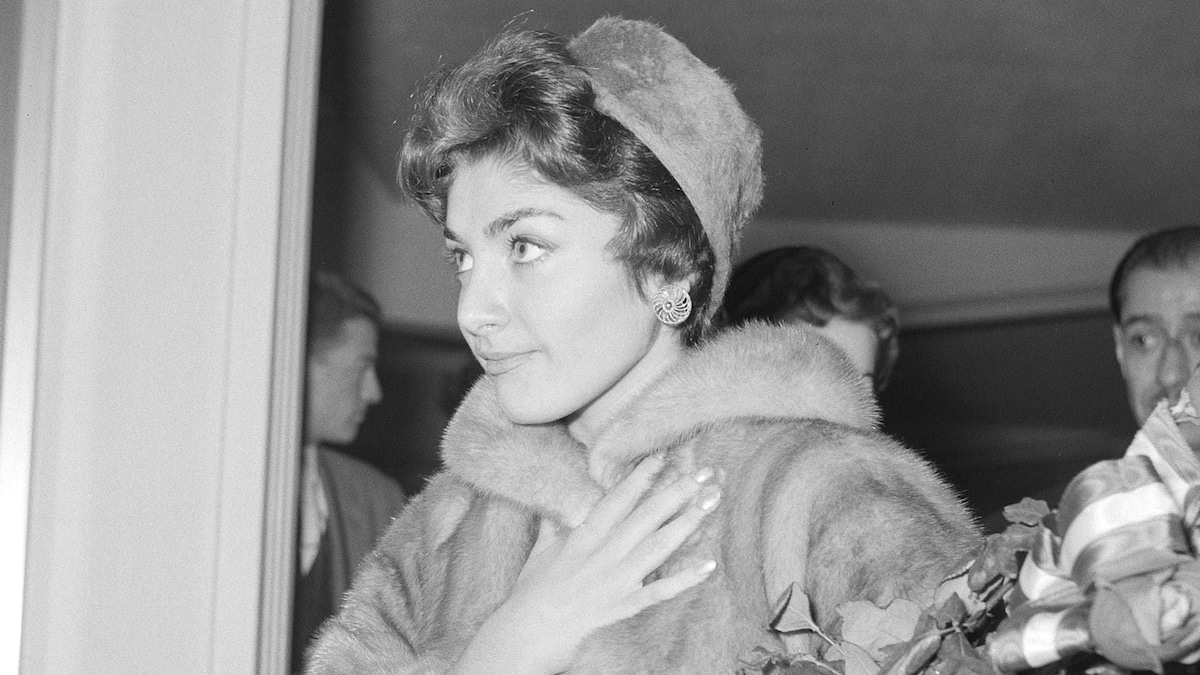

She was born in a palace that at times could feel like a “golden cage.” Educated at prestigious boarding schools across the Old Continent, she learned the meaning of loneliness far too early, even though her father adored her. The life of Shahnaz, Iran’s “forgotten” princess, has often been far from a fairy tale.
The heir to two dynasties, the Mehmet Ali, the last ruling house of Egypt, and the Pahlavi, the last of Iran, she is now 85 and lives in Switzerland, her home for more than four decades. Yet to this day, she remains an unsolved mystery.
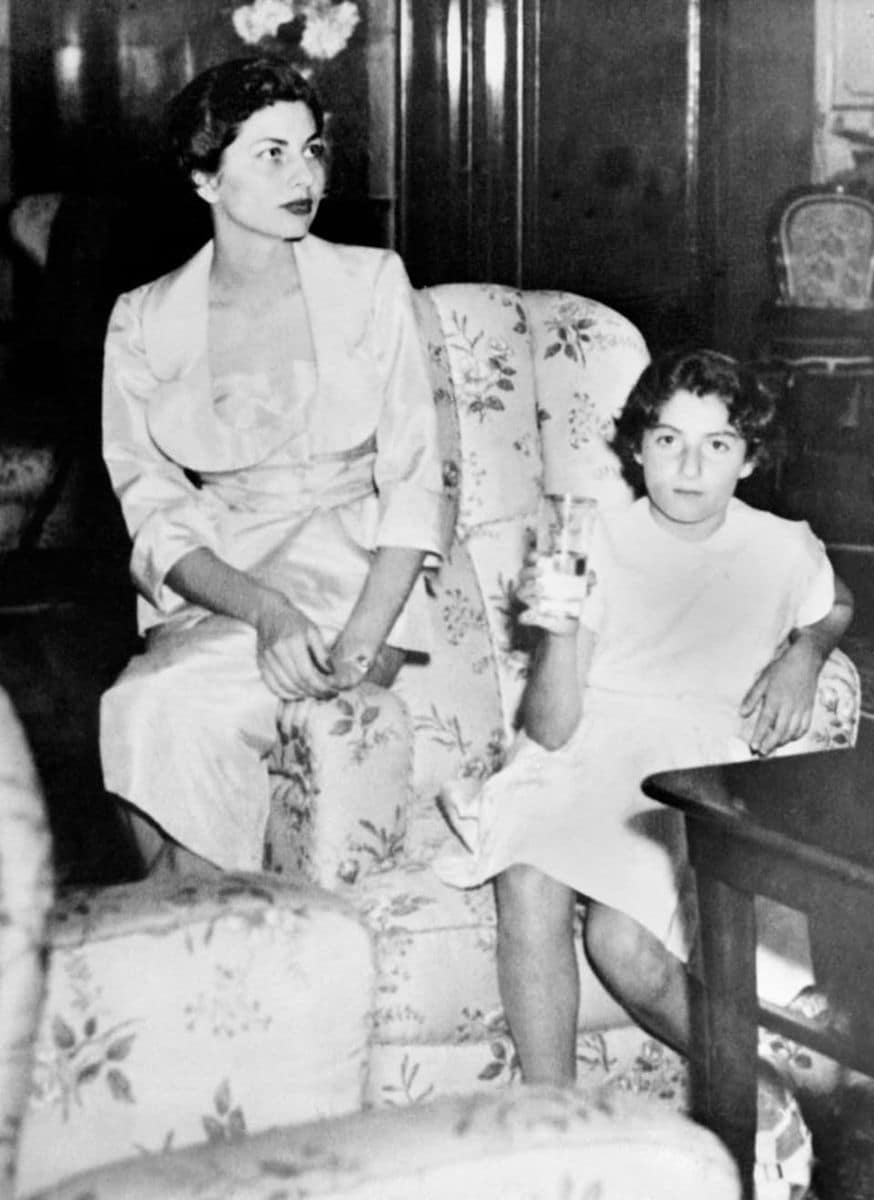
The eldest daughter of Shah Mohammad Reza Pahlavi was born a year before her father ascended the Peacock Throne, in 1941, when Reza Khan, who had proclaimed himself Shah in 1925 after overthrowing the Turkish Qajar dynasty, was forced by London and Moscow to abdicate in favor of his son. “We put him there, and we removed him,” Churchill would later assert.
 © AFP via Getty Images
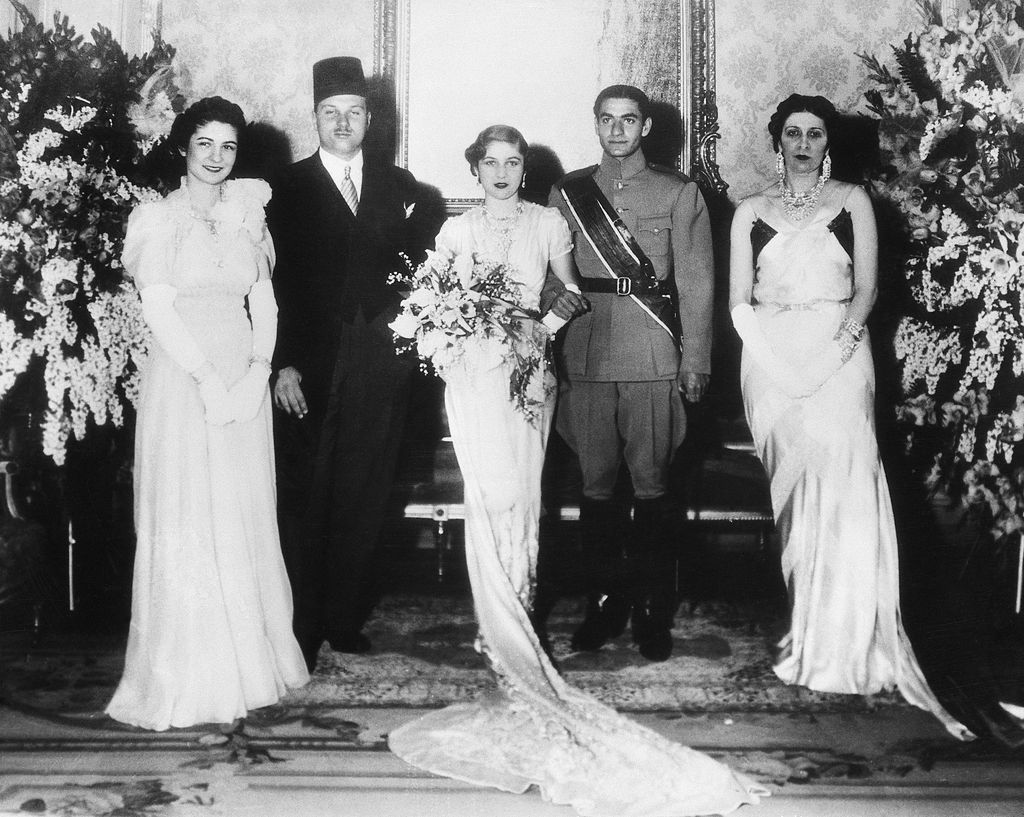
At just 22, the crown prince became the powerful Shah of Persia, with one of the world’s most beautiful princesses at his side, Fawzia, sister of King Farouk I of Egypt.
 © Bettmann Archive/ Getty Images
Together they made a fascinating couple. Yet their future hardly looked promising. Their union was, above all, a political strategy. Farouk eventually agreed to the marriage to stabilize Egypt’s position in the Middle East, despite initially opposing his sister’s union with Mohammed.
There was also another major obstacle between them. He was Shiite, and she was Sunni.
Even so, on March 15, 1939, they were married in a lavish ceremony at Abdeen Palace in Cairo. A “yes, I do” that would not end with the happy ending many had expected.
 © Gamma-Keystone via Getty Images
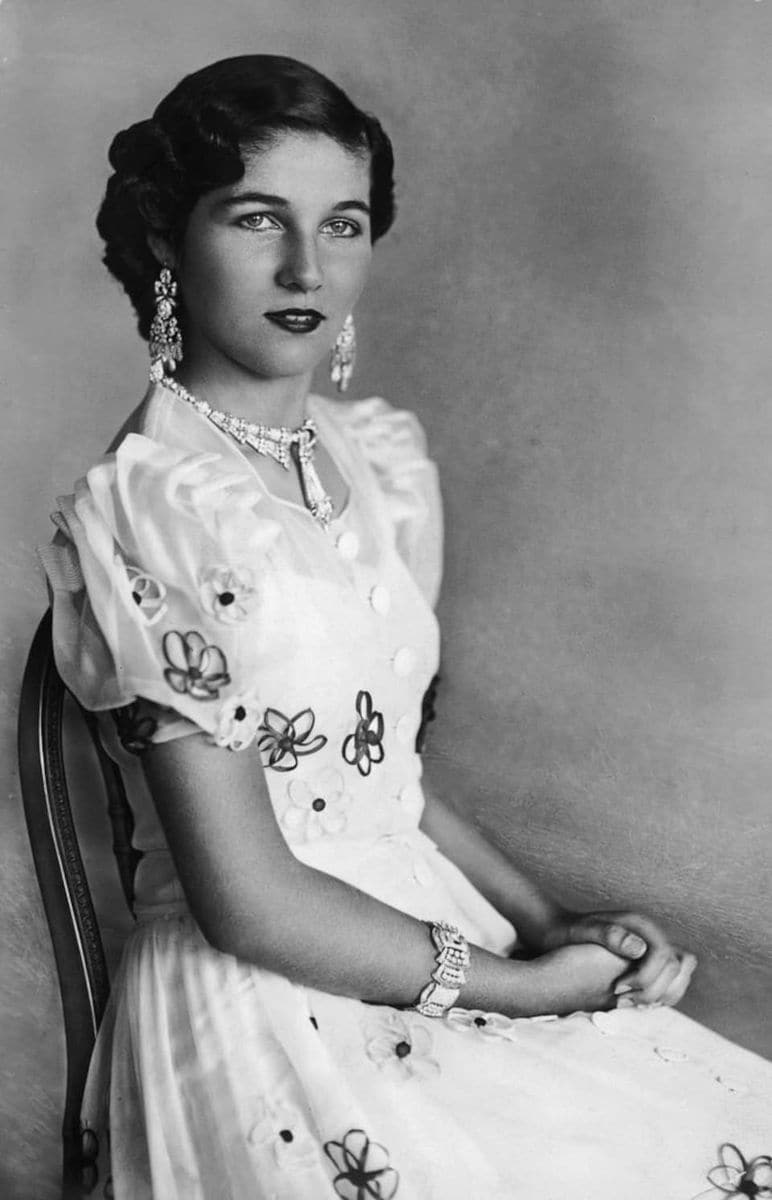
They said Fawzia looked less like a princess and more like a Hollywood star. She was often compared to actresses such as Hedy Lamarr. The renowned photographer Cecil Beaton, who photographed her for TIME magazine, called her “a Venus of the East.” And while her extraordinary beauty became legendary, so did her sadness.
After giving birth to Shahnaz, she withdrew from social life, and it became increasingly difficult for her to adapt to the lifestyle of a country so different from her own.
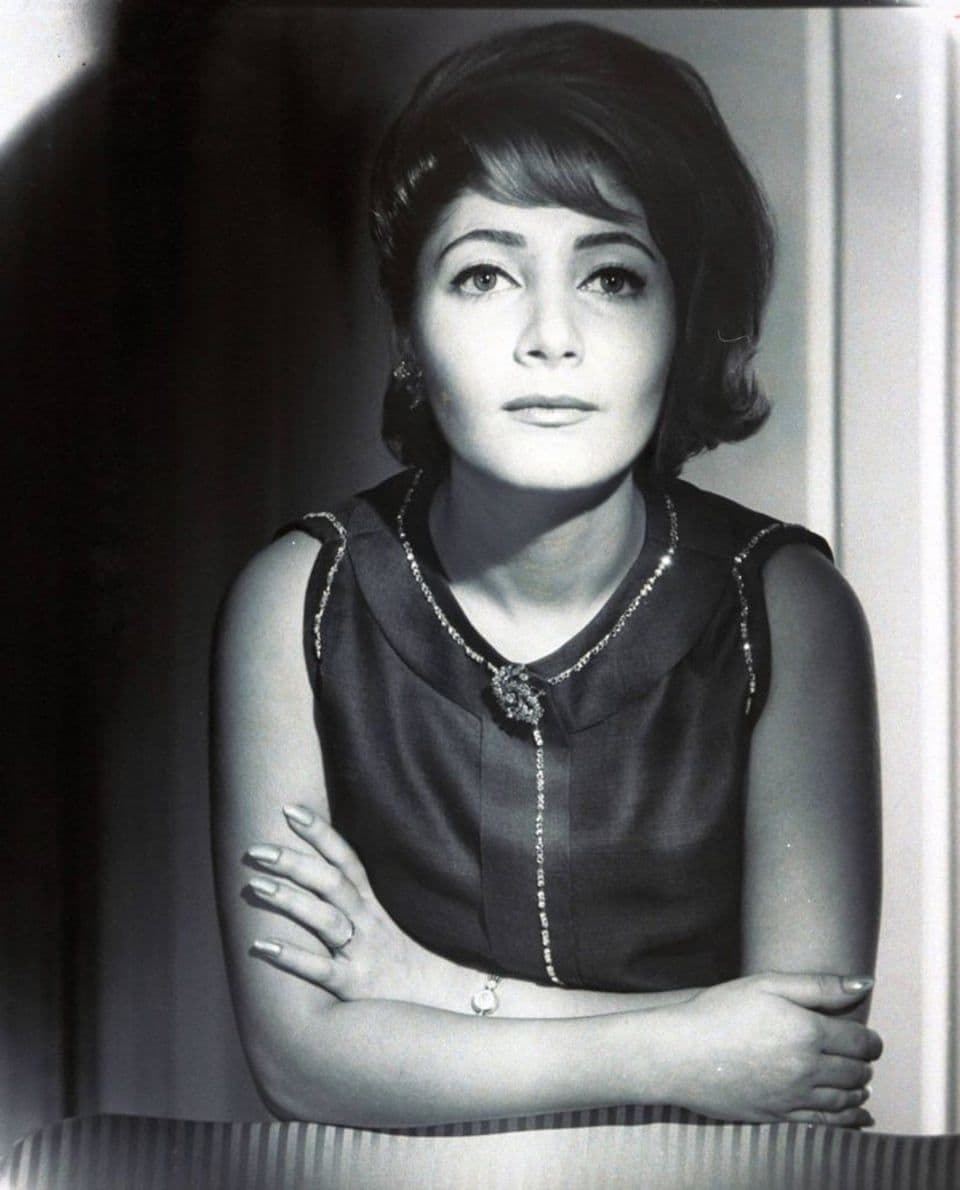
Alarmed by the reports coming from Iran that the princess had lost a great deal of weight and was suffering from depression, her brother urged her to return to what she considered her true home. In 1945, Fawzia left for Egypt, and three years after her return to Cairo, in 1948, she was granted a divorce, though at a high price. Her daughter, who had inherited her striking light-colored eyes, remained in Persian territory. Shahnaz was only five years old.
 © Getty Images
A Golden Cage
She grew up surrounded by every comfort at Sa’dabad Palace, receiving a cosmopolitan education, like her father, at boarding schools in Belgium and Switzerland. Yet she was, in the end, far from her mother, a separation that helped shape her reserved and melancholic nature.
Thousands of miles from Tehran, Fawzia eventually fell in love with a nobleman, diplomat, and military officer, Ismail Chirine, with whom she had another daughter.
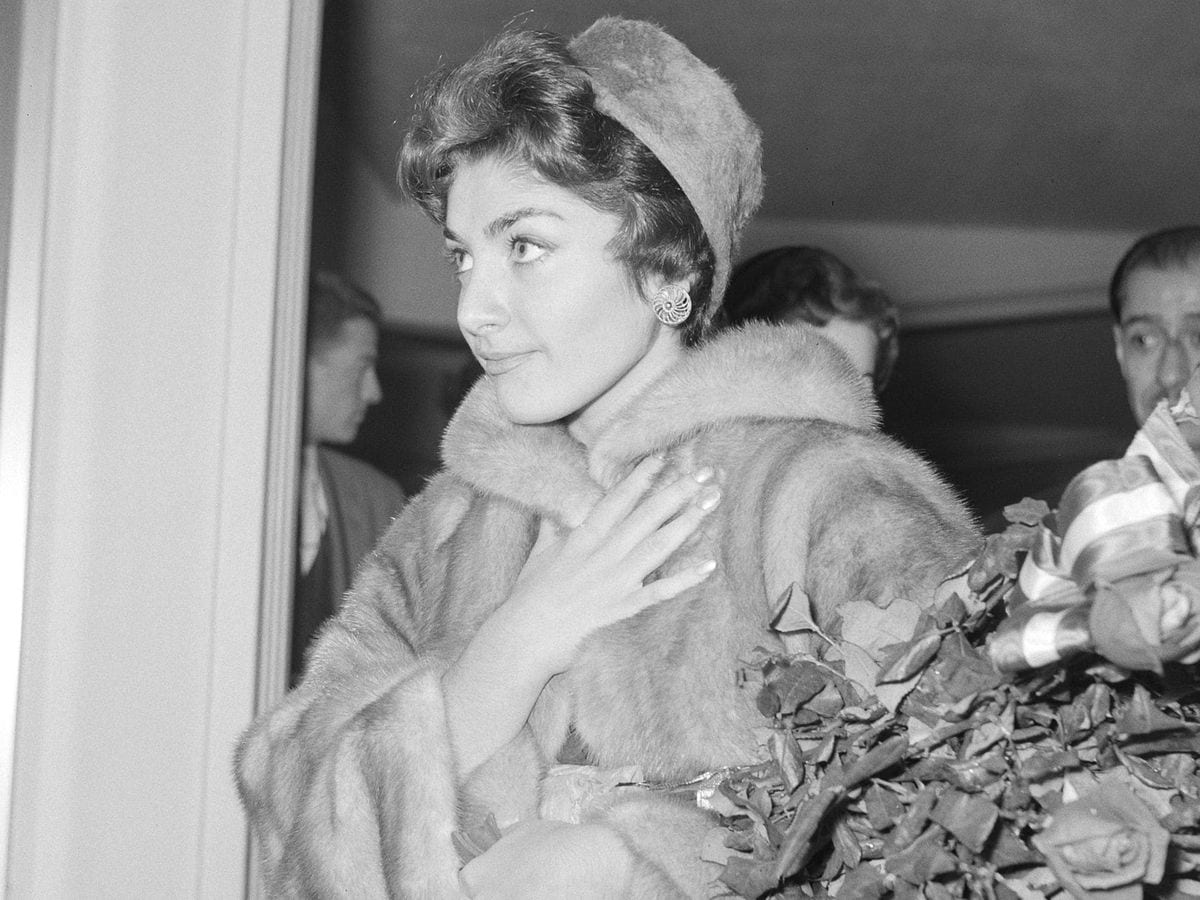
Mohammad Reza also went on to rebuild his life. On February 12, 1951, at Tehran’s Golestan Palace, the Shah married Soraya Esfandiary Bakhtiari, a beautiful 19-year-old.
This second marriage would not last forever either. The son the Shah so desperately wanted never arrived. Seven years later they divorced, a decision Soraya, Princess of Iran, by then known to the world as the “princess with the sad eyes,” described as “a sacrifice of my own happiness.”
 © Getty Images
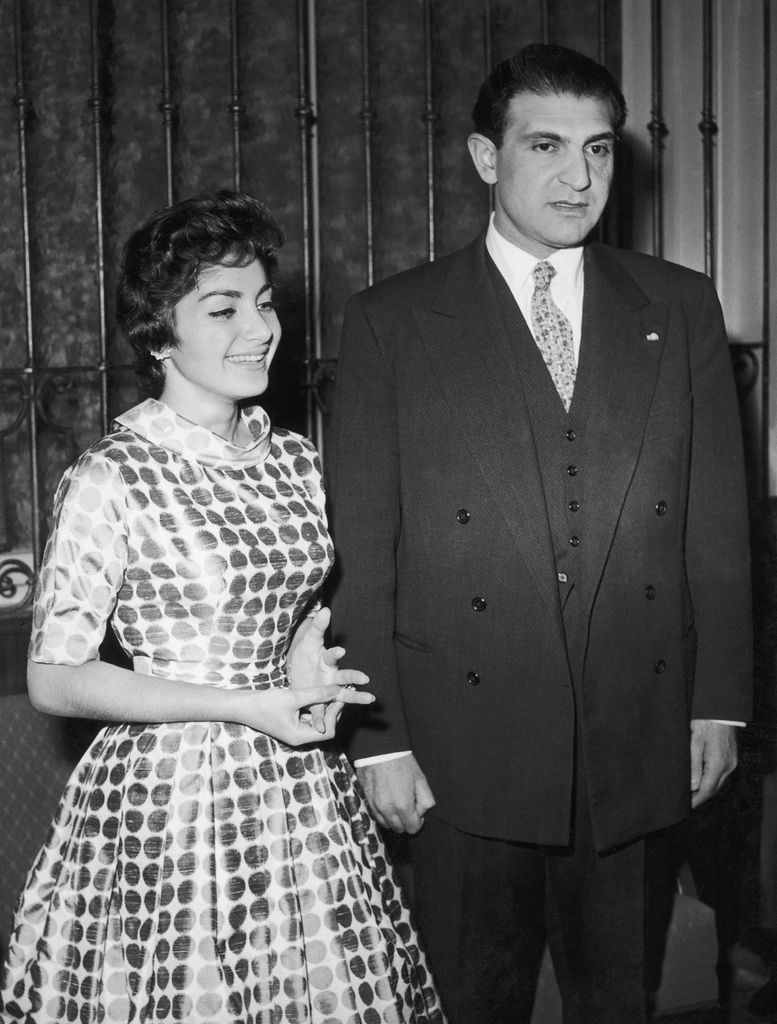
At sixteen, Shahnaz herself became Iran’s bride. In the majestic Golestan Palace, where her father had married Princess Soraya six years earlier, she wed Ardeshir Zahedi, the country’s foreign minister and, it was said, her father’s ideal choice.
Shahnaz followed her husband abroad, accompanying him to the United States and the United Kingdom, where he served as Iran’s ambassador. They had a daughter, Princess Zahra, but the marriage lasted only seven years. In 1964, the couple divorced.
Meanwhile, in 1959, the Shah married again for the third and final time, to another young woman, Farah Diba. She would remain by his side until the end of his life in exile, and together they had four children: Farahnaz, Reza, Alireza and Leila.
 © Getty Images
 © Getty Images
Silence
In 1967, the splendor of Golestan Palace once again captured the world’s attention. That year, the Shah marked well over two thousand years of the Persian Empire with a lavish coronation ceremony.
There, before his subjects, he placed the imperial crown, set with more than three thousand precious stones, upon his head, and then crowned his wife, Farah Diba, as Empress of Persia.
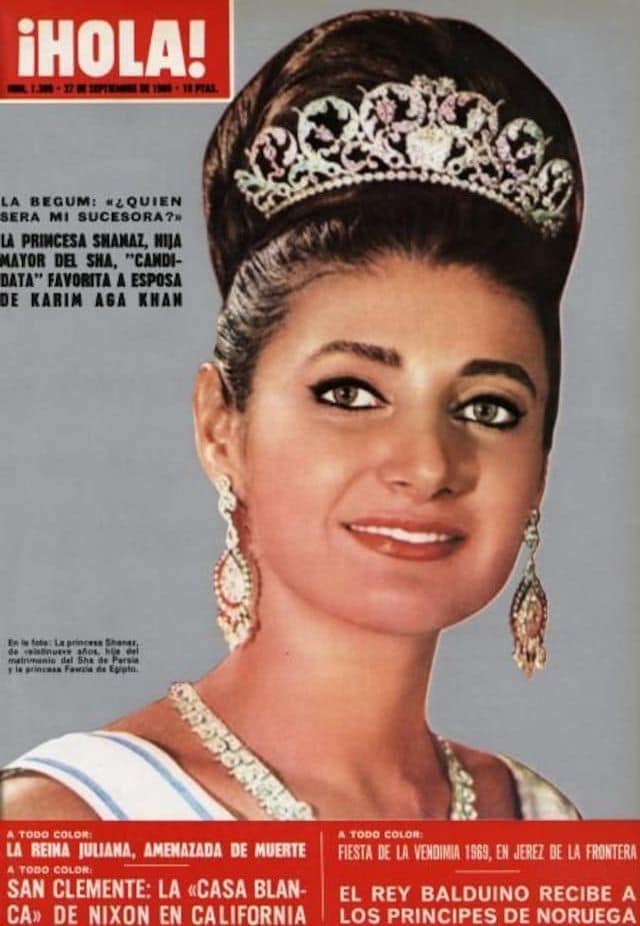
Their young son Reza thus became crown prince, but at his side stood his beloved Shahnaz, wearing a spectacular tiara commissioned by the Shah himself from Van Cleef and Arpels, set with emeralds and diamonds, along with matching earrings and a necklace.
 © Getty Images
With that image, the princess, who had always preferred silence, briefly stepped into the spotlight, though not for long.
On January 16, 1979, the Islamic Revolution erupted, and the royal family left the country, leaving everything behind. Exile began, and Shahnaz found herself facing a new destiny.
 © ¡HOLA!
Far from Iran, in February 1971, she married Khosrow Jahanbani in a ceremony held at the Iranian embassy in Paris. This time, it was a “yes” that lasted forever. They remained together until her husband’s death in 2014 in Geneva, and their marriage produced two children, Khosrow and a daughter she named Fawzia, in honor of her mother.
Her life today remains largely a mystery. She has lived in Switzerland for decades, and in 2013 she was granted Egyptian citizenship. Shahnaz, who had always lived between two worlds, thus affirmed the story of her identity.
Read the full article here