
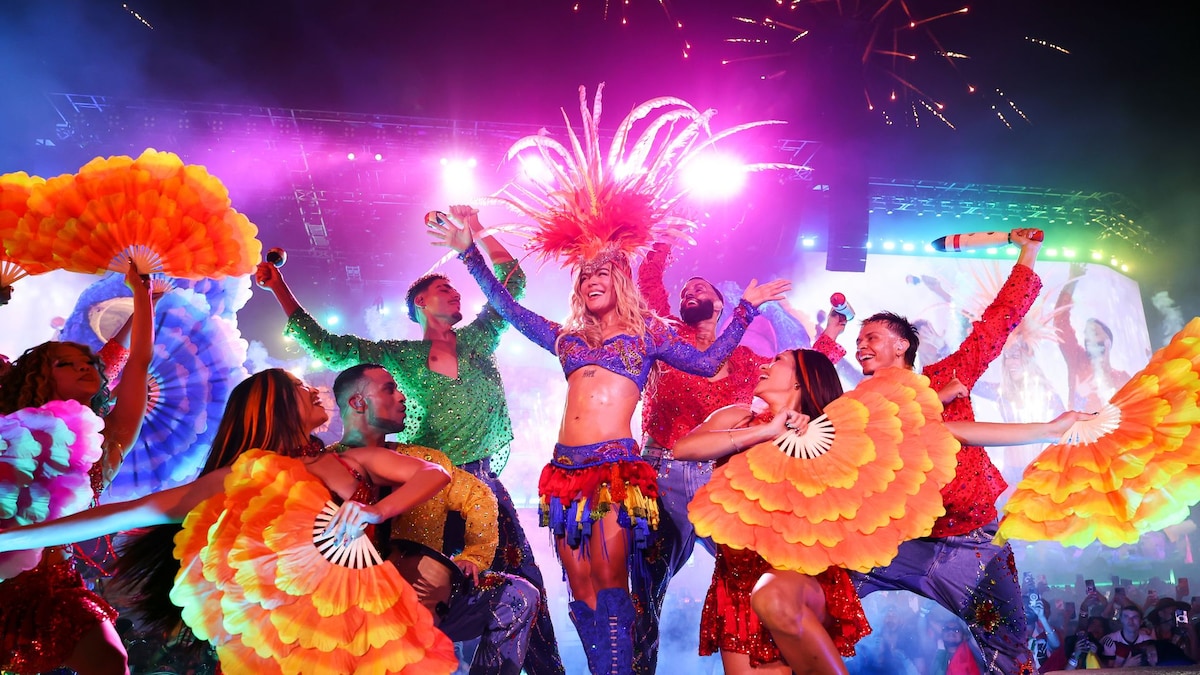

When Karol G stepped onto the Coachella stage, she delivered a masterclass in Latin music evolution. Her debut was a dynamic, non-stop showcase of rhythms spanning the entire Latin American diaspora. Salsa met reggaeton, baile funk collided with pop, and tradition blended seamlessly with modern spectacle.
From the first beat of “Latina Foreva,” Karol set a tone that felt intentional and deeply rooted in identity. The performance unfolded like a curated journey through Latin culture, each transition sharper and more immersive than the last. It wasn’t just about hits; it was about narrative, representation, and scale.
A Genre-Blending Set That Kept the Energy High
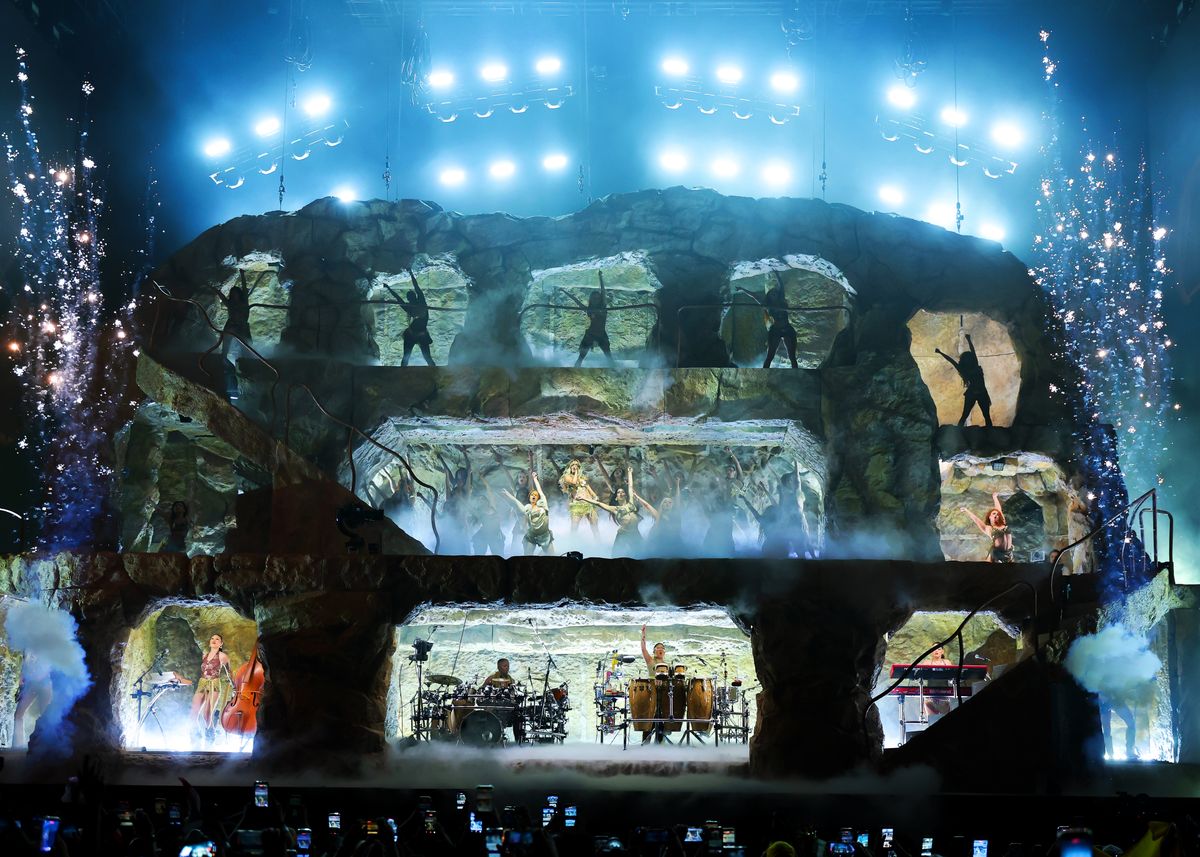
Karol G’s setlist was designed for impact. Crowd favorites like “El Makinon” and “Papasito” hit with precision, elevated by choreography from Parris Goebel that turned the stage into a full-scale production. Every movement felt cinematic, reinforcing the global ambition of her Tropicoqueta era.
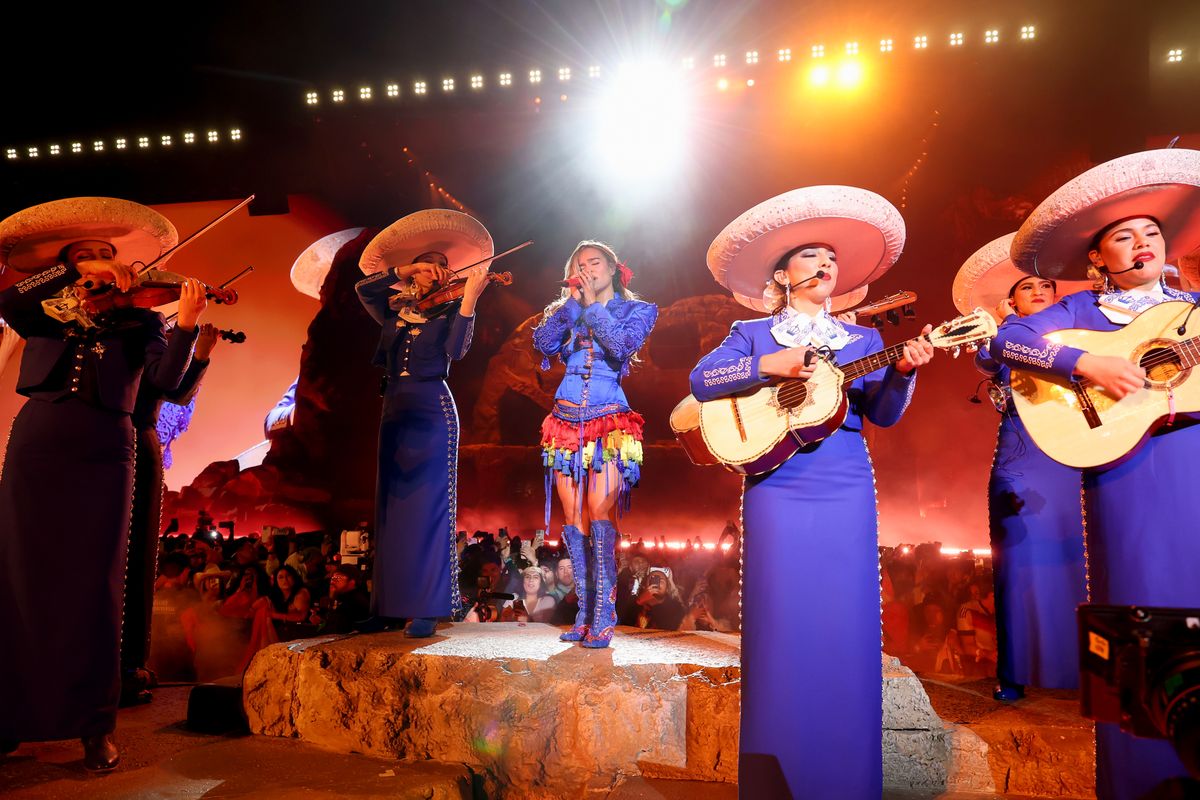
She leaned into variety without losing cohesion. Old-school reggaeton moments grounded the show in nostalgia, while baile funk injected a raw, club-ready energy. Then came a standout pivot, including an all-female mariachi ensemble that joined her for “Ese Hombre es Malo,” blending tradition with empowerment in a way that felt both fresh and culturally resonant.
 © Getty Images for Coachella
Surprise Guests Took the Performance to Another Level
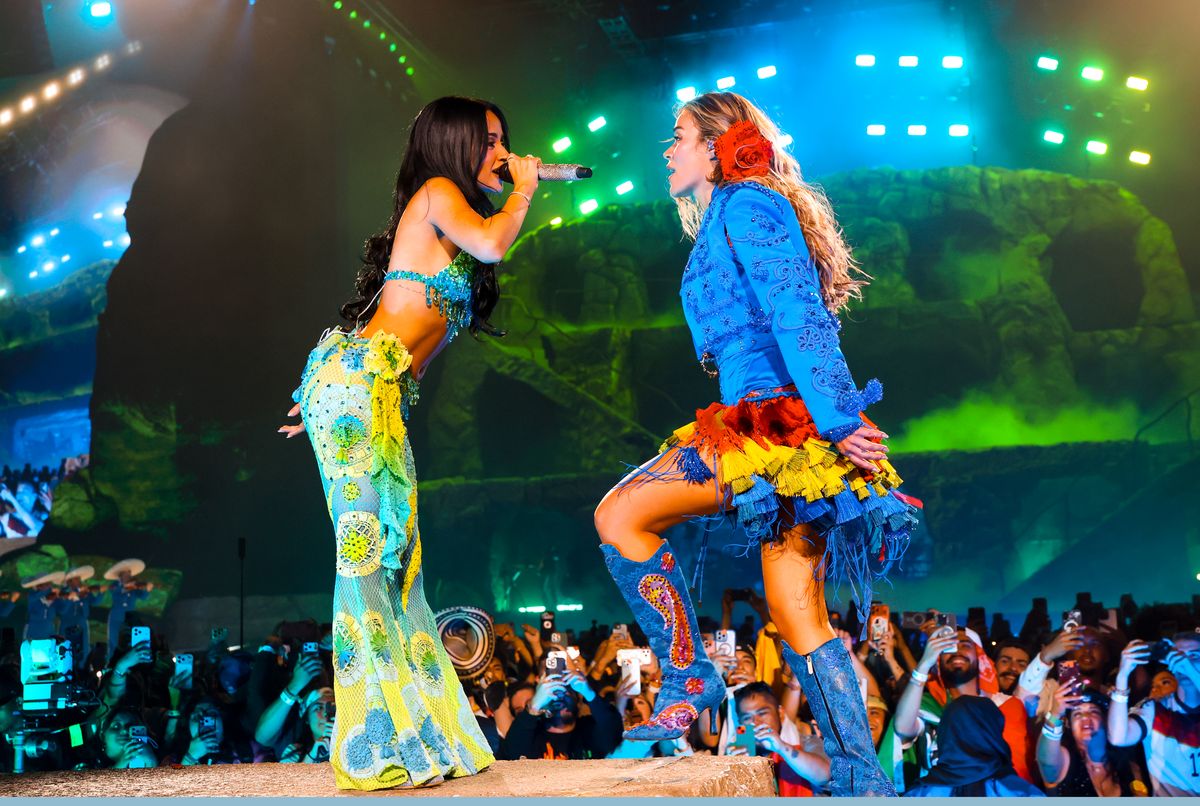
Karol G understood the assignment when it came to surprise moments. The energy peaked when Becky G joined her for “MAMIII,” a collaboration that instantly electrified the crowd. Their chemistry translated effortlessly, turning the performance into a celebration of female Latin power.
 © Getty Images for Coachella
During an exclusive interview with HOLA! At Coachella, Becky G shared details of her friendship with Karol G and how the pair have reached success in a male-dominated industry. Watch here!
Karol G then pivoted genres again, bringing out Greg González for a new, unexpected track that introduced an indie edge to the set. The contrast worked, showcasing her versatility and willingness to experiment beyond reggaeton’s core.
 © Getty Images for Coachella
Closing the guest lineup, reggaeton legend Wisin stormed the stage, delivering classics like “Pam Pam,” “Mayor Que Yo,” and “Rakata.” It was a strategic nod to the genre’s roots, bridging generations in a way that felt celebratory rather than nostalgic.
A Historic Headlining Moment
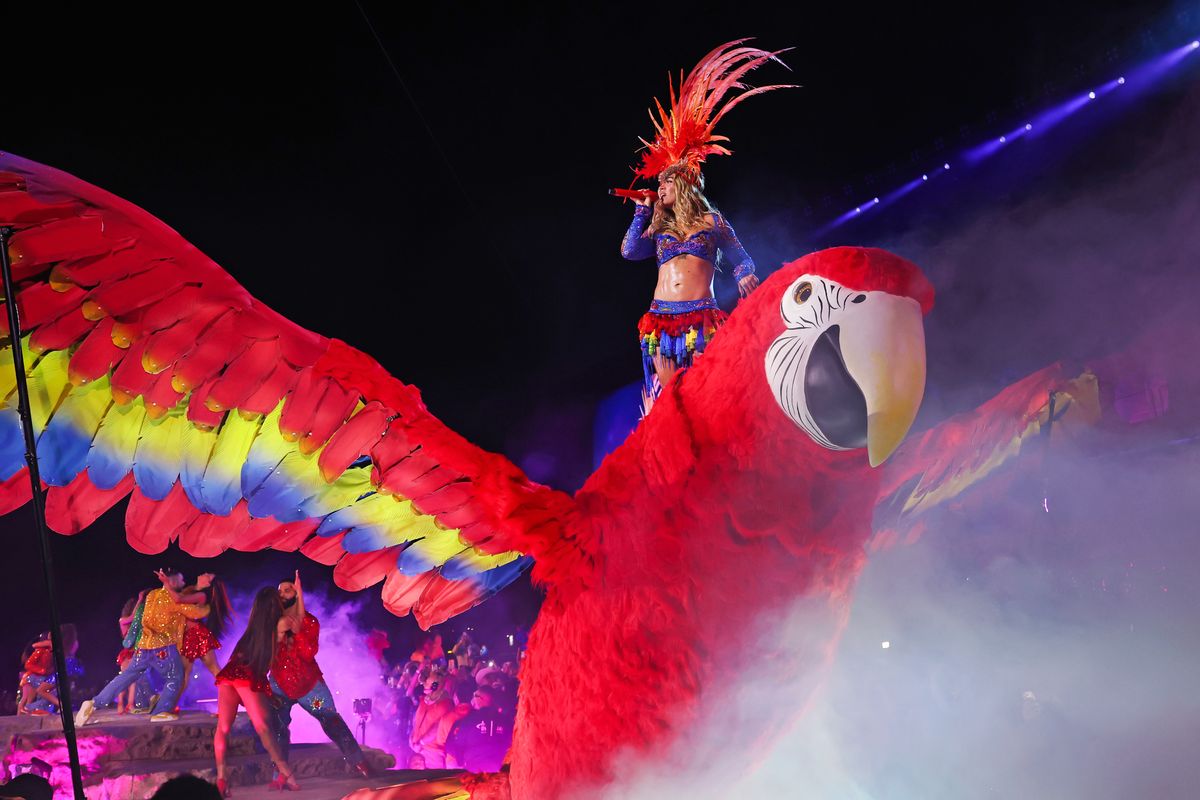
Karol G’s performance carried weight beyond the music. As the first Latina to headline Coachella, she stepped into a moment of cultural significance and delivered with clarity and intention.
Her tribute to Gloria Estefan with “Mi Tierra” added emotional depth, connecting past pioneers with present achievements. By the time she reached her finale, “Si Antes Te Hubiera Conocido,” the audience was participating in a milestone.
 © Getty Images for Coachella
Karol has openly spoken about her responsibility to represent Latinidad on a global stage, and every detail of the show reflected that mission. The months of preparation paid off in a performance that felt curated, expansive, and culturally grounded.
The Looks That Defined Her Tropicoqueta Era
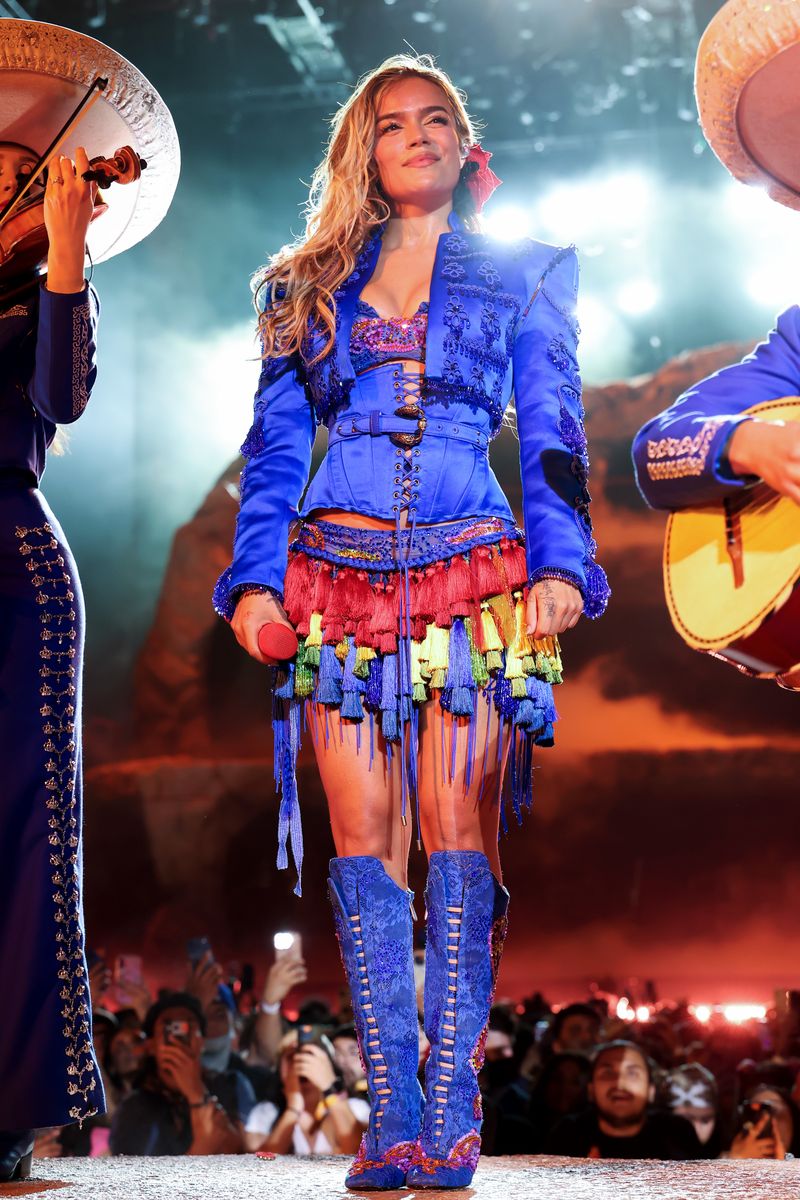
Karol G’s fashion choices were just as intentional as her setlist. Each look is aligned with the Tropicoqueta aesthetic, featuring bold, colorful, and Latin-flair-rooted elements. One standout ensemble featured a structured blue corset jacket paired with a multicolored fringe skirt and matching knee-high boots.
 © Getty Images for Coachella
The look fused mariachi inspiration with modern pop styling, creating a visual identity that felt both traditional and forward-thinking.
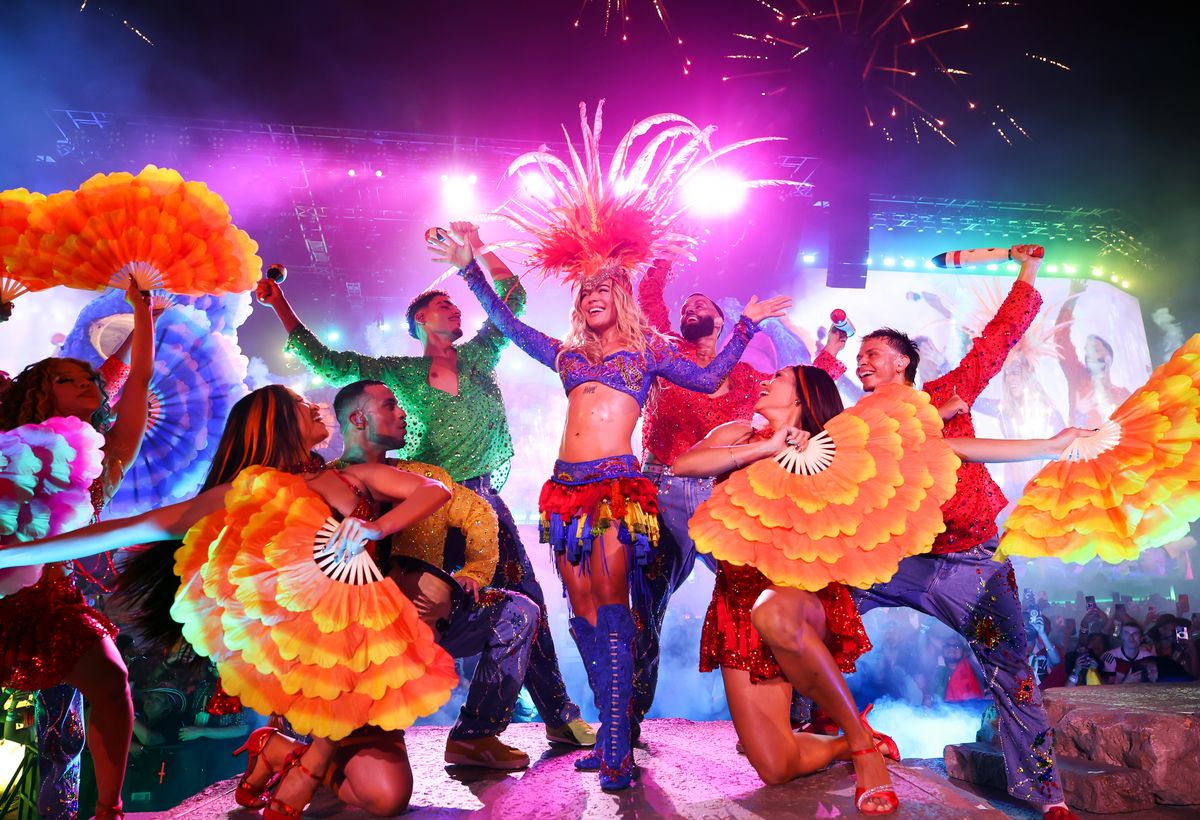
Another moment saw her in a dramatic feathered headpiece with vibrant reds and oranges, channeling carnival energy while commanding the stage. The movement of the feathers amplified her choreography, turning every step into a visual spectacle.
 © Getty Images for Coachella
She also leaned into softer, romantic elements with a white ensemble featuring yellow, blue, and red ruffled sleeves — a subtle nod to Colombian colors. Each outfit contributed to a cohesive visual story that elevated the overall experience.
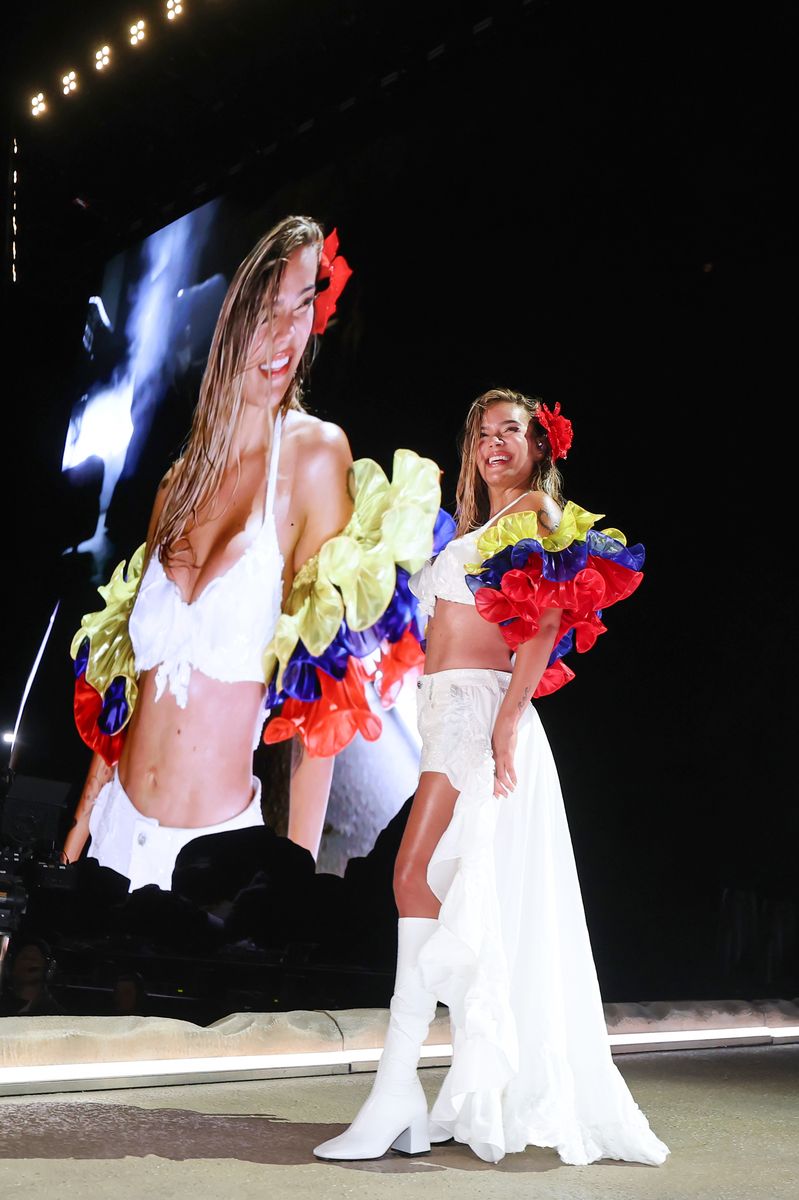 © Getty Images for Coachella
A Career-Defining Performance
Karol G’s Coachella debut didn’t just meet expectations; it redefined them. By blending genres, spotlighting collaborators, and centering Latin culture, she created a performance that felt both personal and globally resonant.
This moment cements her as more than a chart-topping artist. It positions her as a cultural force shaping how Latin music is presented on the world’s biggest stages. The Tropicoqueta era is officially here, and it’s already leaving a lasting imprint.
Read the full article here