

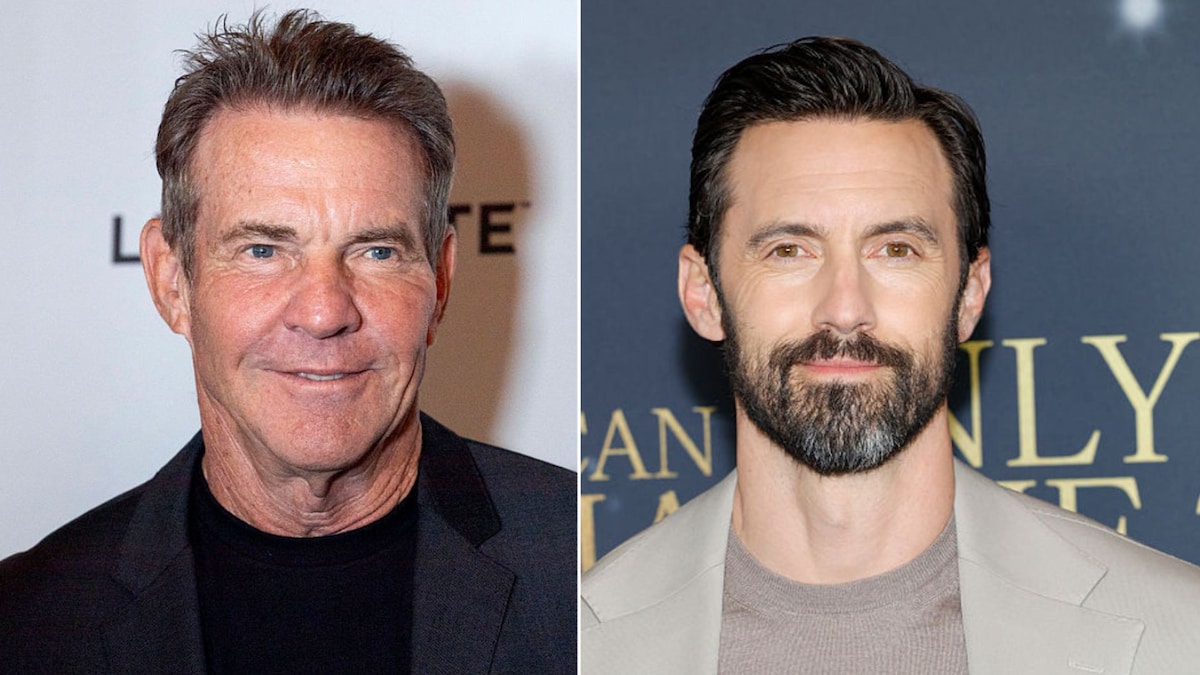

Nearly a decade after I Can Only Imagine became the highest-grossing independent film of 2018, I Can Only Imagine 2 is set to hit theaters on February 20. The original told the true story behind MercyMe’s breakout song of the same name, the best-selling Christian single of all time. It centers on lead singer Bart Millard (J. Michael Finley) and his turbulent relationship with his abusive father, Arthur (Dennis Quaid), whose later cancer diagnosis forces an emotional reckoning rooted in forgiveness, faith, and grief.
After becoming a cultural phenomenon and grossing $85.2 million worldwide against a $7 million production budget, the sequel isn’t trying to recreate lightning in a bottle. Instead, it leans into something quieter: grief, memory, forgiveness, and what happens after the miracle moment fades.
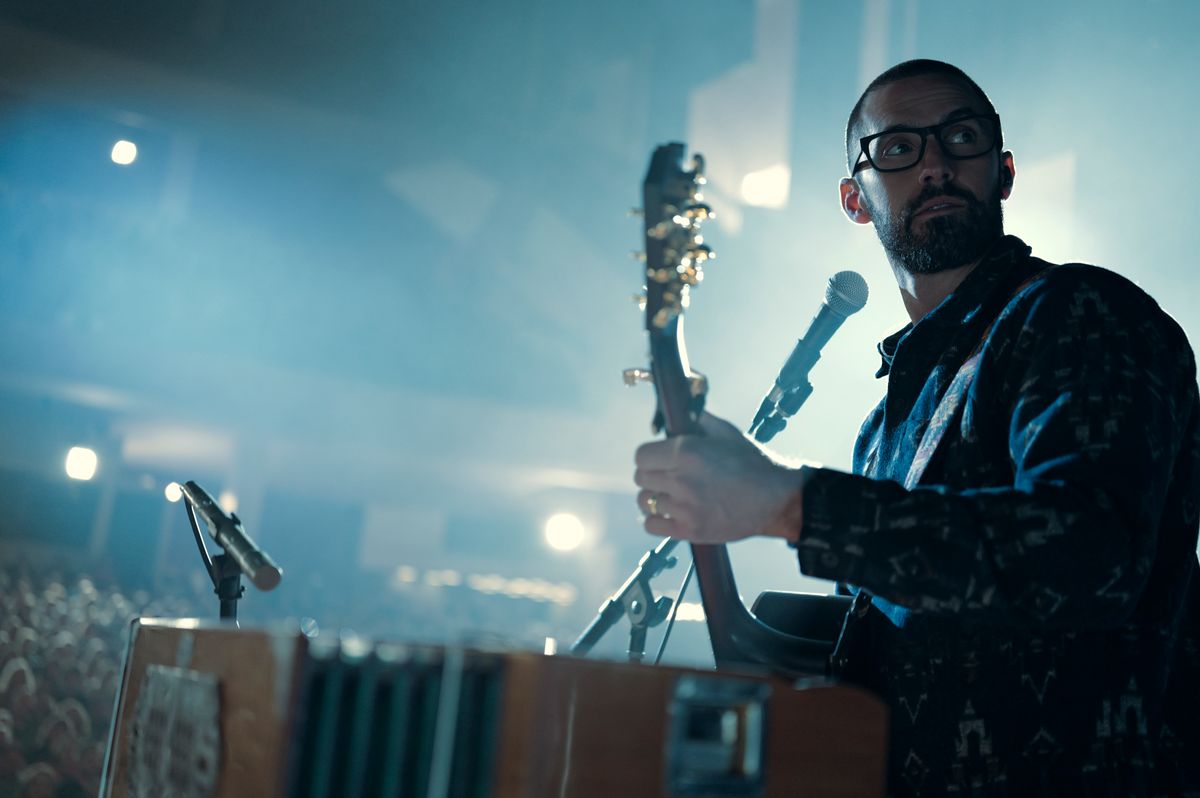
The sequel brings on new stars, including Milo Ventimiglia, who plays real-life musician Tim Timmons. Timmons joined MercyMe on tour after receiving a terminal cancer diagnosis in 2001 with a five-year prognosis. Twenty-five years later, he’s still alive.
 © Jake Giles Netter/Lionsgate
HOLA! had the opportunity to speak with Ventimiglia and Quaid separately ahead of the film’s release. Ventimiglia entered our interview room after visiting Quaid’s. “I was listening to Dennis through a closed door as he was doing an interview, just learning about things that are part of Dennis Quaid’s history,” he told us.
Quaid and Ventimiglia star in the film as two very different fathers, and while they didn’t work together on this project, they recently wrapped a Netflix movie, Dog’s Perfect Christmas, where Ventimiglia plays Quaid’s son.
When asked whether he received any advice from the Golden Globe nominee, Ventimiglia shared, “I don’t know if it was advice, but he said something that I thought was pretty remarkable. Our very first day of filming on the second movie, he said, ‘People want to see you think.’ And I went, OK, that is pretty remarkable. It really stuck with me.”
When I relayed Ventimiglia’s response to Quaid and asked him to elaborate, he chuckled. “I guess it’s about letting the scene kind of breathe,” Quaid explained. “I’ve always believed that you could turn the sound down and still kind of know what’s going on. It’s the subtext, what’s happening beyond the words. Not that the text isn’t important, but it’s really what’s going on underneath it.”
That philosophy quietly underpins I Can Only Imagine 2, a film less interested in big declarations of faith and more about what lingers after trauma. Quaid returns as the complicated, and for some, all too relatable father.
Over the course of his career, Quaid has played his fair share of fathers across vastly different emotional landscapes. “What did you find yourself exploring differently in this film when it came to fatherhood?” I asked.
“Boy, I really have played a lot of dads,” he said. “This was the most challenging of all because Arthur was not a good person. He was very abusive, very abusive as a father. The way Bart grew up, honestly, social services would’ve been there pretty fast. Usually, people like that were abused themselves, and there’s a chain that gets passed on.”
 © Lionsgate
Arthur’s cruelty shaped Bart’s childhood, but the sequel focuses on the late-in-life transformation that followed his diagnosis. “Rare is it that I see somebody truly change, fundamentally,” Quaid said. Arthur does. He seeks forgiveness. Not instantly, not easily, but genuinely. “The relationship slowly formed in those last couple of years of his life. There was some sweetness and love there.”
In Quaid’s view, the greatest gift Arthur gives his son isn’t redemption, it’s release. “Bart didn’t have to carry that around for the rest of his life,” he said. “It really changed the whole story.”
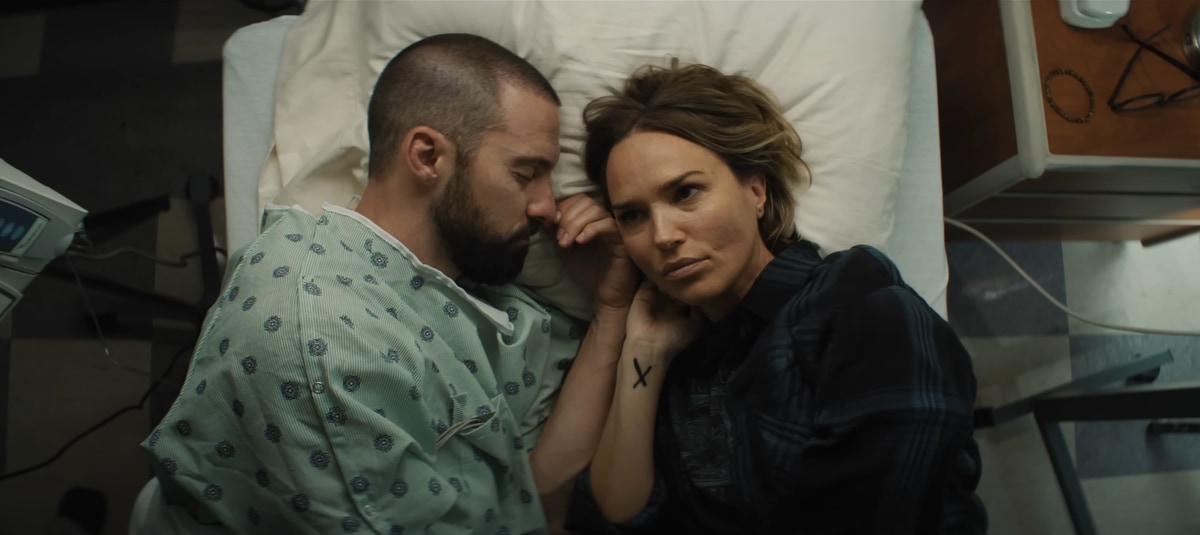
That idea, what we carry and what we let go of, runs parallel to Ventimiglia’s experience portraying Timmons. “Tim’s a walking miracle,” Ventimiglia said. “Twenty-five years ago, he was given five years to live, and he wakes up every day with gratitude.”
 © Lionsgate
For Ventimiglia, playing a real person meant honoring that reality. “They’re not a character,” he said. “It’s Tim Timmons. It’s Hillary Timmons. It’s the Timmons family.” He approached the role with care. “I think it’s honoring and respecting that these are real people who are going to have to live with the choices I make on camera, representing them. It’s really about getting to know them, getting to know Tim, understanding why he is who he is.”
What he found surprised him. “This beautiful human being who can hold grief and gratitude in the same measure,” Ventimiglia said. “He gives so much and never asks for anything in return.”
 © Getty
That balance, grief alongside gratitude, changed Ventimiglia personally. “Being around Tim was an affirmation,” he said. “Seeing the way he lives completely reaffirmed how I approach life, relationships, even perfect strangers.”
When it came to playing Timmons, the multi-instrumentalist with an extraordinary story, Ventimiglia, a self-described non-musician, went into training mode. “I’m not a guitarist. I’m not a singer. I’m not a musician. I barely dance,” he said. “But it’s a role. It’s a character. Just like if you play a soldier, you learn weaponry. Tim’s weapon is a guitar.”
“I put my heart into it,” he continued. “I did vocal lessons, worked on my fingers with an old friend, and Tim helped refine his music. I realized I didn’t need to learn how to play guitar. I just needed to learn how to play three songs really well. That helped a lot.”
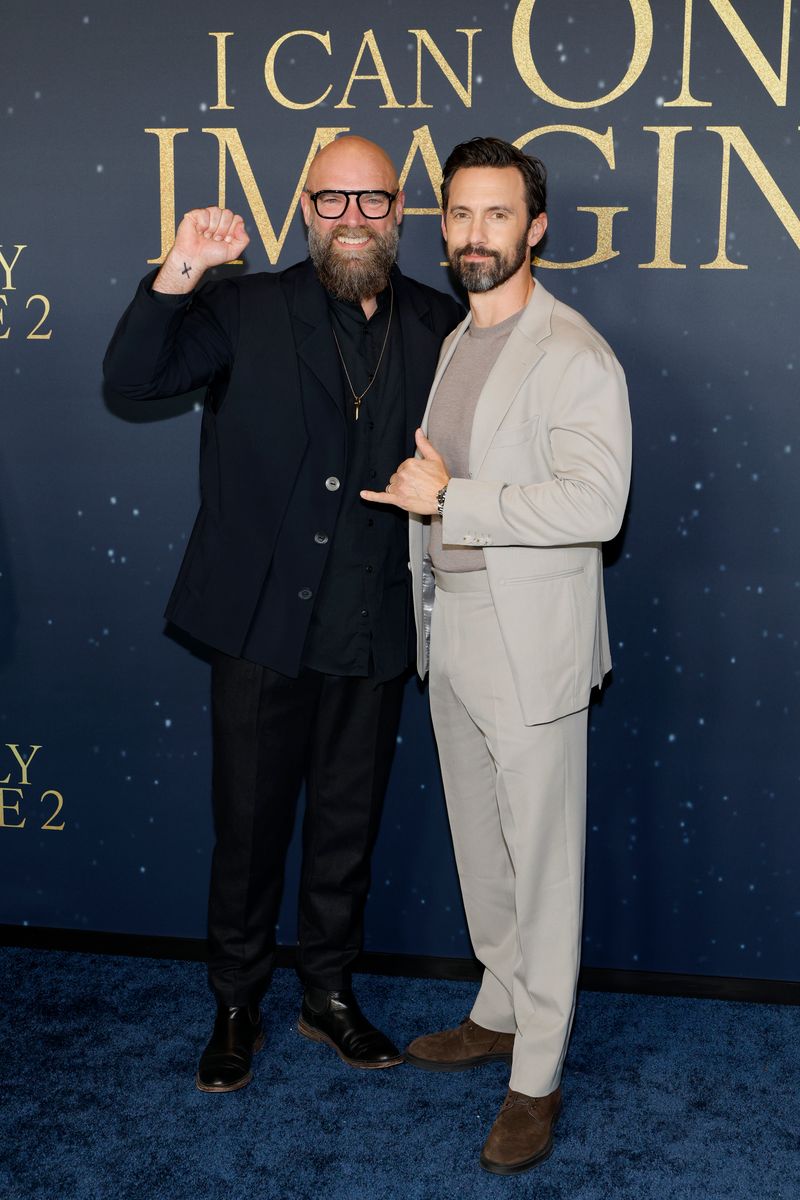
Ventimiglia said he recorded with the film’s directors, Brett McCorkle and Andy Erwin. “After the first take, I turned around, and they were like, ‘That’ll work,’” he recalled. “What you ultimately get is a mashup of my voice and Tim’s voice. Tim has such a beautiful musicality that I don’t have as a novice. I was grateful they mixed us together, so you’re kind of getting both of us.”
Anyone can take away lessons of grief, gratitude, and giving yourself grace, allowing yourself to grieve while still finding gratitude.
Both actors gently pushed back on labeling the movie as strictly “faith-based.” Ventimiglia framed it as universal. “We go to films for entertainment and messaging, faith-based or not,” he said. “Anyone can take away lessons of grief, gratitude, and giving yourself grace, allowing yourself to grieve while still finding gratitude. There are so many messages that I hope will positively impact people.”
Quaid was even more direct. “I’m reluctant to call them faith-based films,” he said. “Yes, there’s faith in them, and Hollywood has a long history of that. We just haven’t done it much in a while. There’s a real thirst out there for these kinds of movies because they ask the important questions in life.”
“That doesn’t discount action movies or spectacle,” he continued. “But people relate to these films. There’s a hunger for it.”
Grief, after all, is something we will all have to face at some point. Quaid acknowledged that even though his time in the film is short, the weight of the story stayed with him. “I read the script, and it really hit me,” he said. “It always comes near the end.”
 © Lionsgate
I Can Only Imagine 2 is in theaters on February 20.
Read the full article here