

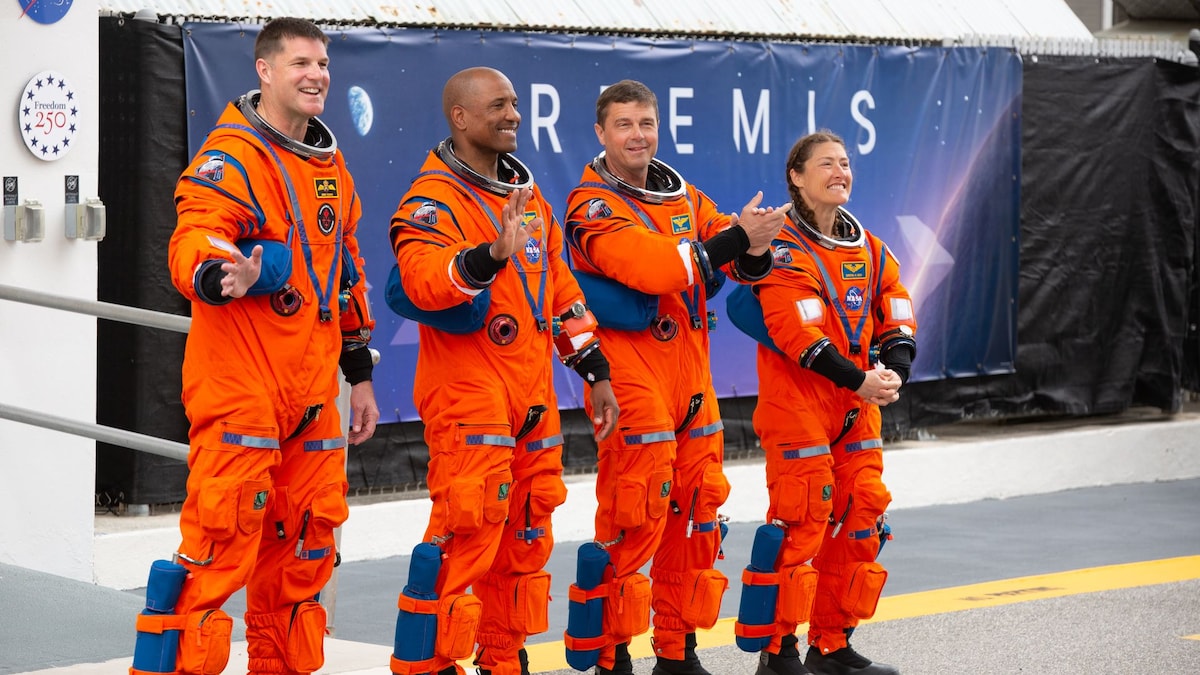

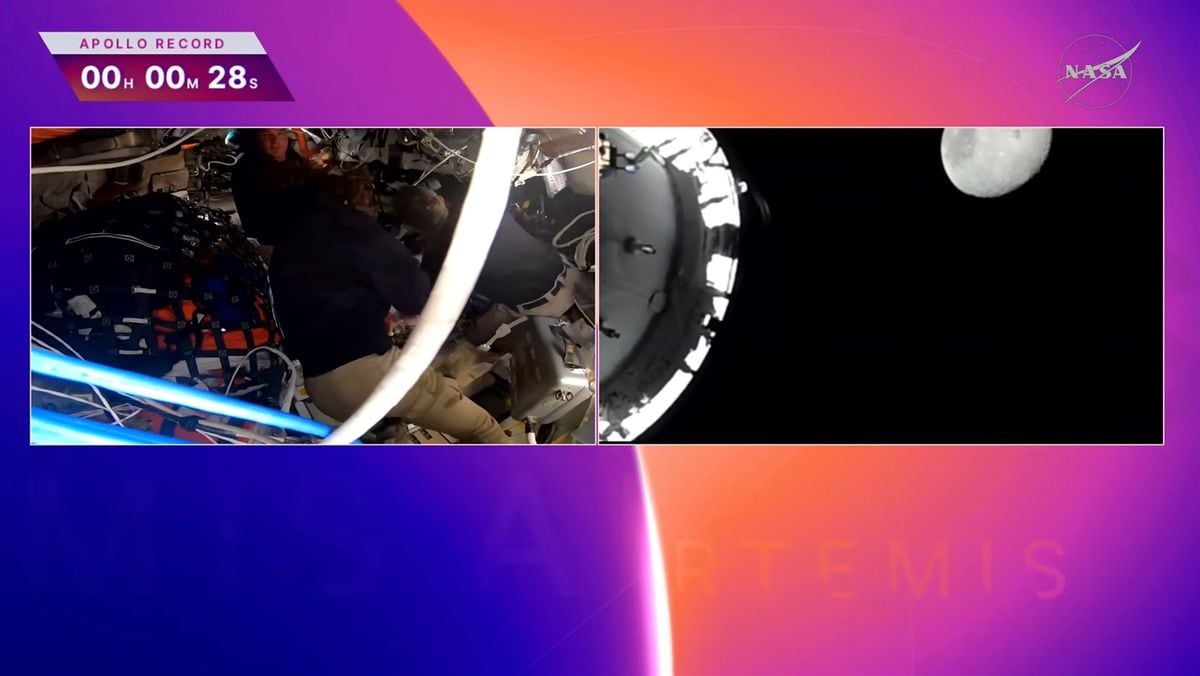
In a defining moment for modern space exploration, astronauts from NASA have surpassed a long-standing record set during the Apollo Program, reaching the farthest distance ever traveled by humans from Earth at exactly 1:57 p.m.
The milestone marks a powerful return to deep space ambitions and signals a bold new era under the Artemis program.
A Record Once Thought Untouchable
For decades, the Apollo missions held the benchmark for human distance in space. Missions like Apollo 13 pushed astronauts nearly 248,655 miles from Earth, a feat that stood unmatched for over 50 years. That changed when the Artemis crew quietly crossed that invisible boundary, etching their names into history.
Unlike Apollo’s urgency-driven missions, Artemis represents precision, long-term vision, and international collaboration. This record-breaking moment wasn’t just about distance—it was about proving humanity’s readiness to go even further, with Mars now firmly in sight.
 © NASA / HOLA
Emotions Overflow in Deep Space
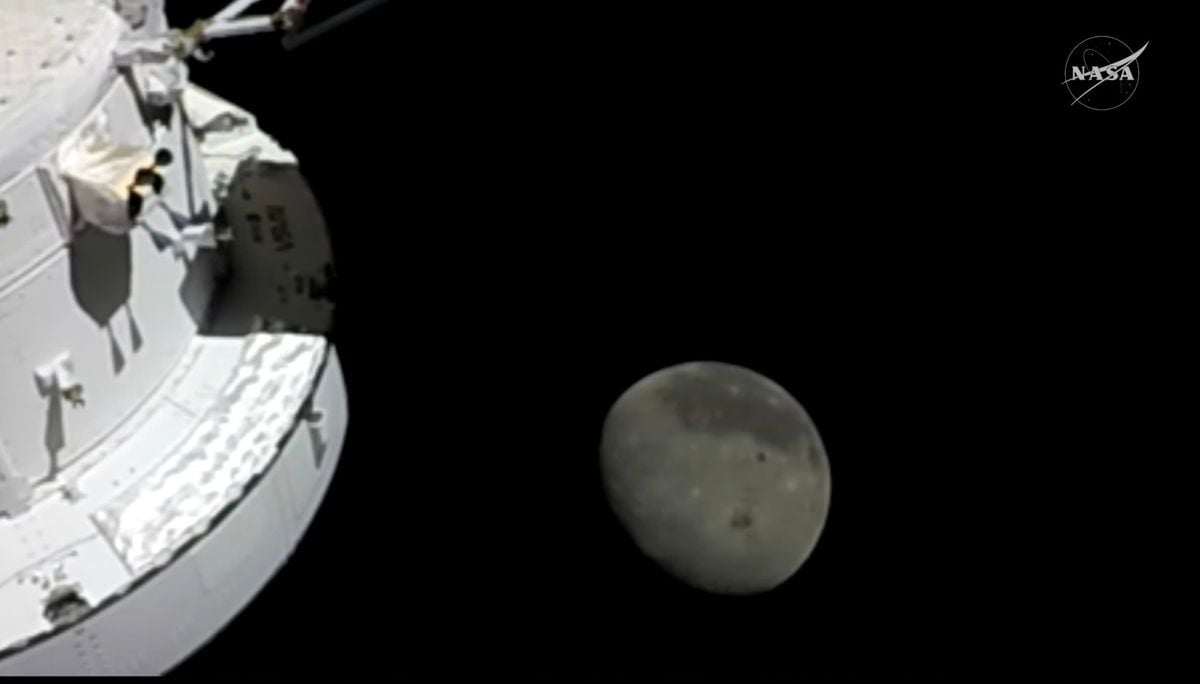
As the spacecraft reached its peak distance, emotions took over inside the cabin. In a spontaneous and heartfelt gesture, Commander Jeremy Hansen requested that two lunar craters be named in honor of values and loved ones tied to the mission.
 © NASA via Getty Images
The first crater was requested to be named Integrity, representing the core principle that guided the crew through years of training, uncertainty, and risk. The name reflects not just personal character but the broader ethos of space exploration, truth, discipline, and accountability.
The second crater, requested to be named Carroll, carried an even more personal significance. It was named in honor of astronaut Reid Wiseman’s late wife, acknowledging the often-unseen sacrifices made by families behind the scenes. Space missions demand years of separation, emotional strain, and unwavering support from loved ones.
This tribute brought that reality into the spotlight.
 © NASA / HOLA
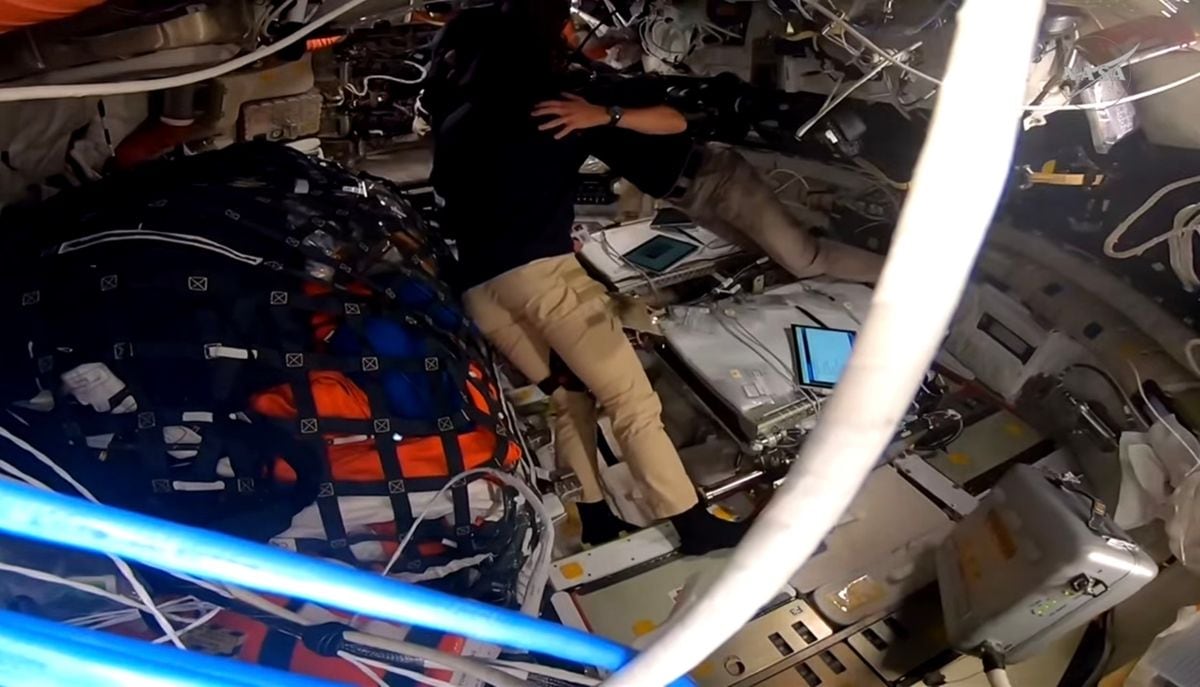
Inside the spacecraft, the moment shifted from celebration to reflection. Crew members shared quiet acknowledgments of the people who made their journey possible.
According to mission audio, the four crew members were moved to tears, fully aware of the magnitude of what they had achieved. The silence of deep space contrasted sharply with the emotional intensity onboard.
 © NASA/ HOLA
Artemis Signals a New Space Era
The Artemis program is not just a continuation of Apollo. While Apollo proved humans could reach the Moon, Artemis is focused on sustainability, long-term presence, and deeper exploration.
 © Anadolu via Getty Images
Breaking the Apollo distance record demonstrates that technology, training, and mission design have reached a new level. More importantly, it confirms that humanity is no longer limited by the boundaries of past achievements.
What Comes Next for NASA and Artemis
With this milestone achieved, attention now turns to upcoming Artemis missions that aim to land astronauts on the Moon’s surface and build infrastructure for long-term habitation. The lessons learned from this journey will directly influence mission planning, spacecraft design, and astronaut training moving forward.
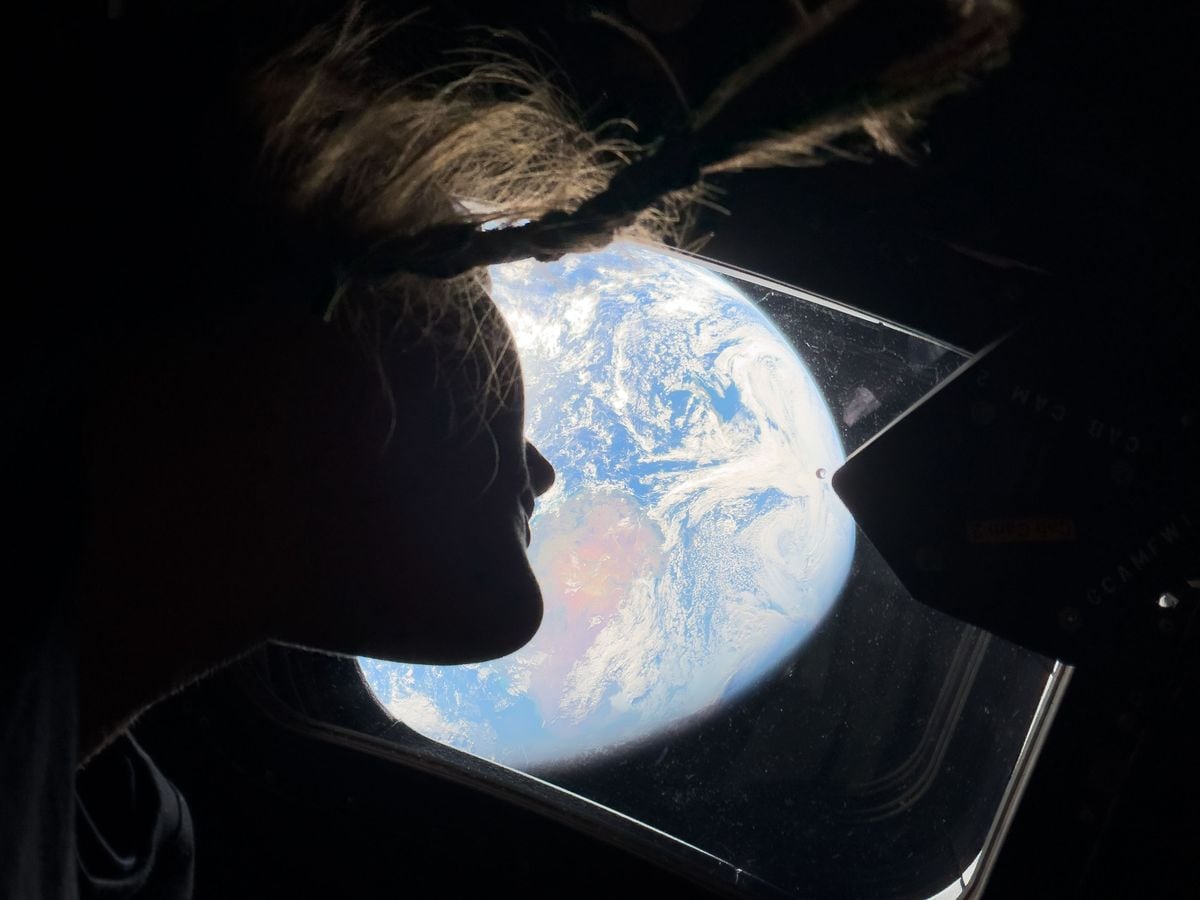 © NASA via Getty Images
NASA’s renewed presence in deep space is no longer theoretical; it’s active, measurable, and accelerating.
Read the full article here