

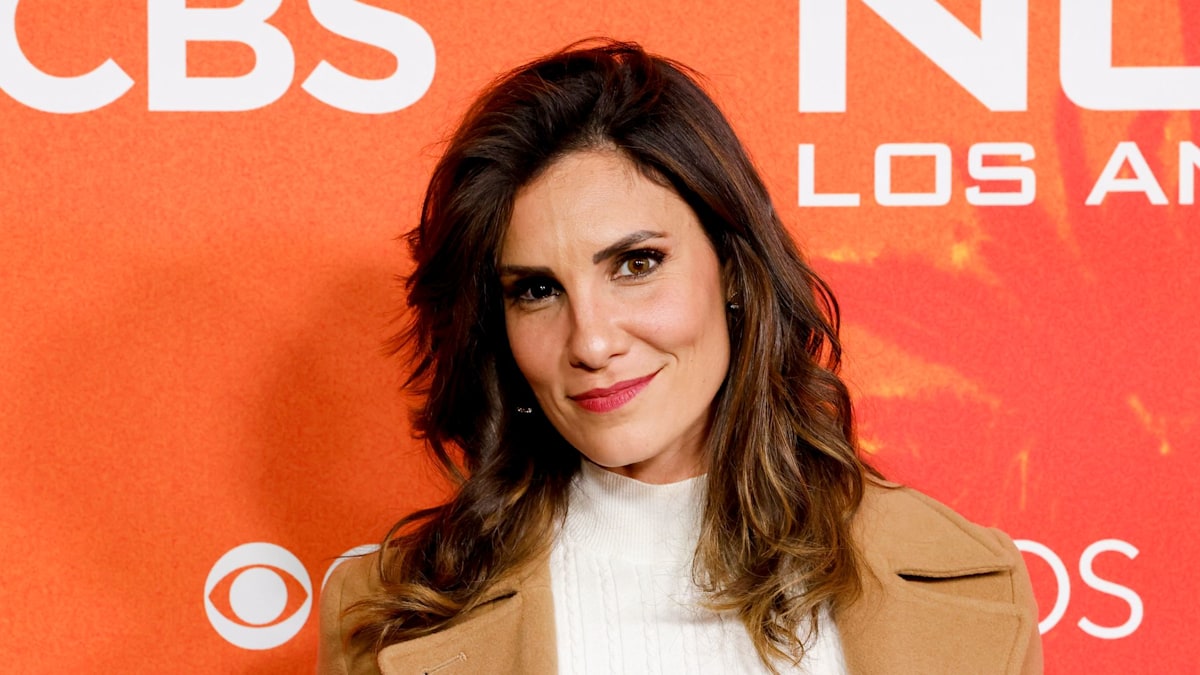

Three years after the end of NCIS: LA, the canceled CBS show is still inspiring its stars.
Daniela Ruah, who starred as Kensi Blye for 14 seasons, is making her short film directorial debut at the Santa Barbara International Film Festival on Saturday, February 7, and shares with HELLO! “the biggest lesson” she took away from her experience directing six episodes of her procedural show, as well as its spin-offs and The Equalizer.
“When you direct on a network television show, especially a procedural, the efficiency with which you have to move is essential,” says Daniela.
“You have to be extremely well-prepared. Anything can happen or change, so you just have to keep adapting. The biggest lesson I learned shooting the episodic procedurals is to be as prepared as you can, so everything is ready; you can pivot on the day if you have to, you can answer everybody’s questions if need be. It is a grand multitasking sport, this thing of directing.”
Daniela’s short film My Type tells the true story of two young people who fall in love over a shared diagnosis of Type 1 Diabetes. The crew shot on 16-millimeter film, and Daniela reveals that one day in their short production window, they ran out of film.
“This was our biggest pivot,” she shared. “I’d never shot on film before, and we had added pages to the script so the film ran out – but it can happen. It is what it is. We then had to figure out where [in the schedule] to put that last scene because the next day we were no longer at that particular location.
“How do we justify it being in a different place? How do we make it work? But the only way we were able to do that is because everybody was so well-prepared.”
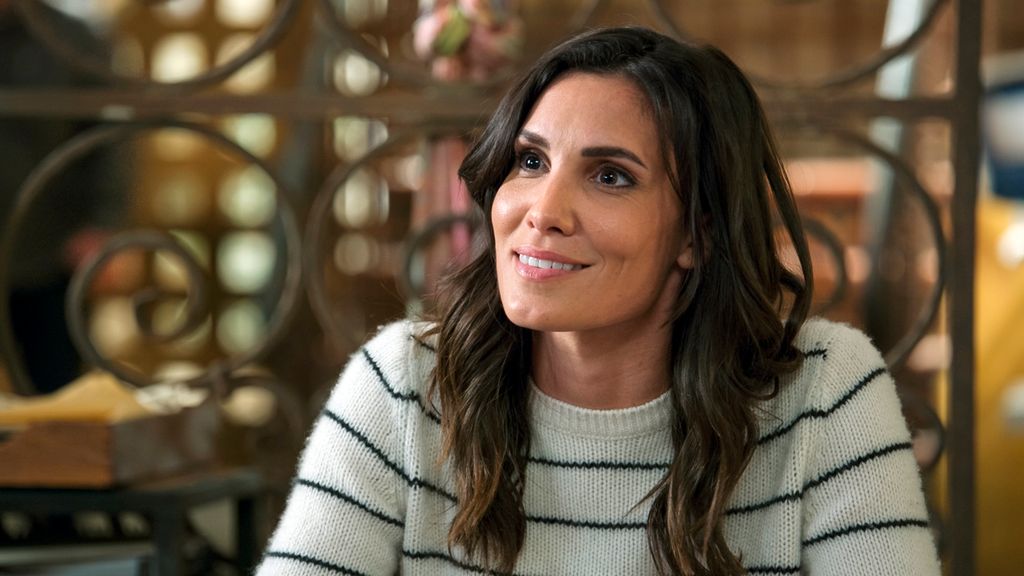 © CBS via Getty Images
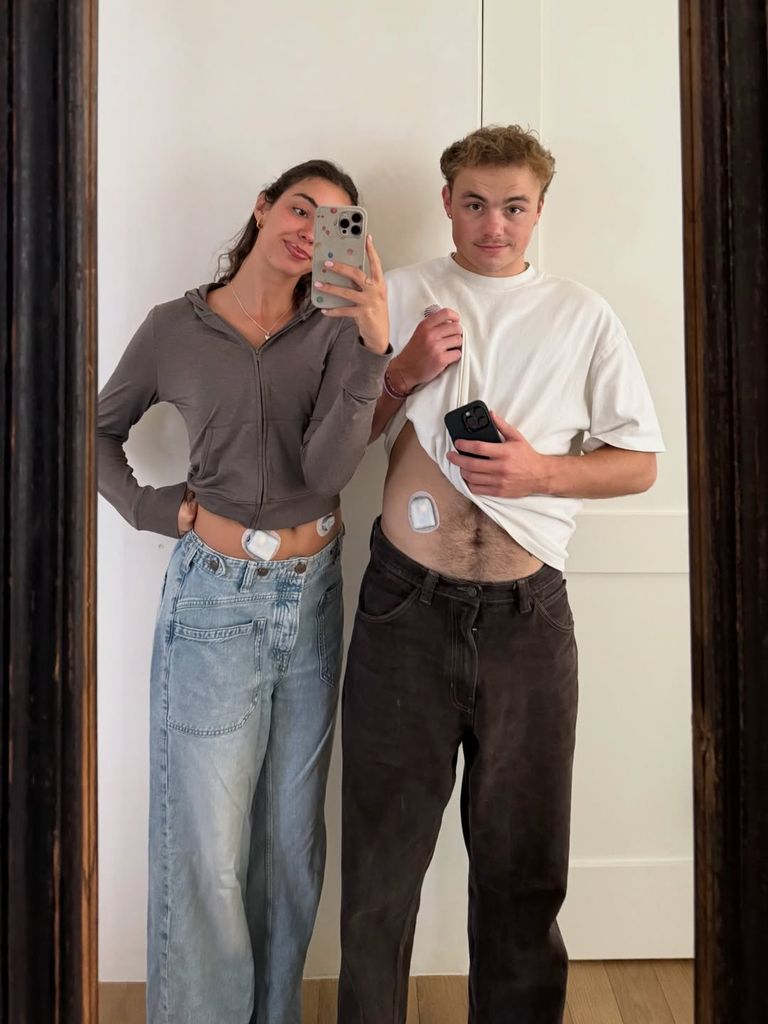
The film was inspired by Zach White, 24, and Elise Scalfani, 27, who connected on a social media account for people living with Type 1 Diabetes, with Zach making the first move with a clever pun — “I think you’re my type.”
Type 1 Diabetes is an autoimmune disease. If you have the condition, the body’s immune system “mistakenly treats the beta cells in your pancreas that create insulin as foreign invaders and destroys them. When enough beta cells are destroyed, your pancreas can’t make insulin or makes so little of it that you need to take insulin to live,” writes the American Diabetes Association. Insulin is a hormone that helps blood glucose (also known as blood sugar) enter cells to be used as energy. If you have diabetes, the blood glucose can’t enter your cells, so it builds up in your bloodstream, which can cause blood glucose (hyperglycemia) and, over time, will harm your body and lead to diabetes-related complications.
Type 1 Diabetes is most often diagnosed in young people, but can develop in anyone at any age.
 © Instagram
A romance story is a departure for Daniela, whom fans know for her crime-fighting ways, but that was part of the challenge for the multi-hypenate.
“The biggest challenge for me was that everything I’ve ever done has an enemy or an obstacle that is external to the characters; it’s the bad guy, it’s the nuclear bomb that’s about to go off, or someone’s been kidnapped,” she said.
“In this particular case, it felt very When Harry Met Sally where the obstacles between them were actually internal and just life perspectives. His perspective with his condition is to live to the fullest, and not to worry about it, and her perspective is, ‘I could die, I have to look at every number, I have to make sure everything is in place.’ Those visions can clash, but there’s something more there between them that allows them to grow with each other in those moments.”
The film had the support and partnership of Omnipod, who provide devices that monitor insulin for those with Type 1 Diabetes, and whose social media accounts Elise and Zach met on.
The team helped Daniela ensure she was accurate about the pods and their placement on the body, and she made sure the cast and crew included those who have the condition. “We were really surrounded by such a wonderful encyclopedia of Type 1 Diabetes,” said Daneila.
“To see how comfortable or stressed people were about monitoring their sugar and insulin levels was really fascinating, and so if we can bring awareness to the condition and help normalize it, that’s awesome.”REBEC
Read the full article here