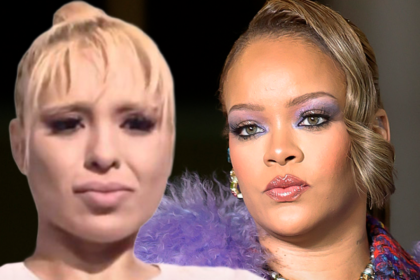

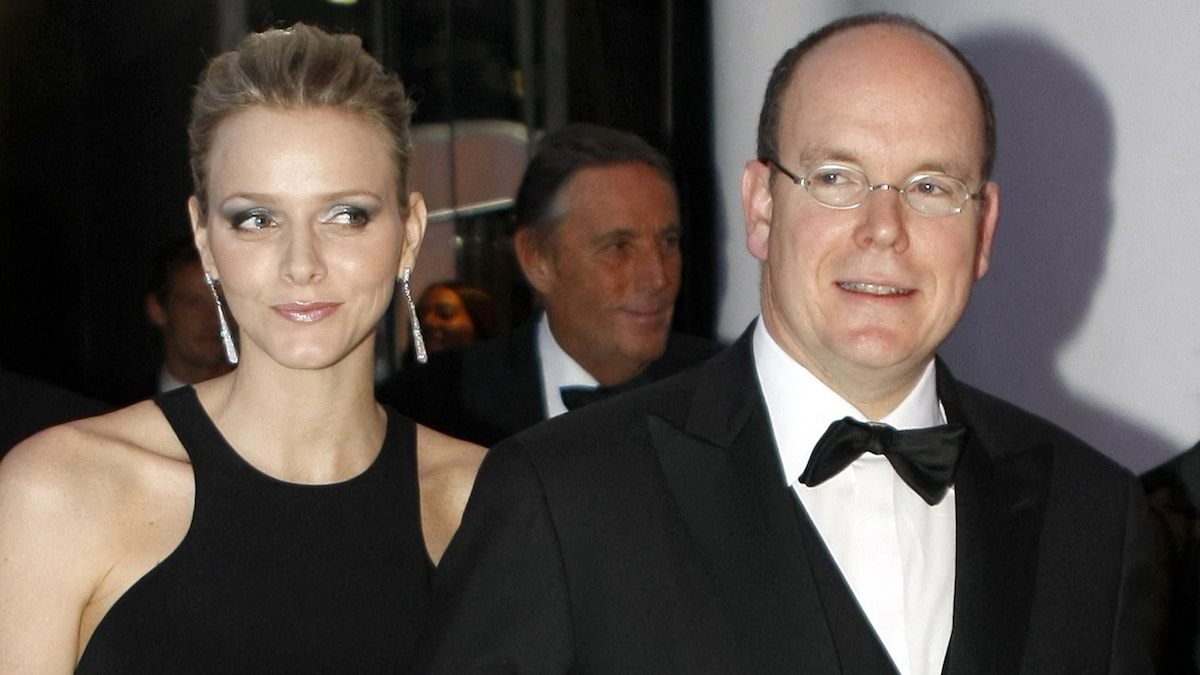

Four years still remained before their wedding, but it was in 2006 that the Olympic swimmer began her transformation into a princess and Monaco’s future first lady. Jokes and affectionate gestures flowed freely that day, when the couple were clearly in a very happy place.
In recent hours, Milan and Cortina d’Ampezzo have begun filling with members of Europe’s royal families ahead of the 2026 Winter Olympic Games, running from February 6 through February 22, with events spread across several regions of Italy.
Alpine skiing, cross-country skiing, ski jumping, figure skating, speed skating, hockey, bobsleigh, and curling are just some of the disciplines in the program. And although Monaco has only one athlete competing this year, Prince Albert was determined not to miss the occasion.
The setting is especially meaningful for the sovereign. It was here, 20 years ago, that he first presented Charlene Wittstock to the world as his future princess.
Prince Albert of Monaco attended Milan for the presentation of the International Olympic Committee’s Climate Action Awards, held in the lead-up to the Winter Games.
 © ODD ANDERSEN
There, he was joined by Princess Anne, sister of King Charles III and the United Kingdom’s official representative at the Games. Albert has also been actively supporting Arnaud Alessandria, the alpine skier representing the Principality in a competition traditionally dominated by Norway, Germany, the United States, and Canada.
This journey inevitably brings back memories of another Olympic Games (Turin 2006) when Prince Albert, exactly two decades ago, chose the international spotlight to introduce his girlfriend to the world.
At the time, Charlene Wittstock was 28 years old and nearing the end of her professional swimming career. The occasion was the perfect stage, being global, symbolic, and impossible to ignore.
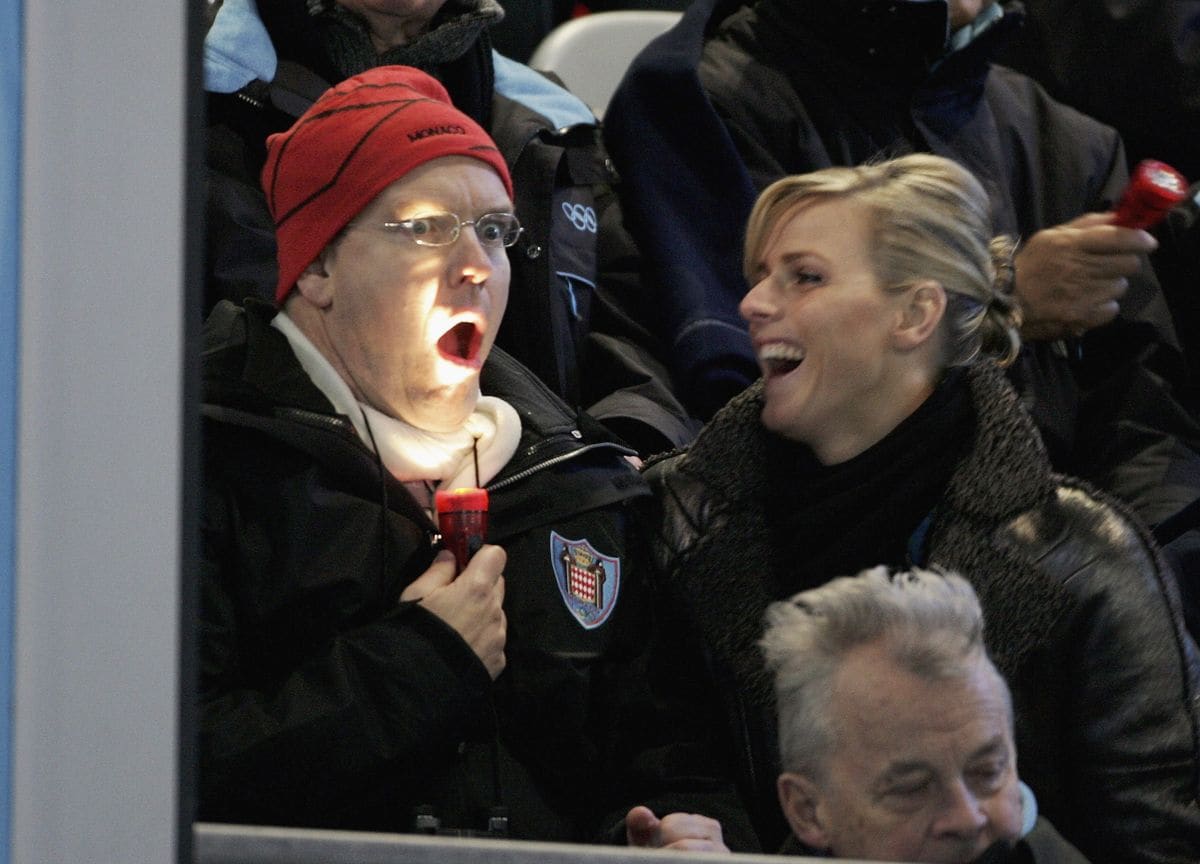 © Pascal Le Segretain
It was widely known that the Prince of Monaco was in love with a swimmer who divided her time between South Africa and Europe, but until then, the couple had never made an official public appearance together.
On February 10, 2006, Charlene appeared at Albert’s side as he attended the Games in his role as head of state. It was a clear signal that their relationship was serious.
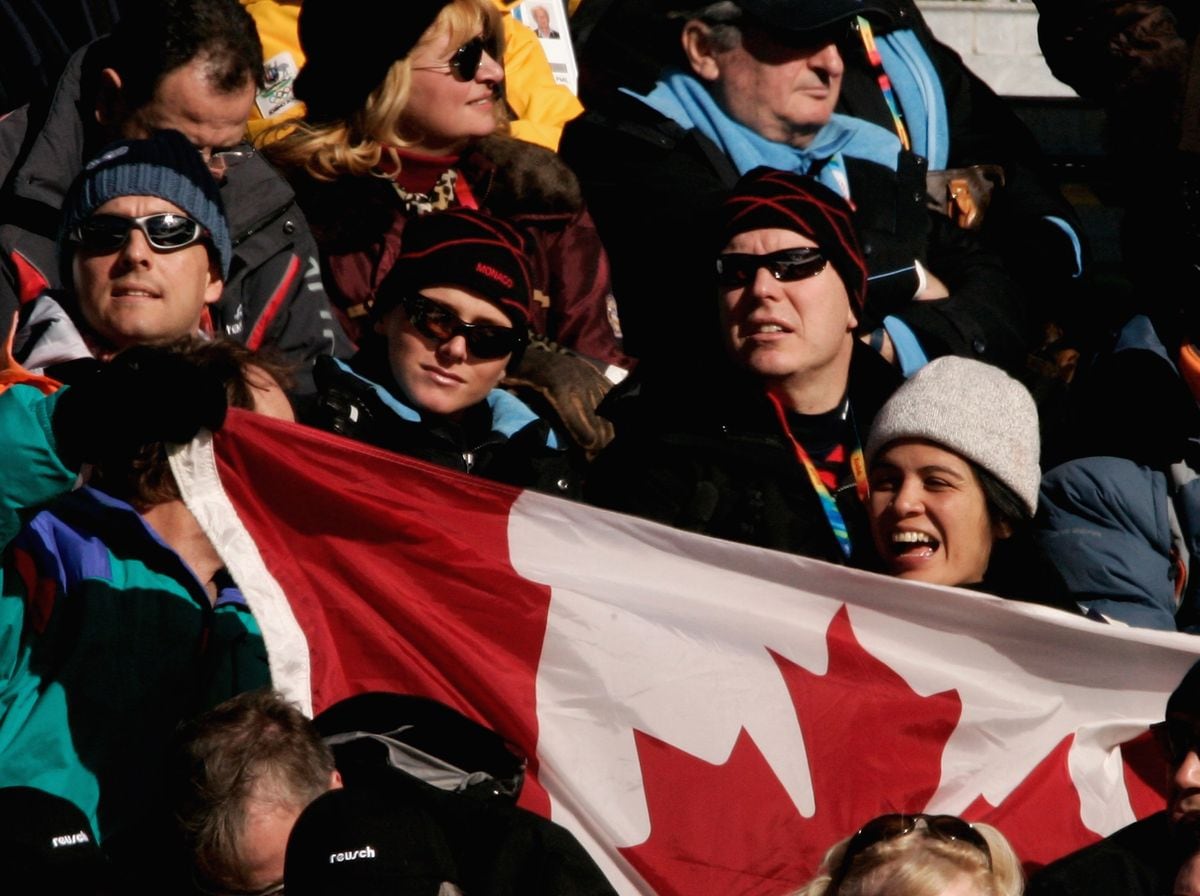 © Pascal Le Segretain
The images from that day told the story without words. The couple exchanged smiles, shared jokes, and showed easy affection, revealing just how strong and joyful their bond was at the time.
Following that appearance, their relationship moved forward at a rapid pace, though it would take another four years before they married in Monaco.
That moment in Turin marked the beginning of a familiar royal journey. The gradual transformation of a woman not born into royalty as she prepared to take on a future role within one of Europe’s most storied dynasties.
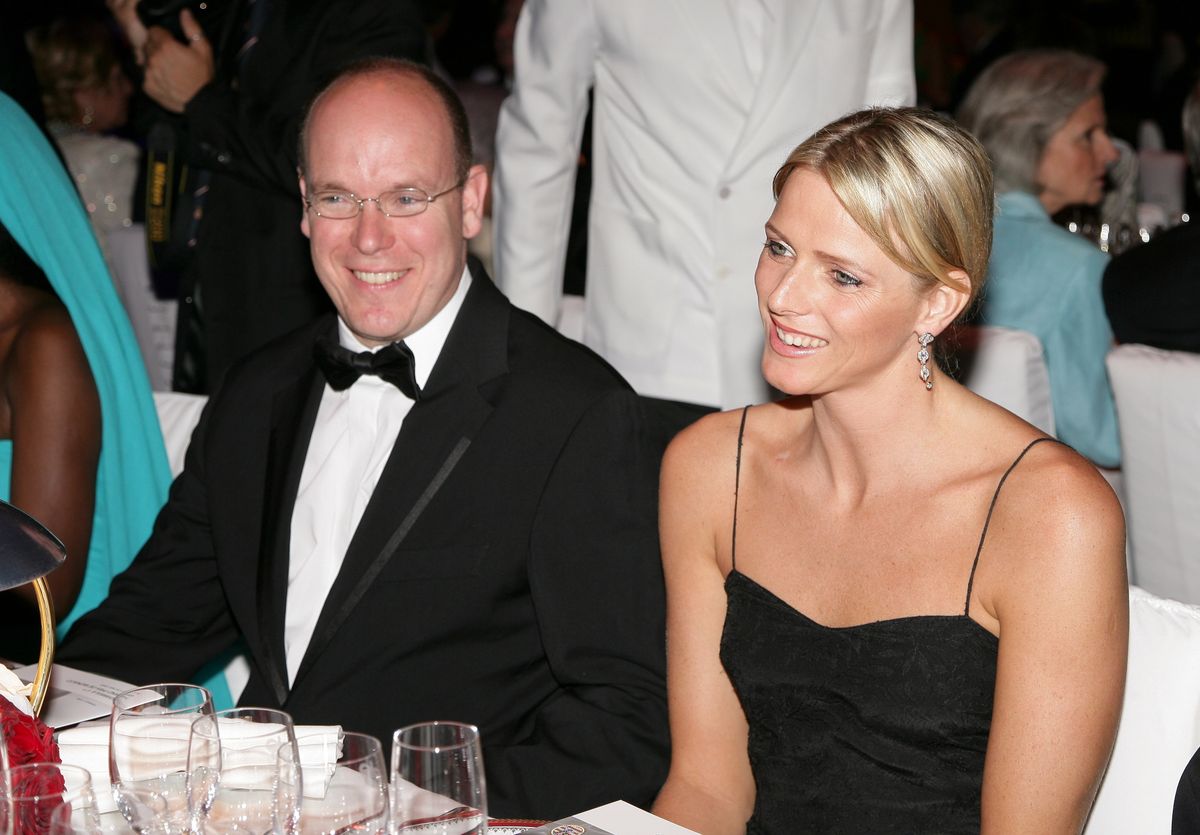 © Pool BENAINOUS/CATARINA/LEGRAND
The spontaneity of their early days slowly gave way to a more serene, formal presence, one shaped by palace life and institutional responsibility. Later that same year, Charlene began attending Monaco’s most important social events, including the Red Cross Ball and festivities surrounding the Formula 1 Grand Prix.
She took her place beside Prince Albert and began integrating into the Grimaldi family, which at the time still included Ernst of Hanover, while Princesses Caroline and Stéphanie continued to play prominent roles.
Until Albert officially announced his engagement, his sisters had effectively served as Monaco’s first ladies following the death of their mother, Princess Grace.
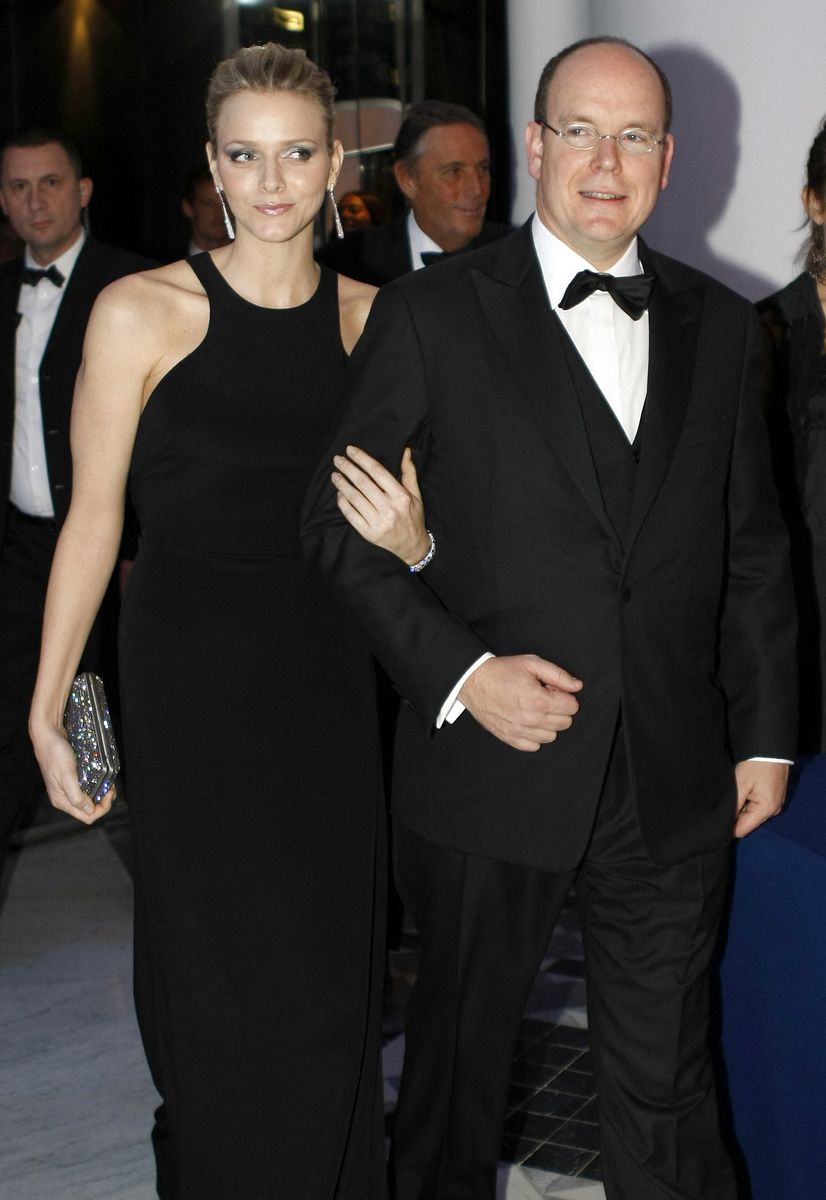 © ERIC GAILLARD
The engagement was not announced until the summer of 2010, with celebrations culminating in what would become the most spectacular princely wedding Monaco has ever hosted.
The ceremonies took place on July 1 and 2, 2011, broadcast live around the world and attended by an impressive array of royals, aristocrats, non-reigning royal families, and heads of state and government, though notably without representation from the Spanish royal family.
By then, Princess Charlene had fully stepped into her role. The former Olympic swimmer had completed her transformation, her public image now perfectly aligned with the demands and symbolism of official royal life.
Read the full article here