
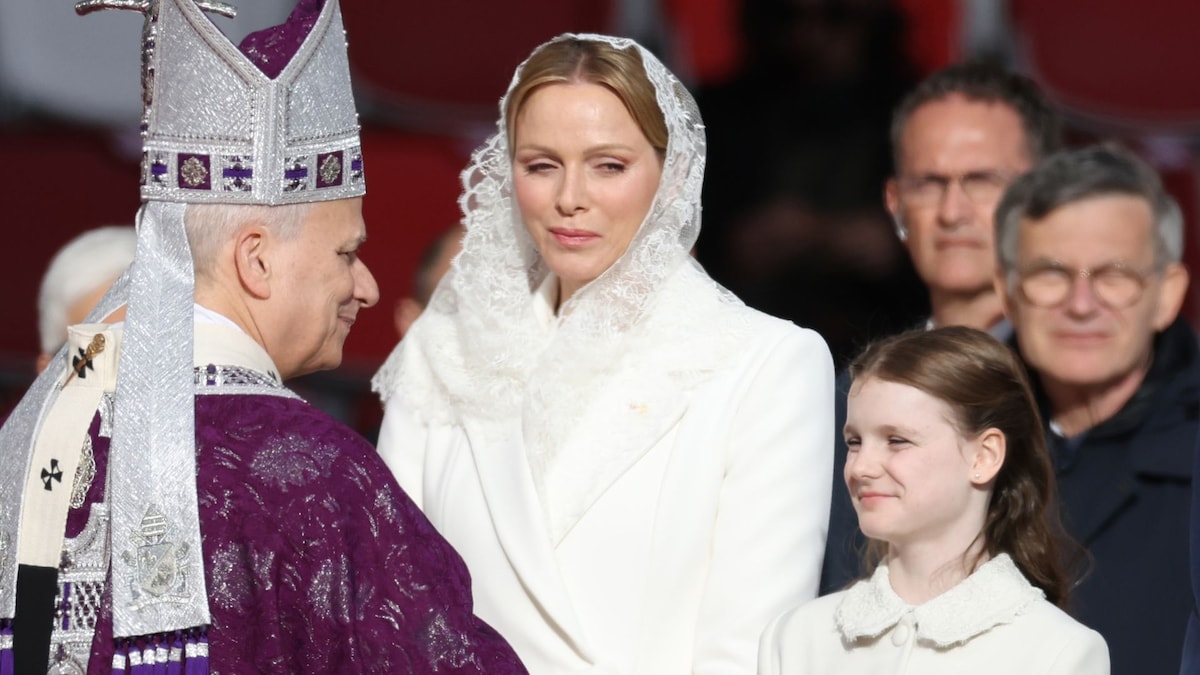

The memory of Grace Kelly has returned to the spotlight following the meeting between the Princes of Monaco and His Holiness. It was a special moment that highlighted the spiritual and royal ties.
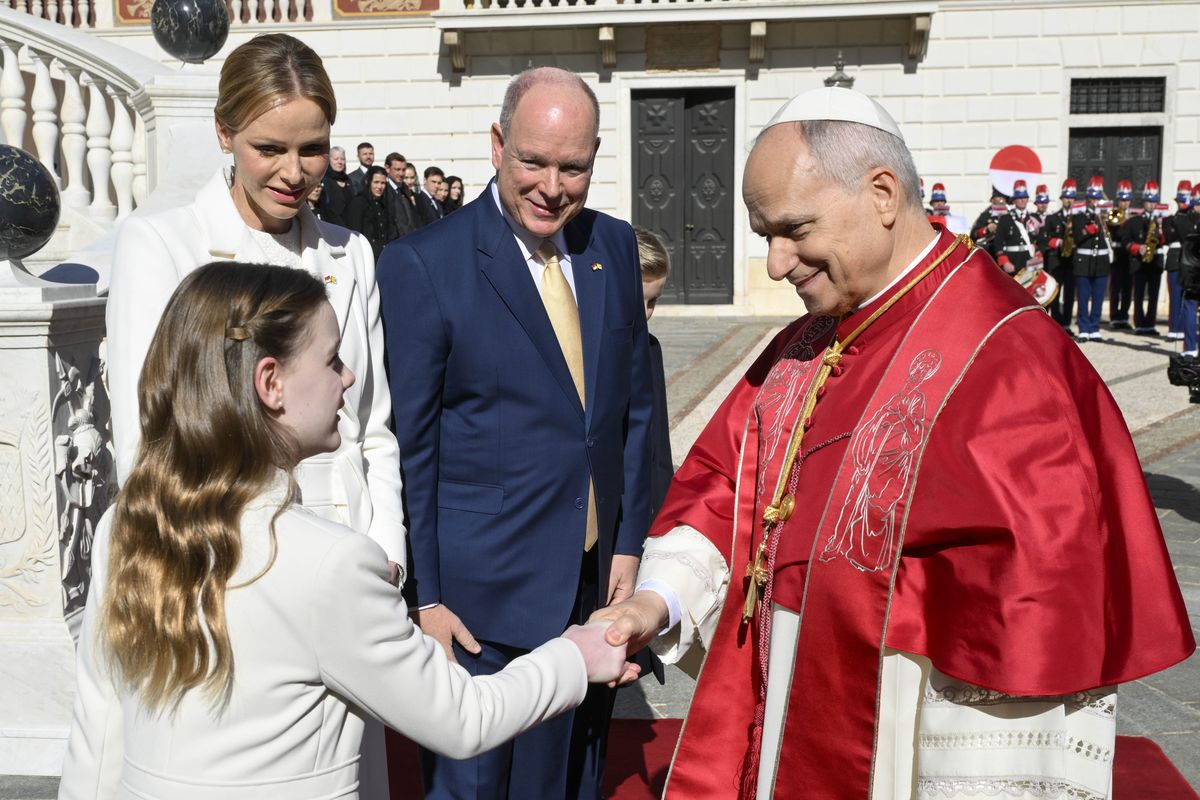
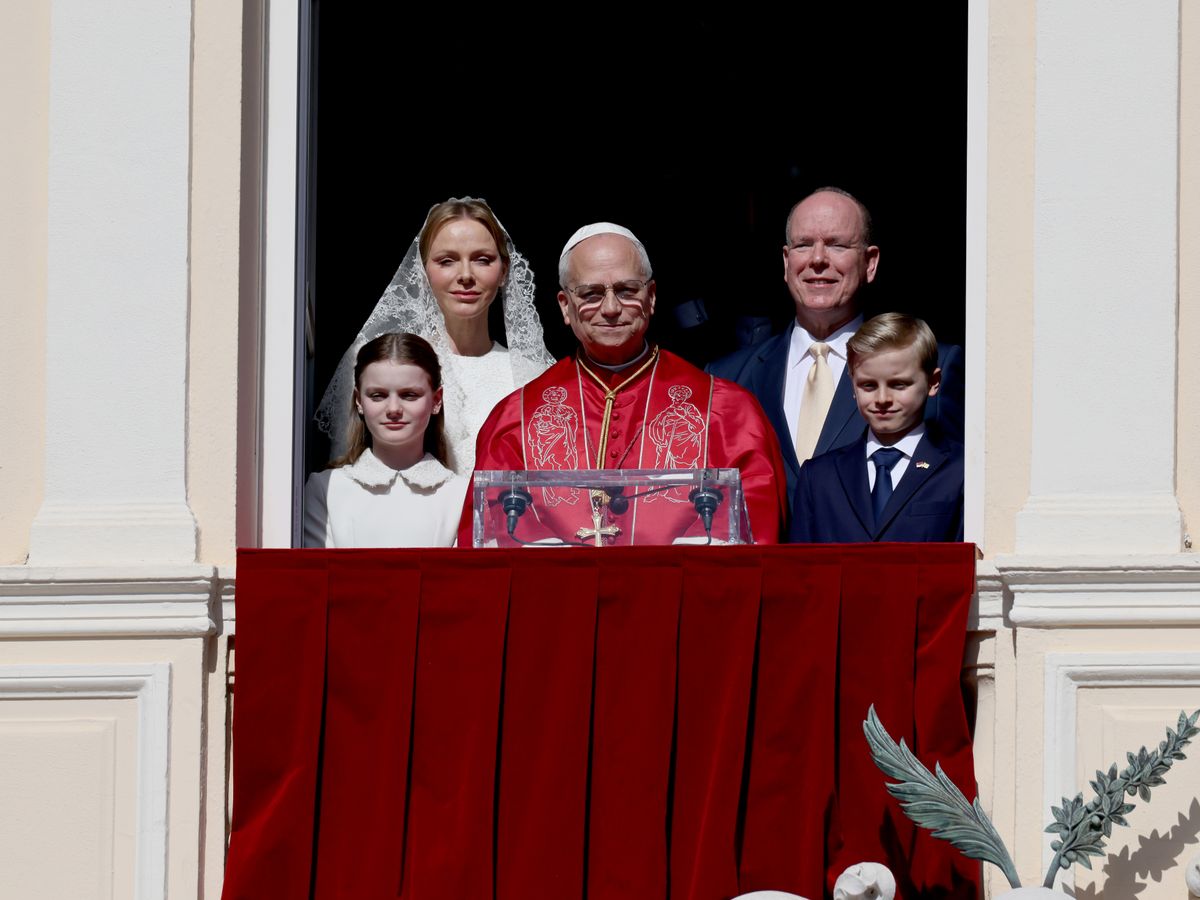
Lasting around nine hours, the gathering was rich with symbolic gestures, in which Grace Kelly’s presence was felt in an unexpected way. With this thoughtful gesture, Prince Albert II and Princess Charlene intertwined history, tradition, and privilege within the Church, elements that for decades defined the lives of Monegasque royal women.
Today, Princess Charlene is among the few women who, over time, have gained access to the Privilège du blanc, the “white privilege” reserved exclusively for Catholic queens.
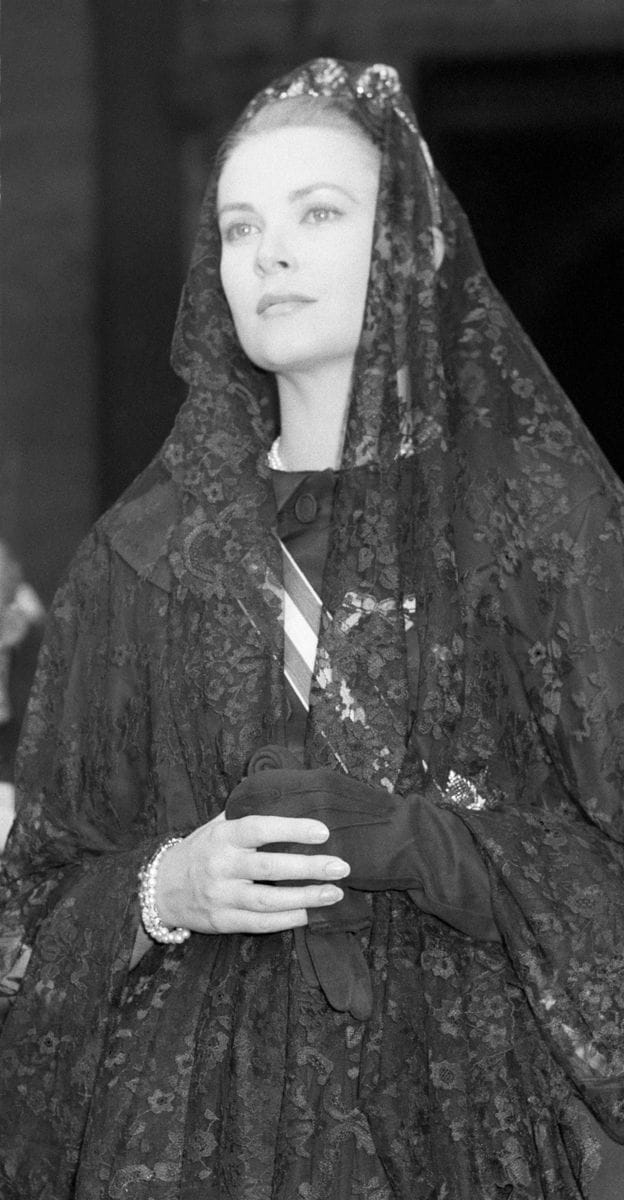
The term “queen” is crucial here, as Grace Kelly never held that status. As Princess of Monaco, she lacked the rights that European queens enjoyed, and while others could wear white before the Pope, she was required to don black. Time, however, has favored those who are now the spouses of Monaco’s sovereign. Charlene has stepped onto a path, built over decades, toward a privilege that she now embodies.
 © Vatican Pool
It was in 2016 that the Church extended this privilege to Princess Charlene, from that moment, she assumed the rank of queen as Albert II’s wife, becoming the first Monegasque princess to exercise the honor.
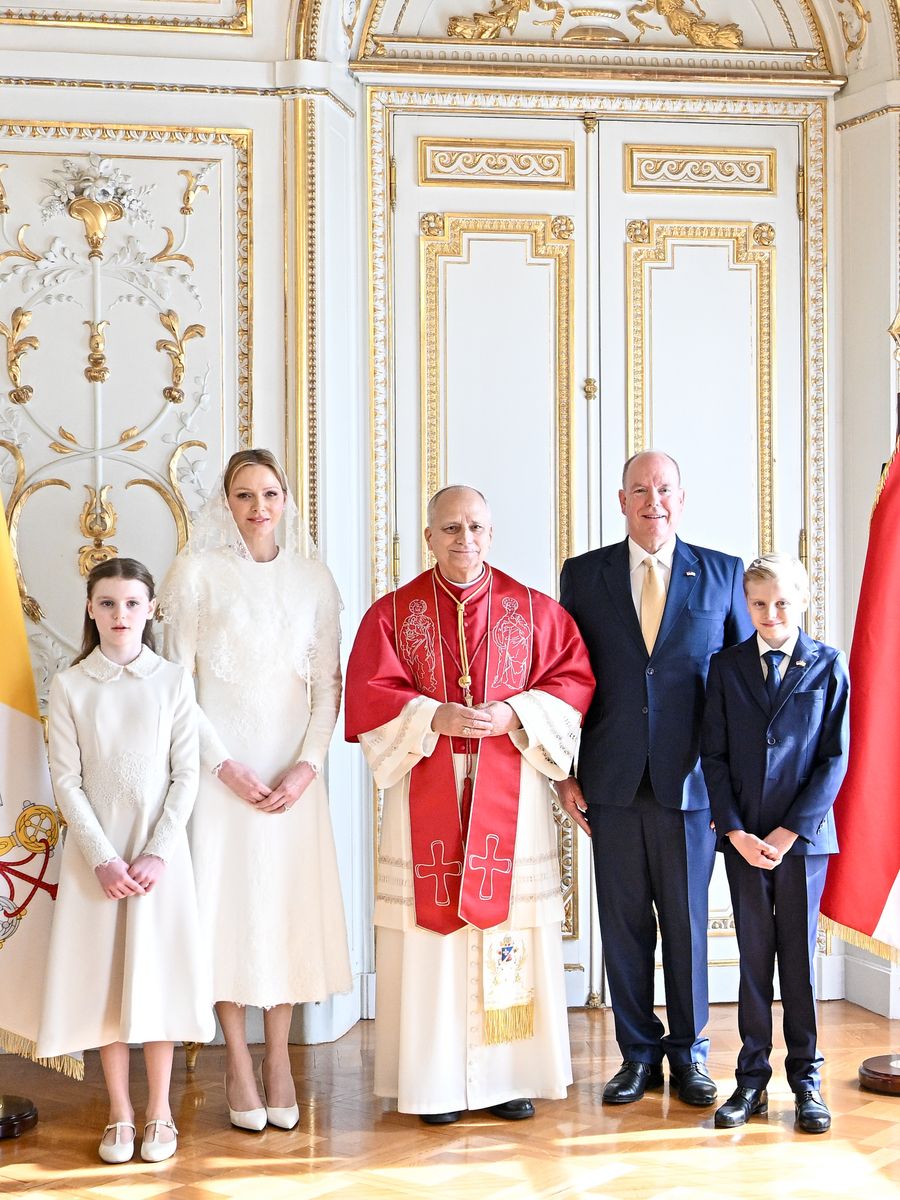
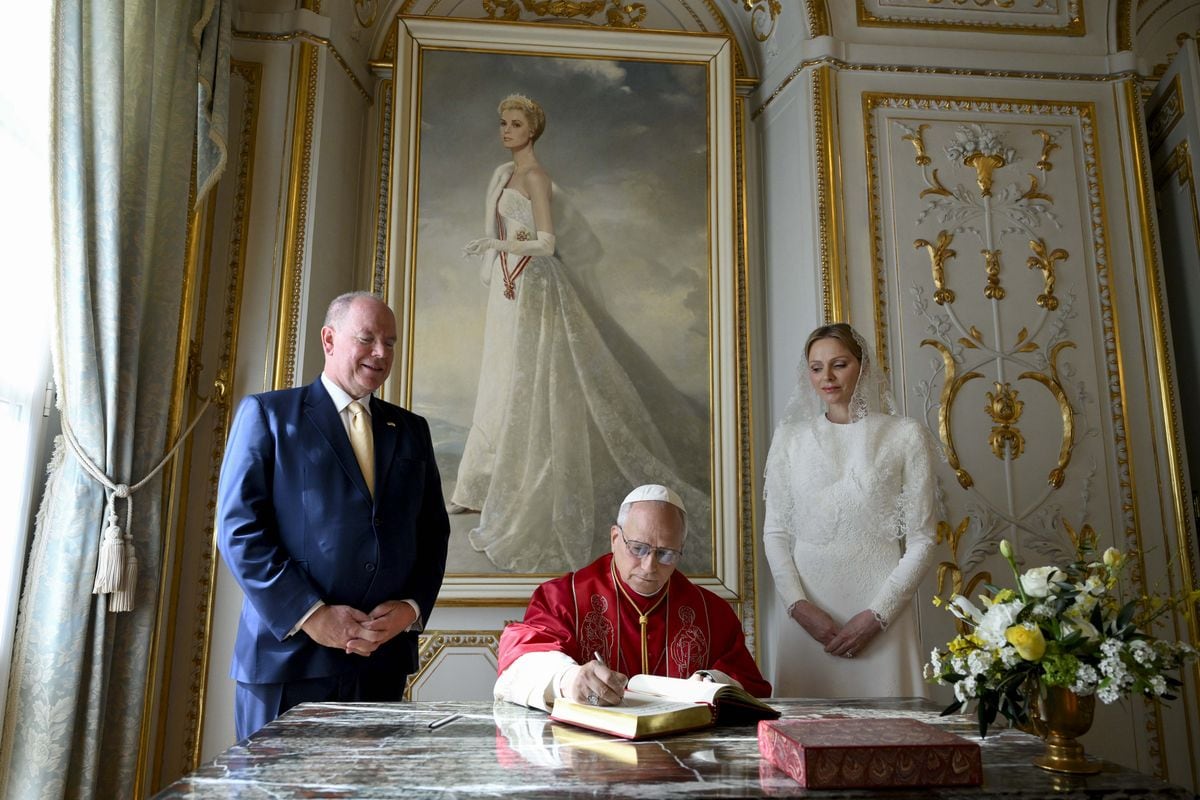
Through this symbolic gesture, she also paid homage to Grace Kelly’s legacy. The historic visit unfolded in the Prince’s Palace, where, strategically positioned in the Salon of Honor, a table awaited the Pope’s signature in the Book of Gratitude.
 © SC Pool – Corbis
At that same table, equally carefully arranged, was a portrait of Grace Kelly in a delicate white dress, allowing the princess, at last, to wear white before Pope Leo XIV.
Prince Albert II’s mother was the cornerstone of a monarchy that spanned Hollywood glamour to Monegasque royalty, where a love story marked the start of a new era.
 © Vatican Pool
That portrait, now spotlighted as part of the tribute, transcends mere decor. Princess Charlene, in her pristine white ensemble, honors the dynasty, not only through her presence but also through the visual language that affirms her role as the prince’s wife.
 © Bettmann
Commissioned in 1956 by Rainier III to surprise his bride, the portrait was created by American artist Ralph Wolfe. It would become Grace Kelly’s official full-length portrait, mesmerizing the princess and forever entering Monaco’s historical narrative.
Through this intertwining of history and symbolism, Grace Kelly’s legacy remains alive, reinterpreted by those who continue her story. Charlene, standing in immaculate white before her mother-in-law’s portrait, reminds us that in Monaco, time’s passage is guided by the hands of those writing today’s chapter of history.
 © Arnold Jerocki
Read the full article here