

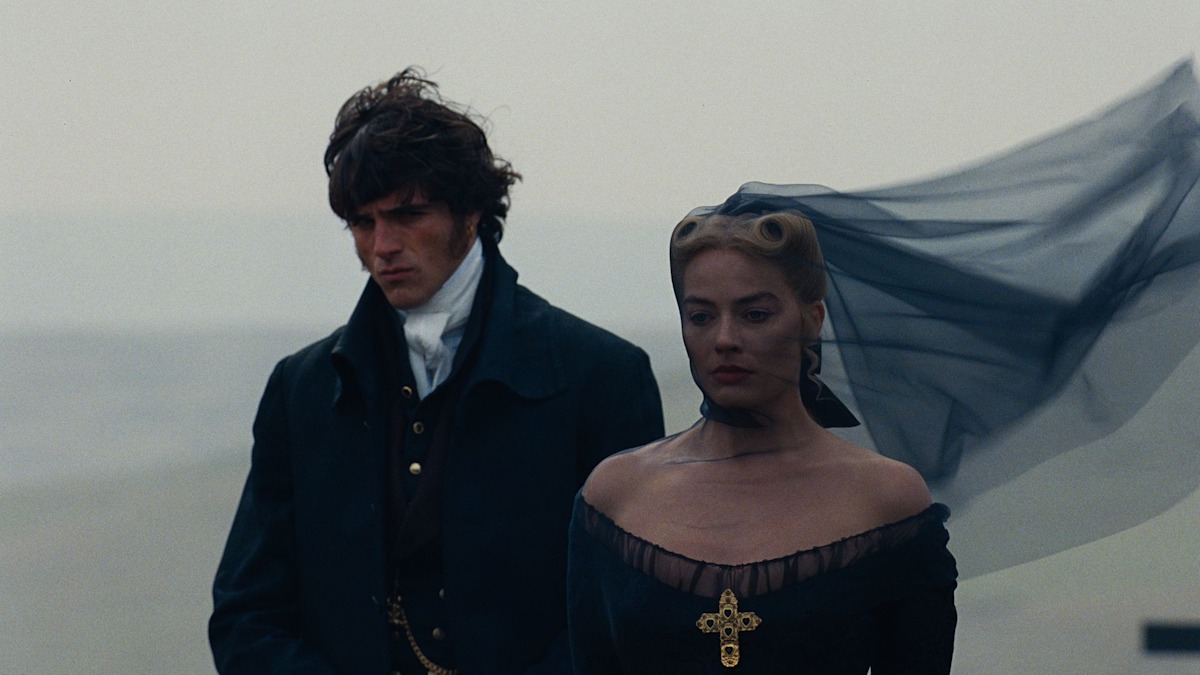

Warning! Spoilers for Wuthering Heights (2026) lie ahead…
Wuthering Heights has been the big title on every movie lover’s lips this month, as Emerald Fennell’s highly anticipated adaptation of Emily Brontë’s classic novel hit screens on Valentine’s Day.
Starring Margot Robbie and Jacob Elordi as leading duo Cathy and Heathcliff, the movie has seriously divided both critics and viewers, with reviews ranging from five to one stars. At the time of writing, the film is currently sitting at a 60 per cent critics’ score on Rotten Tomatoes and an 80 per cent audience score.
Despite the mixed reaction, Wuthering Heights has proven to be a global box office hit, scooping up an impressive US$76.8 million (£56 million, A$108 million) in its opening weekend. The film’s reported production budget hovers around $80 million.
While director Emerald Fennell – best known for Oscar-nominated films like Saltburn and Promising Young Woman – has clarified that this is simply her own interpretation of the book, it hasn’t stopped fans pointing out the biggest discrepancies. Read on to find out what they are…
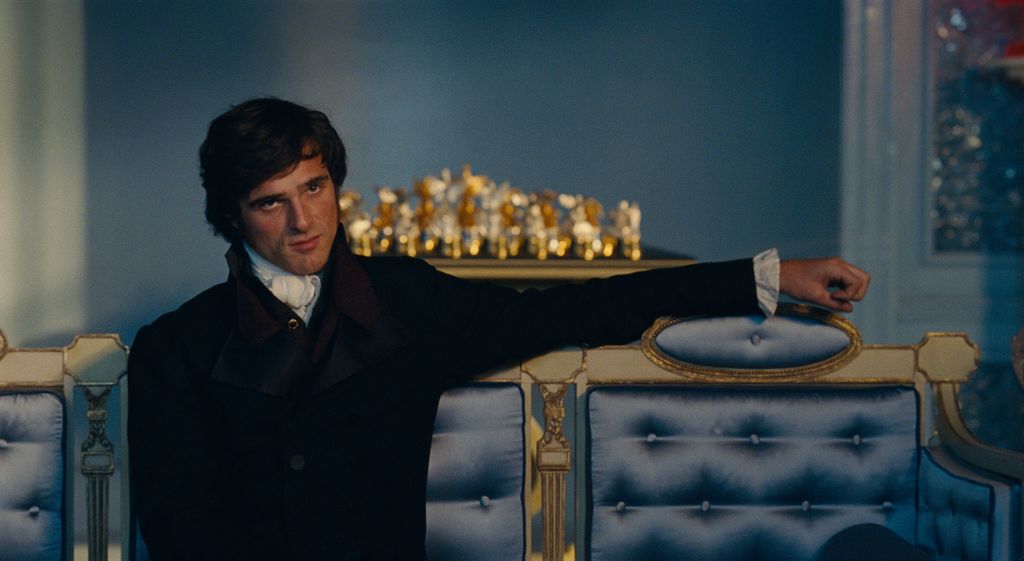
Jacob Elordi’s casting as Heathcliff
The most publicised discrepancy that sparked huge debate among viewers centred on the casting of Jacob Elordi as Heathcliff. Many critics and fans of the book have pointed out that the part of Heathcliff should have been portrayed by an actor of colour, due to the fact that Brontë makes multiple references to him being “dark-skinned”.
“Removing the race-based otherness that is so key to the original story in place of being able to have a Valentine’s Day release-able hunk is so unbelievably weak,” wrote one viewer on Letterboxd.
Speaking to ABC, Jacob explained that the great thing about art, in his opinion, is that it is subjective. “This is Emerald’s interpretation of the text, and Emerald is an artist that I respect and admire. So to me, the only thing I really think of is how I serve my director and how I can serve the truth of the screenplay.”
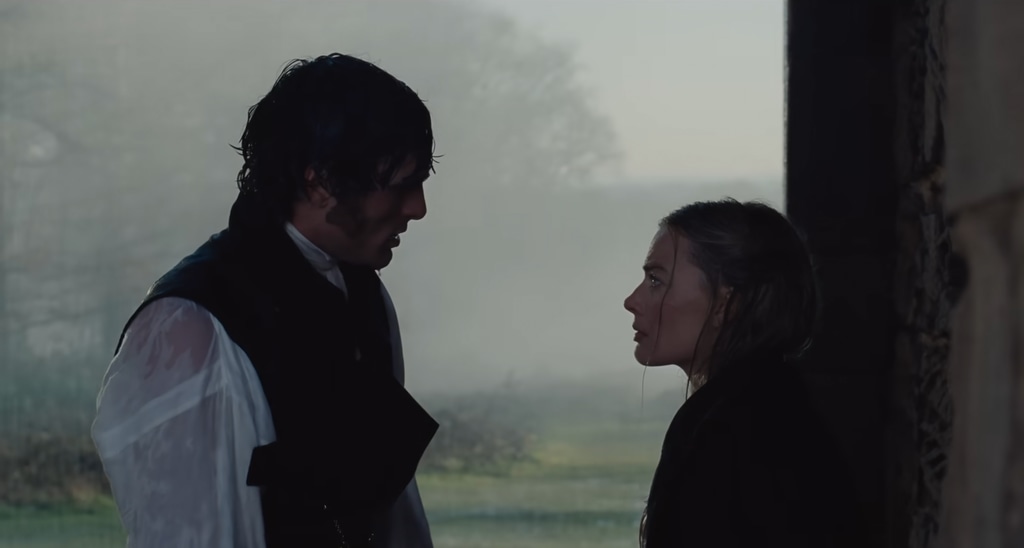
Is this Wuthering Heights too steamy?
Emerald has been candid about her vision for the adaptation, which she first read as a teenager. “I wanted to make something that made me feel like I felt when I first read it, which means that it’s an emotional response to something. It’s, like, primal, sexual,” she told the BBC.
However, the level of raunchiness proved too much for some viewers and many complained about the oversexualisation of the source material, in which Cathy and Heathcliff never even kiss.
“This was sexier than anything that happened in Wuthering Heights,” complained one viewer.
However, others loved the chemistry between the two leads, with one person adding: “Margot Robbie and Jacob Elordi have a ton of chemistry; the sex scenes are great, and it looks gorgeous at every moment.”
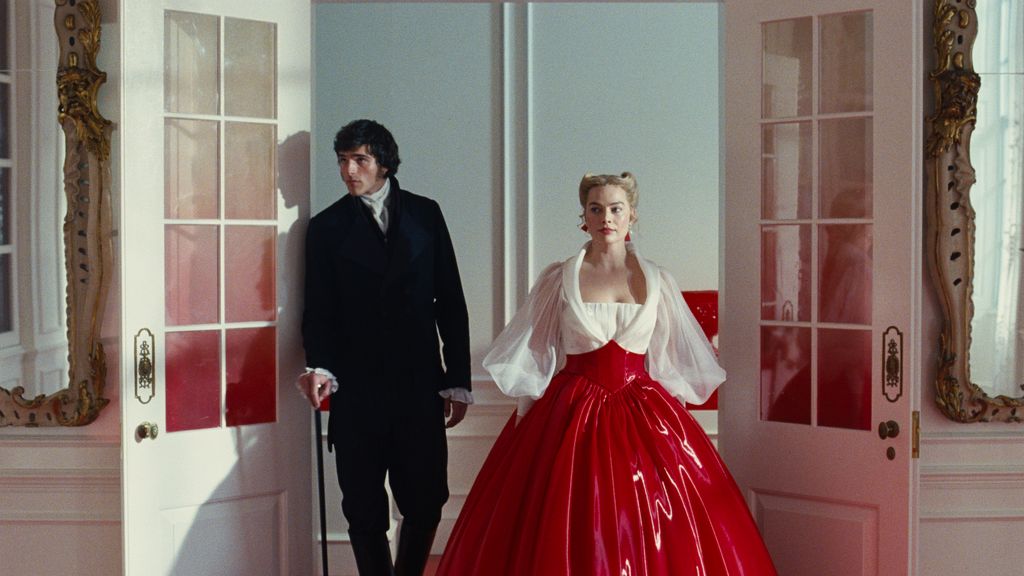 © Warner Bros
Praise for Wuthering Heights
While the movie has been a huge topic of debate, there are many fans who have hailed it as “pure cinema”, with some admitting they cannot stop thinking about it.
“Charli XCX’s music is perfect, heightening the Gothic opera of it all. No villains, only people ruled by feelings they cannot survive. I left in agony and was totally utterly moved by the feverish spectacle of it all,” penned one reviewer, while another added: “About to see it for the third night in a row. Obsessed.”
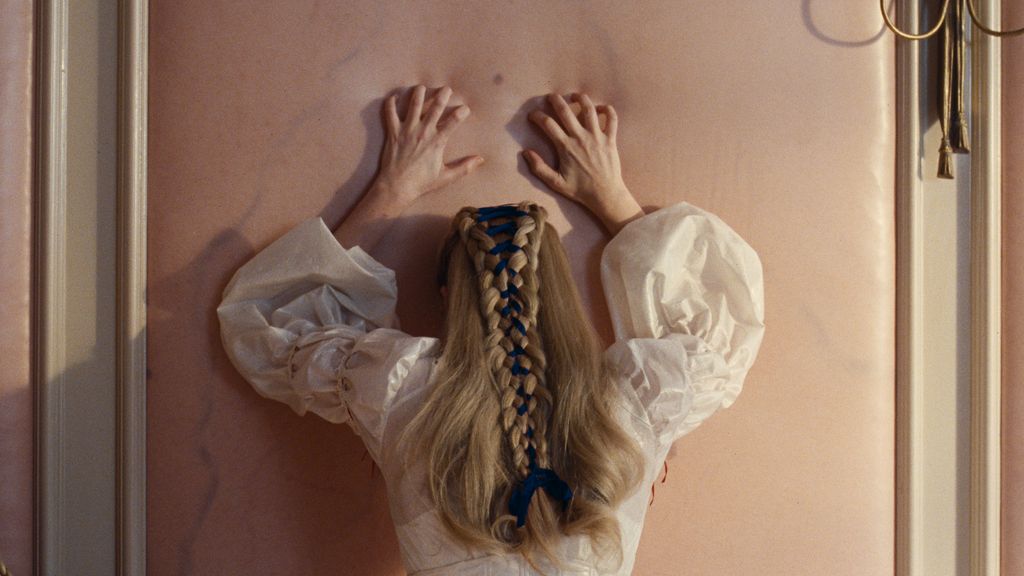 © Photo Courtesy Warner Bros. Pictures
A third wrote: “This film, like many of Fennell’s films, appears intent on engaging with teenage cinephiles who appear to be just now finding their cinematic and sensual bearings. On that account, it more than succeeds, recalling a time when films like ‘The Notebook’ and ‘Romeo + Juliet’ once filled cineplexes.”
Read the full article here