

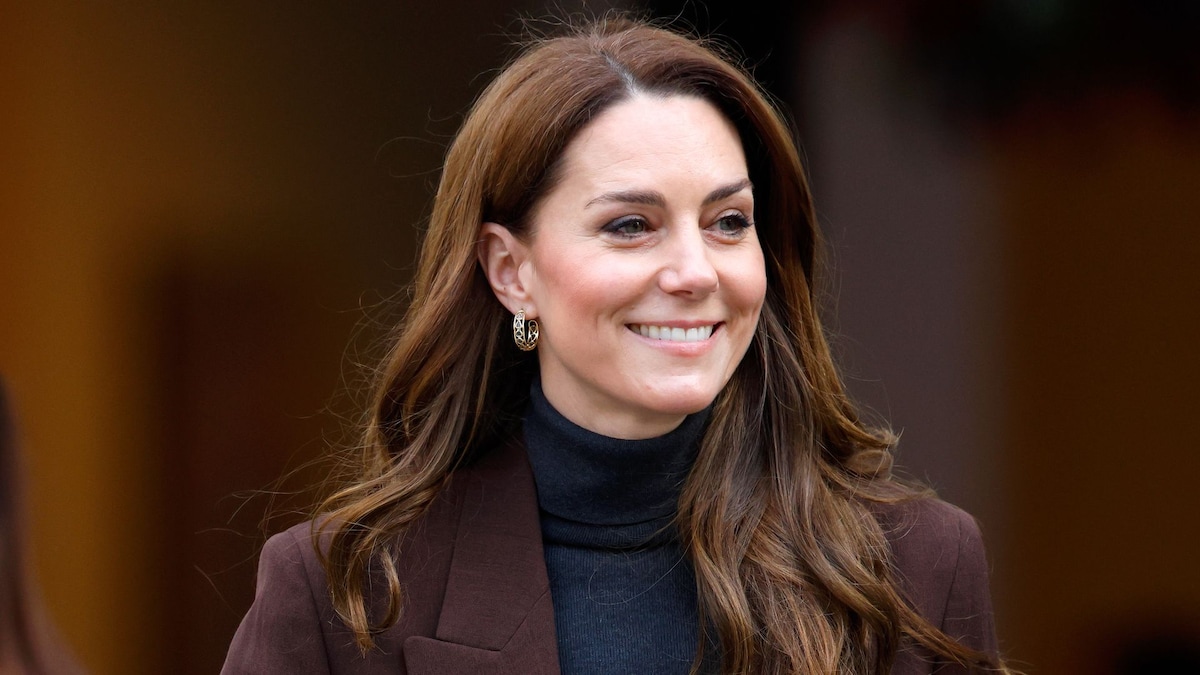

The British royal family may wield immeasurable power, live in imposing castles like Windsor Castle, and own jewels with centuries of history, but like everyone else, they share secrets and, at times, even a wardrobe.
For them, fashion is language, strategy, and memory. And if there is one garment that perfectly embodies this combination, it is a very specific type of coat that connects three key generations. Diana, Princess of Wales, Catherine, Princess of Wales, and Princess Charlotte of Wales.
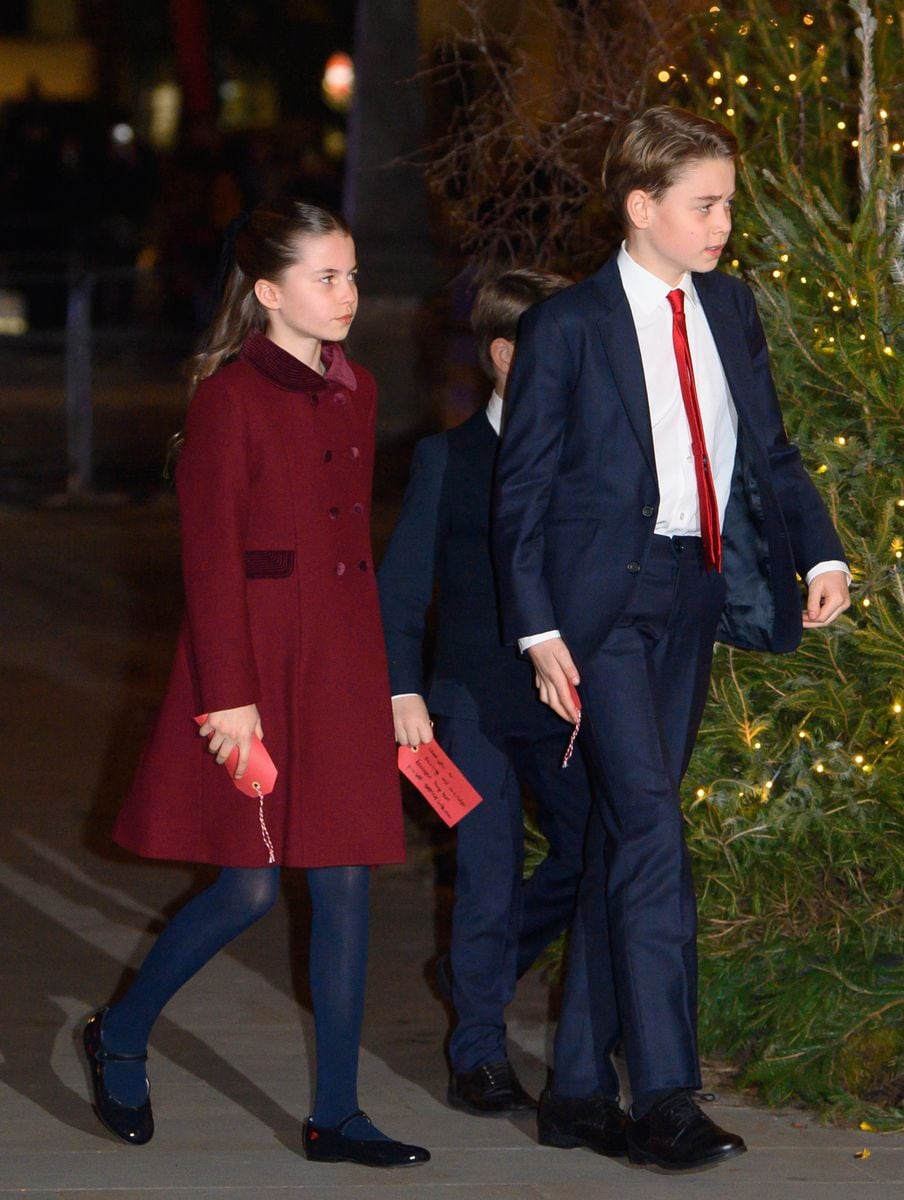
It is a design instantly recognizable and rich in meaning. Just a few days ago, during the Easter Sunday service at St George’s Chapel, the daughter of the Prince and Princess of Wales once again drew attention to this piece.
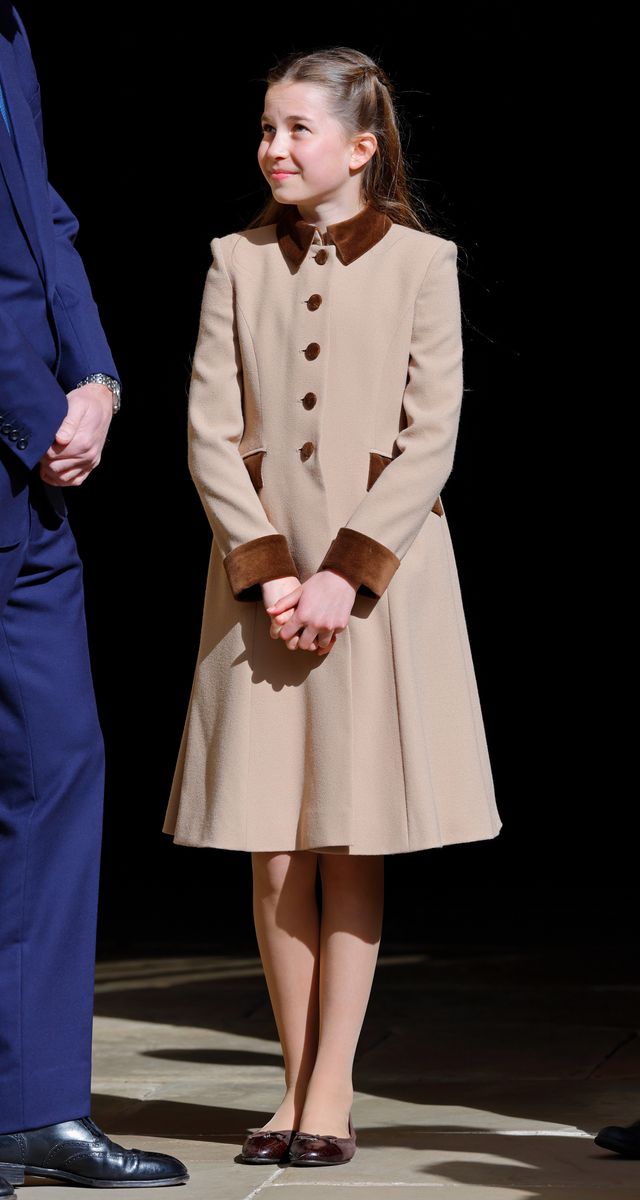
She did so by rewearing a custom-made coat, by Catherine Walker & Co, that she had previously worn at Christmas. But beyond the repeat, what’s most intriguing lies in its codes, contrasting colors on the collar, cuffs, and lapels, and a silhouette inspired by both the Peter Pan collar and the historic frock coat.
 © Samir Hussein
At this point, it’s safe to say that if there’s one thing the British royals have mastered, it’s so-called diplomatic dressing. And in this case, the message is clear: continuity, legacy, and belonging.
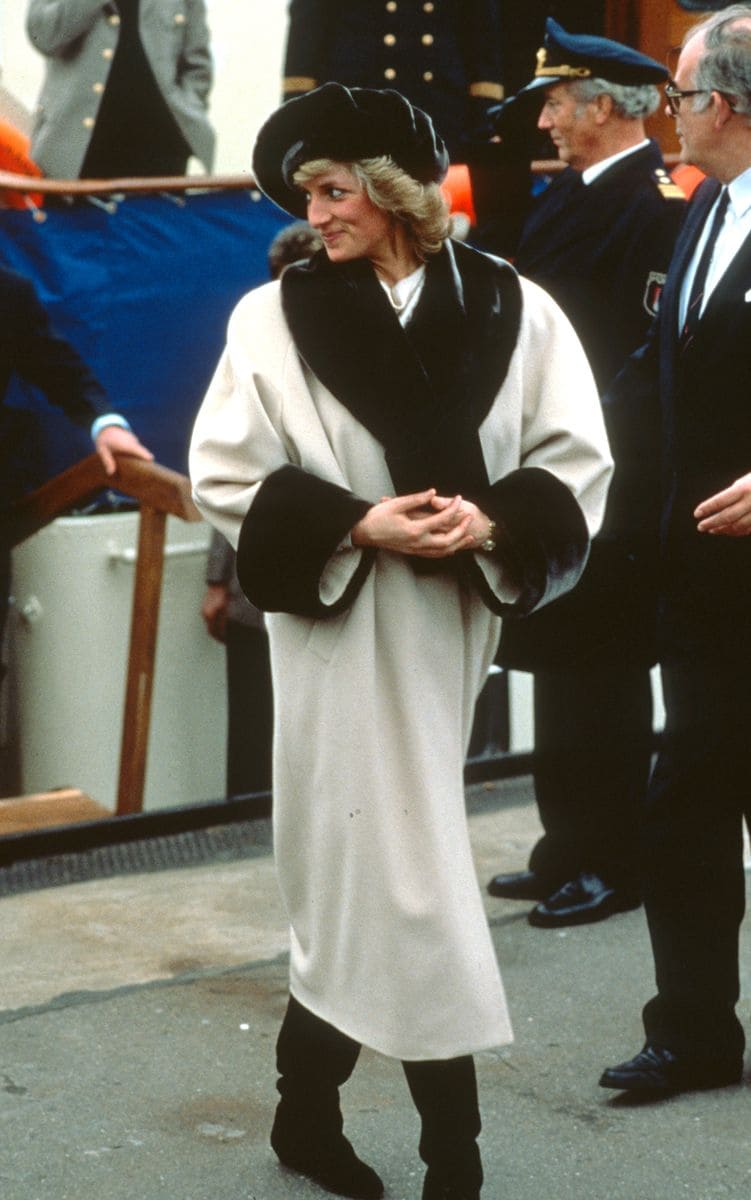
One of the most distinctive elements of these coats is their chromatic contrast. Cuffs, collars, lapels, and even pockets are often rendered in a different shade from the main body of the garment. What might seem like a minor detail actually defines an entire aesthetic.
 © Justin Goff Photos
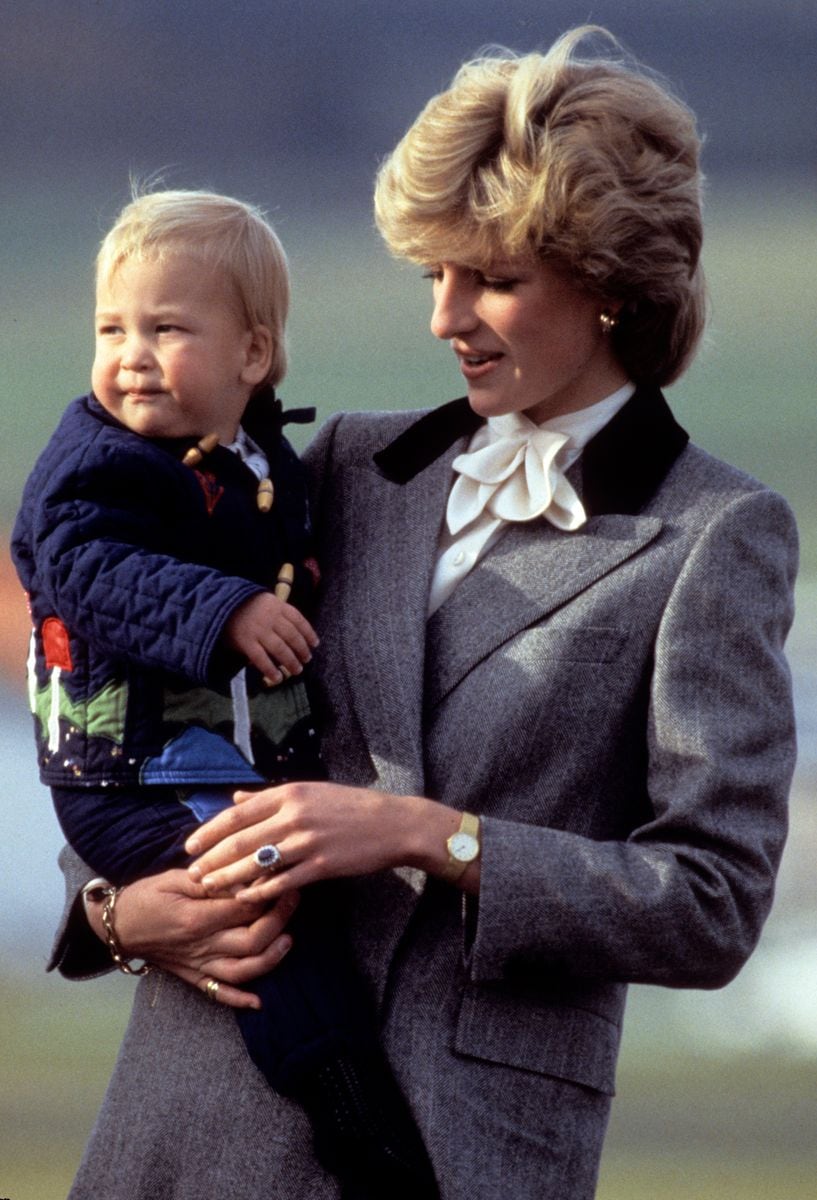
Diana, Princess of Wales, turned this into one of her signatures. Her coats, many designed by Catherine Walker & Co, consistently played with this duality of color, adding sophistication, structure, and a distinctive, easily recognizable touch.
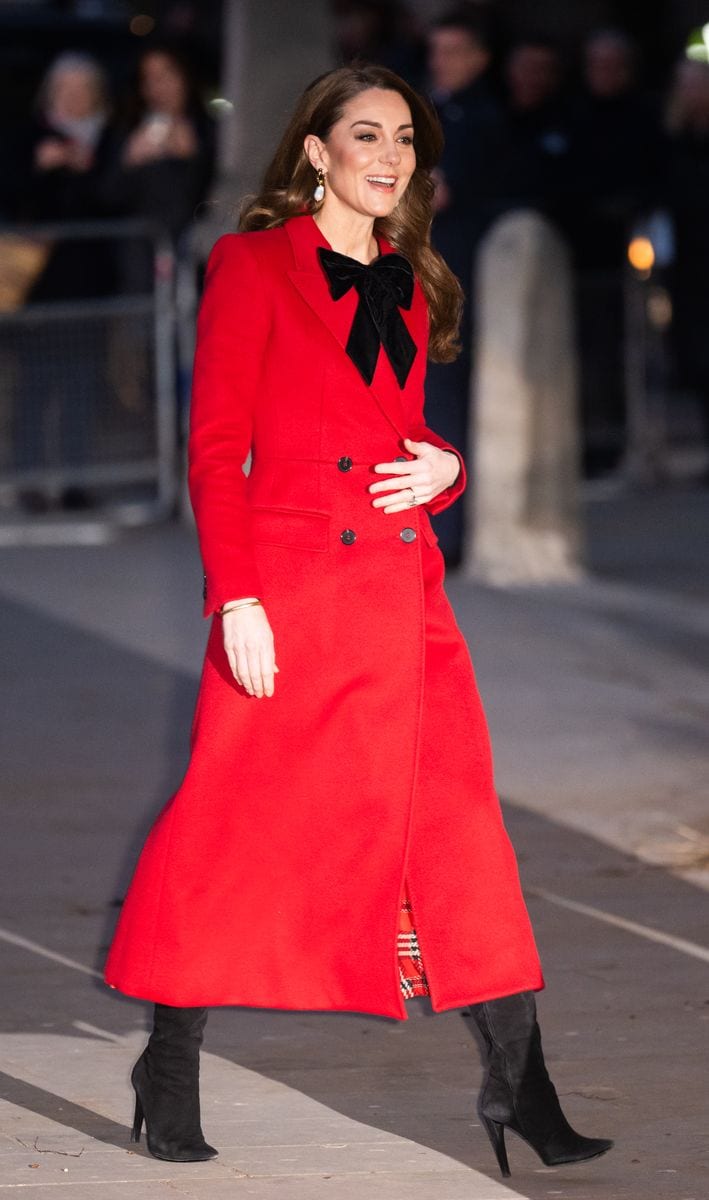
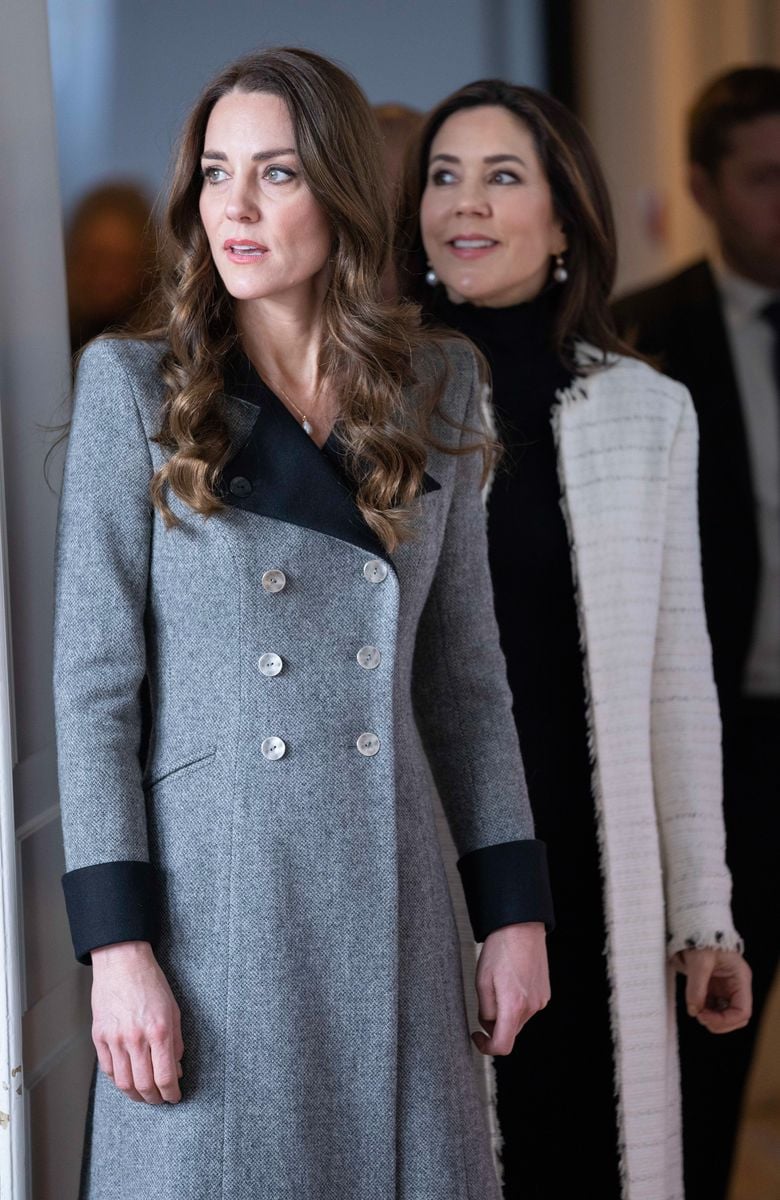
Decades later, Catherine, Princess of Wales, has inherited this visual language. Since she began wearing the brand in 2011, she has incorporated this type of coat into key moments, official tours, institutional events, and symbolic appearances. One of the clearest examples was the grey coat with black lapels she wore in Denmark in 2022, inspired by 18th-century naval frock coats.
 © Anwar Hussein
Meanwhile, Princess Charlotte of Wales, despite never having known Diana, continues this narrative. Her neutral-toned coat with a brown velvet collar is no coincidence; it is a childlike reinterpretation of the same aesthetic code.
The house that dresses British royalty
Founded in 1977, Catherine Walker & Co has established itself as one of the most important couture houses within British royal circles. Based in Chelsea, with an atelier that operates in the Parisian tradition, featuring specialized workshops in tailoring, embroidery, and dressmaking, the brand has dressed key women of the monarchy for decades.
 © Anwar Hussein
Diana, Princess of Wales, was one of its greatest ambassadors, commissioning more than 1,000 designs throughout her life. Catherine, Princess of Wales, has continued that legacy, wearing the brand on over 40 occasions and cementing it as her go-to for state events.
Inside the elegant design:
The other defining element of these coats is the collar, and here, the history becomes fascinating. Although we now associate collars with formality, for much of the 18th century, they were almost nonexistent in European menswear. In fact, the most elegant garments were completely plain in this area, while collars were reserved for undergarments or domestic wear.
It wasn’t until the mid-18th century that structured collars began to gain popularity, heavily influenced by British military tailoring. From that point on, the collar became a symbol of status, authority, and sophistication. Today, that legacy lives on in royal coats, where every shape and cut carries intention.
 © Max Mumby/Indigo
The frock coat is one of the key historical references behind these designs. This men’s coat reached peak popularity in Victorian England during the 19th century. Its silhouette is unmistakable. Knee-length, fitted at the waist, with a skirt-like structured flare.
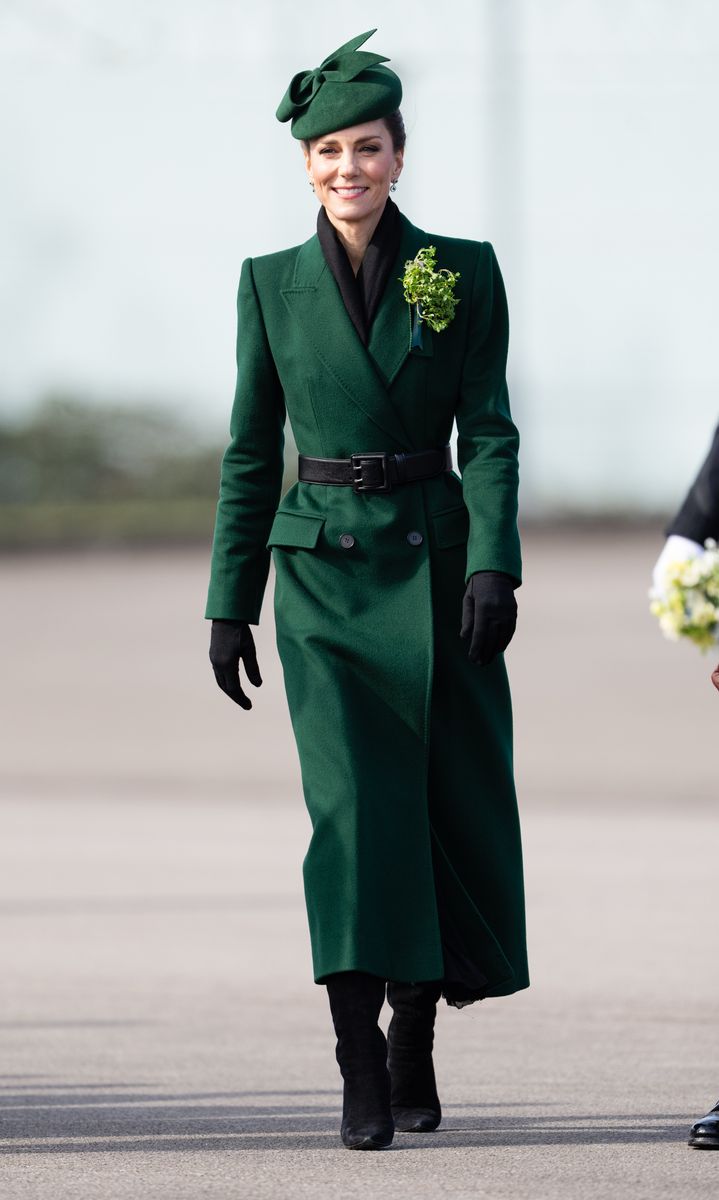
Originally conceived as informal wear, it eventually became the standard of formal menswear. Catherine, Princess of Wales, has reinterpreted this style many times, adapting it to a contemporary, feminine language. Her tailored coats, with front buttons and strong structure, are direct descendants of this design.
 © Pool
In contrast to the rigidity of the frock coat, the Peter Pan collar brings softness and approachability. With its rounded, flat shape, this collar became popular in the early 20th century and was quickly associated with children’s fashion.
In the case of Princess Charlotte of Wales, its use carries clear symbolism. It reinforces her image of innocence and sweetness while visually connecting her to her mother. Catherine, Princess of Wales, has also adapted this style in sharper, more angular versions, closer to a shirt collar, striking a balance between tradition and modernity.
Three generations, one message:
What may seem like a simple stylistic coincidence is, in reality, a carefully constructed narrative. Diana, Princess of Wales, Catherine, Princess of Wales, and Princess Charlotte of Wales don’t just share a preference for a certain type of coat, they share a way of communicating through fashion.
 © Pool
Color contrast, structured collars, fabric quality, and the choice of the same fashion house create a thread that runs across generations. A silent language that speaks of legacy, identity, and belonging.
Read the full article here