

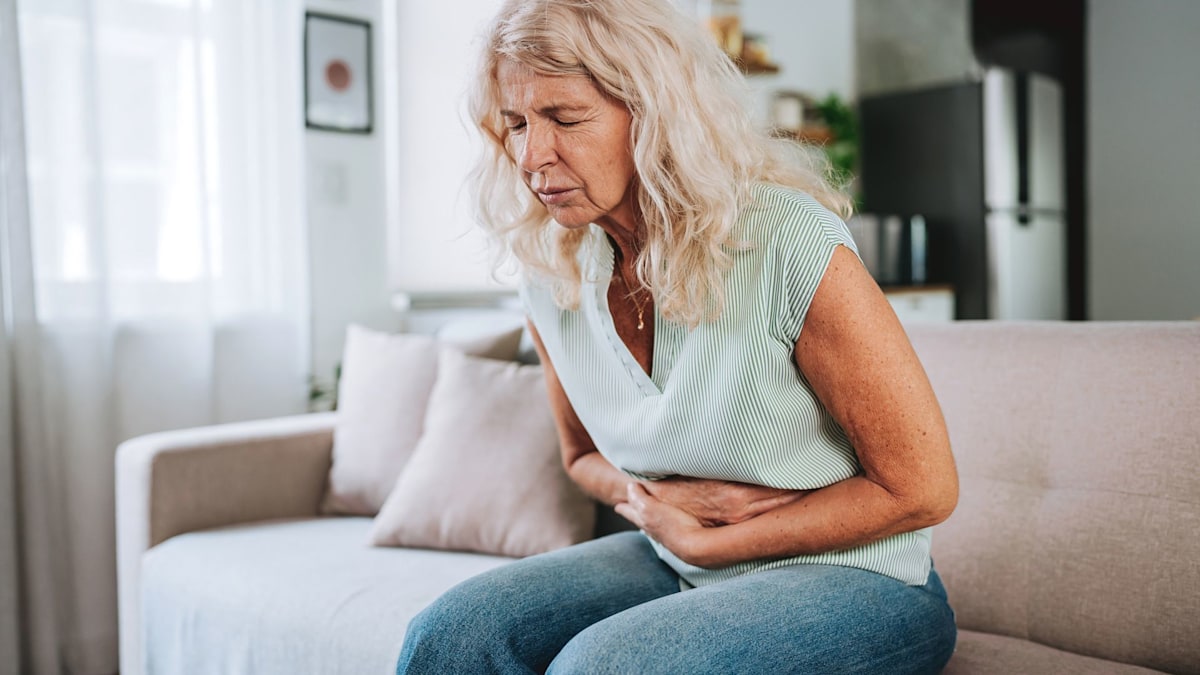

Did you know that wolfing down your dinner without properly chewing could be the secret culprit behind your stress levels or mood swings?
It’s a connection many of us overlook, but as nutritional science becomes more sophisticated, the evidence is undeniable. That’s why today we no longer have to simply put up with digestive discomfort as a normal part of life.
Through her work, integrative nutritionist Yor D. Andonova has taken a closer look at the fascinating world of the gut and she’s sharing her expertise with us all.
The health expert explains how, from the very first bite to the complex “gut-brain axis”, our digestive health and challenges – including inflammation and SIBO – dictate our overall well-being. She also reveals which symptoms are major red flags.
For a long time, the goal was simply to live longer. Now, the mantra is about living better. Is that the real key?
“Absolutely. There are people who live long lives, but they’re also reliant on multiple medications, or stuck in bed with chronic pain and fatigue. We want to live a long life, but also enjoy quality of life – having the energy to play with grandchildren, stay active at the gym and actually enjoy retirement rather than just enduring it.”
And our digestive health plays a fundamental role. Why has it taken us so long to realise its importance?
“Actually, the idea is ancient. Hippocrates famously said, ‘All disease begins in the gut,’ back in the 4th century BC. However, the last 10 or 15 years have seen a massive boom in research into the microbiota. We now know we have more microbes in our bodies than human cells, and they influence almost everything we do. By taking care of our digestive health, we indirectly take care of our microbiota. When we experience bloating, heartburn, constipation or diarrhoea, it’s a sign that our internal ecosystem is out of balance.”
We live in such a fast-paced world. Is stress destroying our digestive health?
“Yes. Digestion is designed to happen in the parasympathetic state. That’s a state of calm and tranquillity where the body can focus inward. Today, however, most of us are used to living in a constant sympathetic state – the ‘fight or flight’ mode. We always have something on our to-do lists and we’re rushing all over the place, but with the feeling that we never actually finish. Our brains are on high alert, as if we’re being chased by a lion.
“When we eat while stressed, our bodies don’t produce enough gastric juices and our intestines don’t work properly. This causes food to ferment and leads to digestive discomfort.”
 © Getty
You mention that prepared meal consumption has soared by 300% recently. That’s a staggering figure.
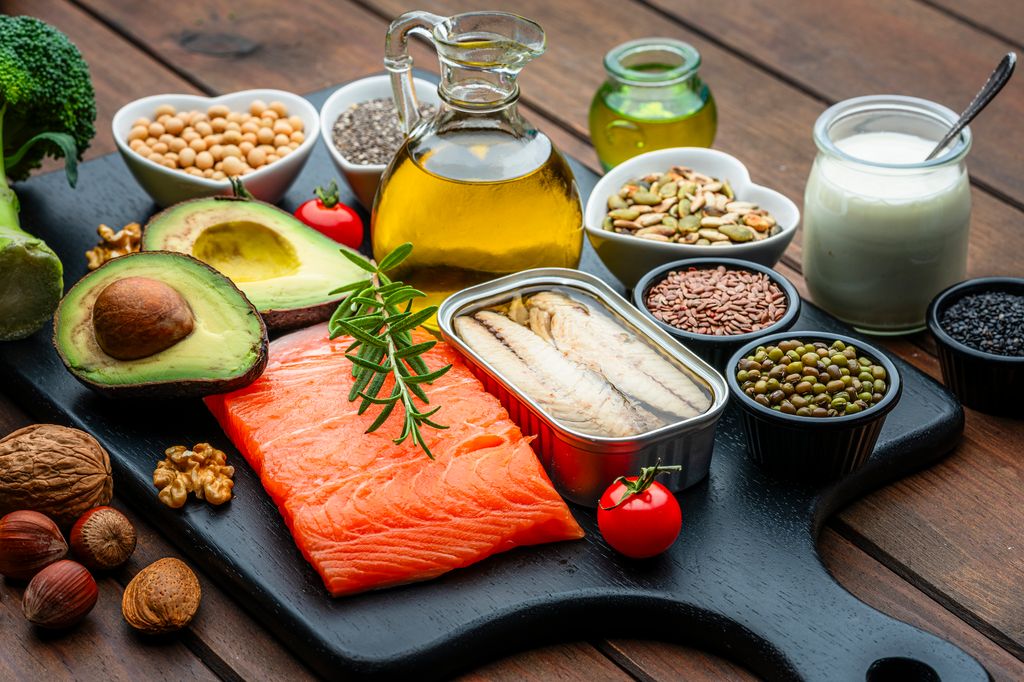
“It is. It reflects our ‘here and now’ culture; we feel we don’t even have time to cook so we go for the quick and easy option. But these ultra-processed foods are often packed with additives, poor-quality oils and starches that the body doesn’t recognise – and that causes inflammation.”
Do you think we eat worse than our grandparents did, despite having more choices?
“Without a doubt. Our grandparents hardly had convenience foods at home. They bought meat, fish, and veg from the local market and cooked from scratch. They didn’t have as many ultra-processed foods full of additives like flavour enhancers, for example, which hijack our fullness signals and make us eat that bag of crisps non-stop. We do have free-range meats, organic fruits and vegetables and wild fish, but those fresh products aren’t accessible to everyone.”
Do you think that we have finally begun to give issues like inflammation the importance it deserves?
“Partly. Lots of people… are concerned and make positive changes in their lives. But there are still those who don’t understand the importance of inflammation or regular bowel habits. It should be information that is even more accessible to the general population. The more we highlight it and talk about it, the better.”
 © Getty Images
But we hear so much about SIBO (Small Intestinal Bacterial Overgrowth), anti-inflammatory diets and the microbiome. Is “nutritional noise” becoming a problem?
“Yes, it can be when people start mixing up all the different concepts, and every food suddenly seems bad. I saw a patient who was so confused by what they’ve been reading that they’re terrified to eat anything. So I think sometimes we have too much information, which leads to a lot of confusion. In the end, it makes us narrow down our diet, when dietary diversity is really the key to good digestive health.”.
Is SIBO being overdiagnosed?
“It’s a bit of a ‘yes and no’ situation. Since the pandemic, we’ve seen a massive spike in digestive complaints, often triggered by heightened anxiety and a constant sense of alert. While many people are testing positive for SIBO and assume a course of antibiotics is the ‘magic bullet’, it is usually just the tip of the iceberg. A positive test doesn’t always mean bacterial overgrowth alone; it could be down to other imbalances, such as a lack of gastric juices or even an overgrowth of intestinal fungi.
“Our grandparents didn’t have as many ultra-processed foods full of additives which hijack our fullness signals and make us eat that bag of crisps non-stop”
“The best approach is to look at the digestive system as a whole, focusing on getting to the root of the issue. This involves broadening our ‘terrain’ – specifically the gut lining – and checking for issues like ‘leaky gut’ or intestinal permeability. It is also vital to assess the balance of beneficial bacteria; quite often, symptoms stem from a lack of good flora, and in those cases, antibiotics can actually do more harm than good.
“Ultimately, I believe the rise in digestive issues we are seeing is very real. Until recently, these problems were often normalised, and patients were effectively told to just ‘get on with it’. Now, though, more people are realising that they don’t have to live that way. That said, simply handing out SIBO tests to everyone and leaving it at that isn’t the answer.”
How do you convince someone to stop normalising digestive discomfort?
“I tell my patients that their bodies shouldn’t be a constant source of pain or exhaustion. It really comes down to quality of life; if you’re struggling with digestive discomfort, you’re clearly not going to feel your best, and nobody wants to be tired all the time. I explain that by supporting the digestive system, we can improve all those symptoms that people have mistakenly come to accept as ‘normal’. Our bodies use symptoms to signal that something is wrong and that we need to take action.”
 © Getty Images
What do you think are the biggest food mistakes we make?
“Eating too fast, relying on ultra-processed foods and, finally, ‘Empty Plate Syndrome’ – eating beyond our needs simply because the food is there. I think these three mistakes are the ones that are repeated the most and have the biggest impact on our health.”
We often hear that taking small, manageable steps is much better than setting unrealistic goals that just end in disappointment.
“Spot on. Trying to do everything perfectly usually just leads to frustration, and that’s when people give up. We need to be much kinder to ourselves and look realistically at how to weave in small changes that don’t add to our daily stress. After all, if you’re doing everything ‘perfectly’ but you’re completely stressed out by the pressure of it all, you’re actually doing more harm than good.”
To what extent does a healthy gut lead to a healthy mind?
“The two are completely inseparable, linked by the vagus nerve. It’s a two-way street: our thoughts directly impact our gut, and our gut directly impacts our thoughts. You see this when someone gets ‘butterflies’ or needs to rush to the loo before a big exam or a stressful interview.
Between 70% and 80% of people with chronic digestive issues are also on antidepressants
The reverse is also true; anything happening in the digestive system, particularly within the microbiota, will affect us psychologically because those microbes are responsible for producing a huge portion of our serotonin. When the gut is out of sync, it’s incredibly easy to fall into a cycle of negative thinking or low mood… Between 70% and 80% of people with chronic digestive issues are also on antidepressants.”
What would you say to someone feeling discouraged when it comes to health goals?
“Be kind to yourself. Don’t try to be perfect overnight; that just adds more stress. Focus on small, manageable habit changes that you can actually maintain. Progress is better than perfection.”
About the expert
Yor D. Andonova is an integrative dietitian and health educator with a postgraduate degree in Psychoneuroimmunology (PNI). She is author of the Spanish-language book, Live Longer and Better with Good Digestion (Vive más y mejor con una buena digestión) exploring the fundamental importance of digestive health for overall well-being and longevity.
Read the full article here