



Space travel is often associated with cutting-edge technology, historic milestones, and breathtaking views of Earth. But aboard the Artemis II mission, even the most routine human needs require careful planning, coordination, and a bit of humor. As astronauts are in space for a 10-day journey around the moon, their approach to using the bathroom reveals just how complex life in microgravity can be.
The Orion spacecraft’s bathroom setup is far from ordinary. Unlike Earth-based systems, space toilets rely on suction to function in zero gravity. That design, while effective, comes with one unexpected side effect.
Crew member Christina Koch offered a candid look at the setup ahead of launch. “All of this wild orange foam is actually taped-over insulation,” she explained in a video shared with National Geographic. “Because our toilet is a little bit on the loud side.”
The sound is intense enough that astronauts must wear hearing protection while using it. It’s not optional. It’s part of the routine. “You have to wear hearing protection when you’re in here,” Koch added. “But we’re making that work. It’s just another thing we have to coordinate with each other.”
The Reality of Using the Bathroom in Zero Gravity
Microgravity transforms even the simplest actions into technical challenges. Without gravity to keep you grounded, astronauts must physically secure themselves before using the toilet.
“Once we’re in here, a couple of things become important,” Koch explained. “You need handholds ’cause you’re just floating up all over the place. You need to keep yourself down on the toilet seat.” That means every visit requires coordination, positioning, and awareness of movement. There’s no sitting casually. Every motion is deliberate.
 © AFP via Getty Images
Waste management aboard Orion is equally engineered. According to Paul Boehm, who oversees life support and crew systems, nothing is left to chance. “We have a tank that will collect the urine,” he told CBS News. “We store that inside the vehicle for a little while, and then we vent it overboard.”
Solid waste follows a different process. “The fecal matter is actually collected in a can,” he said. “Then, they compress that down, put a cap on it—it has filters so it doesn’t smell. We basically will end up bringing all that home with us.”
 © Getty Images
The system ensures cleanliness, odor control, and safety across the mission. It also reflects the logistical constraints of space travel, where disposal options are limited, and every system must be contained and efficient.
Teamwork Extends to Every Detail
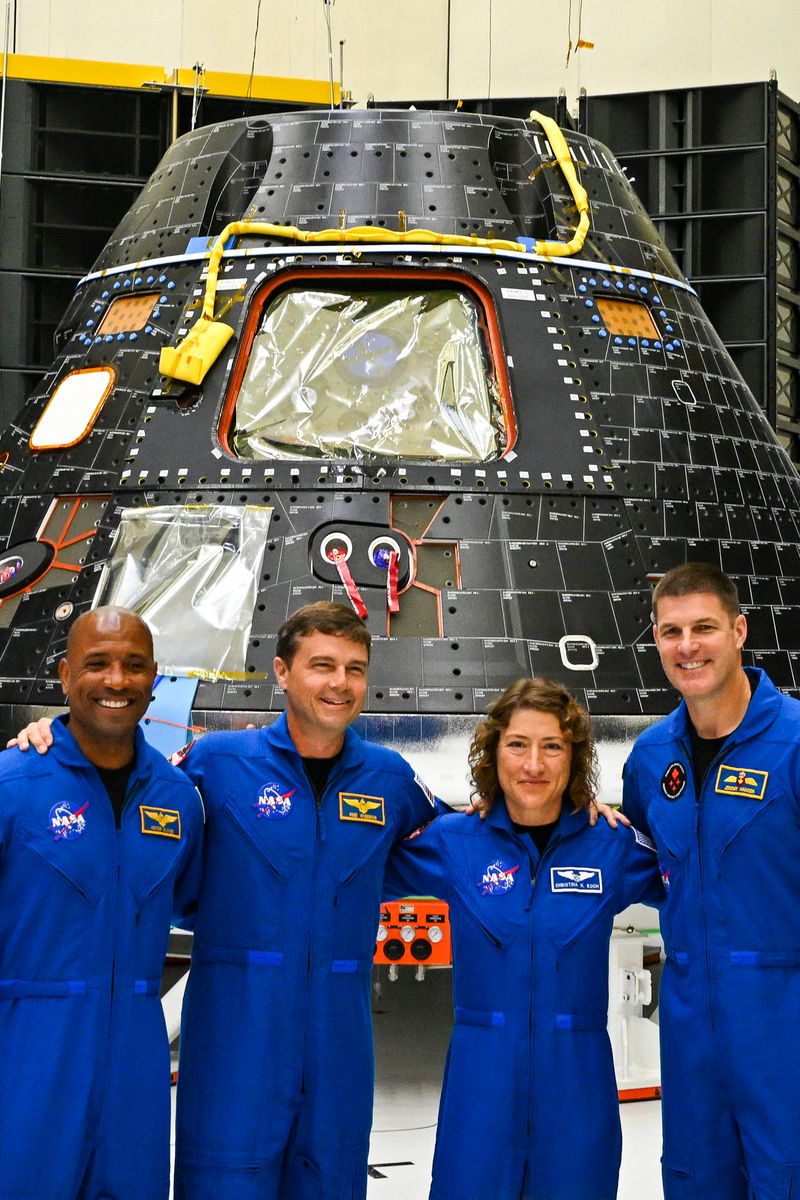
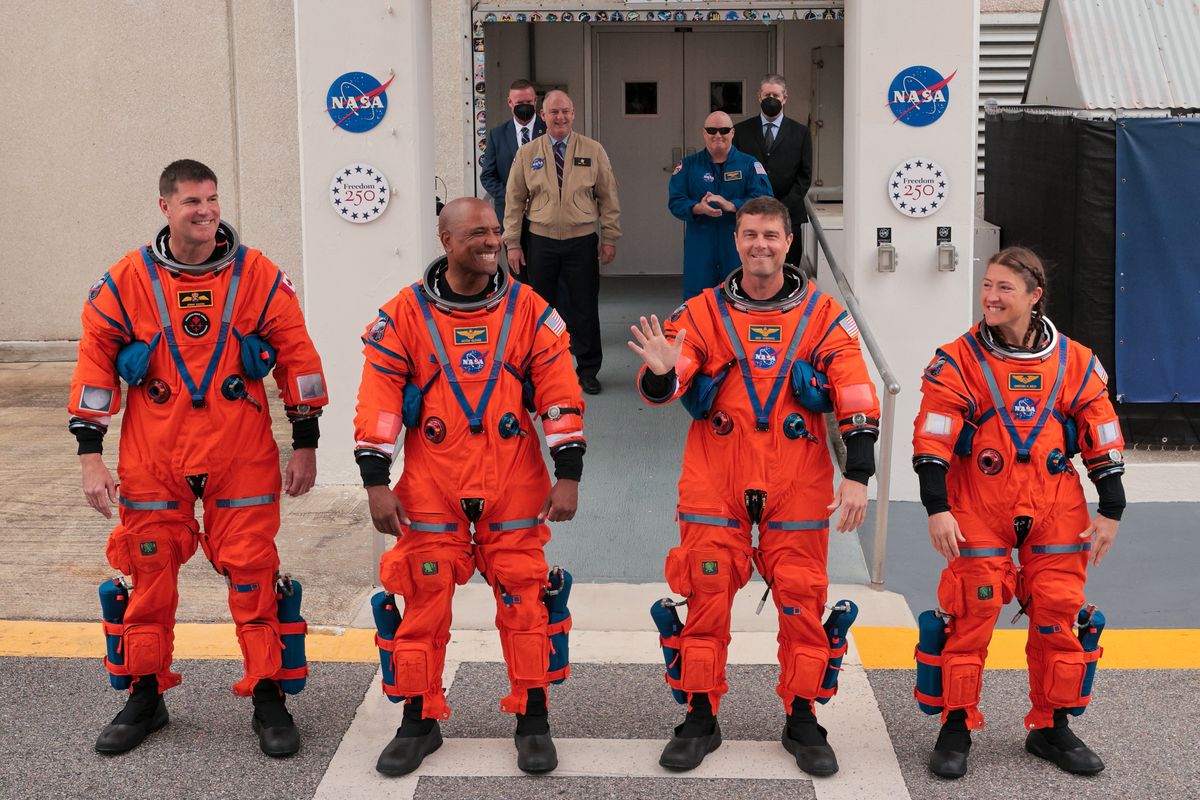
The Artemis II crew includes Reid Wiseman, Victor Glover, Jeremy Hansen, and Koch. Their mission marks the first human journey toward the moon since the Apollo 17 mission.
Even something as personal as bathroom use becomes a shared responsibility. “They all take care of it because they have to,” Boehm explained. “You’re all in it together.”
NASA engineers have also prepared for worst-case scenarios. If the primary system fails, astronauts have contingency tools ready. “We actually have gone through some scenarios on what to do for that,” Boehm said. “We created a special bag that the crew members can use to urinate into. It allows it to drain the urine from the crew member and then we can vent that bag overboard.”
For solid waste, the solution is similarly practical. “The fecal matter, same principle,” he added, “you just go into the bag and collapse it up and put it into the can again.” These backup systems ensure mission continuity, even if technical issues arise.
 © Getty Images
While Artemis II represents a major leap forward in lunar exploration, it also underscores the simple truth that human spaceflight is still deeply human. Every innovation, from propulsion systems to bathroom design, must account for the realities of the human body.
The astronauts aboard Orion are adapting to it in real time, managing everything from scientific objectives to the logistics of daily life. And sometimes, that means putting on hearing protection, securing yourself with handholds, and working as a team, even in the smallest room on the spacecraft.
Read the full article here