

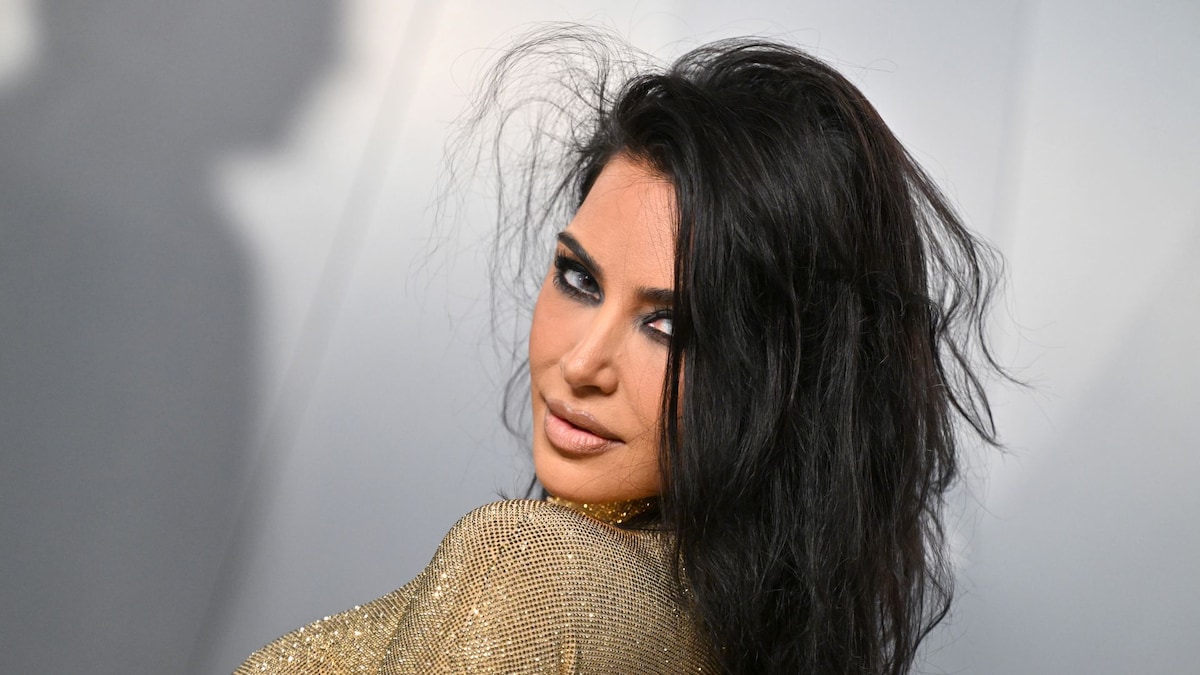

The Vanity Fair Oscar party has long been synonymous with polished glamour, controlled lighting, and near-flawless celebrity imagery. But this year, the conversation shifted from couture to complexion, as multiple attendees reportedly took issue with what they described as harsh, unforgiving lighting at the high-profile event.
Held at the Los Angeles County Museum of Art following the Academy Awards, the revamped celebration introduced several changes, including a pared-down guest list, reduced media presence, and a new visual setup. While these updates aimed to modernize the iconic soirée, insiders suggest the lighting choices may have overshadowed the intended effect.
“Unforgiving” Photos and High-Definition Reality
Several attendees described the lighting as intensely bright, comparing it to standing under studio-grade illumination. “I felt like I was standing under klieg lights,” one guest told the Hollywood Reporter, referring to a term historically associated with powerful film lighting that reveals every detail on camera.
That level of clarity, while technically impressive, appears to have worked against the aesthetic expectations of many high-profile guests. Another attendee joked about the physical discomfort, likening the heat and brightness to experiencing hot flashes. “It was like a hundred degrees,” the anonymous guest told THR. “I was literally having hot flashes.”
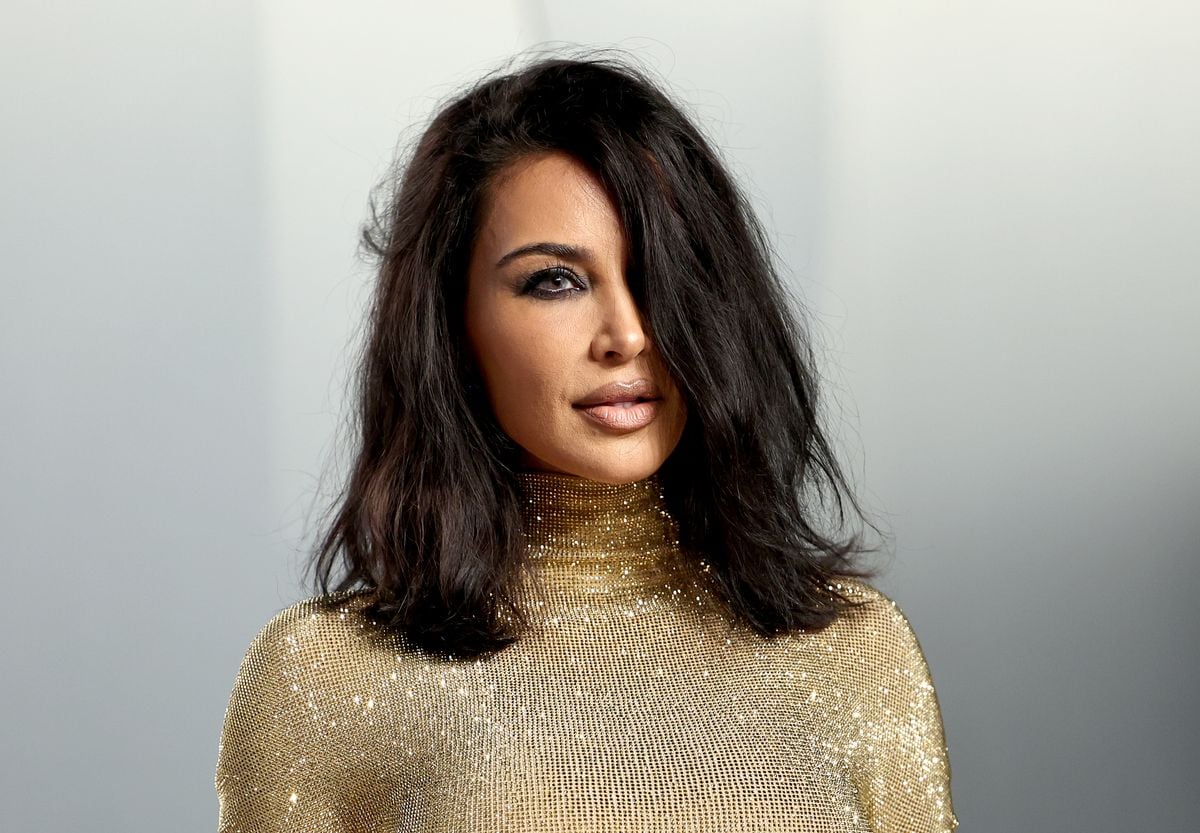 © WireImage
According to insiders, the lighting created an ultra-high-definition effect that exposed details typically softened or concealed in more flattering setups. Fine lines, texture, and even minor weight fluctuations reportedly became more visible, leading to dissatisfaction among some attendees reviewing their images in real time.
A Stark Contrast to Past Oscar Party Glamour
The Vanity Fair Oscar party has built a reputation over the years for its carefully curated red carpet environment. Previously hosted in Beverly Hills at the Wallis Annenberg Center, the event was praised for its “meticulously calibrated” lighting. That setup was widely considered a key factor in producing consistently flattering photographs of attendees.
Veteran guests familiar with the party’s legacy noted a clear departure from that standard. In past years, even candid paparazzi shots were known to deliver polished results. The lighting was often described as almost “magical,” enhancing features while minimizing imperfections.
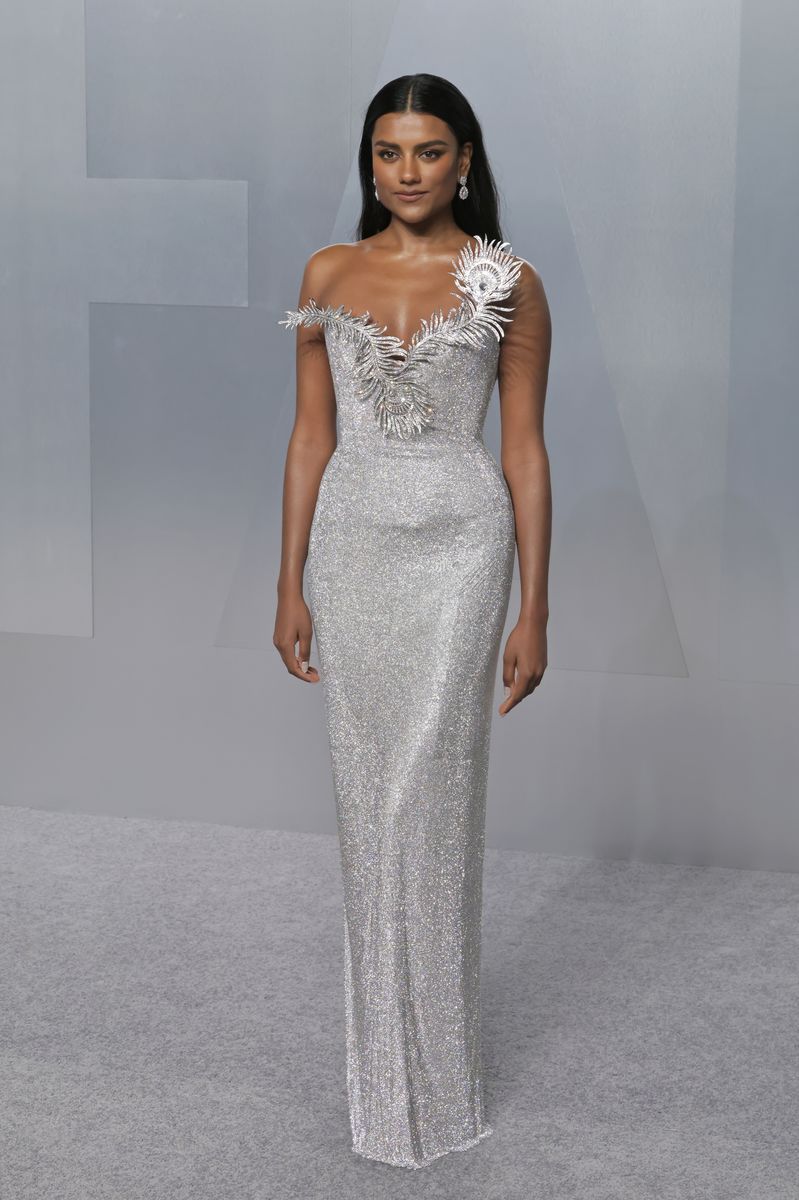 © The Hollywood Reporter via Getty
“I’ve been shot at a million parties, but the setup for that party was always sublime,” they told the outlet. “When you posed for the paps at the VF gala, even the ugliest stars knew they’d come out all right. It was like magic!”
This year’s approach, by contrast, leaned into realism rather than refinement. While some might argue this reflects a broader cultural shift toward authenticity, it appears many celebrities were unprepared for the level of visual transparency.
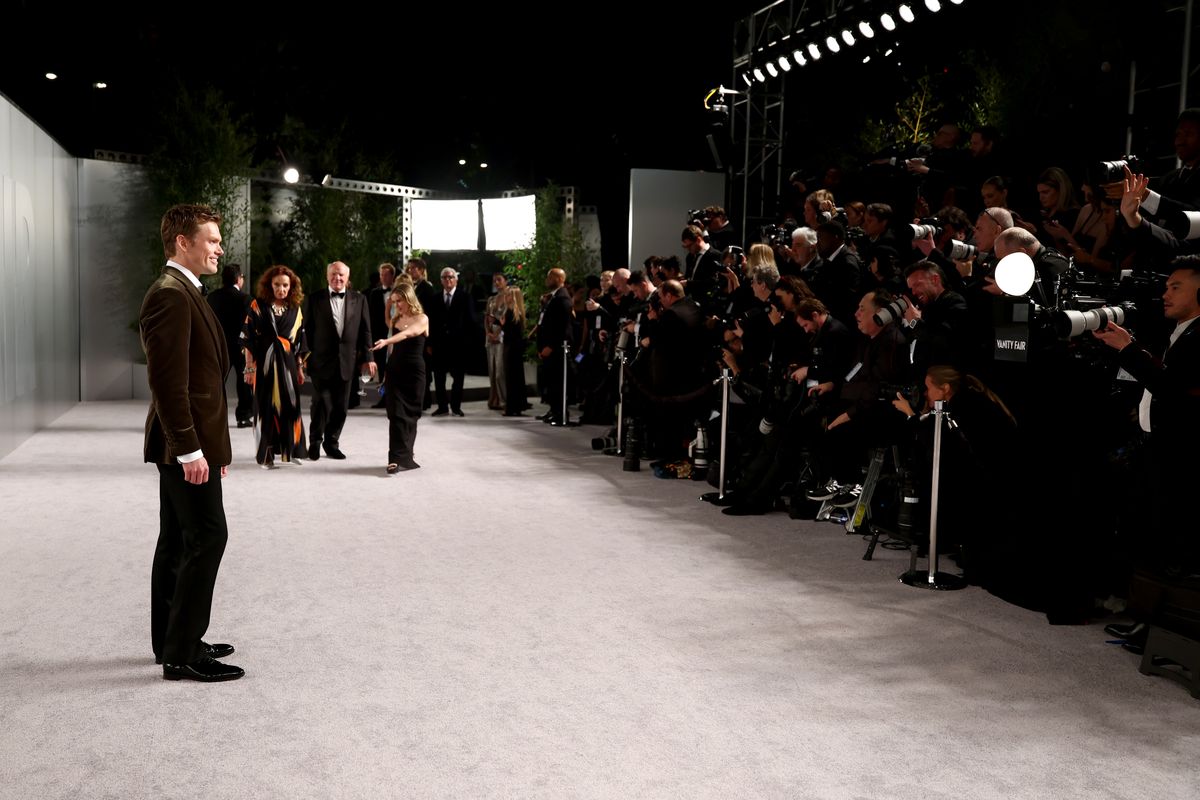 © Getty Images for Vanity Fair
The Role of Styling, Set Design, and Carpet Color
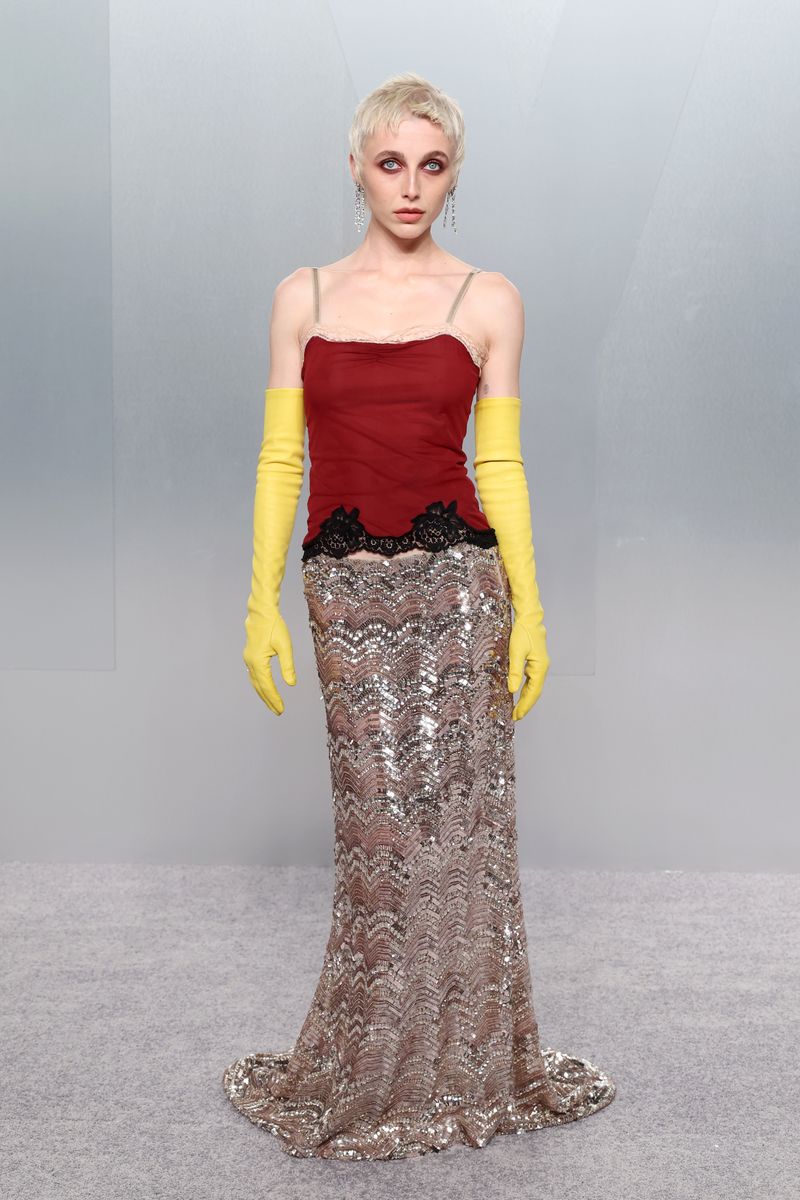
Lighting wasn’t the only element under scrutiny. The introduction of a light gray carpet also reportedly contributed to the issue. Unlike darker tones, which tend to absorb light and create contrast, lighter surfaces can reflect brightness upward, intensifying exposure on the face and body.
 © Getty Images for Vanity Fair
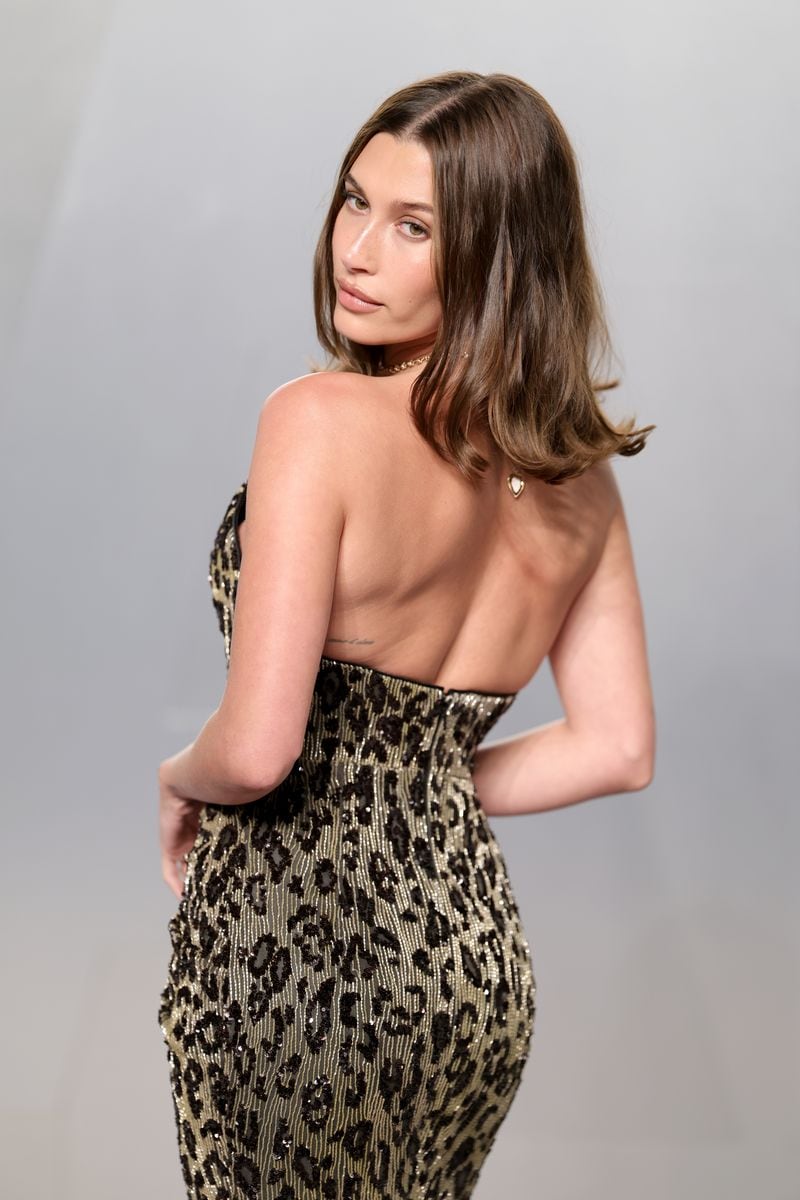
Combined with strong overhead lighting, the result may have amplified shadows and highlights in ways that proved less forgiving on camera. For an event where image is everything, even subtle environmental shifts can have a significant impact.
Styling choices, including makeup and wardrobe, are typically designed with specific lighting conditions in mind. A sudden change in those conditions can disrupt the intended effect, making even expertly prepared looks appear different from what was expected.
 © Getty Images
Emotional Reactions Behind the Scenes
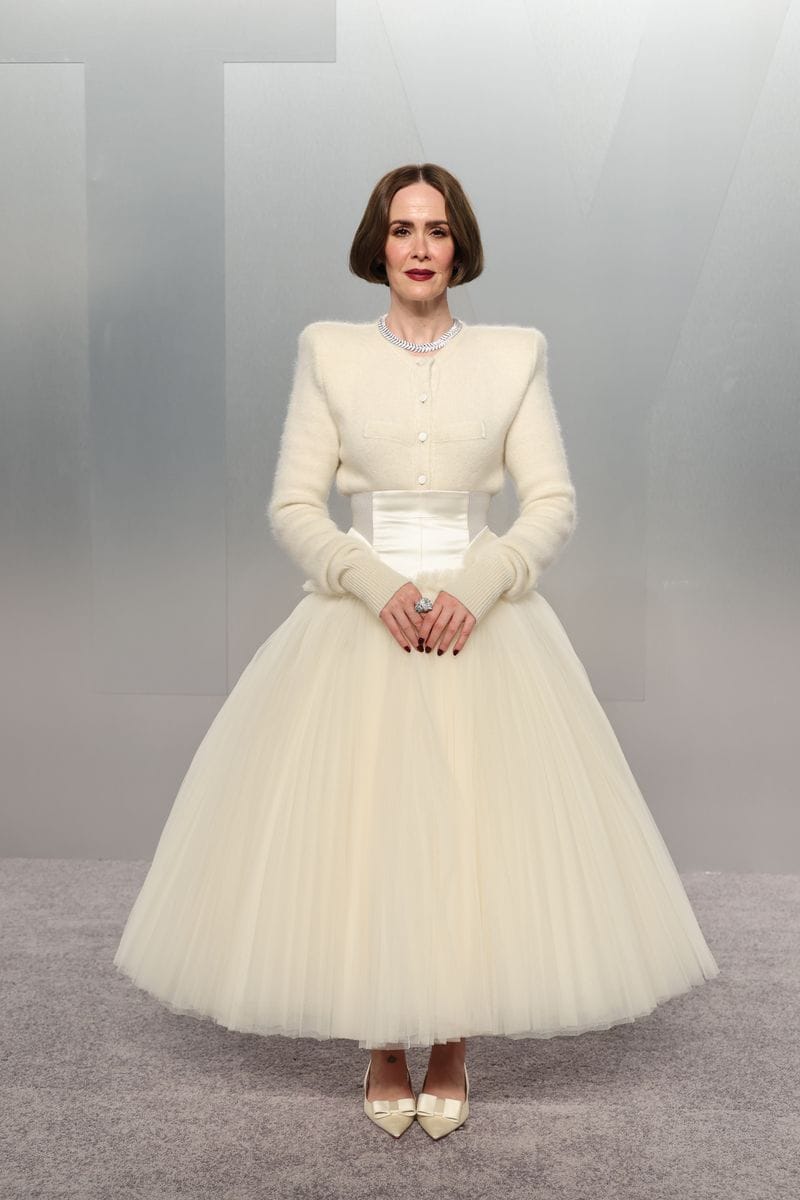
Beyond technical critiques, the emotional response among some attendees added another layer to the story. Reports suggest that at least one actress was visibly distressed after reviewing her photos, reacting strongly to how she appeared in the images.
“I genuinely feel bad for some of these women,” another guest complained. “One poor actress looked like a Diane Arbus character. She was on her phone looking at her pictures and shrieking at her publicist. I heard that she went home and cried herself to sleep. Nobody has heard from her since!”
 © Getty Images for Vanity Fair
The feedback from this year’s event is likely to influence how future Oscar parties and similar gatherings are designed. Lighting, once considered a background technical detail, has now taken center stage in discussions about event execution.
Producers and organizers may revisit previous setups or invest in more adaptive lighting systems that maintain realism while preserving flattering visual outcomes. The goal will be to meet evolving expectations without compromising the core appeal of these high-profile experiences.
Read the full article here