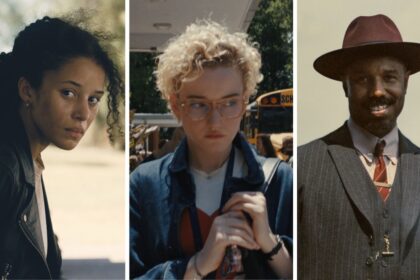

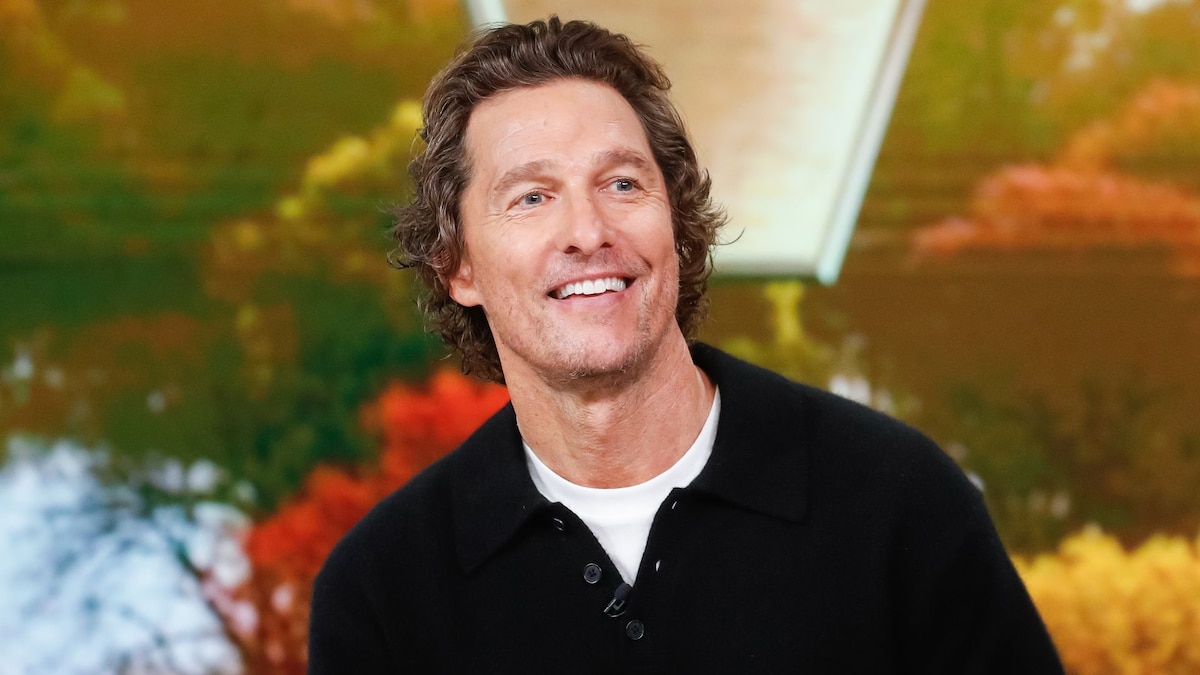

According to Matthew McConaughey, artificial intelligence is on the verge of reshaping Hollywood, and it might even compete for Oscars.
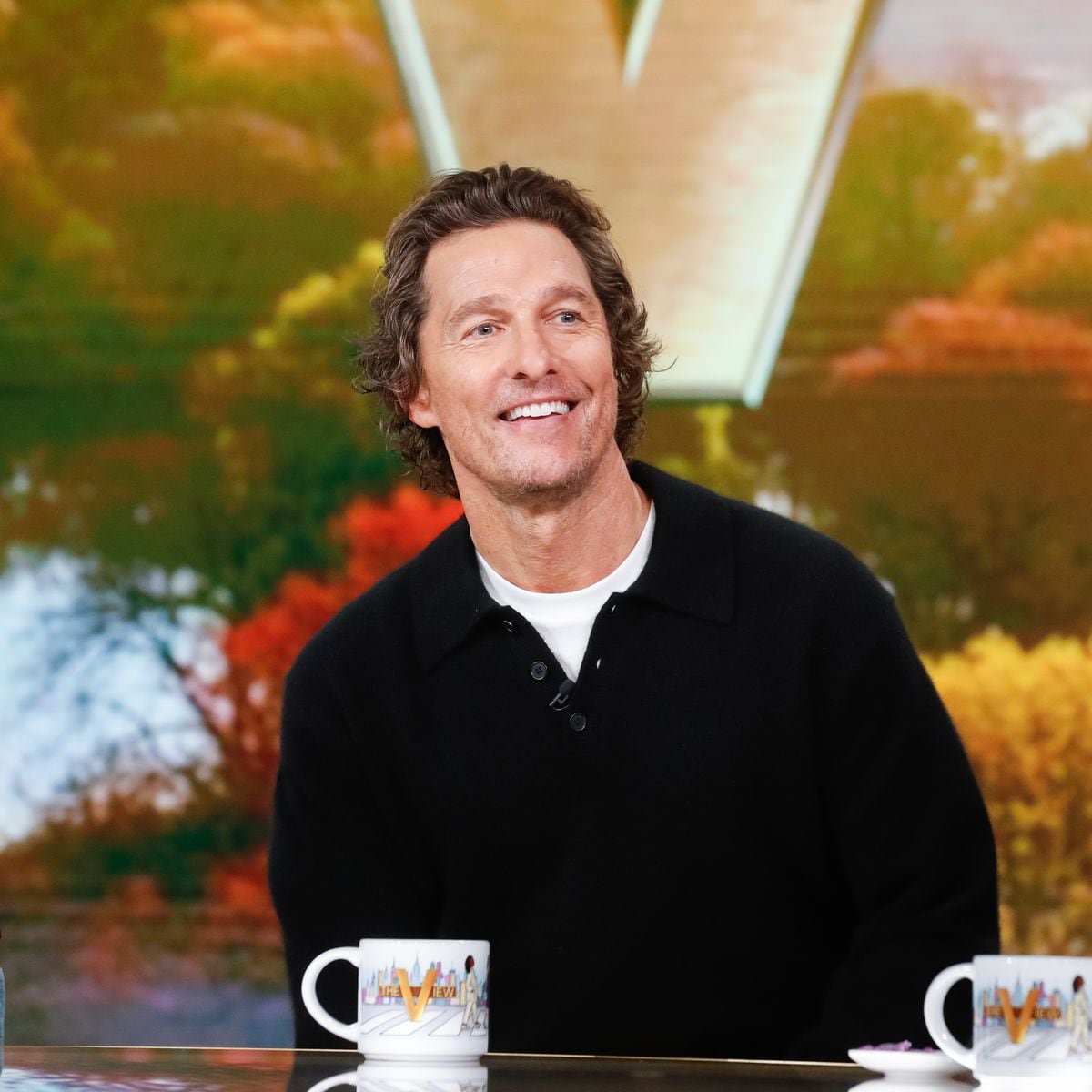
During a conference hosted by Variety and CNN at the University of Texas at Austin, McConaughey predicted that AI-generated performances could soon collide with human actors at the Academy Awards.
“It’s damn sure going to infiltrate our category,” he said. “Does it become another category? Will we be, in five years, having ‘the best AI film’? ‘The best AI actor?’”
 © Tilly Norwood/Instagram
For the Oscar winner for ‘Dallas Buyers Club,’ this isn’t science fiction. Technology doesn’t pause for ethical debates, especially when there’s money to be made.
“It’s coming. It’s already here,” McConaughey told students. “Don’t deny it. It’s not going to be enough to sit on the sidelines and make the moral plea that, ‘No, this is wrong.’ It’s not gonna last. There’s too much money to be made, and it’s too productive. So I say: Own yourself. Voice, likeness, et cetera. Trademark it. Whatever you gotta do, so when it comes, no one can steal you.”
 © Tilly Norwood/Instagram
McConaughey’s concern isn’t just AI-assisted line readings or de-aging effects. He envisions AI-generated performances so convincing that they might qualify for awards, and even force new categories.
“It’s gonna be in front of us in ways that we don’t even see. It’s going to get so good we’re not going to know the difference,” he said. “That’s one of the big questions right now: the question of reality. It’s more hazy than ever — in a very exciting way, I think, but also a scary way.”
 © Lou Rocco
He suggested the Academy might eventually create a separate category for AI performances, but stressed that control remains key.
McConaughey has trademarked his iconic “Dazed and Confused” catchphrase and begun licensing his voice through AI platforms, exploring ways for technology to be used ethically while artists retain agency.“Prep for it. Own your own lane, so you at least have agency when it starts to trespass,” he said.
 © Getty
Joined on stage by his ‘Interstellar’ co-star Timothée Chalamet, McConaughey framed the issue as generational. The onus of defining ethical boundaries, he suggested, may fall heavily on Gen Z. Chalamet echoed the urgency. “There’s a level of fatalism I feel,” he said. “But the fatalist in me feels like this stuff is coming.”
What other actors think about AI:
McConaughey and Chalamet are far from alone. Willow Smith has taken a more philosophical approach, imagining AI as a “digital fossil-map” of human thought, a permanent archive of creativity and memory.
But for others, AI has become personal. Jenna Ortega and Scarlett Johansson have been targeted by deepfake imagery, while Taylor Swift confronted AI-generated misinformation falsely linking her to political endorsements.
 © Getty.
Meanwhile, actors including Nicolas Cage, Ben Stiller, Mark Ruffalo, Aubrey Plaza, and Kate McKinnon have signed open letters demanding artists maintain control over how AI uses their likenesses and works.
Initiatives like the Creators Coalition on AI, led by Joseph Gordon-Levitt alongside Daniel Kwan and Natasha Lyonne, are advocating for transparency, consent, and fair compensation as the industry grapples with the legal and ethical frameworks surrounding AI.
Read the full article here