



As I type this, I’m sipping from a Stanley full of ‘smooth blueberry’ flavoured electrolytes. Am I in training for a serious physical challenge? Far from it – in fact, after six weeks of illness, I’m doing less exercise than ever before – but the wellness powder is having a moment, and I’m not one to miss out on a trending supplement.
Once solely the preserve of those in intense training regimes or working out in humid conditions that cause excessive sweating, resulting in a lot of salt loss, electrolytes are the latest wellness status symbol, with health and wellbeing editors displaying them in pride of place on their desks and adding them to their daily smoothies.
Boots even reports that searches for electrolytes are up by 755% – but surely we’re not a nation all immersed in high-octane exercise all the time? (Although getting a spot to compete in Hyrox is akin to scoring Glastonbury tickets, so maybe more people need electrolytes than I realise…)
I’ve been of the impression that a little electrolyte never hurt anyone, adding it with abandon to my water each day – but until I get back into regular, intense exercise, do I need electrolytes – and if not, could I be damaging my health?
Do we all need electrolytes?
Spoiler: No. But first, what actually are electrolytes, and why do we see gym-lovers guzzling them?
“Electrolytes are essential mineral salts that carry an electric charge and are crucial for the body to function properly,” explains nutritional therapist Zoe Hill. “They help regulate fluid balance, maintain healthy blood pH levels, support nerve signalling and enable muscle contractions.”

Noting that they aren’t solely a gym supplement, Zoe continues: “Electrolytes play a central role in hydration at a cellular level. Sodium, potassium and chloride help the body absorb and retain fluid effectively,” she adds, though, that this is particularly important during intense exercise or in hot, humid climates where we lose electrolytes through sweat.
Aside from spending time in hot countries (I can but dream!), Zoe says electrolytes can become depleted during prolonged vomiting or diarrhoea or after alcohol consumption.
“Drinking alcohol increases fluid loss and mineral excretion, which is why electrolytes can sometimes help with hangover recovery by supporting rehydration and replenishing lost minerals,” she notes.
Personal trainer Sarah Campus notes that, alongside clients working out for 60 to 90 minutes, or taking part in high-intensity workouts or endurance events, she also recommends electrolytes during double training days or when someone is losing weight and at higher risk of dehydration.

On whether we need them post-Pilates or following a low-intensity session, Sarah says: “Plain water is usually enough,” adding: “However, for women during their menstrual cycle, I recommend using electrolytes to replace nutrients in blood loss where they may feel dizzy.”
In short, Zoe surmises about electrolytes: “They’re not a daily necessity.” However, for the elite exercises among us, keep reading.
Electrolytes for exercise
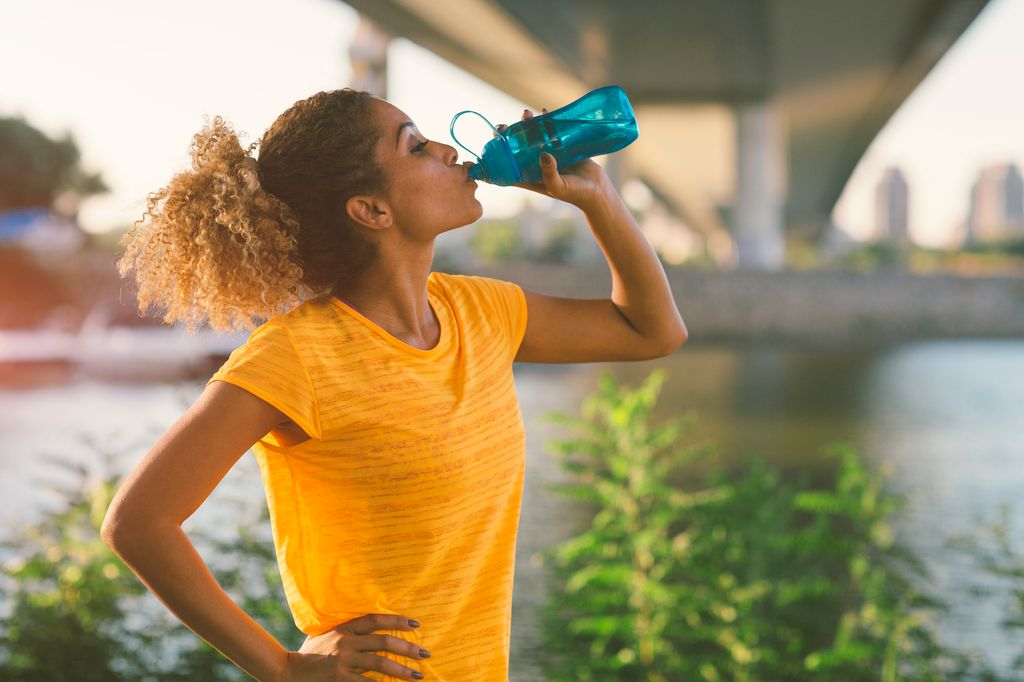
As well as replenishing depleted hydration, electrolytes can improve our training, according to Sarah, who says healthy levels prevent cramping and slow the increase in heart rate, meaning we get less fatigued and can sustain our workout for longer. They can also support recovery, she notes.
 © Getty Images
On why water isn’t enough, Sarah explains: “Drinking enough water keeps you hydrated, but it doesn’t replace the minerals you lose through sweat when training. If you only replace fluids without electrolytes, you can dilute your sodium levels, which may lead to fatigue, cramps, headaches, or decreased performance,” Sarah cautions.
Where to get electrolytes naturally
If you’re not in need of supplementation, whole foods naturally provide key electrolytes such as sodium, potassium, magnesium, calcium and chloride – and this should be enough for the average person.
Can we overdo electrolytes?
Suddenly, my Stanley full of electrolytes doesn’t seem such a good idea, as Zoe explains there is absolutely such a thing as too many electrolytes. “Sodium can contribute to water retention and elevated blood pressure,” she says.”Consuming excessive amounts of potassium can cause irregular heartbeats, which can be serious. High intakes of magnesium may cause digestive upset, and excessive calcium supplementation can impact kidney function in some individuals.”
If you’re drinking electrolyte sachets (I rate Wellthy, Humantra and Sult), one sachet per day is recommended, but your chosen electrolyte will have the recommended daily amount on the packaging.
If you’re wondering how to choose the right hydrator for you when the shelves are packed, look for one containing sodium, potassium, chloride, calcium and magnesium. Avoid artificial sweeteners and flavourings. The final word from Zoe? “The key is choosing quality and remembering that most people can meet their needs through a varied, balanced diet.”
Read the full article here