

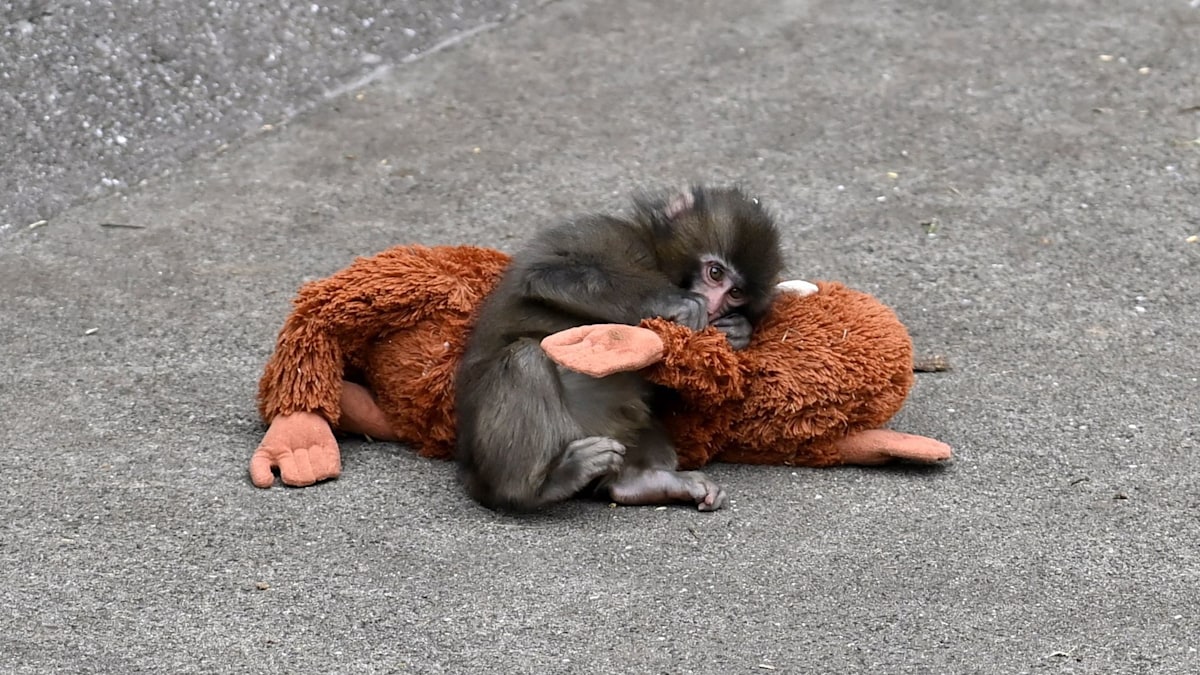

A baby Japanese macaque named Punch has taken over the internet in recent weeks, with his adorable antics and efforts to connect with the other members of his troop at Ichikawa Zoo in Japan touching the hearts of millions.
The seven-month-old was sadly abandoned by his mother shortly after his birth, leaving him to be hand-reared by zookeepers with just a plush toy for company.
The abandonment also left him vulnerable to attacks from other monkeys, who have been filmed dragging him across the ground, chasing him and holding him down in displays of dominance. Many of Punch’s supporters have been left with the same question: why did his mother abandon him?
Heat stress
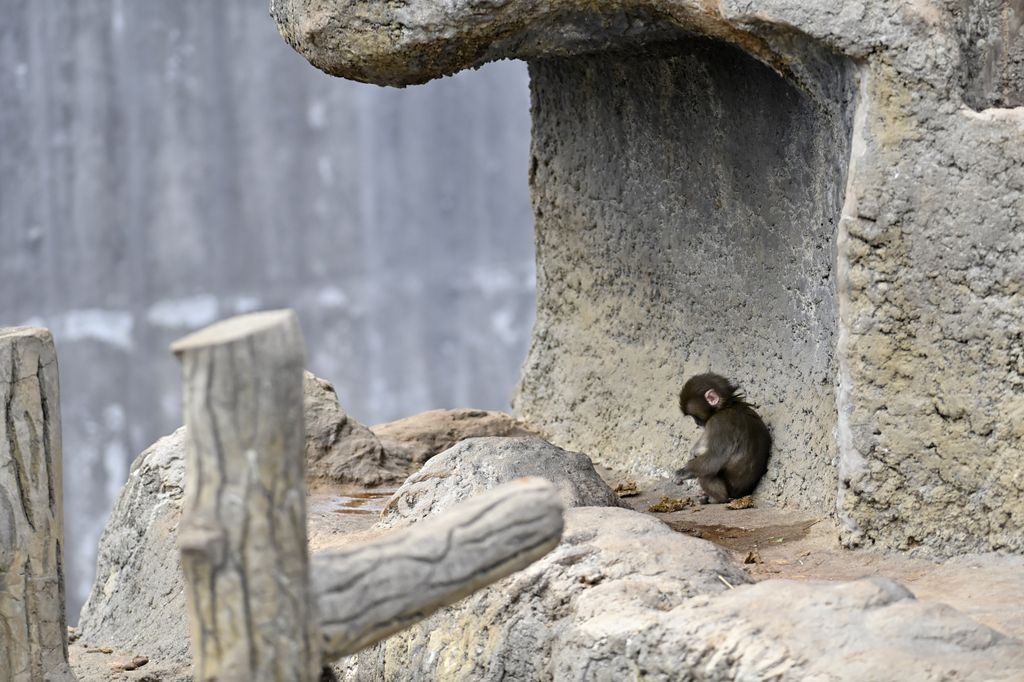
This environmental factor is just one of the possible reasons for Punch’s abandonment. He was born during a heatwave in Japan, with his keepers suggesting that his mother may have abandoned him due to the immense heat stress she faced during his birth.
“In environments where survival is threatened from outside stress, mothers may prioritize their own health and future reproduction rather than continue to care for an infant whose health may be compromised by those environmental conditions,” said primatology expert Alison Behie to The Guardian.
A baby’s health
 © Anadolu via Getty Images
In the primate world, there are rare occurrences of mothers abandoning their babies if they deem their offspring weak or unhealthy.
Oftentimes in the wild, a baby will only be abandoned if its mother dies, which sets them back developmentally as they have less access to food and social connection. A relative or older member of the troop will usually step in and raise the baby in this circumstance.
First-time mother
 © Anadolu via Getty Images
Another reason that Punch may have been abandoned is due to his mother’s inexperience as a parent. “The burden of her first birth may have been a factor,” said zookeeper Kotsuke Shikano.
“In the monkey mountain troop, other mother monkeys sometimes take on childcare, so we observed from a distance on the day of birth, but there were no such signs. Since Punch was healthy, we temporarily separated him from the troop and began hand-feeding him with milk.”
How does Punch’s abandonment affect his social standing?
 © Anadolu via Getty Images
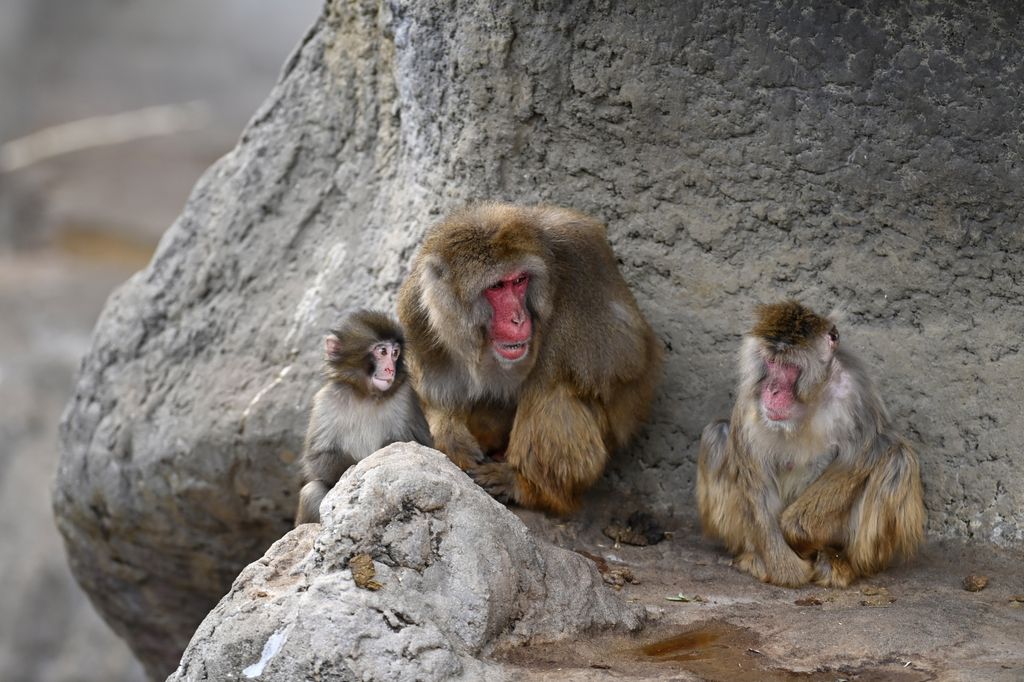
Punch’s abandonment set him back socially, as he was hand-reared by zookeepers and only reintroduced to the troop in January. Without his mother, the monkey must muddle his way through social dynamics, rather than copying his mom’s actions.
“Punch may not develop the appropriate subordinate responses to show they submit to the dominance, which could have ongoing implications for the way they integrate into the group as an adult,” explained Alison Behie.
While fans have expressed their concerns that Punch was being bullied by his fellow monkeys, zookeepers explained that this is a normal part of integrating into the group and learning his place in the matrilineal hierarchy.
“Punch has been scolded by other monkeys many times in the past and has learned how to socialize with them,” they wrote in a statement. “Although Punch has been scolded many times by other monkeys, no single monkey has shown serious aggression toward him.”
Despite his rocky start in the troop, Punch has slowly been making friends with other monkeys. He was seen being groomed and hugged by an older monkey recently, and was also spotted playing with others closer to his age.
Who is Punch’s surrogate mother?
 © JIJI PRESS/AFP via Getty Images
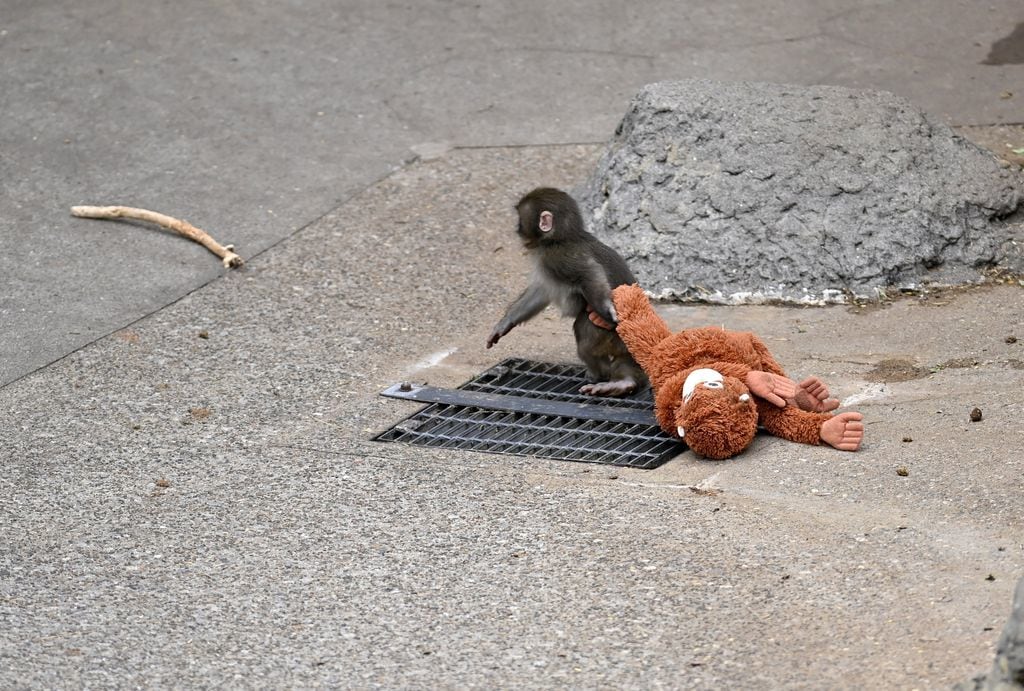
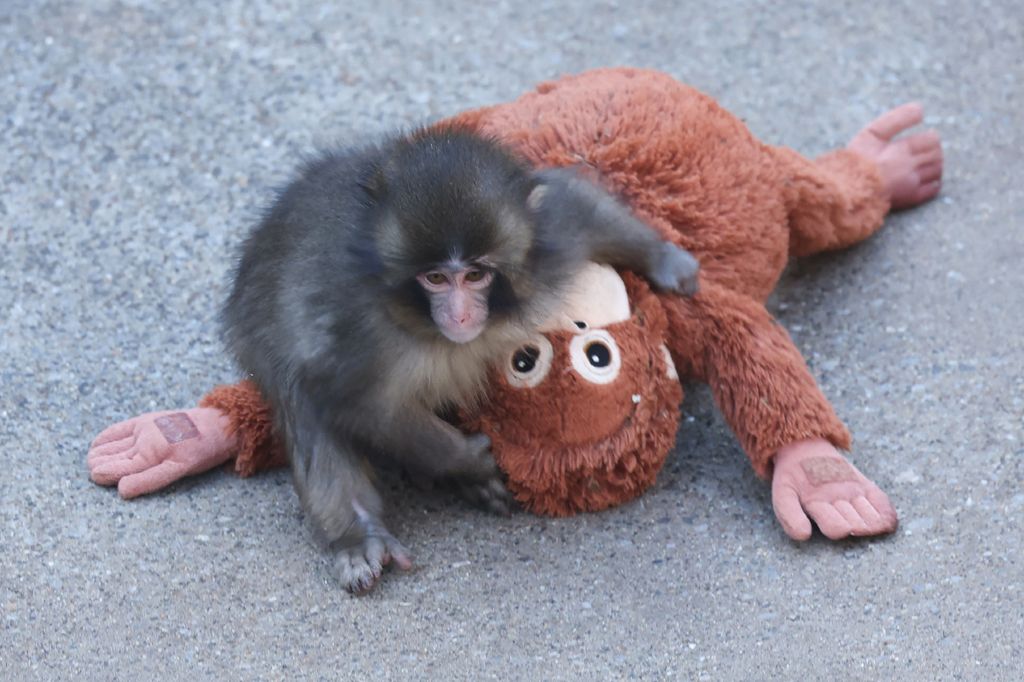
When none of the members of the troop stepped in to raise Punch, he was raised by zookeepers instead and given a stuffed orangutan toy from Ikea for comfort. Images and clips of the monkey dragging around his toy and cuddling it have gone viral, and the orangutan plushie has sold out across the US, Japan and South Korea.
“Baby Japanese macaques immediately cling on to their mother’s body after birth to build muscle strength. They also get a sense of security through holding on to something,” said Kosuke Shikano. “However, because he had been abandoned, Punch had nothing to grip on to.”
“We thought that [the toy] looking like a monkey might help Punch integrate back into the troop later on…The stuffed animal’s fur made it easy to grab, and its appearance is also similar to a monkey, which likely provided a sense of security.”
Read the full article here