

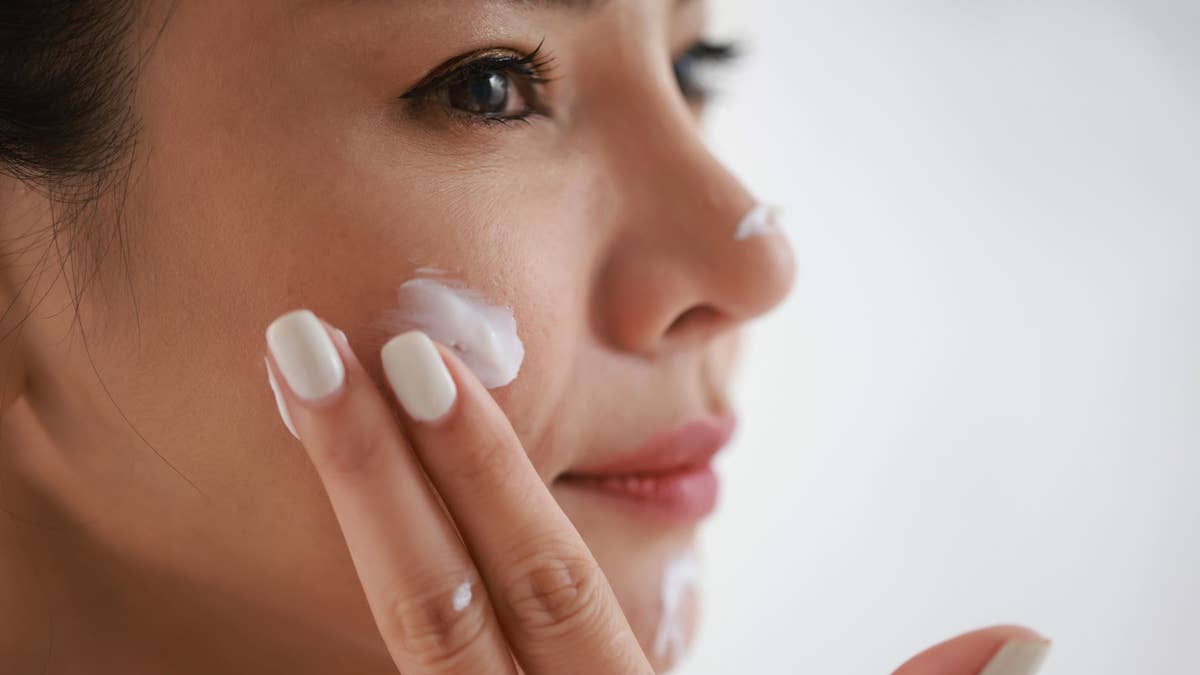

Glowing, dewy skin is the starting point for almost any great makeup look, especially as you age. Get it right, and foundation glides on seamlessly, concealer sits comfortably and your complexion gets that fresh, healthy finish we’re all after.
While logic might suggest the secret is simply piling on extra moisturiser, that’s actually a myth.
Makeup artist Xabier Rodrigues breaks down how a too-heavy pre-foundation prep can exaggerate wrinkles; the trick comes down to your skin type, the texture of your skincare and your dosage.
“If your skin is very dry, a generous layer of moisturiser can certainly help makeup go on more smoothly,” he explains. On dry patches, that extra slip helps foundation blend out effortlessly. The trouble starts when the skin gets overloaded.
As your face moves naturally throughout the day—when you smile, chat, or frown—the foundation shifts and settles directly into those fine expression lines. “When the skin is over-hydrated, the pigments pool together in those creases,” the makeup artist notes.
And those tiny dots you spot when you look closely in the mirror? That’s just excess product collecting in your pores.
Why moisturiser can make expression lines more noticeable
It might seem quite obvious but yes, your skin is alive. It has pores, texture, folds, and movement, and that’s why makeup changes as the hours go by. A cream that is too rich, a very oily serum, or several layers of skincare can create a surface on which foundation slips more easily.
Rodrigues explains that this effect is often more noticeable on oily skin, because those skin types expel more sebum during the day. This sebum mixes with the cream, foundation, concealer and powder to form a heavier layer on the face. “It all creates a kind of paste,” he says succinctly.
This mixture, then, can make lines, pores and the skin’s subtle contours more pronounced. Your skins’ finish loses its freshness and makeup looks denser precisely in the areas where you aimed for more lightness.
Just like concealer or powder, there’ a sweet spot for how much you should use. Apply too rich a layer, and your makeup can end up doing the exact opposite of what you want: making fine lines and creases far more noticeable.
The skin needs balance. If you use too much moisturiser, you can cause your makeup to shift, and if you use too little, your foundation can look cakey. In both cases, lines become more visible and the skin looks more uneven.
Rodrigues insists on choosing each step carefully: your skincare, eye cream, serum, moisturiser, foundation, concealer and powder should all prep the skin according to what it needs on that particular day.
If your skin is dry, it’ll be craving rich comfort, whereas oily skin fares much better with lightweight textures. Dehydrated skin often just needs a boost of hydration—a heavy cream can easily end up feeling too thick. It’s all about paying attention to how your skin behaves day to day and tailoring your products to match.
The 2-minute wait rule that completely transforms your foundation
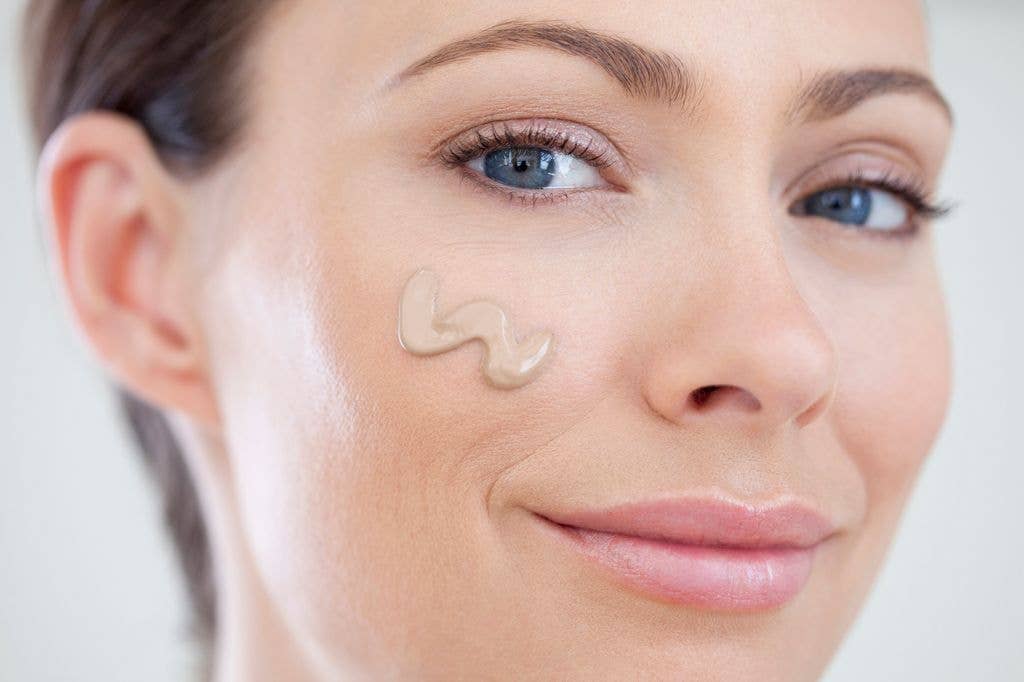
The simplest trick is just giving your skin time to breathe. The make-up artist recommends applying your moisturiser and waiting “a couple of minutes” before going in with foundation. This brief pause allows the skincare to sink in properly, leaving you with a much better base for your makeup.
His tip is to put your cream on and use those few minutes to moisturise your hands or body. By the time you get back to your face, your skin is prepped and ready, without any excess product sitting on the surface. It’s a tiny tweak, but it makes a massive difference to the final finish.
 © Getty Images
How to tailor your pre-makeup skincare to your exact skin type
The best moisturiser to wear under makeup is simply the one that suits your skin type. MUA Rodrigues suggests getting a professional opinion and mentioning whatever issues you’re facing—whether that’s tightness, excess oil, unwanted shine, flakiness, visible pores, or foundation that breaks up after a few hours. Getting that right helps pinpoint the exact texture you need.
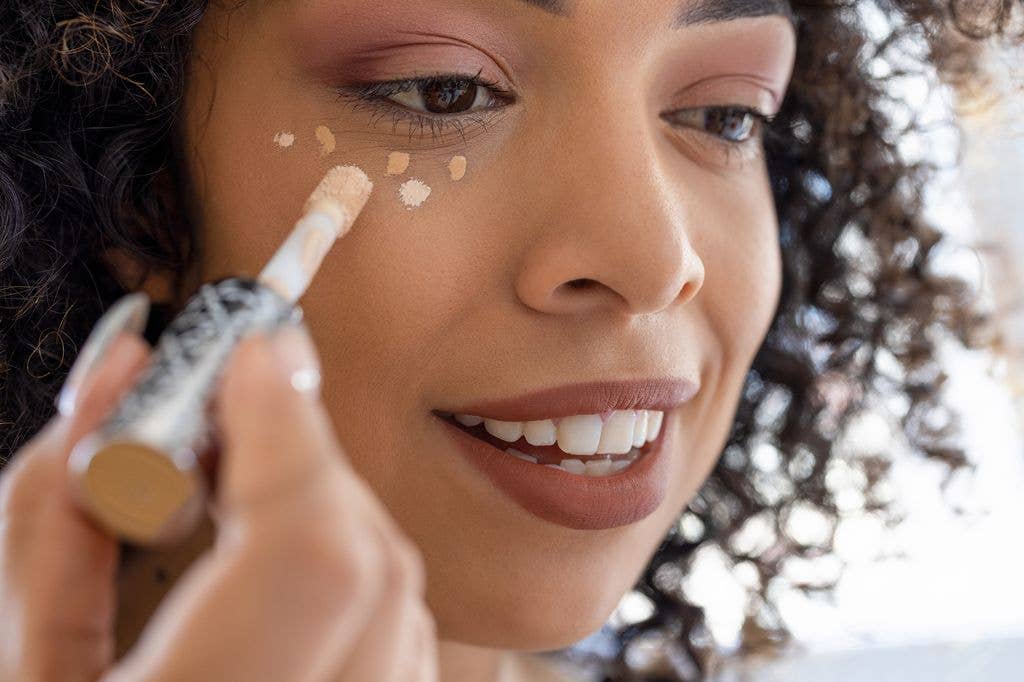
Oily skin thrives on lightweight, fluid formulas that create a smooth base without overloading it. Dry skin benefits from richer, more comforting creams, but you still need to use a light hand. Around the eyes, keep it minimal—just enough to hydrate the area so your concealer sets nicely without creasing.
To keep your skin feeling comfortable under foundation, stick to a thin, evenly blended layer. Slathering on multiple products in a rush will only cause your makeup to slide off much sooner
The makeup artist also reminds us not to be afraid of powder. People often steer clear of it, worrying it’ll look aging or settle into fine lines, but Rodrigues reckons it all comes down to the formula, the brush, and how much you use.
The right powder can set your makeup, blur texture, and give your skin a real-life filter effect. The secret is to press it only where you actually need it—typically down the T-zone—to control shine without losing that fresh, dewy glow across the rest of your face.
 © Getty Images
3 pro tips for more flawless make-up
In a nutshell, remember these make-up tips:
- Adapt your skin prep to your skin type to prevent foundation or concealer from settling into pores and lines.
- The key to moisturising before applying makeup is to use just the right amount of moisturiser and let the product settle for a few minutes.
- The balance between moisturiser, foundation and powder helps maintain a luminous finish without makeup looking heavy as the hours go by.
Read the full article here