



If you have ever suffered from a urinary tract infection, you know how miserable it can be: the burning sensation when urinating, that constant urge to nip to the loo, and a persistent feeling of discomfort.
It is even worse when a UTI keeps recurring, leaving you feeling as though nothing truly works to prevent it.
What is a UTI? Understanding the causes of recurrent cystitis in women
But why does this happen? And more importantly, why do women suffer from more UTIs – also known as cystitis – than men? The answer lies in several factors: female anatomy, hygiene, daily habits and even your diet.
“Cranberry prevents the agents responsible for urinary discomfort from taking hold, making it much easier for the body to flush them out”
Although UTIs can affect anyone, women – including those dealing with recurrent UTIs among other symptoms during menopause – are at a much higher risk. Our urethra is shorter and more exposed to bacteria like Escherichia coli, the main culprit behind the problem.
Fortunately, there is a natural ally that has proven effective in preventing this type of infection: the cranberry.
The science of cranberry: How PACs prevent urinary tract infections
The cranberry (Vaccinium macrocarpon) is a small red fruit native to North America, famous for its antioxidant power and its benefits for urinary health. Its secret lies in its high content of proanthocyanidins (PACs), compounds that prevent bacteria from sticking to the walls of the bladder, thus hindering the spread of infection.
Integrative gynaecologist Dr Joan Matas explains the science behind the age-old remedy: “Cranberry prevents the agents responsible for urinary discomfort from taking hold, making it much easier for the body to flush them out. Although it won’t cure an active infection, it can help prevent and reduce the frequency of attacks in those prone to them.”
Nutritional benefits of cranberries: From antioxidants to anti-inflammatories
The cranberry is not only useful for preventing urinary infections. It’s also a food with multiple health benefits because of its richness in antioxidants.
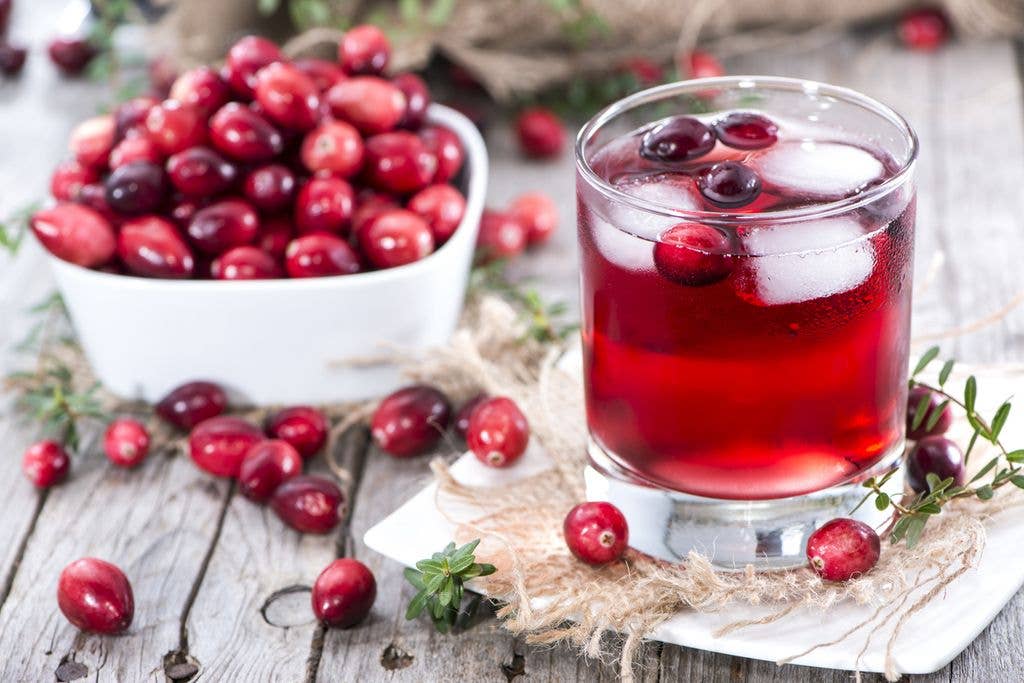 © Getty Images
dried or even in capsule supplements
All the cranberry antioxidants listed below are potent anti-inflammatory agents. Maintaining low levels of inflammation in the body can help prevent chronic diseases such as cancer and diabetes.
- Quercetin: This is the main antioxidant in cranberries. It has been studied for its potential role in preventing certain types of cancer, such as breast, colon and pancreatic.
- Myricetin: Another potent antioxidant with anti-inflammatory properties and possible protective effects against cancer.
- Ursolic Acid: Present in the cranberry skin, this compound is known in herbal medicine for its anti-inflammatory capacity.
- Anthocyanins: Responsible for the cranberry’s intense red colour, these antioxidants could help reduce inflammation and protect against cardiovascular diseases.
- Proanthocyanidins: While these provide the anti-adherent effect in the bladder, they could also play a role in reducing the risk of infections in other parts of the body and in preventing the growth of cancerous cells.
Expert guide: How to use cranberry for maximum effectiveness
To take advantage of its benefits, cranberry can be consumed in different ways:
- Fresh or as a natural juice: Ideal for obtaining its nutrients in their purest state.
- Dried or dehydrated: Perfect for adding to salads, yoghurts or healthy snacks.
- Capsule supplements: It is advisable to consider cranberry supplements if you are looking for a higher, more concentrated dose of PACs. Dr Matas stresses the importance of checking the concentration of proanthocyanidins when choosing a supplement.
 © Getty Images
6 lifestyle tips to prevent cystitis and improve bladder health
Although cranberry is an excellent ally, its effectiveness against urine infections or cystitis increases when combined with other healthy habits. Here are some key tips for keeping your urinary system in optimum condition:
1. Adequate Hydration
Drinking enough water is fundamental for flushing out the urinary tract and eliminating bacteria. Experts recommend consuming between 1.5 and 2 litres of water per day, depending on physical activity and the climate.
2. Do not hold urine
Putting off going to the toilet can weaken the bladder muscles and encourage bacterial growth. Ideally, you should urinate every time the body signals the need and ensure you fully empty your bladder.
 © Getty Images
3. Mind your diet
In addition to cranberry, there are other foods that can help maintain the health of the urinary system:
- Fibre: Present in whole grains, pulses, and vegetables, it helps regulate intestinal transit and prevent constipation, which can put pressure on the bladder and hinder its emptying.
- Alkalising foods: Such as lemon, parsley and spinach, which can help balance urinary pH and reduce bacterial proliferation.
- Probiotics: Present in yoghurt and fermented foods, they contribute to maintaining a balanced microbiota and strengthen the immune system.
4. Appropriate intimate hygiene
Using neutral pH cleansers and cleaning the intimate area from front to back are key measures to prevent the spread of bacteria towards the urethra.
5. Suitable underwear and clothing
Opting for cotton underwear and avoiding tight clothing allows for better breathability and reduces moisture in the intimate area, which hinders bacterial growth.
6. Pelvic floor exercises
Practising pelvic floor strengthening exercises, such as Kegels, can improve bladder function and prevent urinary problems in the long term.
Read the full article here