

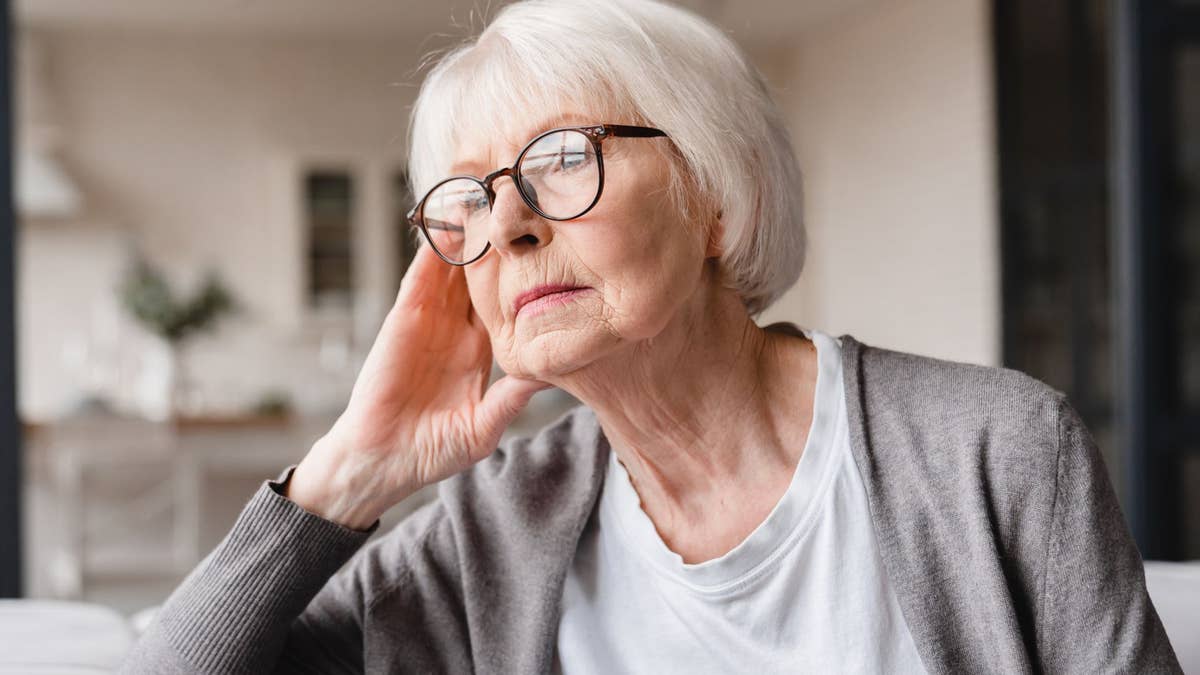

Chronic loneliness has become one of the most pressing issues of our time, with a profound impact on not only our emotional wellbeing but our brain health, too.
Experts note, however, that feeling lonely isn’t the same as simply being alone. While social isolation is something we can measure as the objective lack of regular human contact, loneliness is deeply personal.
It’s that subjective sense of disconnection or emptiness that can hit you even while you’re in a crowded room, and it can take a serious toll on both your mental and cognitive health.
Unfortunately, it’s a problem that’s on the rise. When we’re isolated from the outside world, we miss out on the mental ‘spark’ triggered by social interactions that are important for keeping our brains sharp and helping to ward off age-related decline.
The link between unwanted loneliness and dementia
Recent studies have highlighted that unwanted loneliness is a significant risk factor in the development of Alzheimer’s and other dementias (in fact, an estimated 1 in 3 cases could be prevented through lifestyle changes). The relationship between isolation and cognitive decline is backed by research showing how a lack of social interaction impoverishes vocabulary, reduces cognitive flexibility, and accelerates brain deterioration.
“We’ve seen a clear correlation between high levels of loneliness and a rise in neurodegenerative diseases, including Alzheimer’s”
“Social isolation is a significant risk factor in the development of Alzheimer’s and other forms of dementia. Although it is not a direct cause, loneliness reduces opportunities to practise essential cognitive and language skills for keeping the brain in shape,” assures Dr Liliana Vargas, a geriatrician at the Diagnosis Unit of Ace Alzheimer Centre in Barcelona, Spain.
We had the opportunity to speak with the doctor to delve deeper into this fascinating link.
Is there scientific evidence that confirms the relationship between loneliness and the development or progression of Alzheimer’s?
Yes, there’s a wealth of current scientific research, across both clinical medicine and epidemiology, that confirms this link… From a clinical perspective, when looking back at patient histories, social isolation or a lack of regular social interaction consistently stands out as one of the most significant risk factors.
How does a lack of social interaction affect patients with dementia?
Dementia involves a cognitive decline that impacts a patient’s functional independence; that is, their ability to carry out basic daily tasks. This decline typically affects more than just memory; it also impacts language, visual perception, fine motor skills and executive functions.
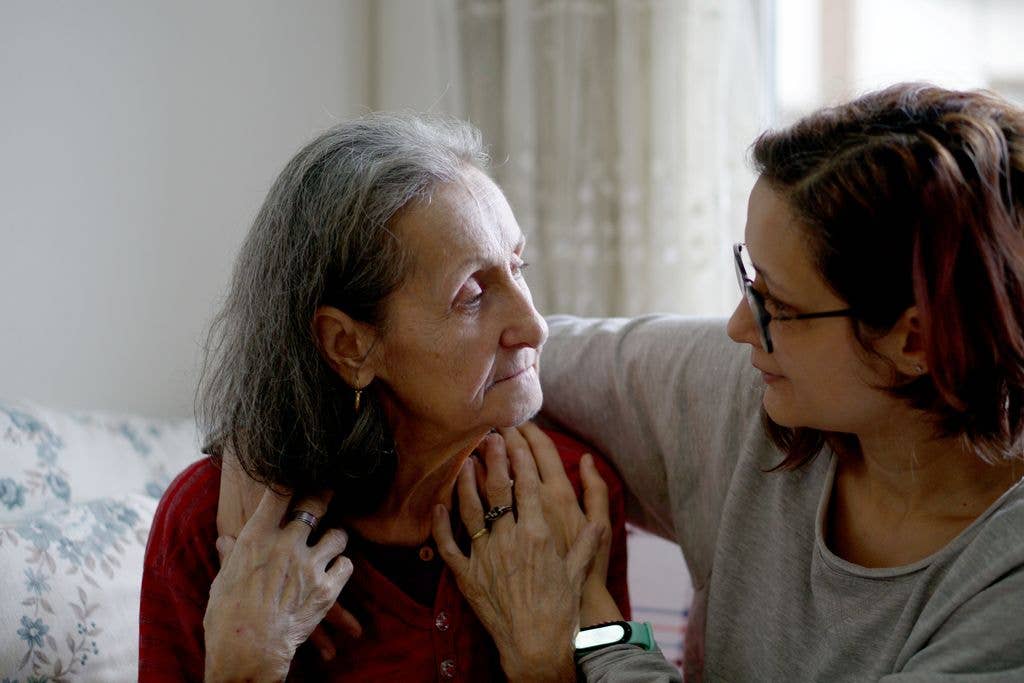
Non-pharmacological treatments for Alzheimer’s are specifically designed to stimulate and maintain these cognitive abilities, and it is here that social interaction plays a keyrole. For example, if a patient is struggling with language, it is essential that they not only receive speech and language therapy but also engage in regular conversation with a variety of people to keep those pathways active.
 © Getty Images
Social contact provides a workout for both language and memory, as the simple act of recalling names, shared histories or personal details is a cognitive exercise in itself. Furthermore, the diverse stimuli found in social settings force the brain to stay engaged, helping to slow the pace of decline.
While passive activities like watching television or reading are helpful, the cognitive benefit is significantly greater when complemented by active engagement – such as explaining a plot or an article to someone else. This level of participation encourages reflection, interpretation and the expression of ideas all of which sharpen critical thinking and communication skills.
Can chronic loneliness, then, be as significant a risk factor as others like genetics and lifestyle?
Yes, absolutely. The World Health Organisation (WHO) has recognised loneliness as a risk factor every bit as significant as more traditional ones, such as hypertension, diabetes, high cholesterol, a lack of exercise or insufficient cognitive stimulation. This means that chronic loneliness has just as much of an impact on the onset of Alzheimer’s as these clinical factors. Consequently, it must be treated with the same level of urgency and integrated fully into our prevention strategies.
Does social isolation have a different impact in the distinct stages of Alzheimer’s?
In the earlier stages, when the patient is still aware of their cognitive difficulties, having a strong social network is vital to help them adapt. Those close to them can assist in finding ways to compensate for these changes, while providing much-needed emotional support and reassurance.
The impact of social isolation is present in every stage of Alzheimer’s, although it manifests itself differently
In the moderate stages, both the patient and their carer benefit immensely from having a solid support system. This network can provide practical, emotional and cognitive assistance, making it easier to manage symptoms and easing the strain on the caregiver.
In the advanced stages, although verbal communication has often significantly declined, human contact remains vital. Sensory stimulation, non-verbal cues, companionship, and music, or even just the simple presence of another person, can still elicit a positive emotional and cognitive response.”
A report in ‘The Lancet’ differentiates between objective isolation and perceived loneliness. How does this distinction influence things?
Indeed, there is a clear distinction between being objectively isolated and actually feeling lonely.
In large cities, where you are constantly surrounded by people, it is still possible to experience profound loneliness if you lack a meaningful emotional or cognitive connection with others. This is why we refer to “unwanted loneliness”; people can be physically among others yet still feel entirely alone, which takes a significant toll on their emotional and cognitive wellbeing.
Prevention is key – focusing not just on the patient, but on their carers as well
The quality of the interaction is what truly matters. It isn’t simply a case of being in someone’s company, you also have to be in a position to express yourself, feel heard and understood, and at the same time be mentally stimulated.
Are caregivers of people with dementia also at a high risk of suffering from unwanted loneliness?
Yes, absolutely. The caregiver’s role is very demanding and, often, so absorbing that it can lead to emotional isolation. In healthcare, we work to identify these situations and offer both formal and informal support resources.
What recommendations could be given to relatives and carers to minimise the impact of loneliness on these people?
It is important for carers to understand that they cannot do everything alone. Although they try to follow all the medical recommendations – cognitive stimulation, physical exercise, a healthy diet – it is fundamental to have a support network. The socialisation of the patient not only benefits their cognition but also alleviates the carer’s burden.
 © Getty Images
Would it therefore be key to take advantage of existing resources so that not everything falls upon the carer?
Exactly. Activities such as memory workshops, day centres or recreational spaces allow the patient to interact with others in similar situations, which is beneficial for both their emotional and cognitive health. These places also offer the carer a space for rest, which is so necessary to preserve their mental health.
Of course. The process of adapting to the diagnosis is not only experienced by the patient, but also by the relative. Being able to share what they feel, talking to others whether professionals or friends, is part of the carer’s self-care. These networks allow for emotional processing of the situation and prevent it from developing into an affective disorder.
 © Getty Images
Practical advice to avoid loneliness
So what can you do to help prevent feeling lonely? The expert from the Ace Alzheimer Centre Barcelona proposes a series of practical tips aimed at caregivers, families, older people and those at risk of Alzheimer’s, to avoid loneliness:
- Get involved in group activities: It’s a great idea to join memory workshops, book clubs, or group exercise classes. These don’t just stimulate the mind; they also encourage socialising and can even give physical health a boost.
- Use technology to stay in touch: Video calls and WhatsApp groups are essential tools for staying connected with friends and family, particularly if mobility is an issue.
- Build a social routine: Scheduling regular activities, like a morning walk or a trip to the local shops, helps to structure the day and ensures there are plenty of opportunities to chat with others.
- Strengthen family ties: Involving the patient in family get-togethers and making sure they have regular visitors helps to maintain a sense of connection and wards off isolation.
- Seek professional support: Getting in touch with specialist organisations can open doors to group therapies and befriending schemes specifically designed for those at risk of dementia.
Read the full article here