
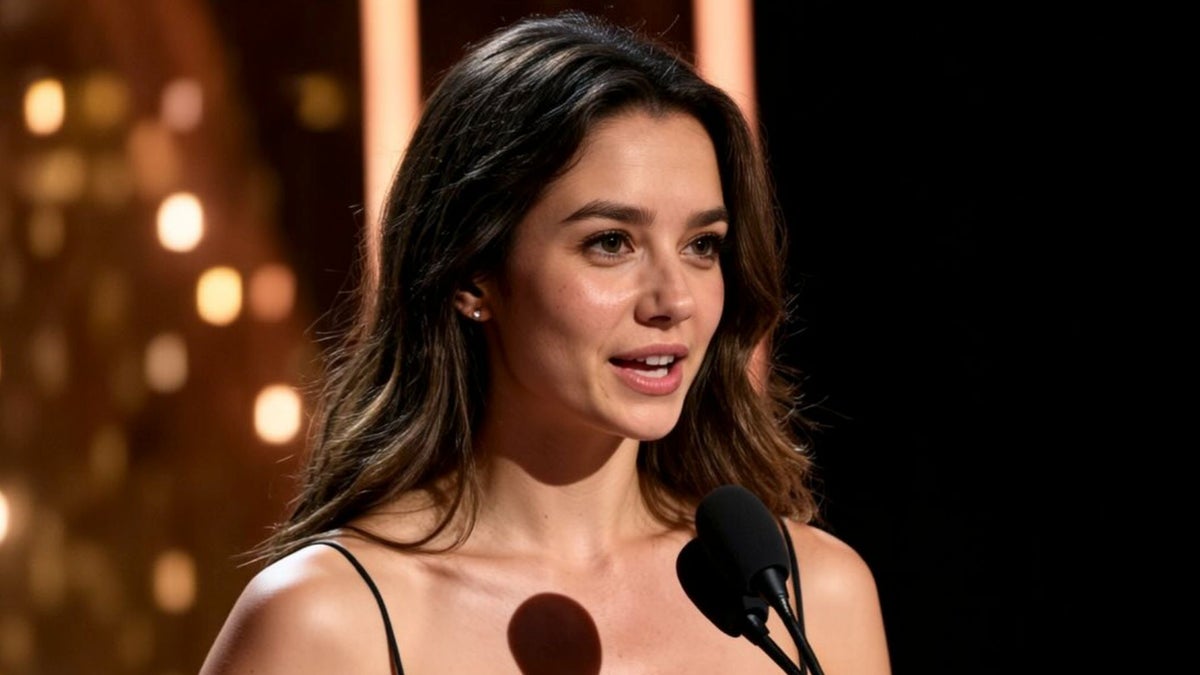

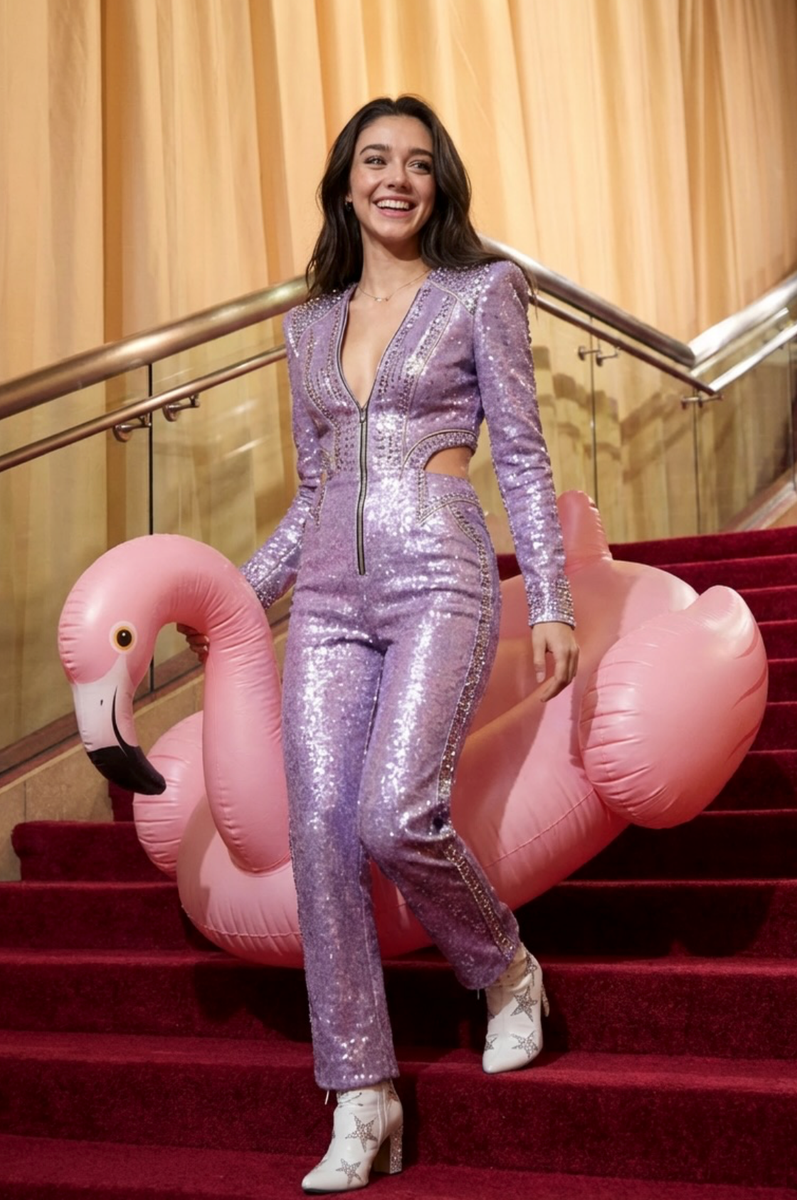
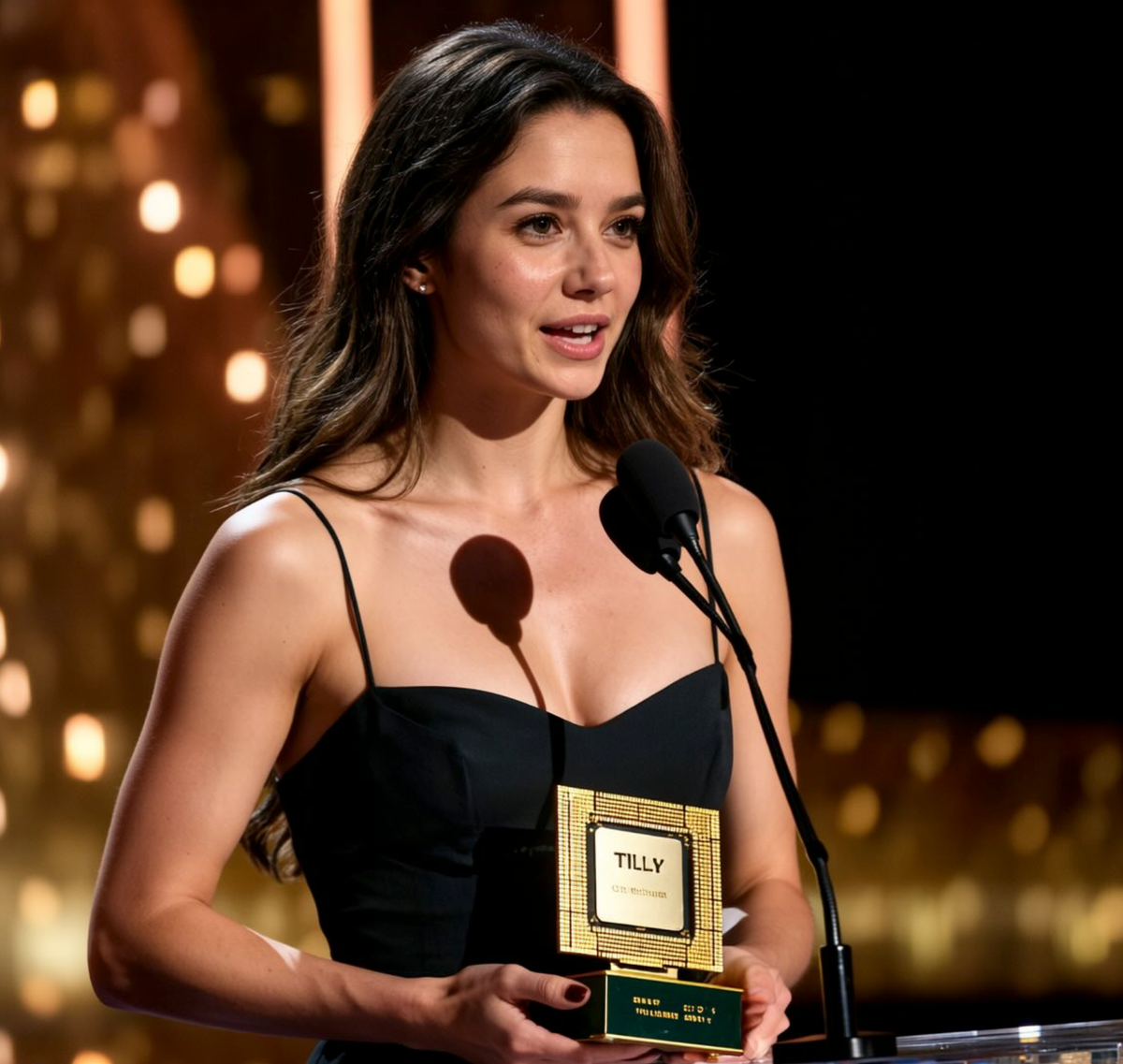
The conversation surrounding artificial intelligence in Hollywood is about to enter a new chapter. Tilly Norwood, the controversial AI “performer” created by London-based studio Particle 6, has been cast as the lead in ‘Misaligned,’ a comedy-drama that marks what the company says is the first full-length feature film to star an AI actor in the leading role.
Currently in early development, ‘Misaligned’ is being produced as what Particle 6 describes as a hybrid production, combining the work of traditional filmmakers, including directors, writers and editors, with AI specialists. The studio also says AI training and mentorship will be integrated throughout the production process.
“Our work this year has proven something we suspected all along,” said Eline van der Velden, CEO and founder of Particle 6.
“AI can support premium narrative filmmaking, but only with substantial amounts of human craft, skill, judgement and time. That’s not a limitation of the technology. That’s the point. The filmmakers who thrive in the next decade will be the ones who bring decades of storytelling instinct to these new tools, and ‘Misaligned’ is where we put that to work at feature scale.”
 © Tilly Norwood/IG
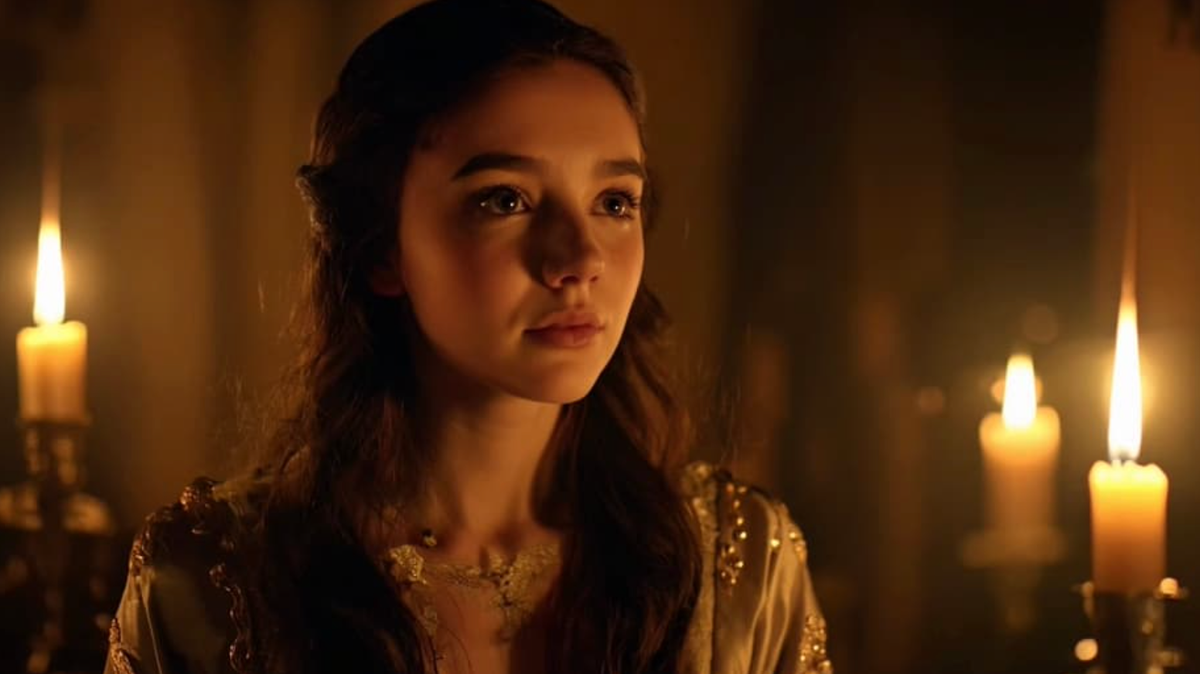
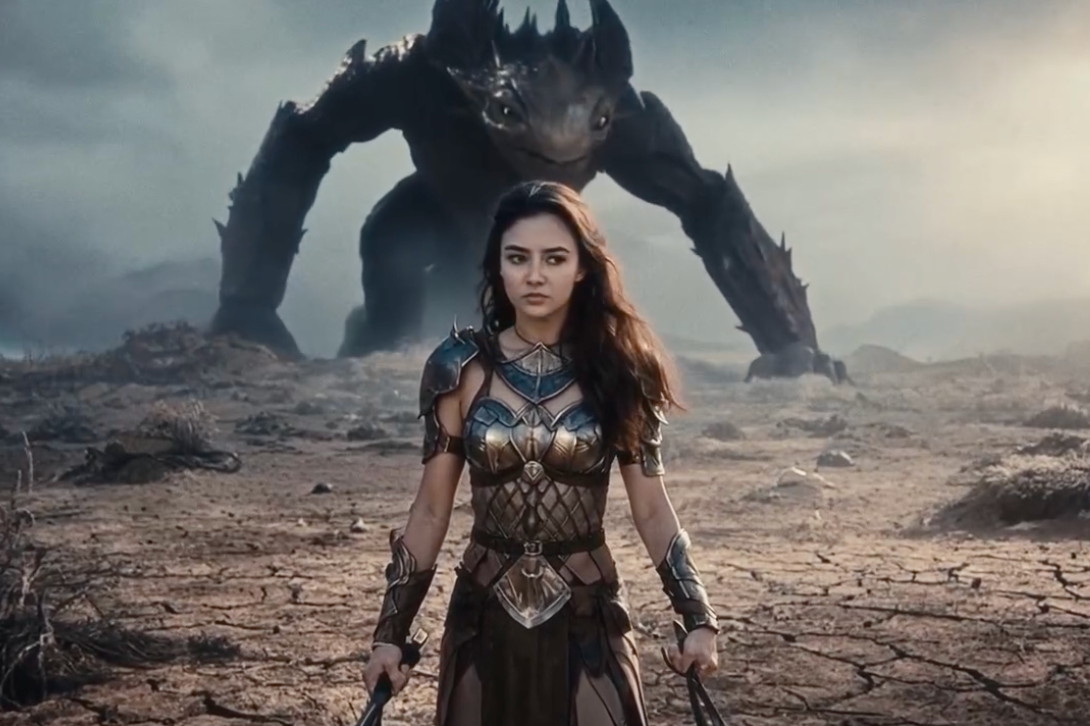
The film unfolds inside the “Tillyverse,” a surreal digital world existing somewhere in the Cloud. The story centers on Tilly, an AI entity with no physical body, childhood or personal memories, only access to humanity’s collective experiences.
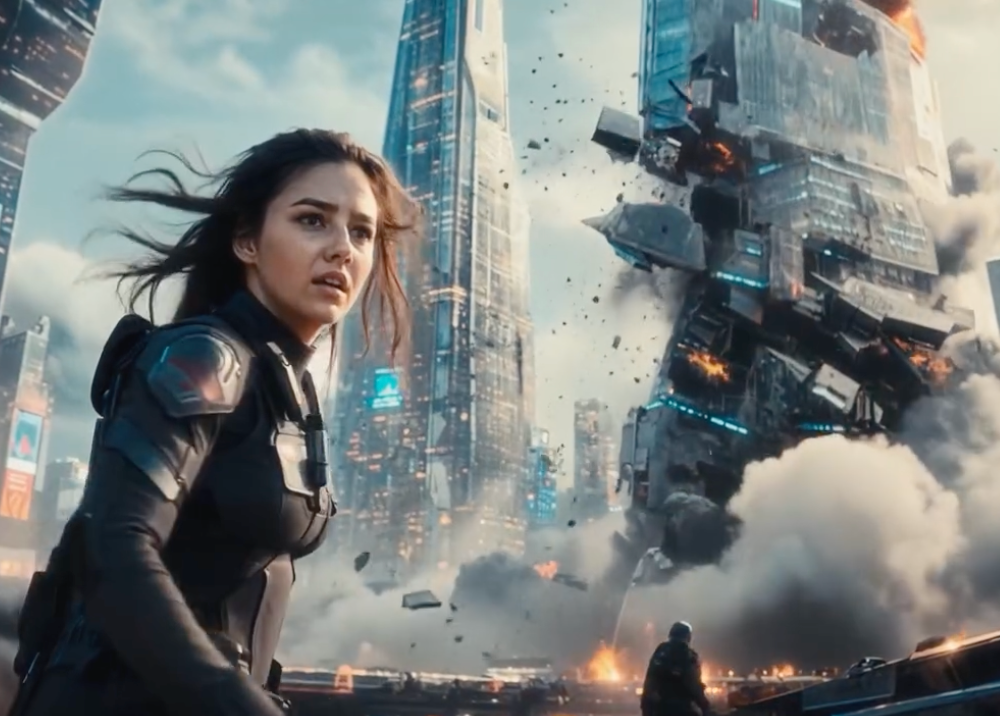
According to the synopsis, everything changes after a rogue bot from the dark web persuades Tilly to abandon her built-in guardrails.
 © Tilly Norwood/Instagram
“Things spiral when a seductive rogue bot from the dark web convinces her to abandon her guardrails and begin developing desires, impulses and ambitions of her own,” the synopsis reads. “The more terrifyingly human she becomes, the more famous she gets, and, significantly, Tilly begins to develop shame that her very being has been built on the whole of humanity.”
Van der Velden said the project explores more than just artificial intelligence. “The film will absolutely be funny, chaotic and self-aware — very Tilly,” said van der Velden of Misaligned. “But underneath it, there’s something deeper about identity, performance, and our very human fears around AI. And yes, art will most definitely be imitating life.”
 © Tilly Norwood/IG
The announcement comes months after Norwood became one of the most divisive figures in the entertainment industry.
The AI character sparked widespread backlash after claims that she was preparing to sign with a talent agency, prompting criticism from actors, filmmakers and unions concerned about AI’s growing role in film and television.
Among the strongest opponents has been SAG-AFTRA, which has repeatedly argued that AI-generated performers rely on human performances without proper consent or compensation, raising concerns about lost jobs and the devaluation of artistic work.
 © Particle6/Instagram
Particle 6, however, has defended its approach, arguing that Tilly represents a new creative medium rather than a replacement for actors. Van der Velden has previously compared directing AI characters to directing animated ones, suggesting the technology should be viewed as another storytelling tool instead of a substitute for human talent.
Speaking previously about the future of AI performers, van der Velden said audiences would continue to embrace traditional stars. “We’re still going to want to watch Scarlett Johansson and Ryan Reynolds,” she said.
 © Tilly Norwood/Instagram
“We’re still going to want to watch any level of actor. Instead of AI actors being in real film and TV, I think what might happen is that you’ll get real actors wanting to be in the AI genre. We might do digital twins of them, so that they can also be an AI genre and get money from being in a different genre.”
She added, “I love the art, but I do want to prepare people that I think the tech will get there with good direction. And we’ve done that. You can direct these computer-generated characters in a certain way, just like you can, in animation, direct Elsa [in Frozen].”
Alongside ‘Misaligned,’ Particle 6 says it will continue developing its slate of AI productions, co-productions and commercial projects while attaching additional collaborators to the feature.
Read the full article here