


Donald Trump’s niece, Mary Trump, has sparked fresh discussion after sharing her concerns about what she describes as “concerning changes” in the president’s behaviour, drawing comparisons to her grandfather’s battle with Alzheimer’s disease.
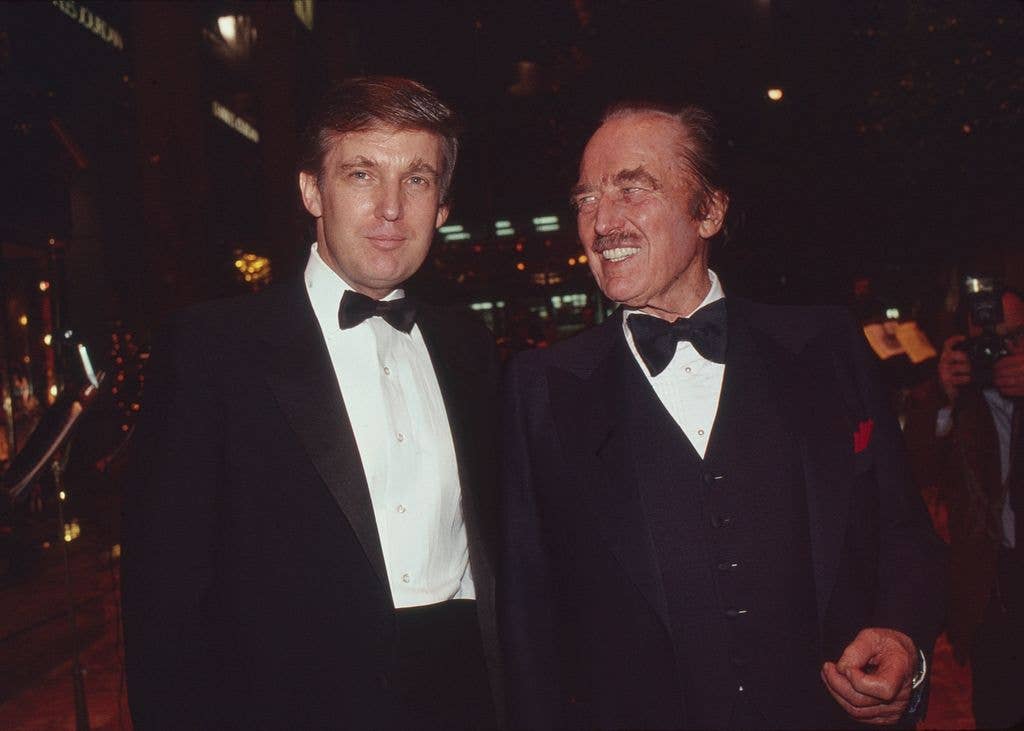
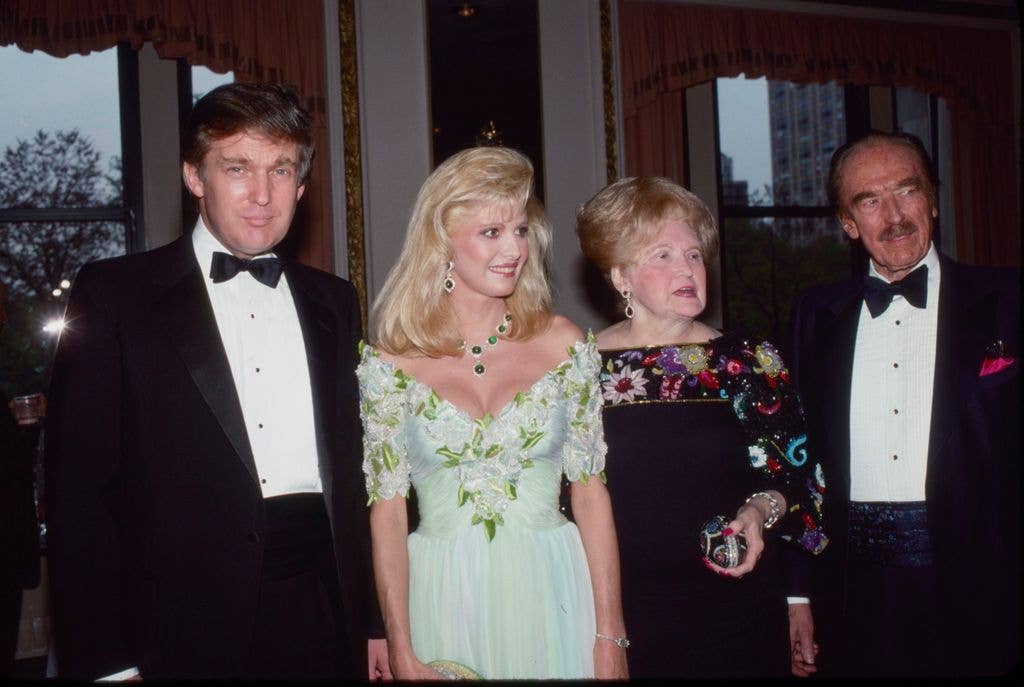
Mary, a clinical psychologist and the daughter of Trump’s late brother Fred Trump Jr., has long been an outspoken critic of her uncle. In a recent interview with New York Magazine, she claimed she has observed moments that she believes echo patterns she witnessed in Trump’s father, Fred Trump Sr., who was diagnosed with Alzheimer’s.
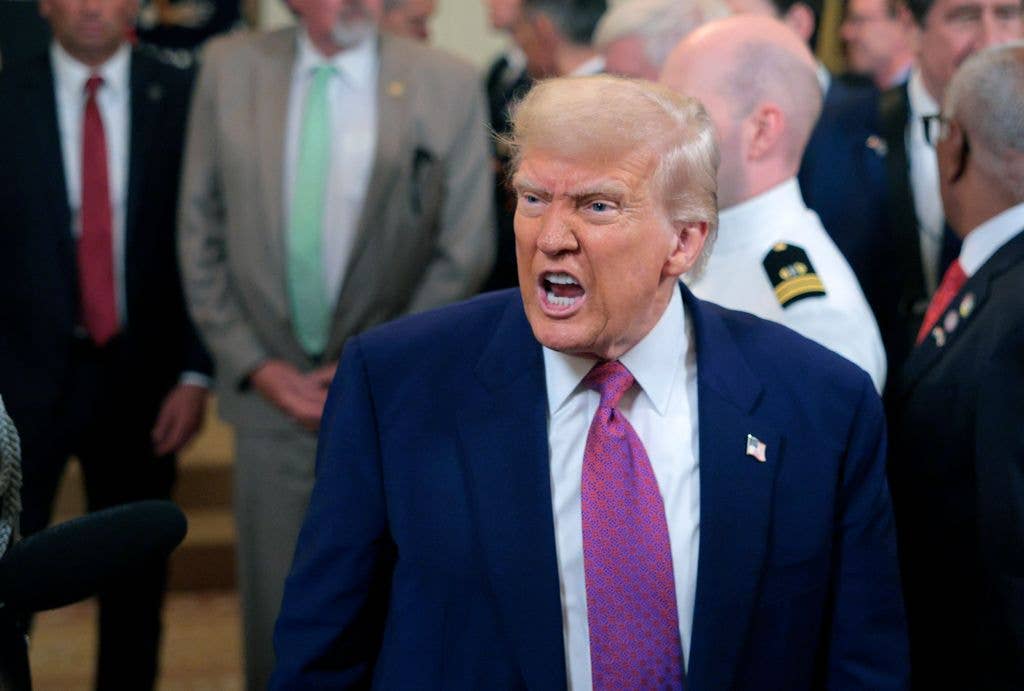
“Sometimes it does not seem like he’s oriented to time and place,” she said. “And on occasion, I do see that deer-in-the-headlights look.”
Speaking further on The Daily Beast podcast, Mary expanded on her observations, suggesting that there are instances where Trump appears confused or disoriented.
“There are times I look at him, and I see my grandfather,” she said. “I see that same look of confusion. I see that he does not always seem to be oriented to time and place.”
She also raised concerns about what she described as a decline in short-term memory and impulse control, adding that dementia has affected members of the Trump family in the past.
 © Getty Images
While Mary’s comments have drawn widespread attention, medical experts stress that diagnosing conditions such as Alzheimer’s or other forms of dementia requires comprehensive clinical evaluation and cannot be determined based on public appearances or second-hand observations.
Trump dismissed the claims exerting that he was not suffering from the same issues as his father: “He had one problem. At a certain age, about 86, 87, he started getting, what do they call it? Like an Alzheimer’s thing. Well, I don’t have it… I don’t think about it at all. You know why? Because whatever it is, my attitude is whatever.”
 © Getty Images
According to Mayo Clinic, dementia is an umbrella term used to describe a group of symptoms affecting memory, thinking and social abilities severely enough to interfere with daily life. Alzheimer’s disease is the most common cause.
The organisation outlines several key signs and symptoms commonly associated with dementia.
 © Getty Images
These include memory loss that disrupts daily activities, difficulty communicating or finding words, challenges with problem-solving or planning, and confusion with time or place. Individuals may also experience changes in mood or personality, impaired judgement, and withdrawal from work or social activities.
Importantly, the Mayo Clinic emphasises that occasional forgetfulness or lapses in concentration can be a normal part of ageing, and do not necessarily indicate dementia.
Read the full article here