
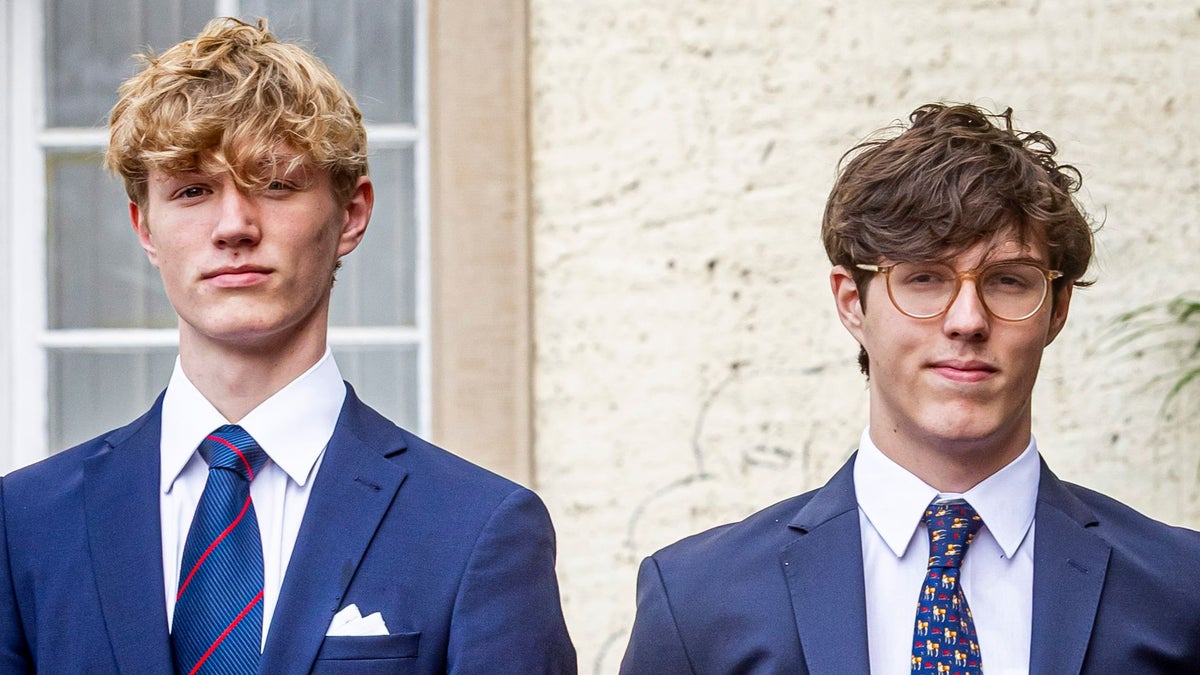

Princes Gabriel and Noah of Luxembourg stepped back into the spotlight this week, celebrating their father’s 40th birthday with a warm display of family affection. Born outside the line of succession by Prince Louis of Luxembourg’s own choice, the two brothers have grown into some of the more visible young faces of the Grand Ducal family. They’re living proof of a decision that once sent Luxembourg’s royal court into turmoil.
Who Is Their Father, Prince Louis?
Born on August 3, 1986, Louis is the third son of Grand Duke Henri and Grand Duchess Maria Teresa of Luxembourg, and was once third in line to the throne himself. But the choice he made in his twenties defines his story, and it’s why his own sons carry a royal title without any claim to the crown.
It started in 2004, when Louis — then a young recruit doing his military service — met a fellow soldier, Tessy Antony, while both were deployed with Luxembourg’s contingent to a NATO peacekeeping mission in the former Yugoslavia. They were 18. The relationship that followed would go on to upend two centuries of royal convention.
By the time their son Gabriel was born, on March 12, 2006, Louis and Tessy were not yet married — a fact that sent the Grand Ducal Court into institutional turmoil. The couple married that September, but the sequence of events, child first, wedding second, was enough to force the hand of the House of Nassau-Weilburg. As a condition tied to the union, Louis renounced his own succession rights and, crucially, those of any children he would have. It meant that Gabriel, and later his younger brother Noah, would never be eligible for Luxembourg’s throne, regardless of how the line of succession might have shifted.
Two Princes, No Crown
 © WireImage
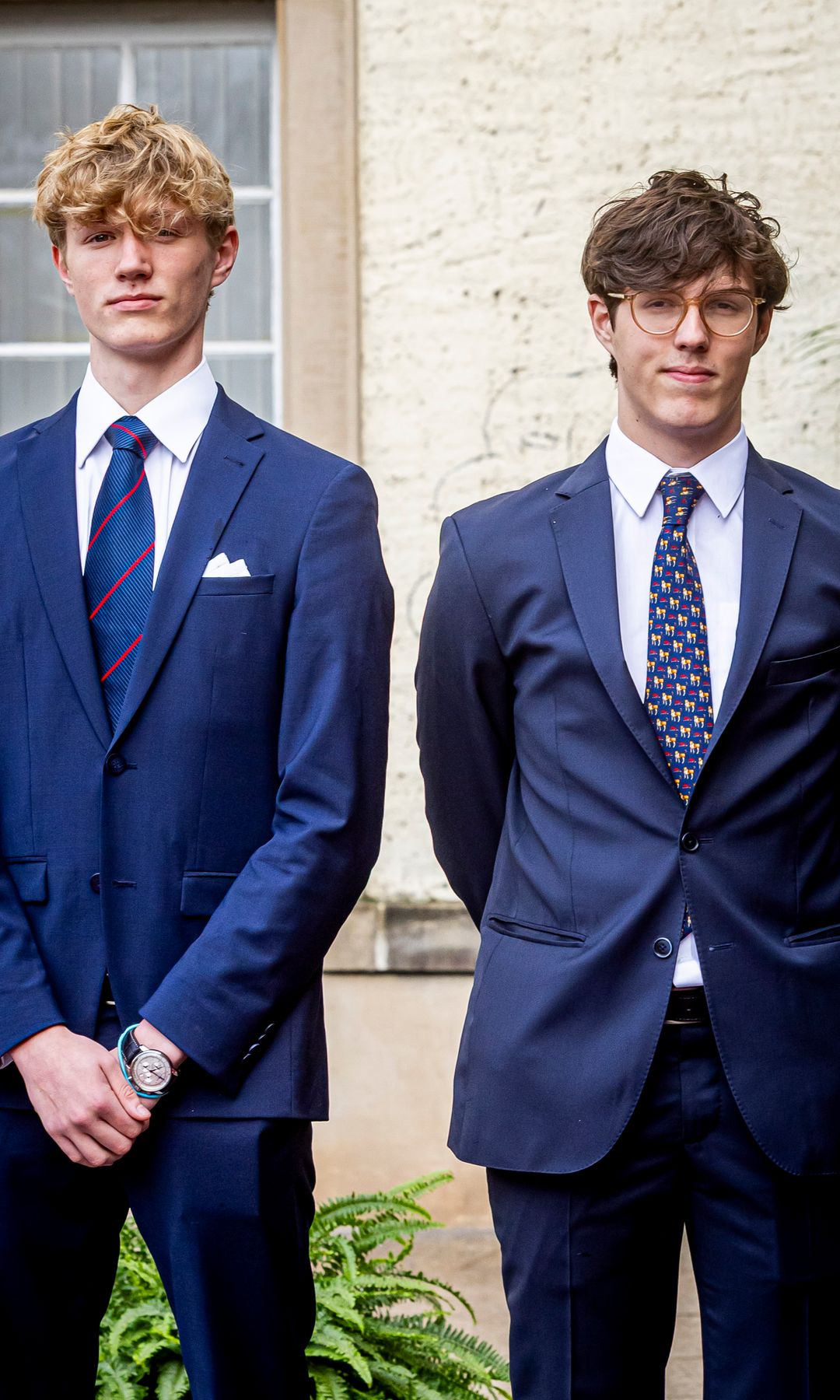
Despite the constraints, the marriage flourished for over a decade. Three years after Gabriel’s arrival came Noah, who in recent months has become one of the family’s more outspoken young voices, giving interviews in which he has spoken candidly about what it means to carry such a weighty surname. Those close to the family describe both brothers as reflecting the values instilled by their parents — poised, articulate, and comfortable in the public eye for princes with no realistic path to power.
Their standing was formalized in 2009, when Grand Duke Henri and Grand Duchess Maria Teresa, in a gesture widely read as one of reconciliation, granted Tessy the title of Princess of Luxembourg and elevated Gabriel and Noah to Princes of Nassau. It was recognition without restoration: an honor that surrounded the boys with royal prestige while leaving the succession question exactly as Louis had settled it years earlier.
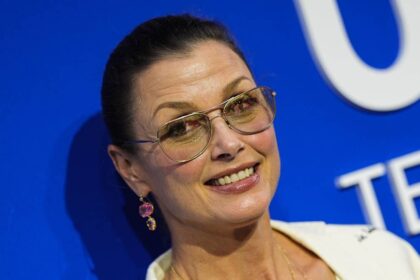
The gesture endures in how the family marks milestones like this one. To celebrate their father’s 40th birthday, Tessy shared warm, unguarded photos of Gabriel and Noah on her social media, captioning the post simply: “Happy birthday, dad.”
A Marriage That Defied the Rulebook, and Its Quiet Ending
For years, the match between Louis and Tessy was viewed as something close to a fairy tale in an era when morganatic-style marriages were increasingly rare among reigning European houses. That chapter closed in January 2017, when the Grand Ducal Court announced the couple’s decision to separate; their divorce was finalized in April 2019. What followed the split, by most accounts, was not acrimony but a deliberate effort by both parents to shield Gabriel and Noah from it, preserving a functional, amicable co-parenting relationship in the years since.
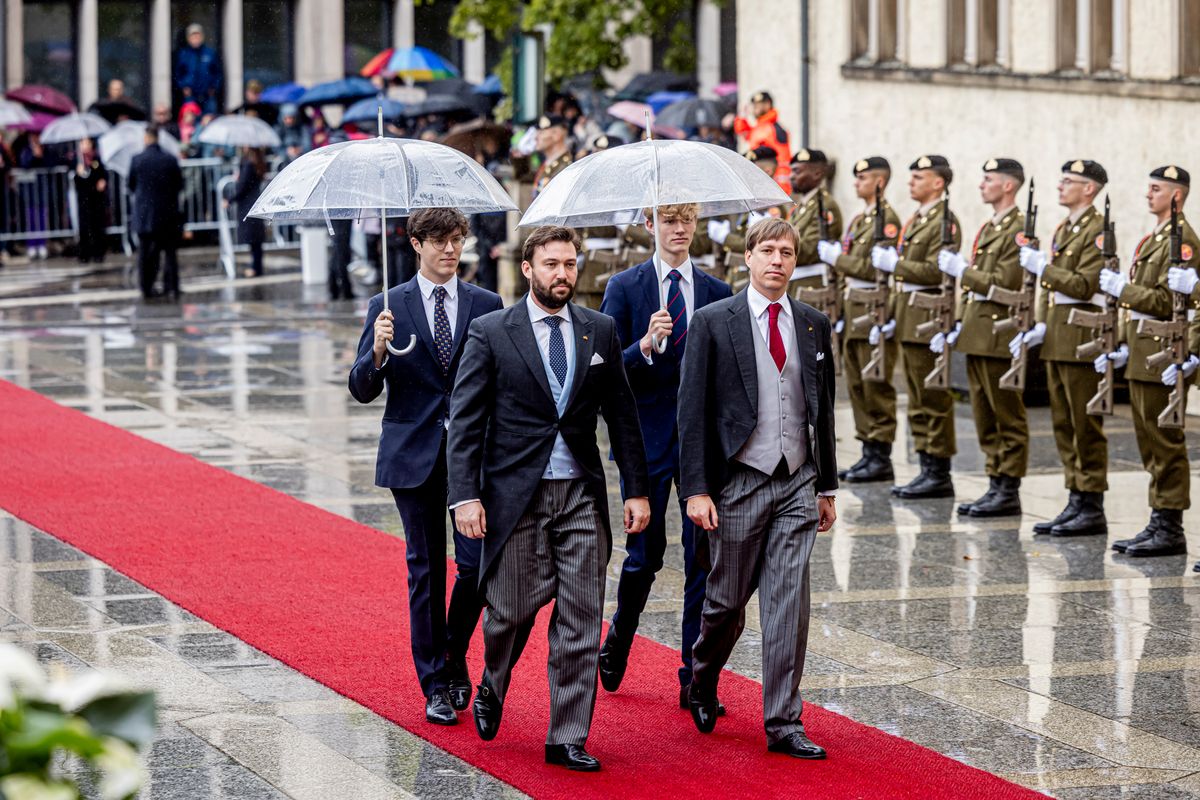
Now 40, Louis remains a figure whose defining choice — sacrificing a claim to the throne for the family he wanted — continues to ripple through the House of Nassau-Weilburg. Gabriel and Noah, princes by title but never by destiny, stand as living proof that the boldest decisions often leave the most lasting mark on a dynasty’s story.
 © Getty Images
Read the full article here