



In recent years, we’ve heard a lot about the microbiota and the so-called gut-brain axis, and there’s a fun fact that has become increasingly popular: 90% of serotonin is produced in the gut. Yes – it’s true, but it’s often misinterpreted.
Biologist and neuroscientist Tamara Pazos confirms that the gut does influence our wellbeing, but not in the way many people imagine.
How the gut-brain axis connects digestive health to your brain
As your digestive system goes about its work, it constantly feeds information back to the brain about what’s going on inside your body.
“The gut keeps the brain in the loop on all sorts of things—whether nutrients are available, if there’s any inflammation, the state of the gut barrier, how the digestive tract is moving, or what chemical signals the microbiota is producing,” explains the neurobiologist.
This exchange of information happens through several different pathways. The best-known is the vagus nerve, which links the two organs directly—though hormones, immune system molecules, and metabolites produced by gut bacteria also play a part.
Because of this non-stop dialogue, everyday processes like appetite, stress levels, energy, and even your mood can all be influenced by what’s happening in your gut.
However, experts stress that it isn’t a simple case of cause and effect. Your immune system, hormones, metabolism, sleep, physical activity and personal circumstances all play a part in the mix.
 © Getty Images/iStockphoto
The serotonin myth debunked: Why gut serotonin can’t cross into the brain
Serotonin is often known as the ‘feel-good hormone’, although in reality it is a neurotransmitter with much broader functions. It is involved, among other things, in regulating mood, sleep, appetite and some processes related to memory and learning.
Although it’s commonly cited that around 90% of the body’s serotonin is produced in the digestive tract, that doesn’t mean this serotonin is directly responsible for how we feel.
“A significant amount of the body’s serotonin is made in the gut, but under normal circumstances, that gut serotonin doesn’t cross over into the brain. So, we can’t simply say that the microbiota makes serotonin and that’s why we feel happy,” clarifies Pazos.
The reason for this is that the brain produces its own serotonin using an essential amino acid called tryptophan, which we get naturally from our diet. Meanwhile, gut serotonin carries out vital jobs within the digestive system—like keeping everything moving smoothly—but it stays firmly in the gut. The real problem comes when we run short on tryptophan.
 © Getty Images
What is ‘tryptophan hijacking’? How inflammation drains mood
Although the digestive system produces almost all the body’s serotonin, it uses it only for local functions like digestion. This substance can never reach the brain, because the brain has a protective barrier that blocks its path.
The brain makes its own serotonin from an ingredient obtained from food: tryptophan
The problem arises when the gut becomes inflamed due to stress or a poor diet. At that point, the body goes on alert and ‘tryptophan hijacking’ occurs, a process in which an enzyme steals this ingredient and diverts it. Left without its raw material, the nervous system stops producing the necessary serotonin, which can affect our mood.
Conversely, if our diet is healthy and our habits are too, we can generate this wellbeing hormone.
The anti-inflammatory diet: Best foods for gut-brain health
Indeed, diet plays an important role because it can either promote or reduce this low-grade inflammation. Nutritionist and author Paula Martín Clares explains that a diet based on ultra-processed foods, added sugars and trans fats encourages the body to divert tryptophan down this inflammatory pathway.
“When your diet is loaded with ultra-processed foods, added sugars and trans fats, your body diverts tryptophan to another metabolic pathway that doesn’t make serotonin, but rather compounds that can increase stress, mental fatigue and anxiety,” she explains.
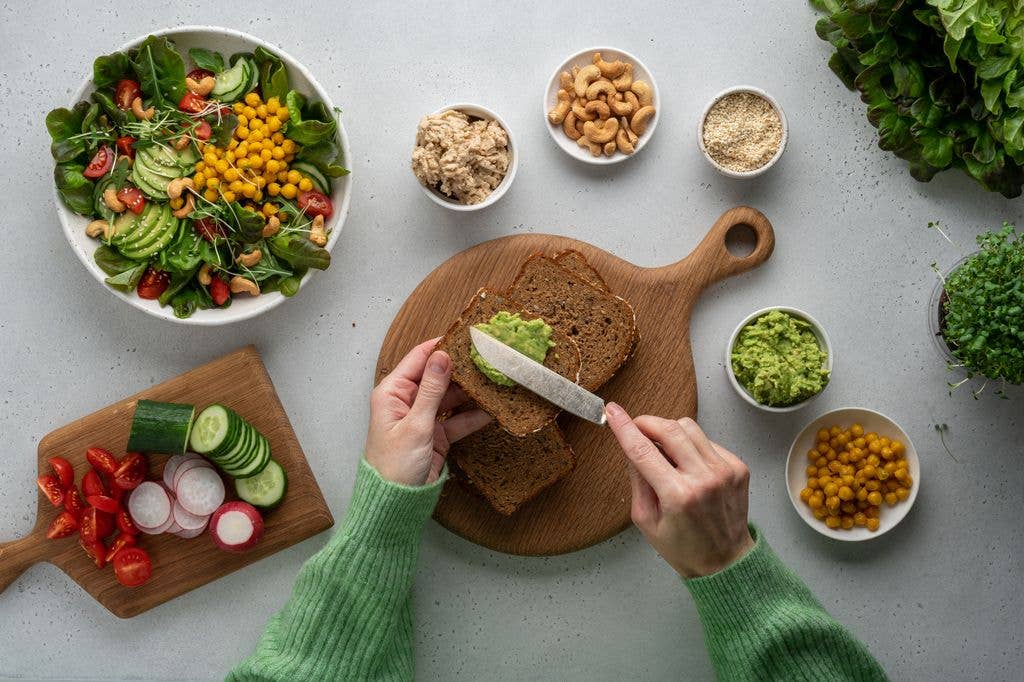
In contrast, a diet rich in fruits, vegetables, legumes, extra virgin olive oil, nuts, oily fish or pure cocoa helps to create a less inflammatory environment and supports the normal functioning of this process.
This doesn’t mean that a specific food will improve your mood overnight. Specialists point out that the effect depends on the dietary pattern maintained over months or even years.
 © Getty Images
5 science-backed ways to protect your microbiota and wellbeing
Although there are still many questions to be answered about the gut-brain axis, researchers agree on one message that is supported by evidence: looking after your microbiota starts long before you think about supplements.
That means:
The gut doesn’t decide on its own how we feel, nor does it manufacture happiness. But it is part of a permanent interaction with the brain that influences numerous processes related to our wellbeing. And the better that dialogue works, the better the conditions will be for the entire organism to function in a balanced way.
Read the full article here