

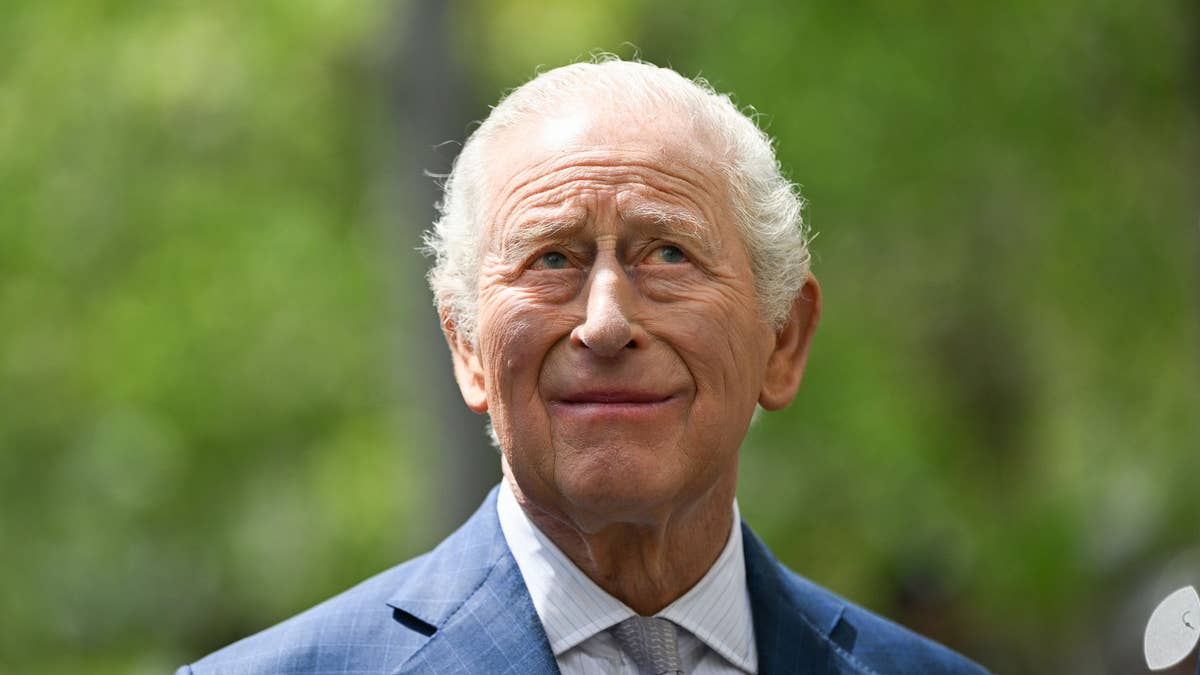

King Charles’s forthright remarks to US Congress about the importance of protecting nature as “our most precious and irreplaceable asset” have inspired an Australian philanthropist to help vulnerable people in the Commonwealth and sub-Saharan Africa.
Rick Parish, a tech entrepreneur, says that the monarch’s speech to lawmakers on his historic state visit is a spur to his project to bring clean and cheap energy to communities who currently rely on burning wood for cooking and heating.
At the heart of that mission is a portable cooking stove developed by his company Kinetic7 that creates hydrogen gas on demand for families and schools in Africa. The technology uses water and the sun’s solar power to generate clean gas for burning.
Rick says that he was moved not only by the speech but the King’s work on sustainability and climate change through the Sustainable Markets Initiative, The King’s Foundation and The Harmony project.
“His Majesty, as the former Prince of Wales, was so ahead of his time many years ago on the environment, climate change and deforestation and nobody was prepared to listen,” Rick says. “Only now is the world waking up to his wisdom and philosophy of Harmony, understanding the importance of the symbiotic relationship between mankind and the natural world.”
Rick is also known for his work on finding treatments for childhood brain cancer after his son Elliot died in 2010 at the age of four from brain and spinal cancer.
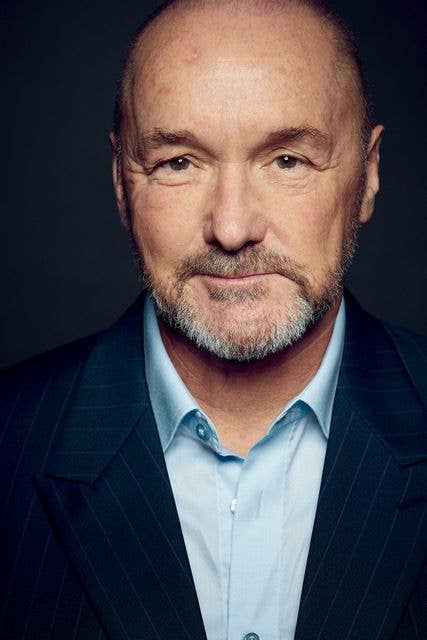 © Handout
Rick and his wife Emily decided to mobilise an army of dedicated “adventurers” to make childhood cancer personal. The following year, they set up Telethon Adventurers, which has raised £5.6m to help to research the cause and ultimately the cure for the disease.
“Emily and I wanted to do everything in our power to fight the war on childhood cancer and to honour Elliot’s memory and those of many other children who are sadly no longer with us,” he says. “We funded and organised the world’s first symposium on childhood brain cancer, as well as the development of a new drug for the treatment of the disease so that a cure could be found to help other children.”
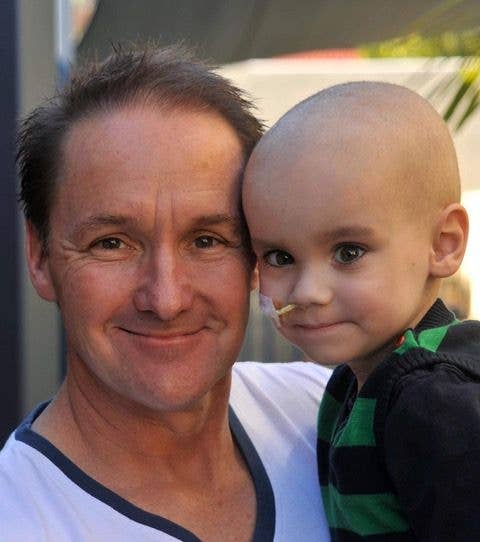
Rick’s work and travels in Africa after his son’s death made him want to make a positive change.
Each year, 3.1 million premature deaths occur in sub-Saharan Africa, including many children under five, due to the inhalation of toxic smoke and household air pollution.
Read the full article here