



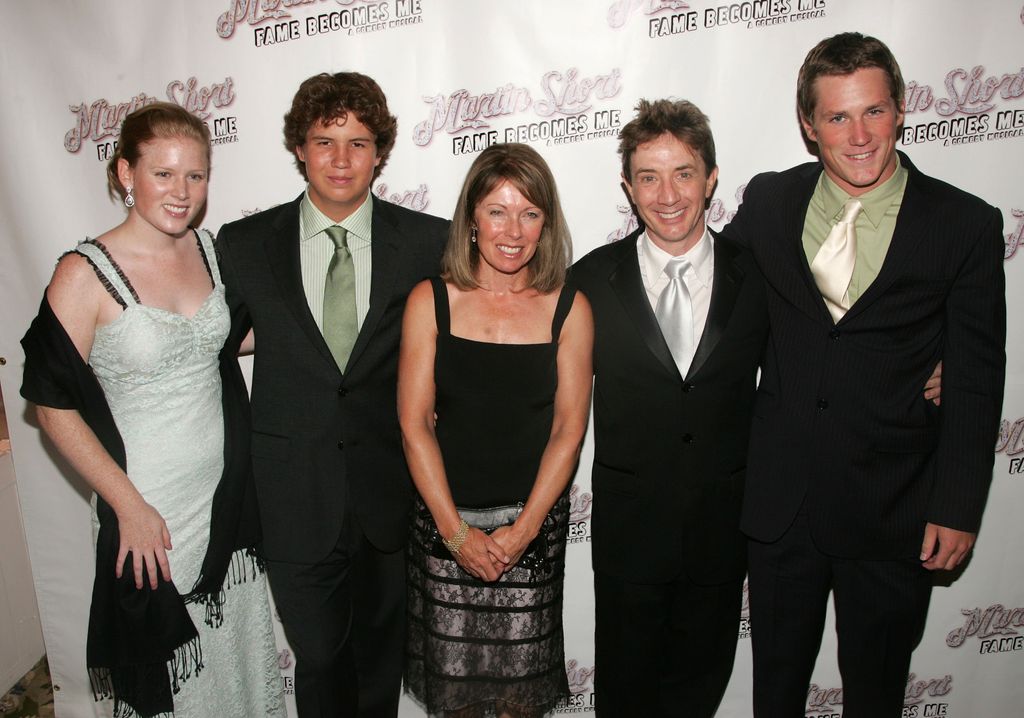
Only Murders in the Building star Martin Short has been left devastated after it was confirmed his adopted daughter, Katherine Harley Short, died by suicide, aged 42.
The 75-year-old Hollywood actor shared the late social worker with his wife, Nancy Dolman, who also passed away in 2010.
After the news broke, a representative for Martin told HELLO!: “It is with profound grief that we confirm the passing of Katherine Hartley Short.
“The Short family is devastated by this loss, and asks for privacy at this time. Katherine was beloved by all and will be remembered for the light and joy she brought into the world.”
In the wake of his daughter’s sudden death on Monday February 23, a British Association for Counsellors and Psychotherapists grief specialist offered an insight into how Martin may be coping with his loss, and why grieving a child is “the most devastating loss a person can endure”.
The ‘uniquely shattering weight’ of child loss
While grief is a universal concept, child loss carries a different, more instinctual load as a parent learns how to rewire their brain and release primal instincts to protect children that are no longer alive.
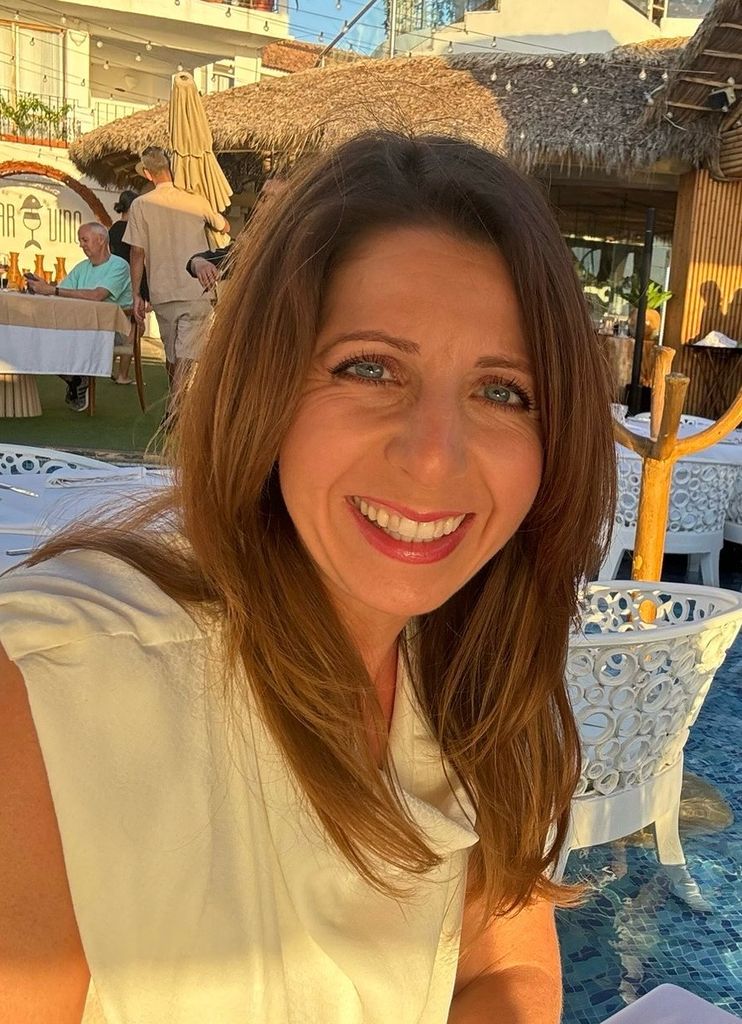
Maria Kontos specialises in counselling, psychotherapy and in particular, child loss trauma. She explained to HELLO! the emotions Martin may be feeling as he navigates Katherine’s death.
“The death of a child is often described as the most devastating loss a person can endure. While grief is universal, child loss carries a uniquely shattering weight,” she revealed.
The expert, who lost her own twin daughters when they were born prematurely, continued: “Many recognise the stages outlined by Elisabeth Kübler-Ross – denial, anger, bargaining, depression and acceptance – but for parents, grief rarely unfolds in a straight line. It is cyclical, unpredictable and inseparable from the role that defines them.”
 © Getty Images
How does grieving a sudden death differ from other fatal circumstances?
Due to the sudden nature of Katherine’s death by suicide, Martin and his family had little time to understand or process what had happened. The expert outlined how a death of this kind can dramatically change a person’s identity as they grapple with the shock and pain of loss.
Maria shared: “Parents may experience shock, intense yearning and overwhelming guilt, as well as anger and a destabilising shift in identity, together with an ongoing need to maintain a bond with their child in memory.
“The instinct to protect a child is primal; when that child dies, that instinct has nowhere to go. Losing a child is particularly devastating because it shatters the natural order we instinctively believe life will follow.”
She added: “When death is sudden, particularly in cases of suicide, grief is often compounded by trauma. There can be intrusive thoughts, relentless ‘why’ questions and a painful search for missed signs.
“Feelings of shame or isolation may surface, adding further layers to an already unimaginable loss.”
 © Getty Images
Living with the ‘should-have-beens’
Perhaps the reason it is thought to be so much harder for a parent to grieve a child than the other way round has to do with the age and unseen possibilities for the younger person. There are so many chapters of their lives left unlived and the natural order is out of kilter when a parent’s offspring dies before them.
Maria has her own personal experience of this flipping of the order and said: “In October 2012, I lost my identical twin daughters, Lily and Elissa, who were born prematurely at 27 weeks.
“They lived for a short time in the NICU before passing away. Even in those brief days, they were deeply loved, fiercely fought for and forever mine. Each day brings quiet reminders of the life they should have had.”
She concluded: “Grief has become something I carry, enduring and intimate, woven into the love that still binds me to my daughters, not simply as a weight, but as a testament to the hope and future I once held in my arms, a love that did not end with their lives and never will.”
 © Maria Kontos
Maria Kontos is a counsellor specialising in grief, child loss, and life transitions. Drawing on both professional expertise and personal insight, she explores the profound and often unspoken realities of parental bereavement, from shock and overwhelming guilt to the enduring bond that never fades. Passionate about breaking the silence around profound loss, Maria is dedicated to helping families feel less alone while supporting them to find strength, meaning, and hope in the midst of heartbreak.
Read the full article here