
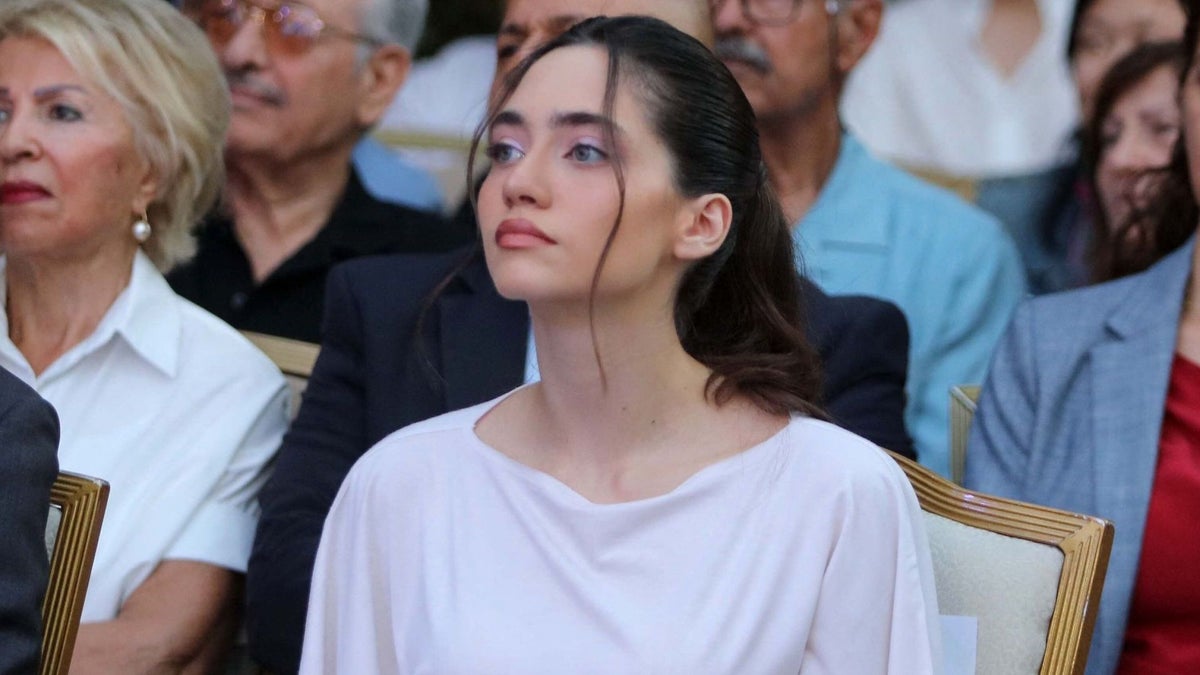

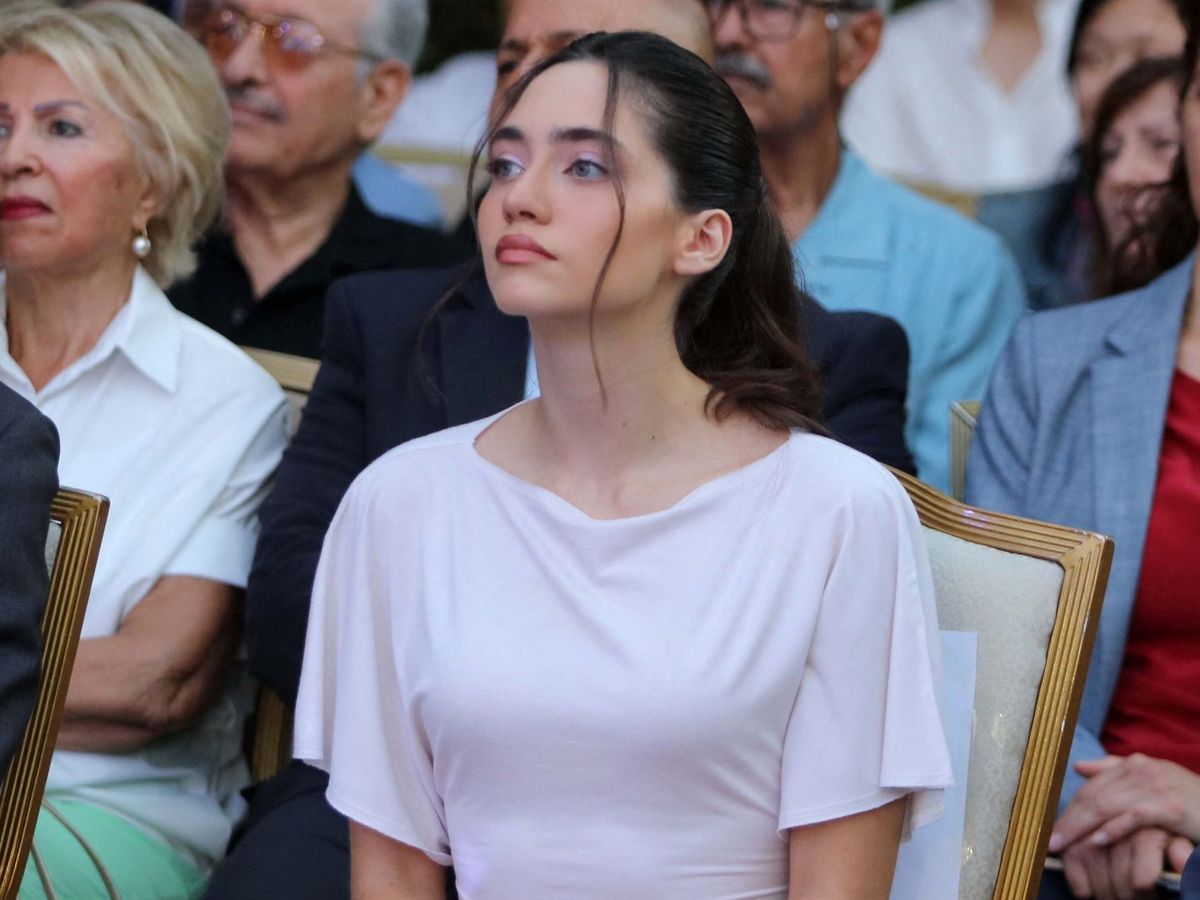
Jordan’s royal family occupies a dual position in the West: instantly recognizable, yet largely a mystery. Every so often it produces a surprise — a new face, a rising figure, someone who catches the world’s attention from well beyond Amman. This time, that someone is Princess Jalila bint Ali, the 20-year-old niece of King Abdullah II and Queen Rania, whose latest public appearance has reignited interest in her.
Jalila resurfaced this week at a traditional Chinese music concert at the China Cultural Center in Amman, seated alongside China’s ambassador and Jordan’s minister of culture. It was a low-key outing, but a telling one — she hasn’t shown up at an internationally visible event in some time, and her return has people asking who, exactly, she is.
A Royal Education, a Competitive Streak
Jalila and her younger brother, 17-year-old Abdullah bin Ali, both carry the title of prince and princess, though their public appearances have historically been rare and tightly managed. Like her cousins, Jalila studied in Jordan’s top schools, graduating in June 2023 alongside her cousin and the king’s youngest son, Prince Hashem. Photos from that day show her flanked by her father and her uncle. Her university studies haven’t been made public. Still, her interests include culture, education and child protection — a portfolio that lines up neatly with the soft-diplomacy roles the monarchy tends to hand its supporting cast.
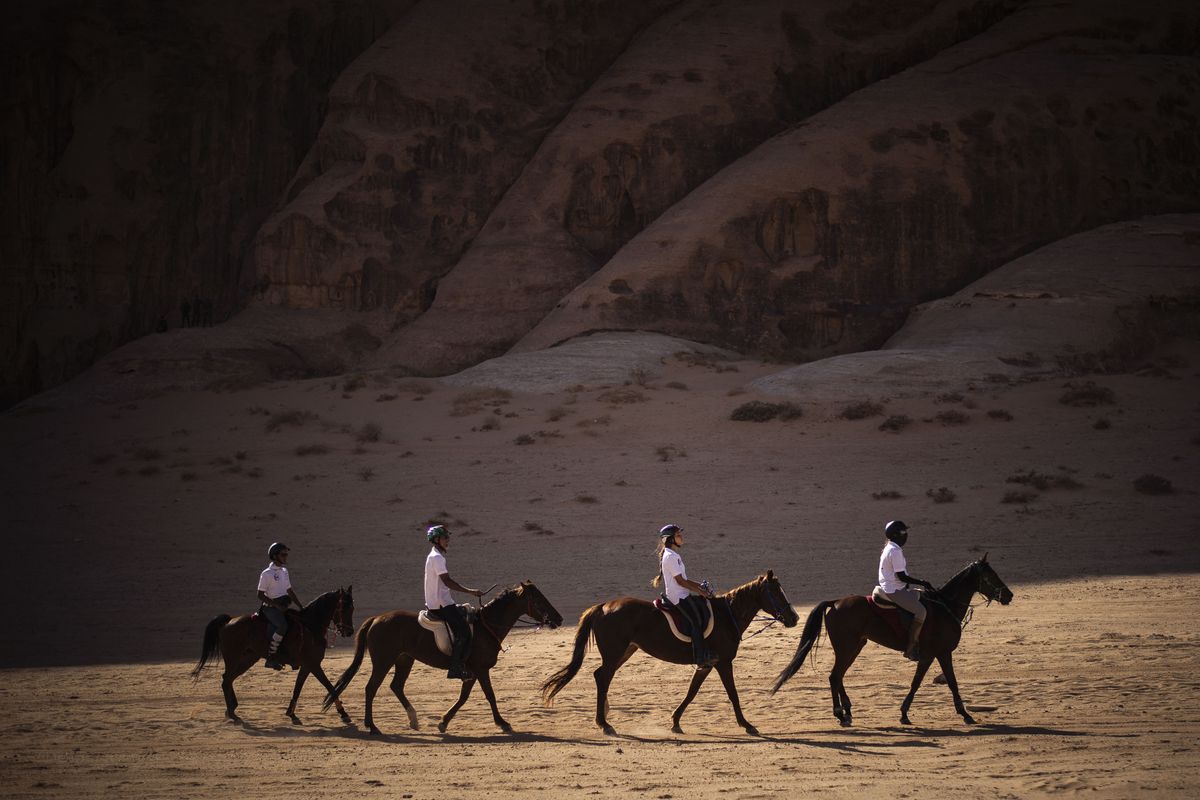
Off duty, she rides competitively. In 2021 she became the youngest rider ever to take part in the Governorates Endurance Cup (also known regionally as the “Galops of Jordan”), leading Jordan’s team through a grueling 200-kilometer, five-day route between Wadi Rum and Petra. She’s also a fixture at sporting events, particularly women’s football. Her father summed up her role best at the draw for the AFC Women’s Asian Cup: “She’s our lucky charm. Congratulations, Jordan, and best of luck to all of the participating teams.” It isn’t the first time her style has turned heads, either — she drew attention at the wedding of her cousin, Crown Prince Hussein, to Princess Rajwa, and she’s doing it again now.
 © GTRES
The Man Behind Her: Prince Ali bin Al Hussein
To understand why Jalila’s reappearance matters, it helps to know her father. Prince Ali bin Al Hussein is one of the House of Hashem’s steadiest, most private figures: son of the late King Hussein, half-brother to the reigning King Abdullah II, and uncle to Crown Prince Hussein. Educated at top institutions in the UK and the US, he built a career of institutional loyalty — first to his father, then to his half-brother the king, and now to the next generation, his nephew. He headed the Jordan Football Association and, in 2015, ran for the FIFA presidency with backing as high-profile as Diego Maradona’s, who threw his weight behind the campaign, saying at the time: “I said a thousand times that I am not a defender of the corrupt and I want to help the Prince change the future of football. I am completely behind him because he is a hardworking, good person.” (Prince Ali denied Sepp Blatter an outright majority in the first round of voting before withdrawing ahead of the runoff.)
King Abdullah and Prince Ali share a father but not a mother — Abdullah is the son of King Hussein’s second wife, Princess Muna, while Ali is the son of his third wife, Queen Alia, whom Jalila is said to resemble closely. That distinction explains exactly where Prince Ali sits in the family’s hierarchy: never in line for the throne, but firmly inside the king’s inner circle.
 © Royal Hashemite Court, queenrania
That loyalty rarely plays out in public. It did in August 2019, when Prince Ali’s full sister, Princess Haya — the only other biological child of King Hussein’s third marriage — fled the UAE amid her divorce from Dubai’s powerful ruler, Sheikh Mohammed bin Rashid Al Maktoum. Both brother and sister closed ranks around her: King Abdullah shielded her institutionally with a post at the Jordanian embassy in London to keep her from being forced out of the country, while Prince Ali backed her publicly, posting a line still remembered today: “Today with my sister, the apple of my eye, Haya bint Al-Hussein.”
Why the Family Tree Matters
Today’s royal core is small and stable — four children, two granddaughters, a third on the way. The previous generation looked nothing like it. King Hussein married four times and had twelve children, building a layered institutional structure in which his sons and daughters from different marriages took on distinct but complementary roles, orbiting the line of succession and reinforcing the monarchy’s cohesion. That structure is exactly what produces figures like Jalila now: princesses by birth who sit outside the succession itself but live inside the network that has historically sustained the monarchy.
Jalila bint Ali was born on September 16, 2005, the daughter of Prince Ali and journalist Rym Al-Ali — founder of the Jordan Media Institute and a former CNN correspondent. Seen this way, she’s part of a post-Rania generation: young Hashemites orbiting the line of succession, lending it cohesion, modern polish and cultural reach.
 © AFP via Getty Images
Read the full article here