

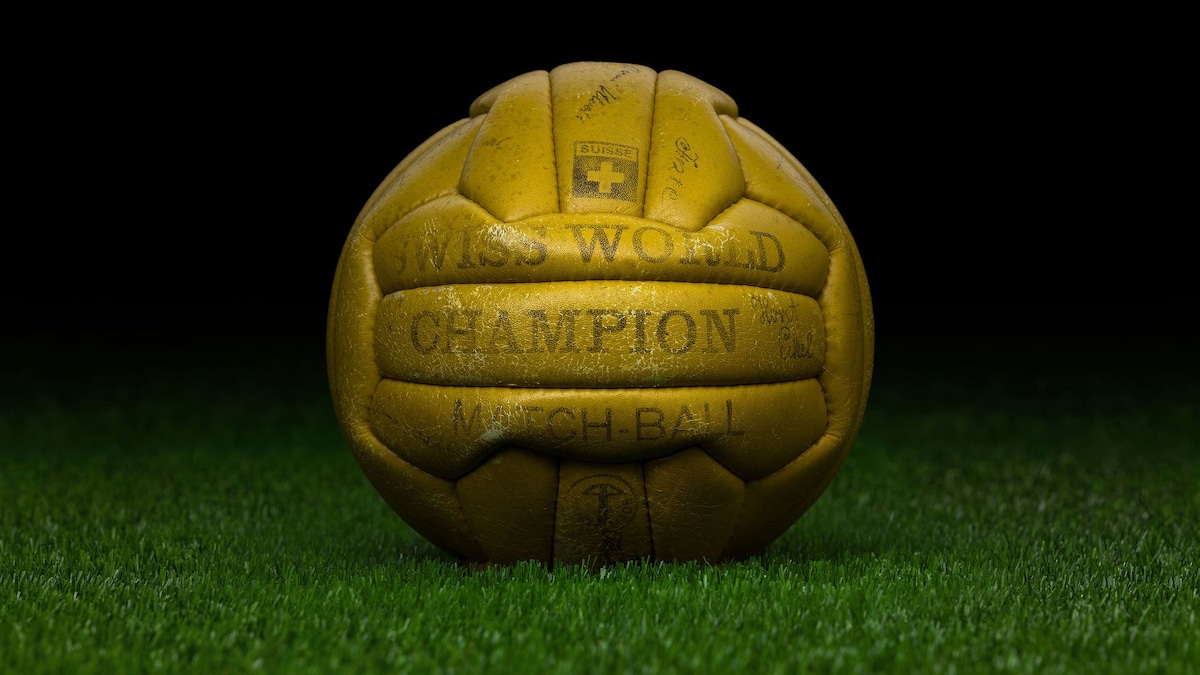

The road to the FIFA World Cup 2026 includes stadiums, players, host cities, design, innovation, and identity. All these also apply to the ball itself. The star of the game has evolved through decades, and from its earliest versions to today’s high-tech creations, the official match ball has become a symbol of the game’s progress and global branding.
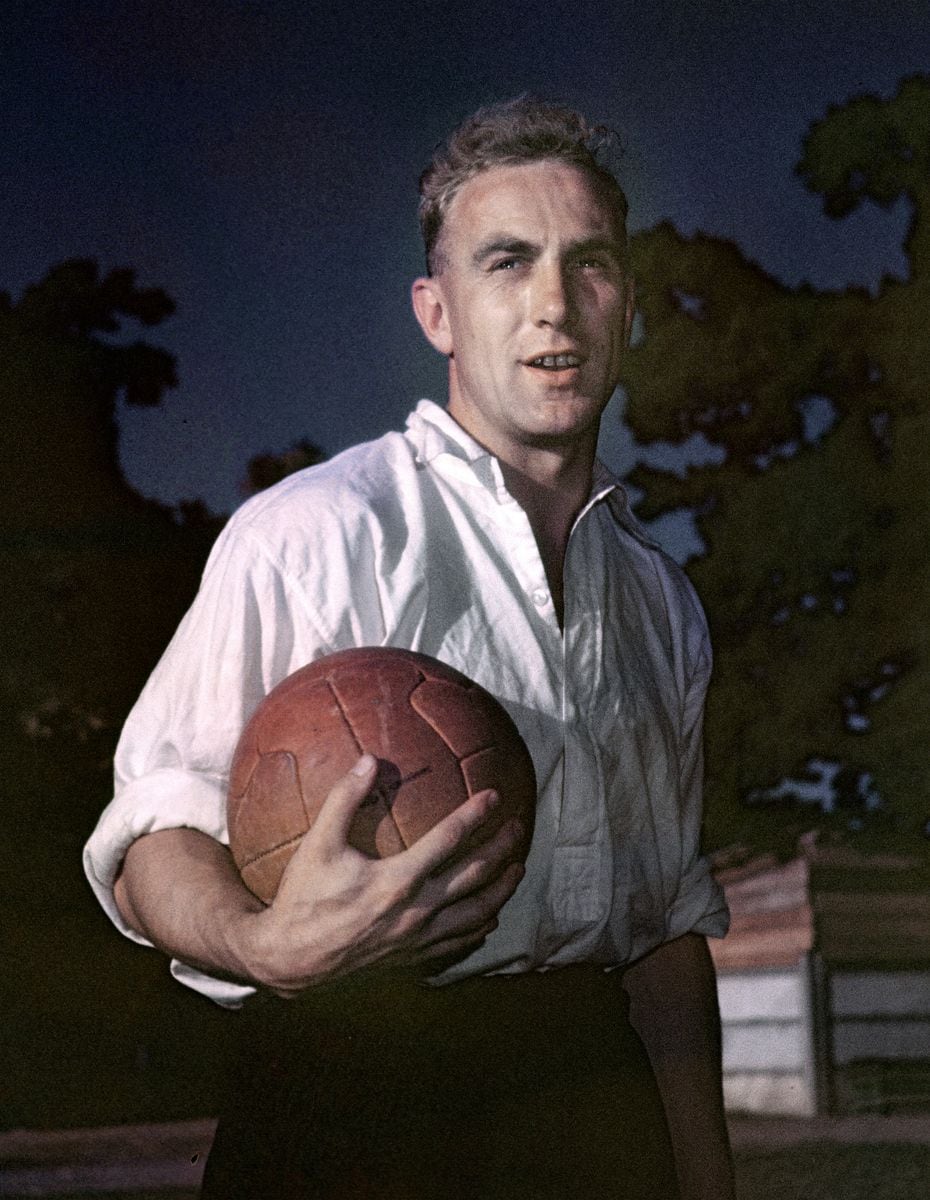
In the early years of the World Cup, the ball was simple and functional. It was made of leather panels stitched together; the downfall was that it absorbed water easily and became heavier during matches, dramatically affecting gameplay. This issue meant that teams often had to agree on which ball to use before kickoff.
The transformation took many years, and it wasn’t until Adidas became the official supplier in 1970. The introduction of the Telstar ball at the FIFA World Cup 1970 marked a turning point. During this period, the now-famous black-and-white panel design was created. Its design was perfected to improve visibility on television. From that moment, each World Cup ball began to carry a unique identity tied to culture, technology, and storytelling.
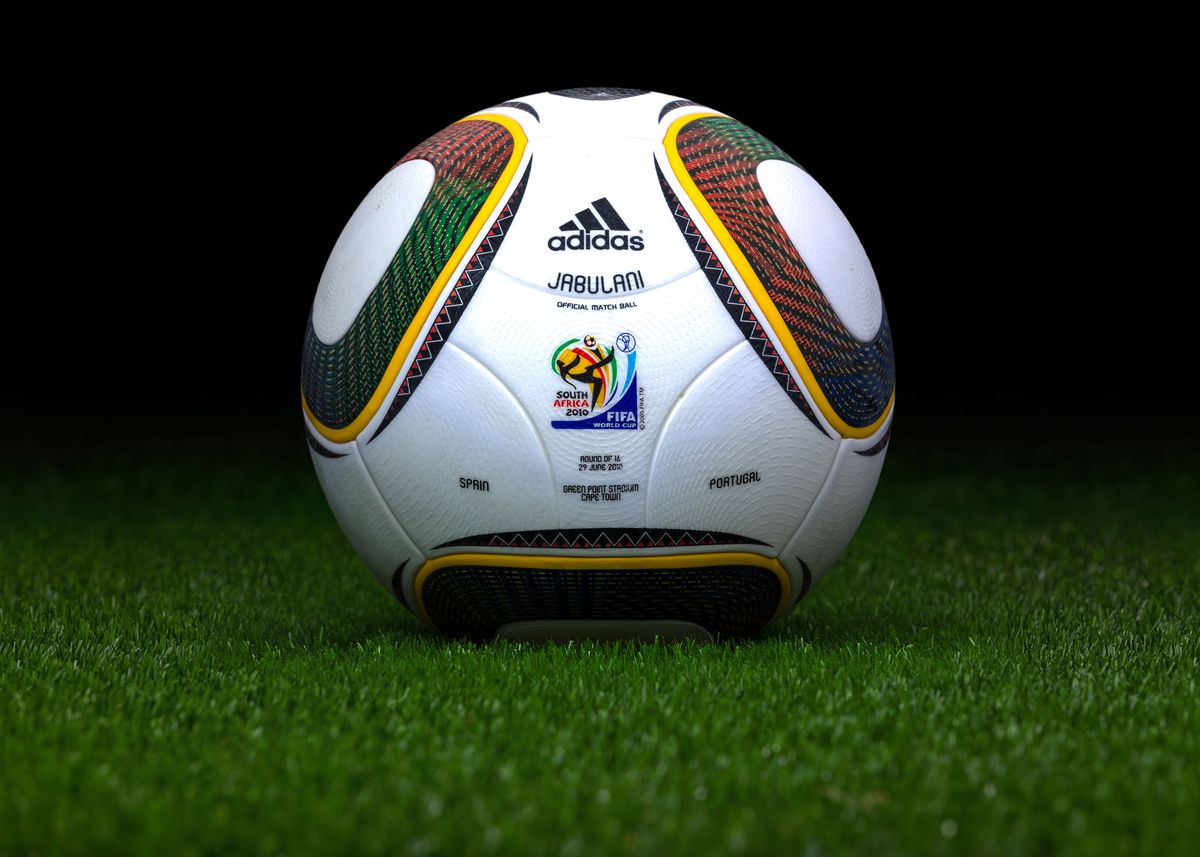
As the decades progressed, innovation became a priority, and synthetic materials began to replace leather, making balls lighter, more durable, and resistant to weather conditions. Product designers also became more experimental, such as the controversial Jabulani used in 2010, which sparked debates among players due to its unpredictable flight.
 © Mirrorpix via Getty Images
By the time of the FIFA World Cup 2022, the ball had adopted cutting-edge technology, and its design embedded sensors to assist referees and enhance data tracking.
A lot has improved since 1930; now, looking ahead to the FIFA World Cup 2026, expectations for the official ball are higher than ever. For the first time in history, the tournaments will be expanding across America, with three hosting countries. This alone is making the design blend cultural symbolism with advanced engineering.
Sustainability is also expected to play a key role, now that the balls are not built with real leather, eco-friendly materials and production methods are shaping the future of football design. Find below how this evolution has changed the game for decades.
The evolution of the FIFA World Cup
 © REX Features/Shutterstock /The Grosby Group
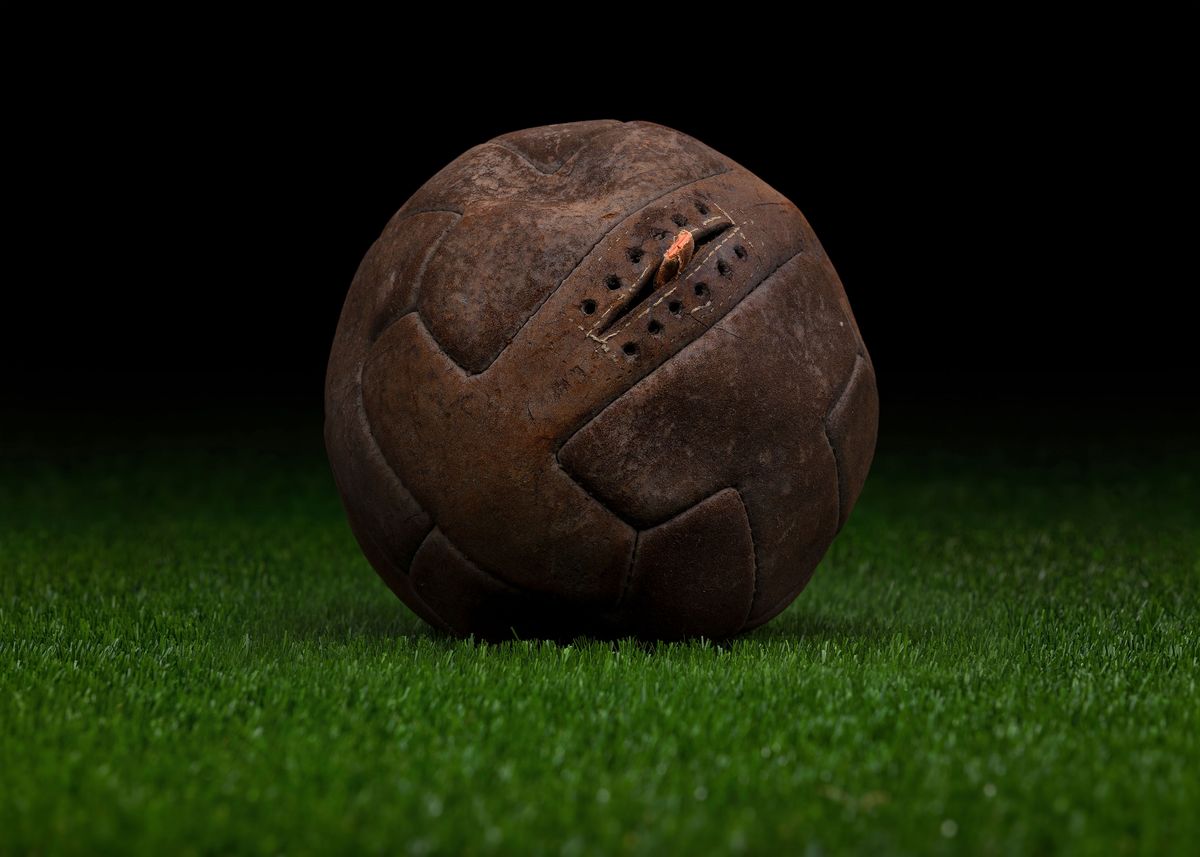
Montevideo, 1930
The 1930 FIFA World Cup in Uruguay featured the use of the T-Model ball, alternatively called Modelo T or Tiento. This ball is specifically associated with the inaugural tournament, which Uruguay won. The initial matches of the competition took place concurrently at Estadio Pocitos and Parque Central in Montevideo, culminating in the final match at Estadio Centenario, also in Montevideo.
 © REX Features/Shutterstock /The Grosby Group
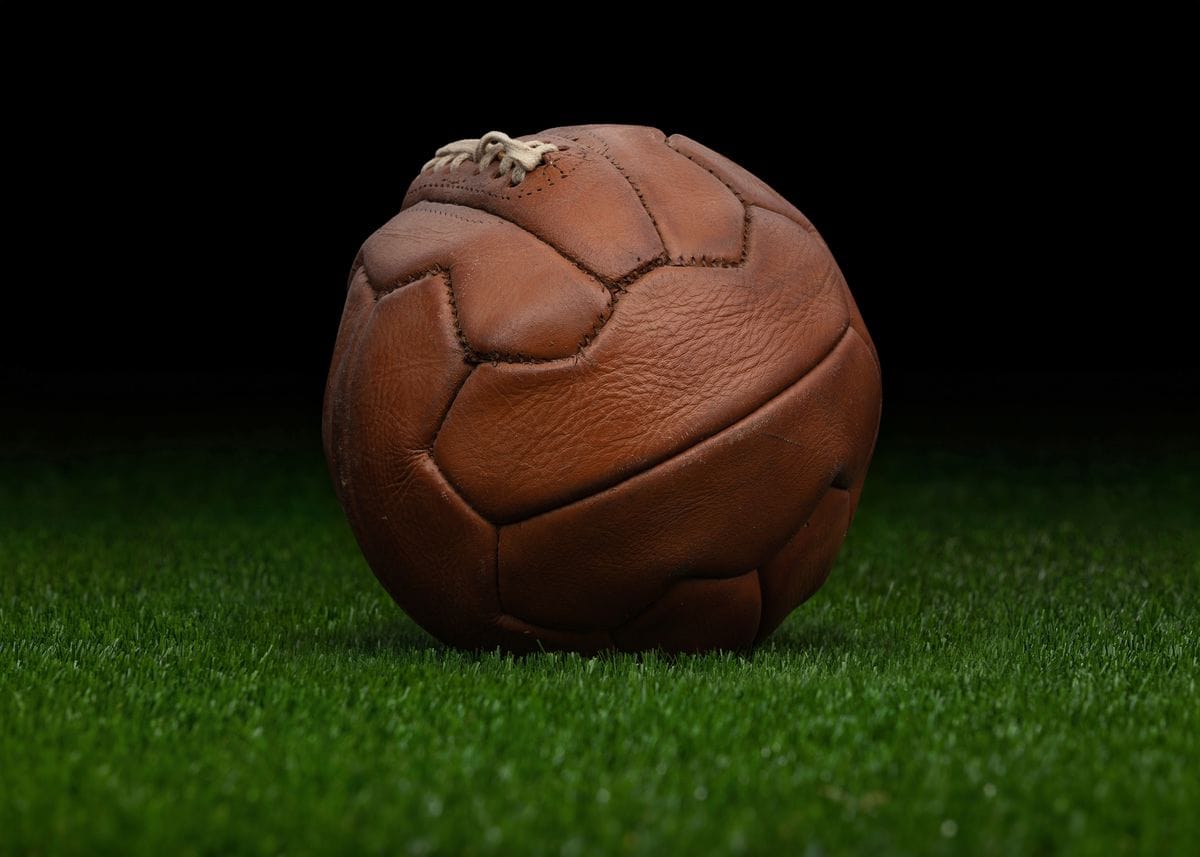
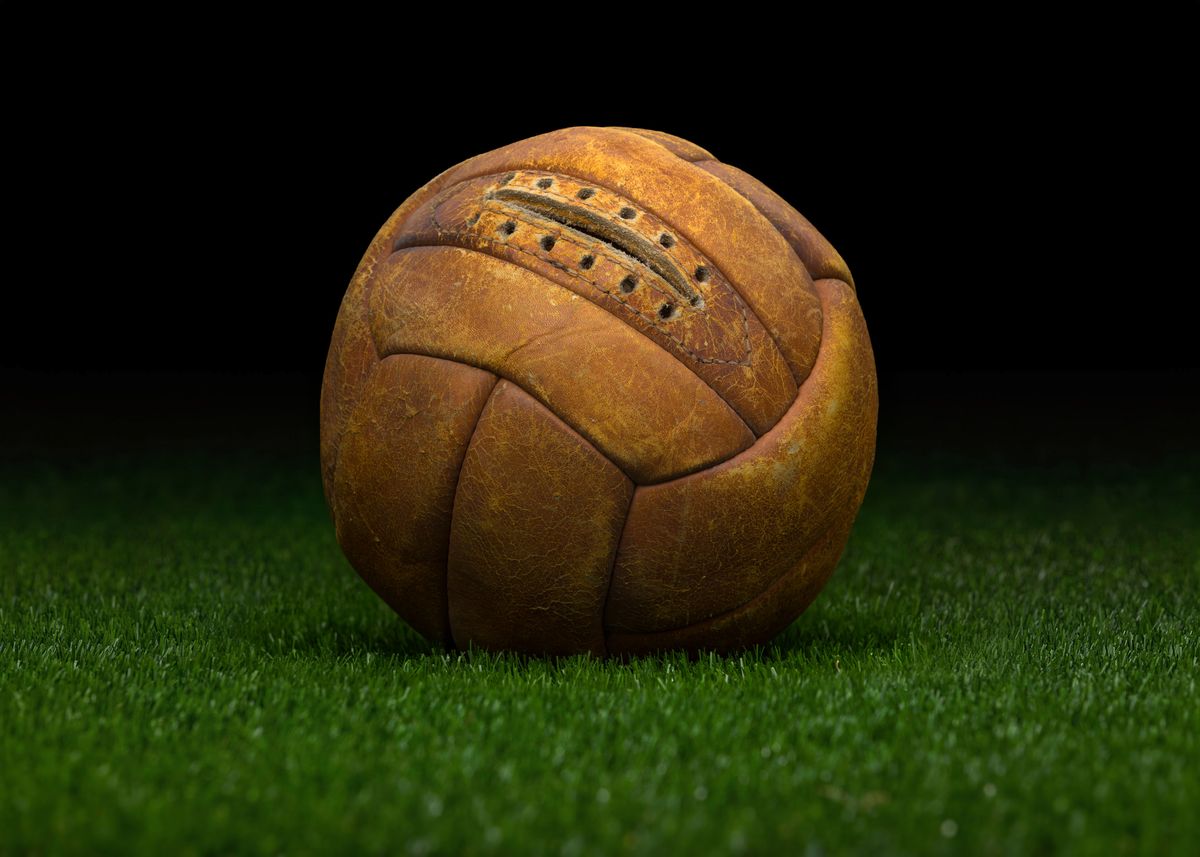
Italy, 1934
The Federale 102 ball was used in the 1934 FIFA World Cup in Italy. This image shows only the official match ball from the tournament won by Italy. The opening matches were played across several venues in Italy on the inaugural day, and the final match was played at Stadio Nazionale PNF in Rome.
 © REX Features/Shutterstock /The Grosby Group
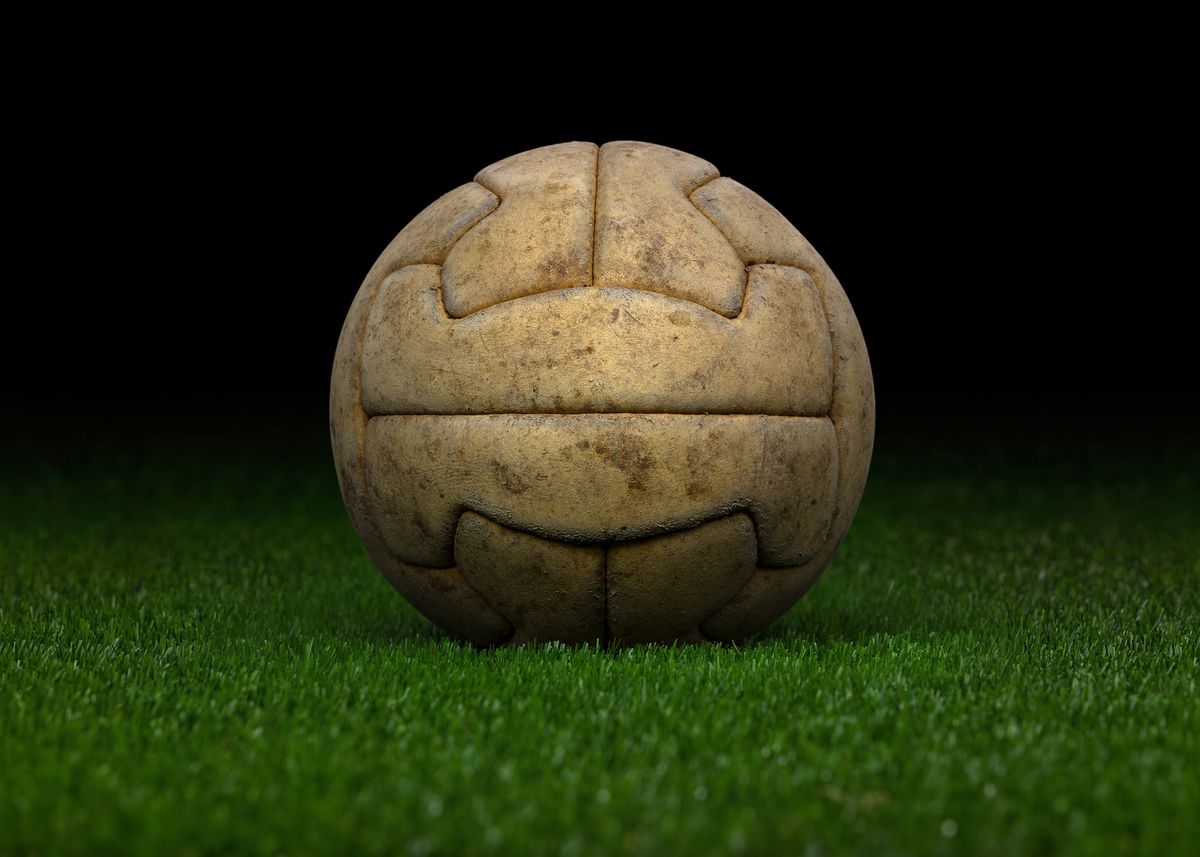
Paris, 1938
The official match ball for the 1938 FIFA World Cup in France was the Allen. Italy won this tournament. The competition began with Switzerland versus Germany at Parc des Princes in Paris and concluded with the final match between Italy and Hungary at Stade Olympique de Colombes in Paris. This image specifically features only the official match ball from the event.
 © REX Features/Shutterstock /The Grosby Group
Rio de Janeiro, 1950
The Duplo T, officially named the Superball Duplo T, served as the match ball for the 1950 FIFA World Cup, held in Brazil. The image provided features the official ball from that tournament, which was ultimately won by Uruguay. The competition kicked off with the Brazil versus Mexico match and concluded with the Uruguay versus Brazil game, both played at the Maracanã stadium in Rio de Janeiro.
 © REX Features/Shutterstock /The Grosby Group
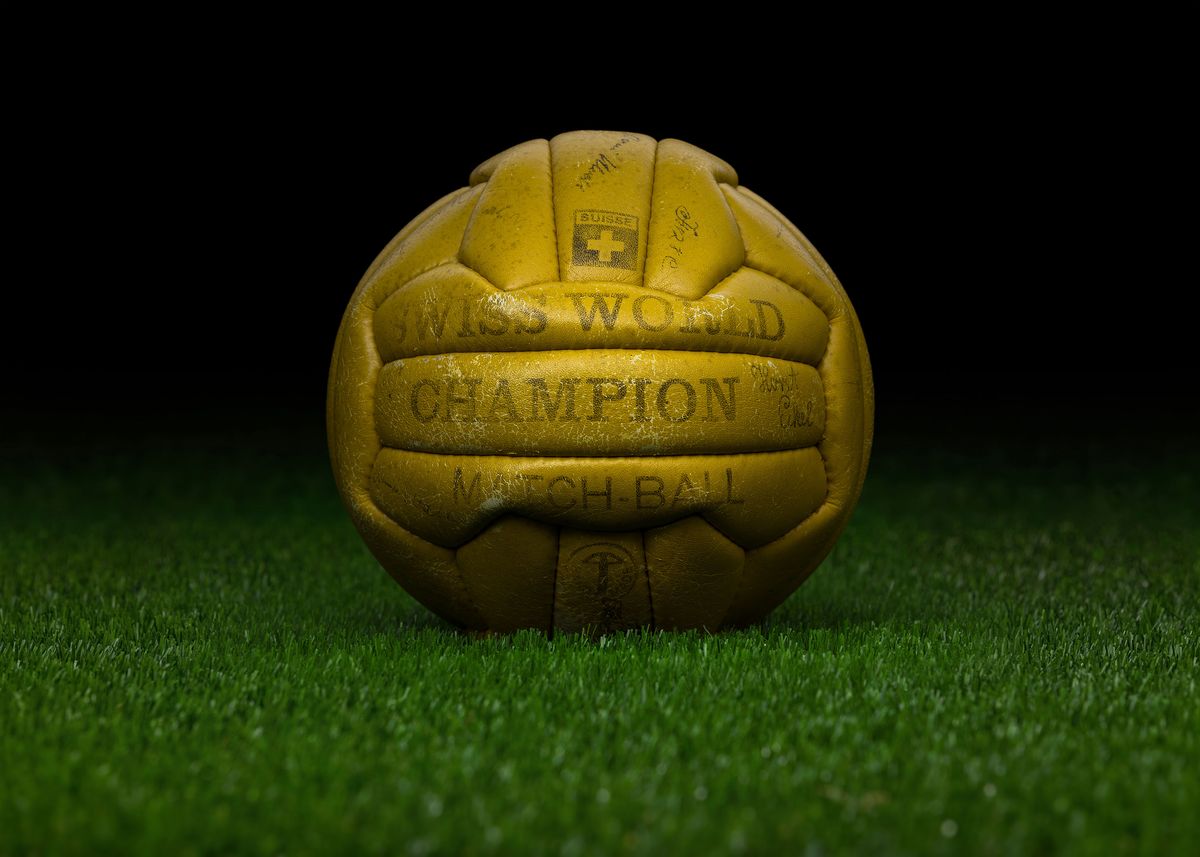
Switzerland, 1954
Switzerland, 1954. The Swiss World Champion ball was used in the 1954 FIFA World Cup in Switzerland. This image shows only the official match ball from the tournament won by West Germany. The opening matches were played across several venues in Switzerland on the inaugural day, including Brazil vs Mexico, Yugoslavia vs France, Uruguay vs Czechoslovakia, and Austria vs Scotland. The last match was West Germany vs Hungary at Wankdorf Stadium in Bern.
 © REX Features/Shutterstock /The Grosby Group
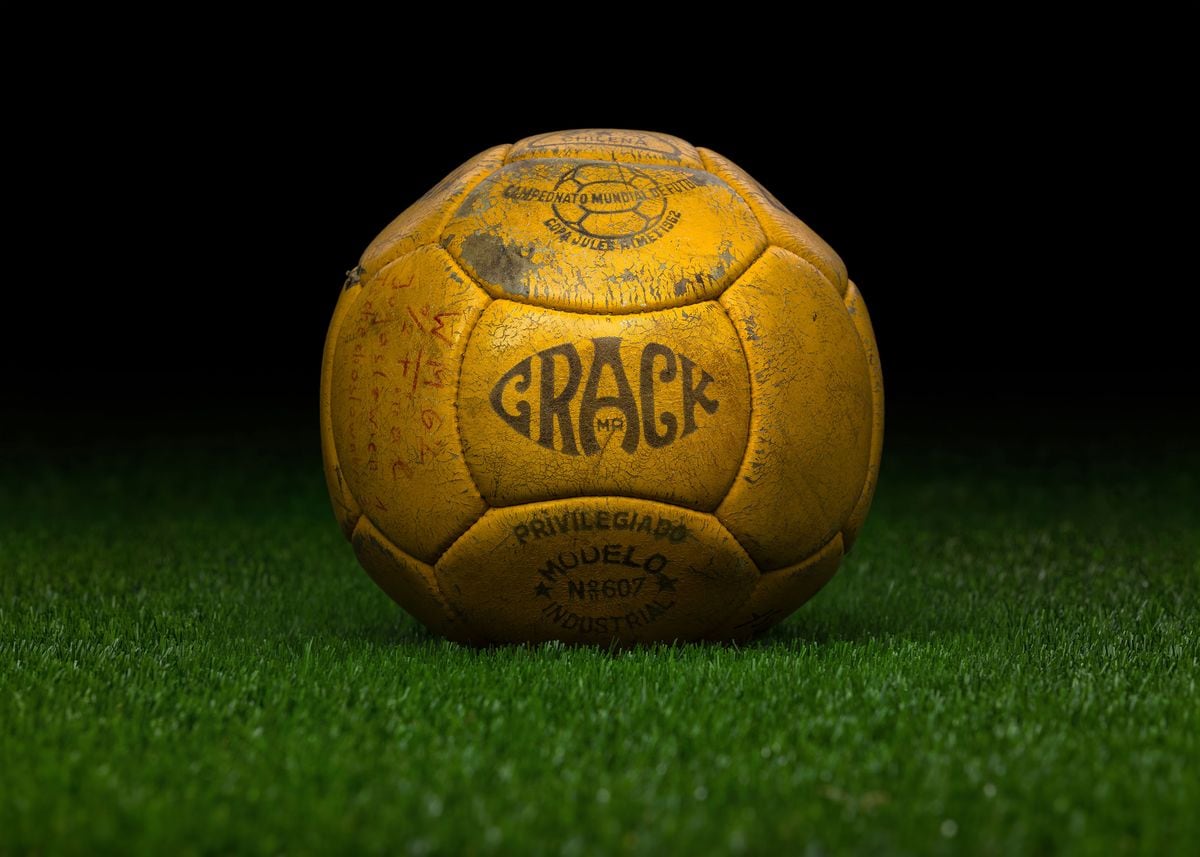
Chile, 1962
The Crack ball, also known as Mr. Crack or Crack Top Star, was used in the 1962 FIFA World Cup in Chile. This is the official match ball from the tournament won by Brazil.
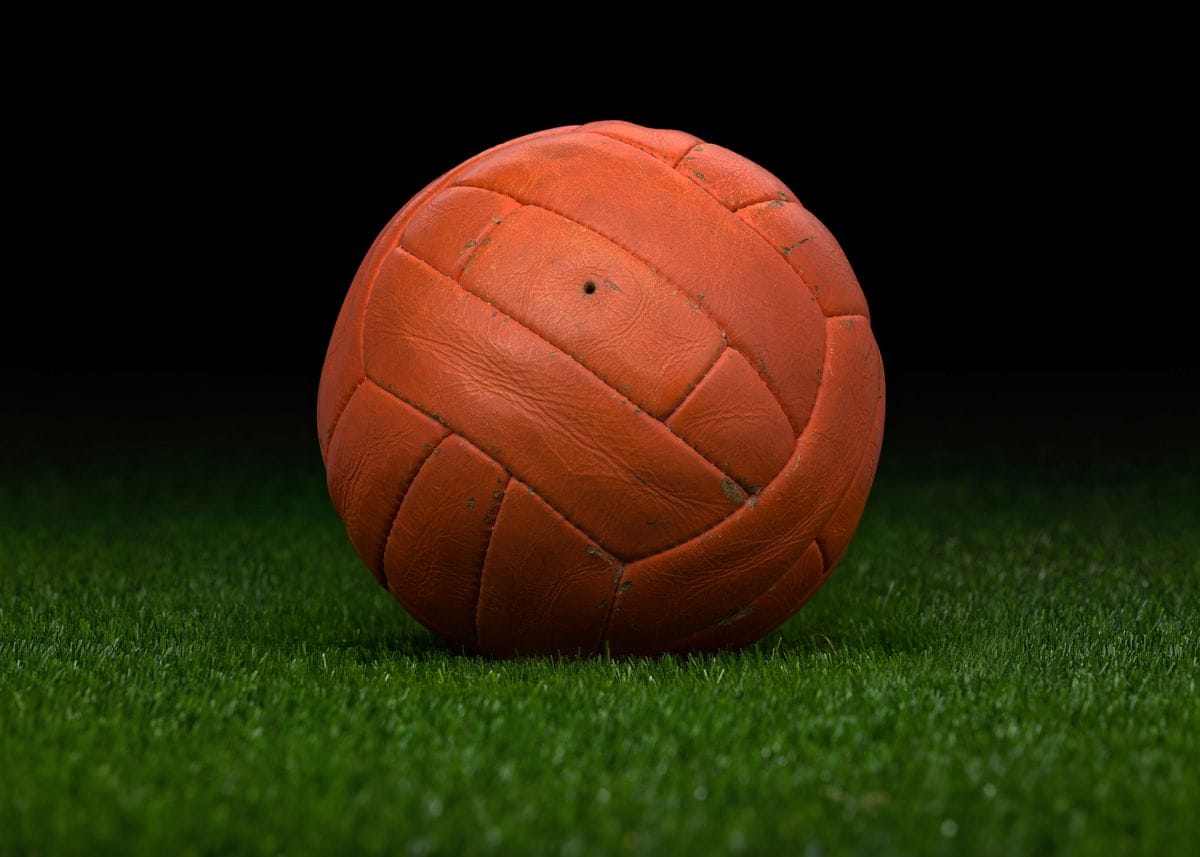 © REX Features/Shutterstock /The Grosby Group
England, 1966
The Challenge 4-Star ball was used in the 1966 FIFA World Cup in England. This is the official match ball from the tournament won by England.
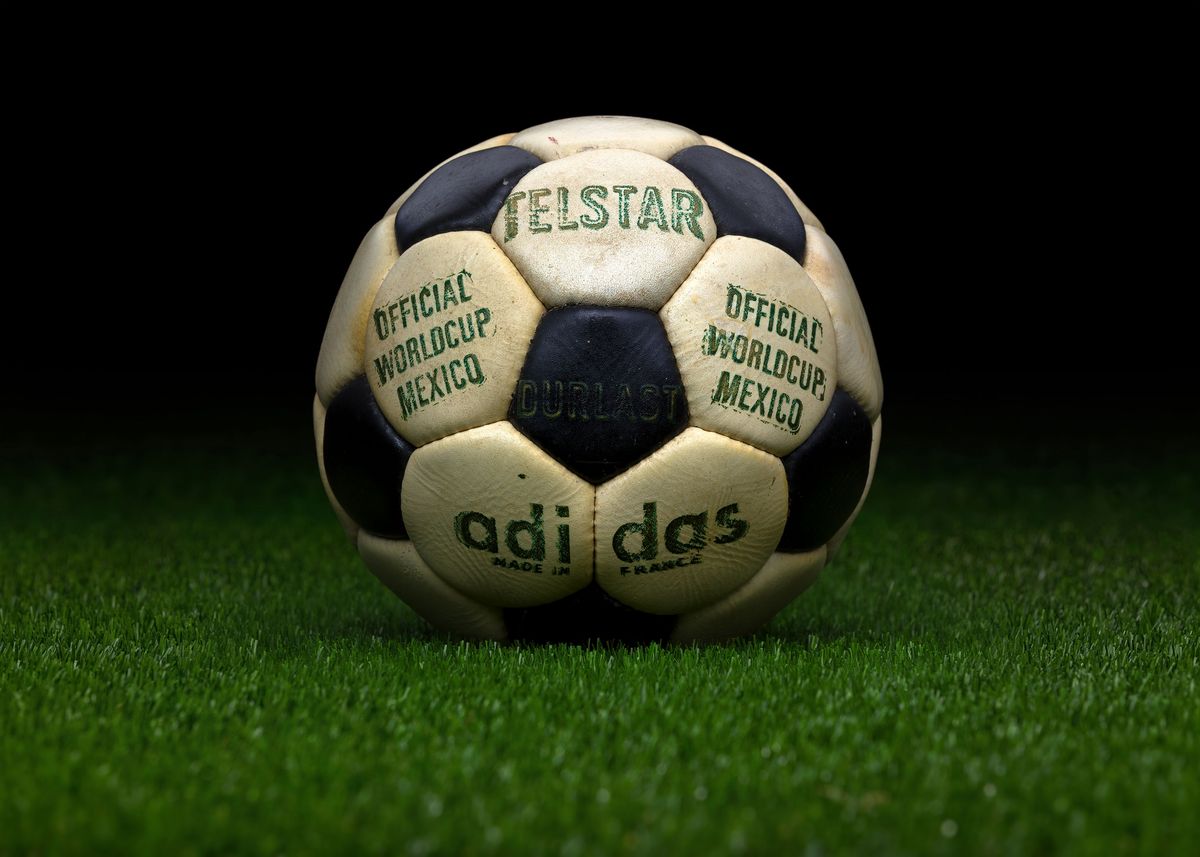 © REX Features/Shutterstock /The Grosby Group
Mexico City, 1970
The Telstar ball was used in the 1970 FIFA World Cup in Mexico. This was the first time the white and black design was introduced.
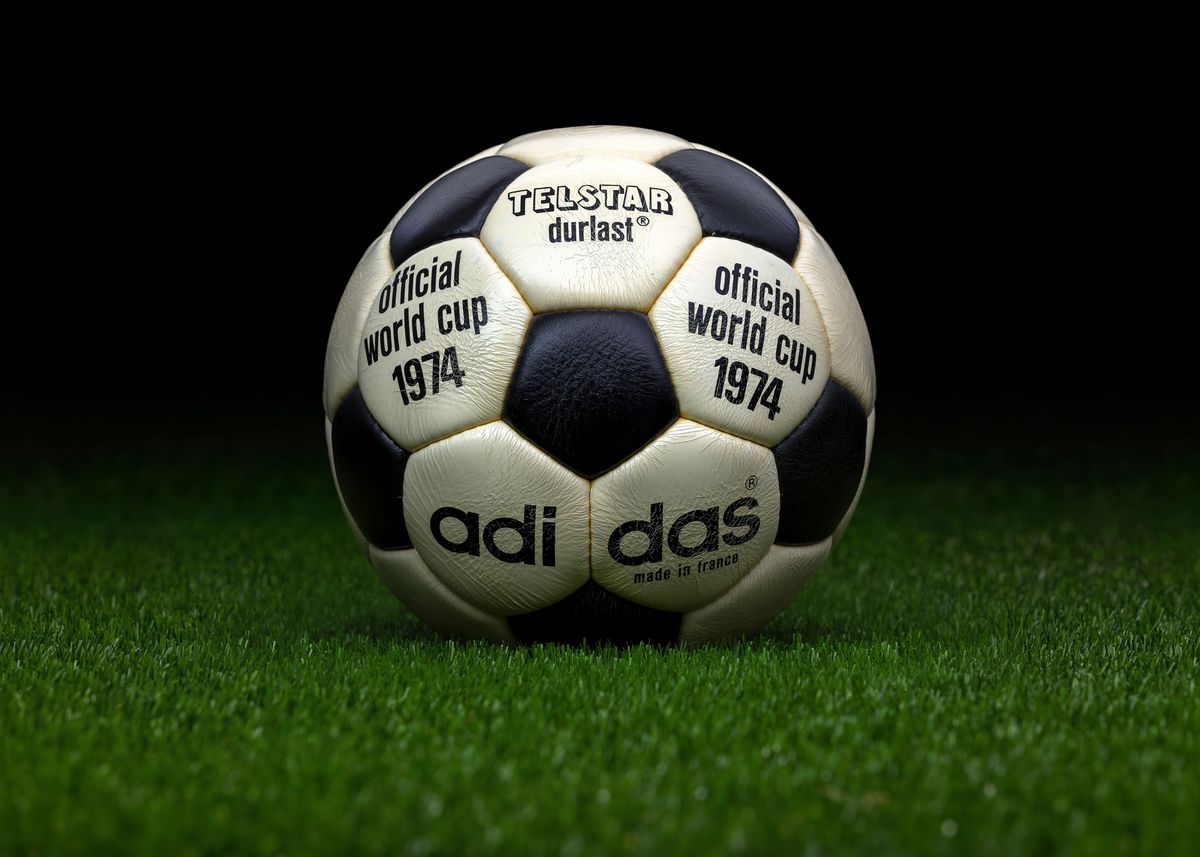 © REX Features/Shutterstock /The Grosby Group
West Germany, 1974
The Telstar Durlast ball was used in the 1974 FIFA World Cup in West Germany. This image shows only the official match ball from the tournament won by West Germany.
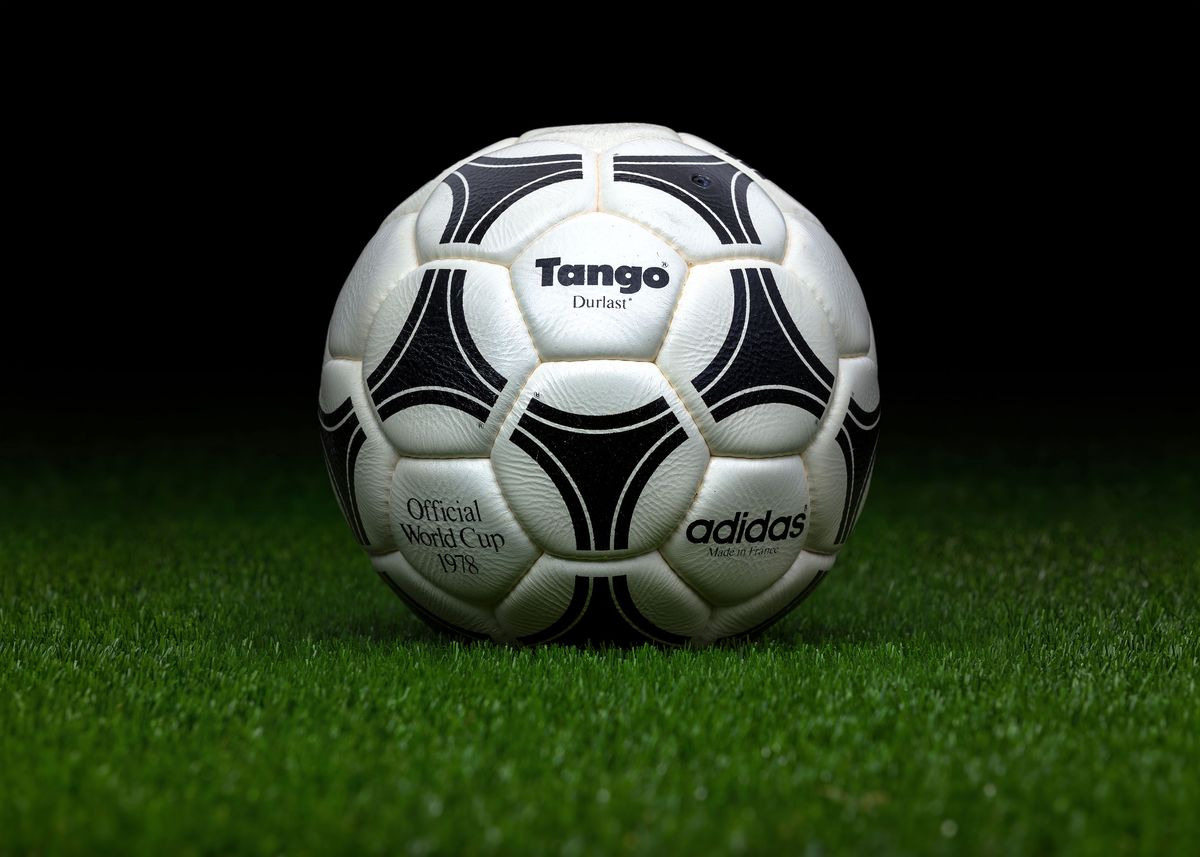 © REX Features/Shutterstock /The Grosby Group
Argentina, 1978
The Tango Durlast ball, also known as Tango, was used in the 1978 FIFA World Cup in Argentina.
 © REX Features/Shutterstock /The Grosby Group
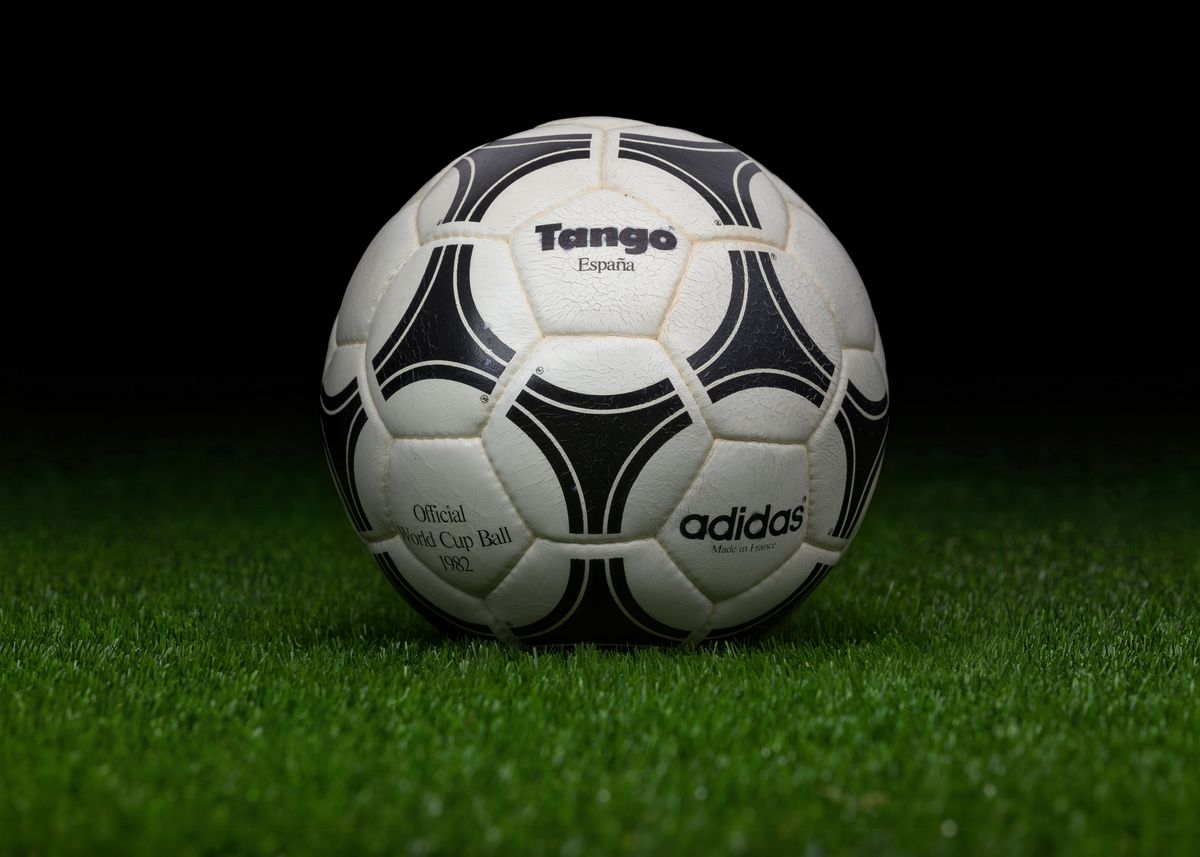
Spain, 1982
The Tango España ball was used in the 1982 FIFA World Cup in Spain. This image shows only the official match ball from the tournament won by Italy.
 © REX Features/Shutterstock /The Grosby Group
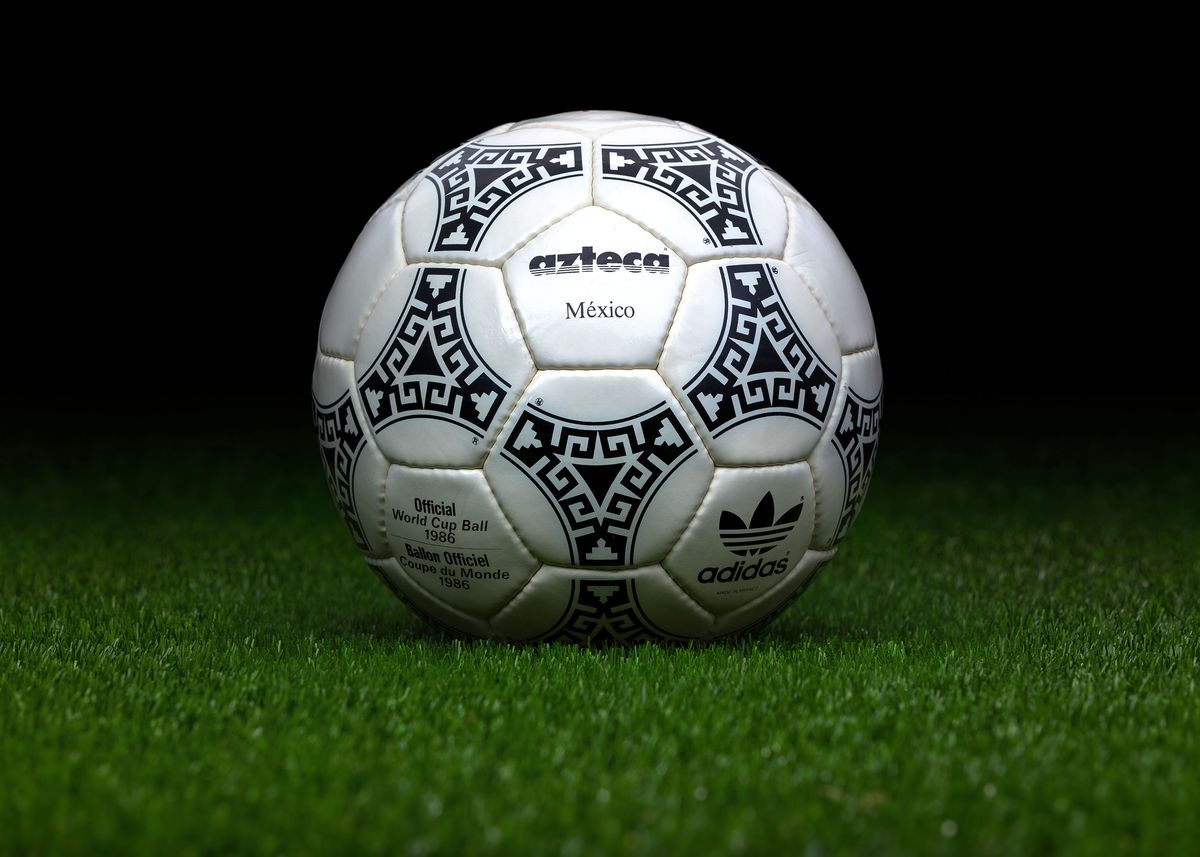
Mexico City, 1986
The Azteca ball was used in the 1986 FIFA World Cup in Mexico. This image shows only the official match ball from the tournament won by Argentina.
 © REX Features/Shutterstock /The Grosby Group
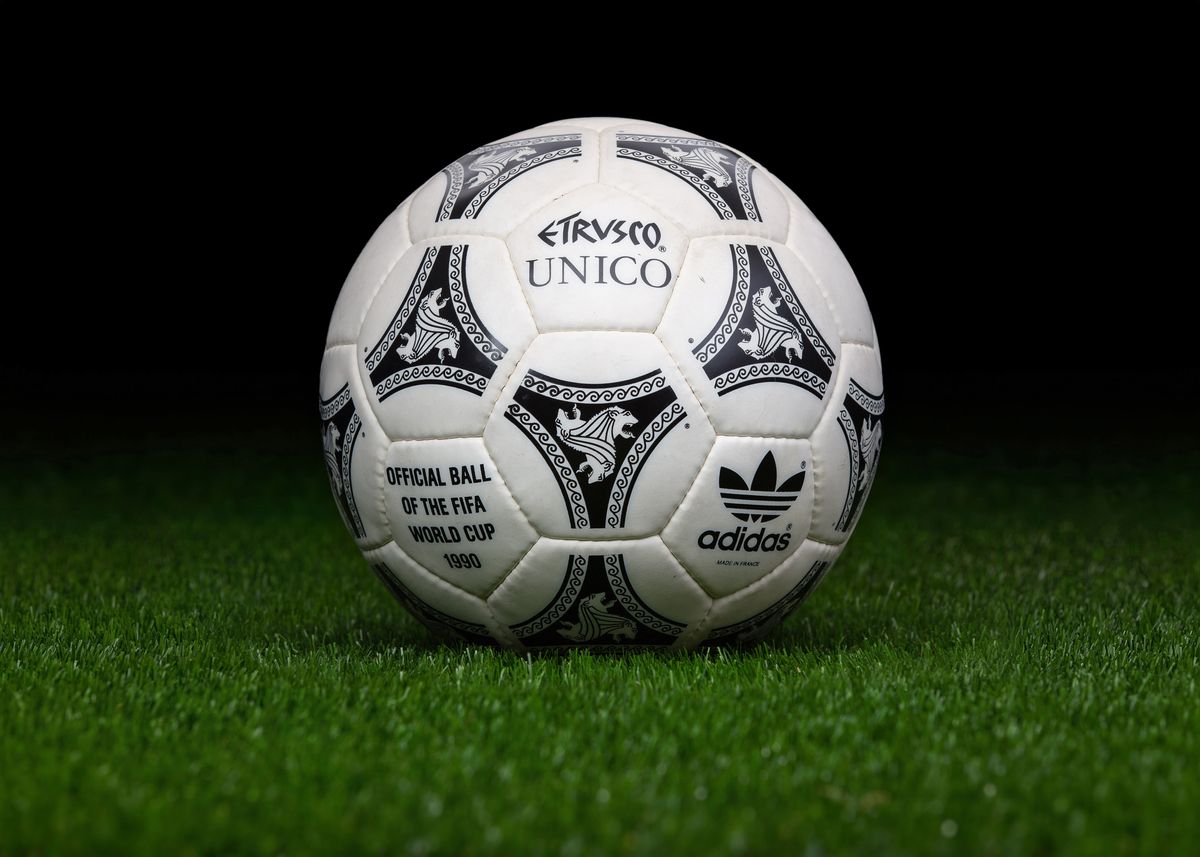
Italy, 1990
The Etrusco Unico ball was used in the 1990 FIFA World Cup in Italy.
 © REX Features/Shutterstock /The Grosby Group
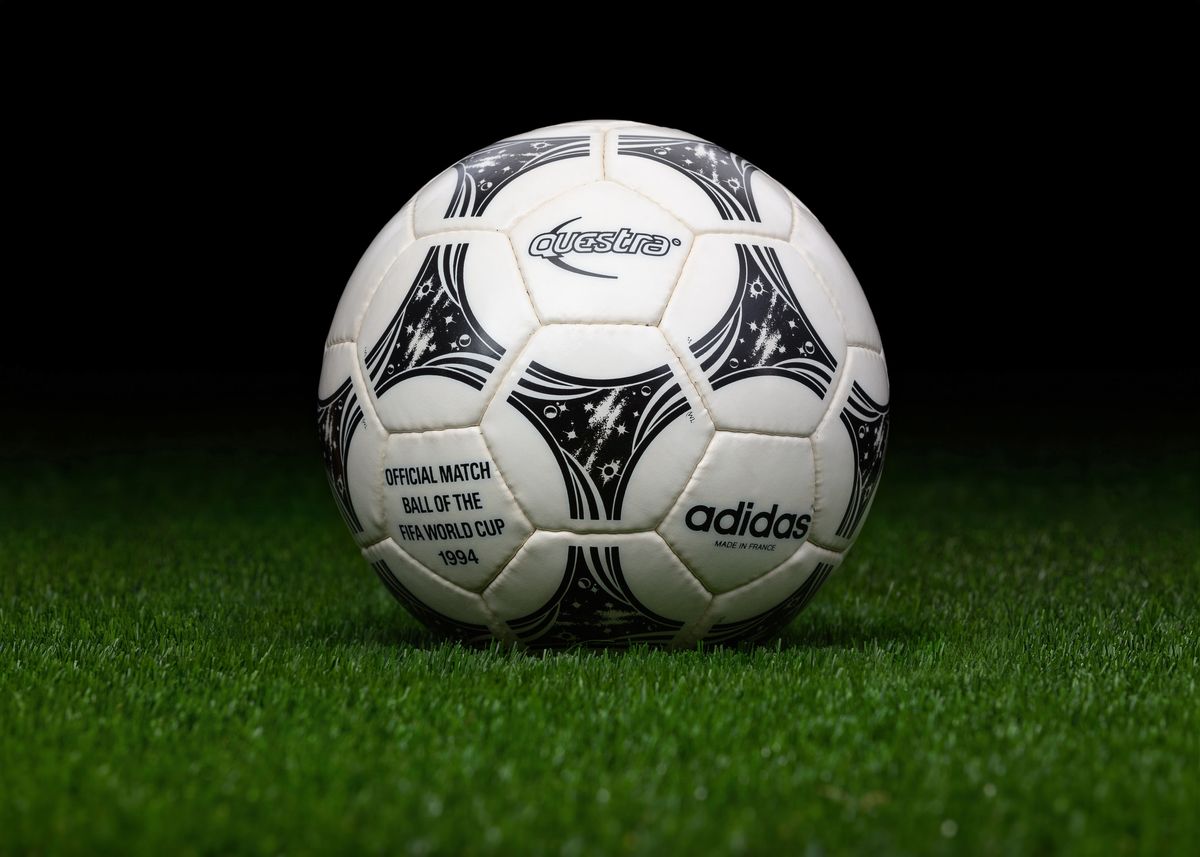
United States, 1994
The Questra ball was used in the 1994 FIFA World Cup in the United States. This image shows only the official match ball from the tournament won by Brazil.
 © REX Features/Shutterstock /The Grosby Group
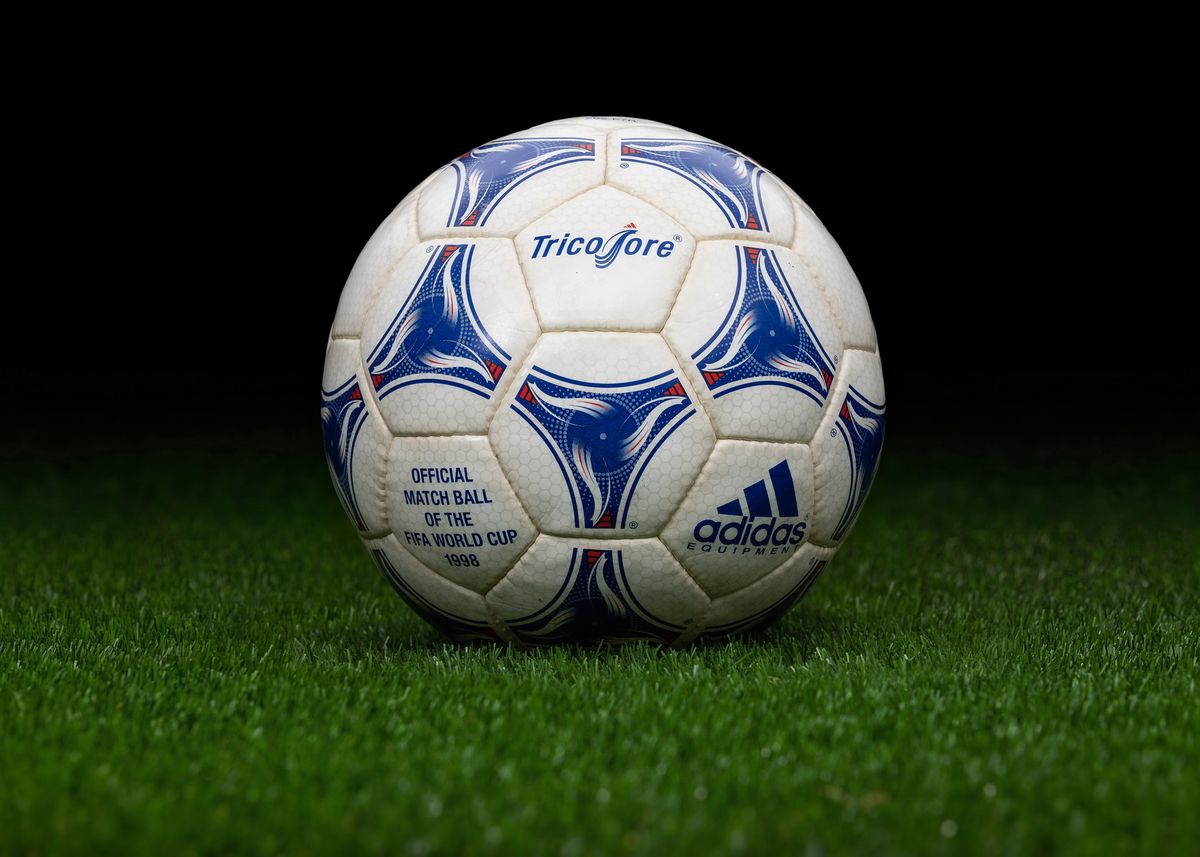
France, 1998
The Tricolore ball was used in the 1998 FIFA World Cup in France.
 © REX Features/Shutterstock /The Grosby Group
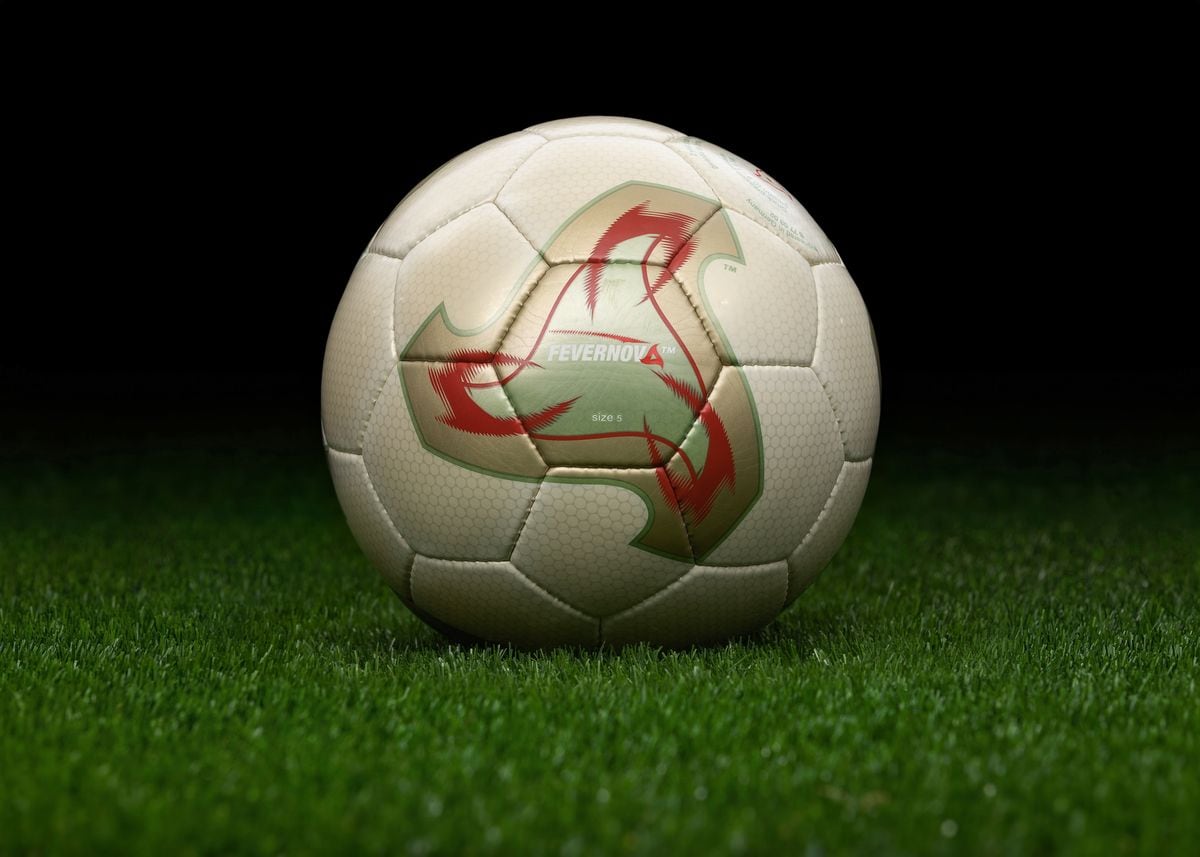
Japan and South Korea, 2002
The Fevernova ball was used in the 2002 FIFA World Cup in Japan and South Korea. This image shows only the official match ball from the tournament won by Brazil.
 © REX Features/Shutterstock /The Grosby Group
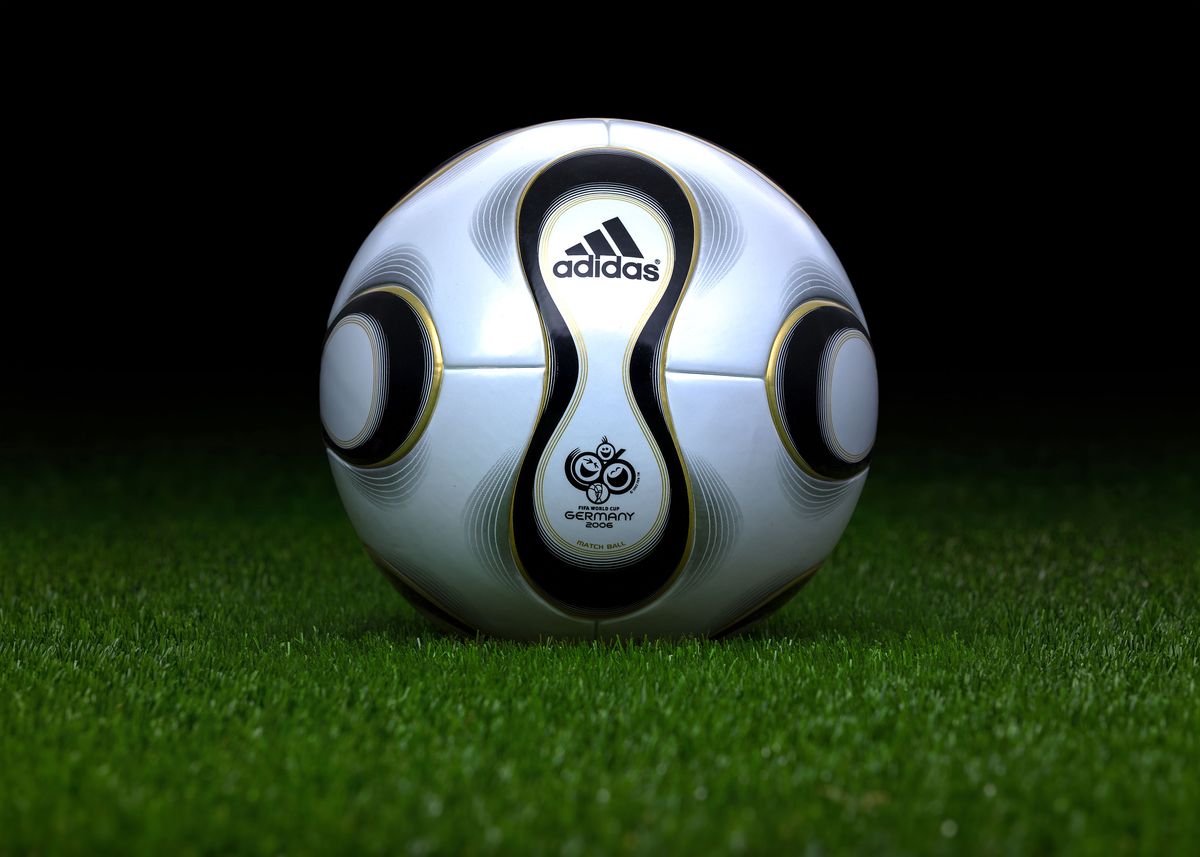
Germany, 2006
The Teamgeist ball was used in the 2006 FIFA World Cup in Germany.
 © REX Features/Shutterstock /The Grosby Group
South Africa, 2010
The Jabulani ball was used in the 2010 FIFA World Cup in South Africa. This image shows only the official match ball from the tournament won by Spain.
 © REX Features/Shutterstock /The Grosby Group
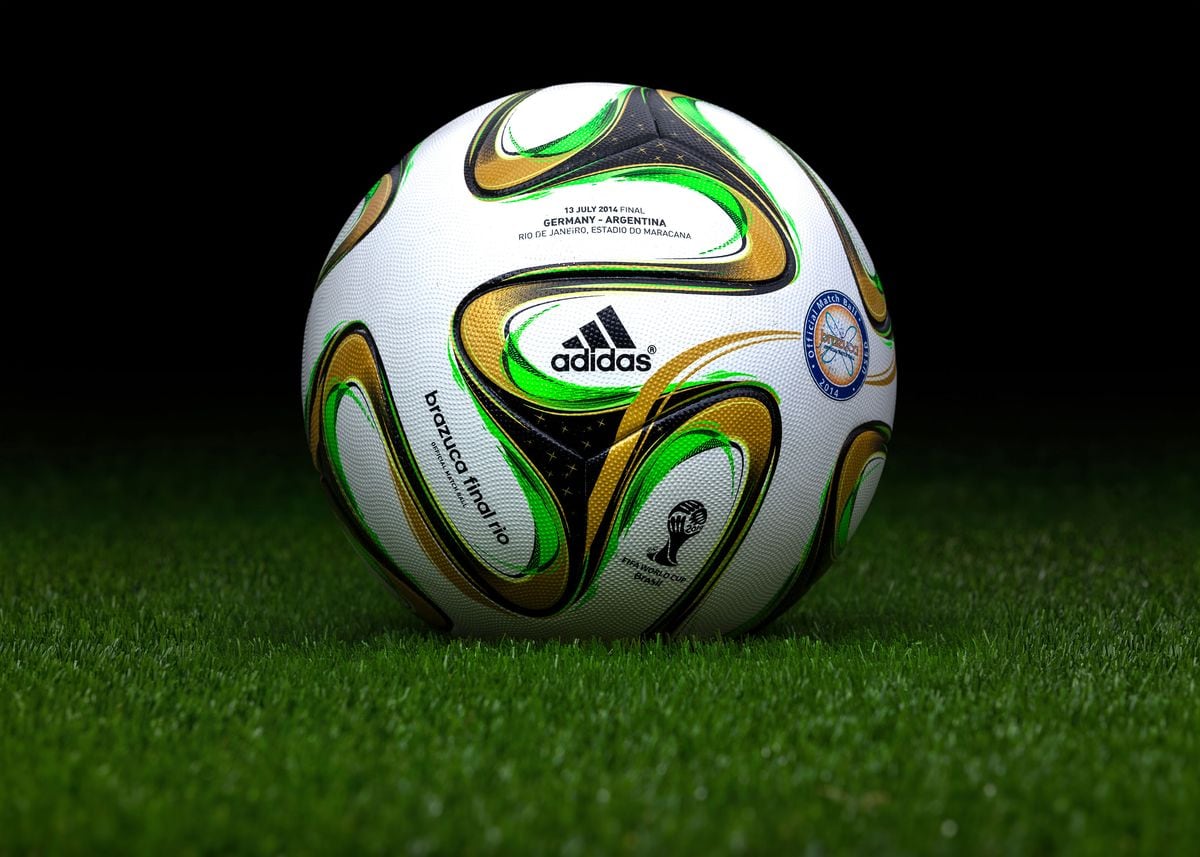
Brazil, 2014
The Brazuca ball was used in the 2014 FIFA World Cup in Brazil. This image shows only the official match ball from the tournament won by Germany.
 © REX Features/Shutterstock /The Grosby Group
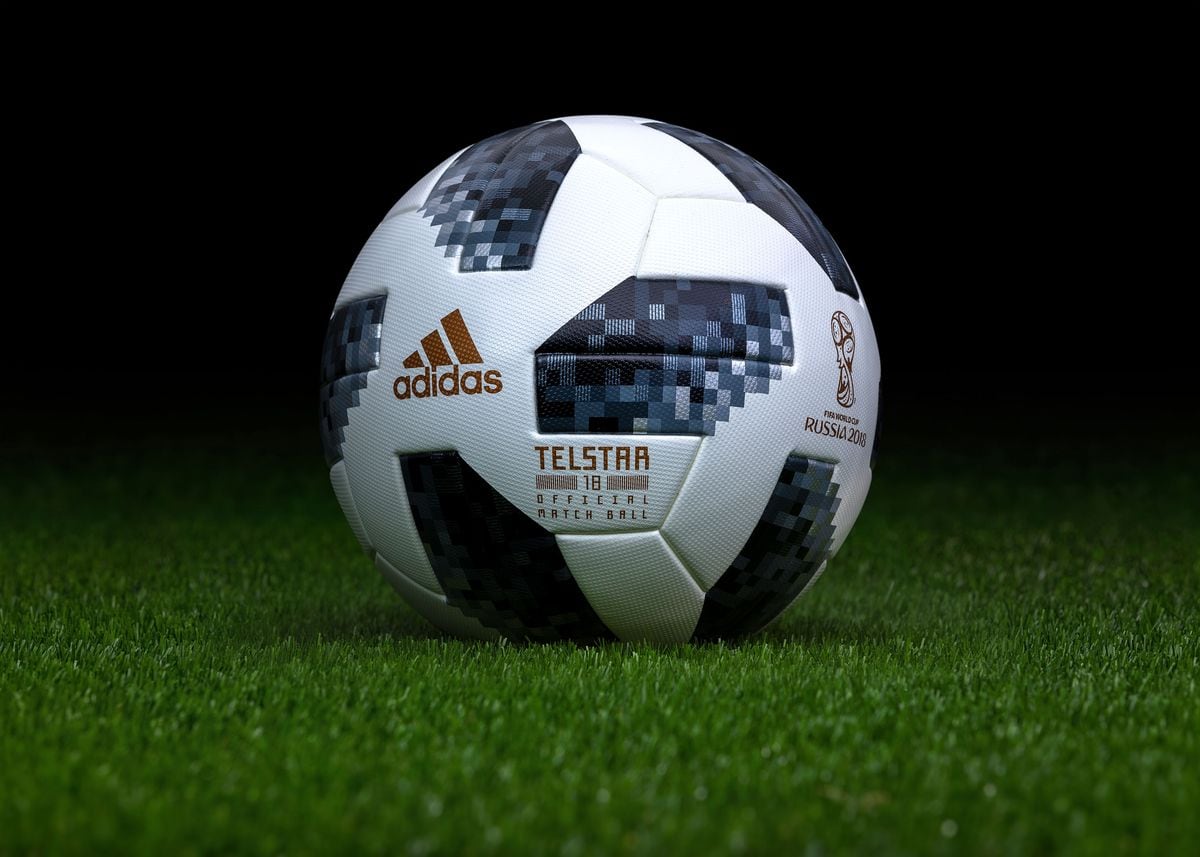
Russia, 2018
The Telstar 18 ball was used in the 2018 FIFA World Cup in Russia.
 © REX Features/Shutterstock /The Grosby Group
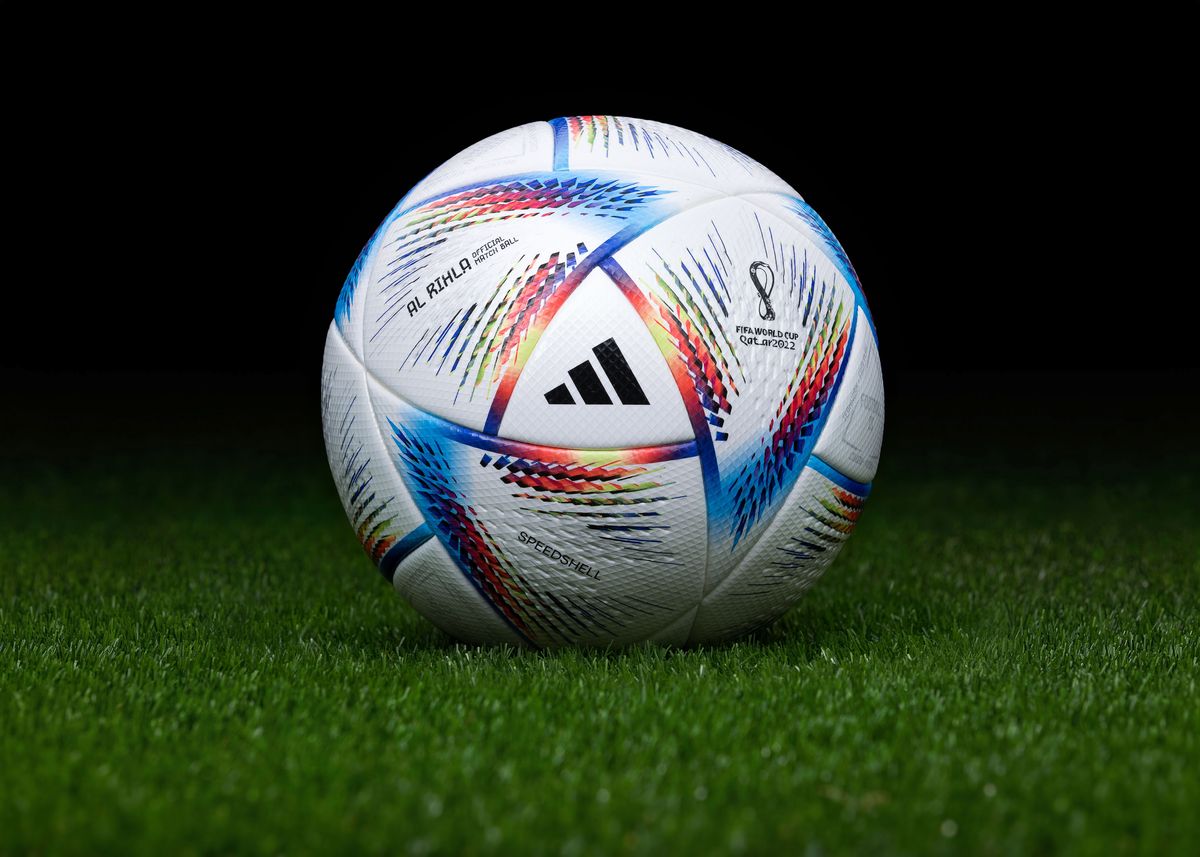
Qatar, 2022
The Al Rihla ball was used in the 2022 FIFA World Cup in Qatar. This image shows only the official match ball from the tournament won by Argentina.
 © The Grosby Group
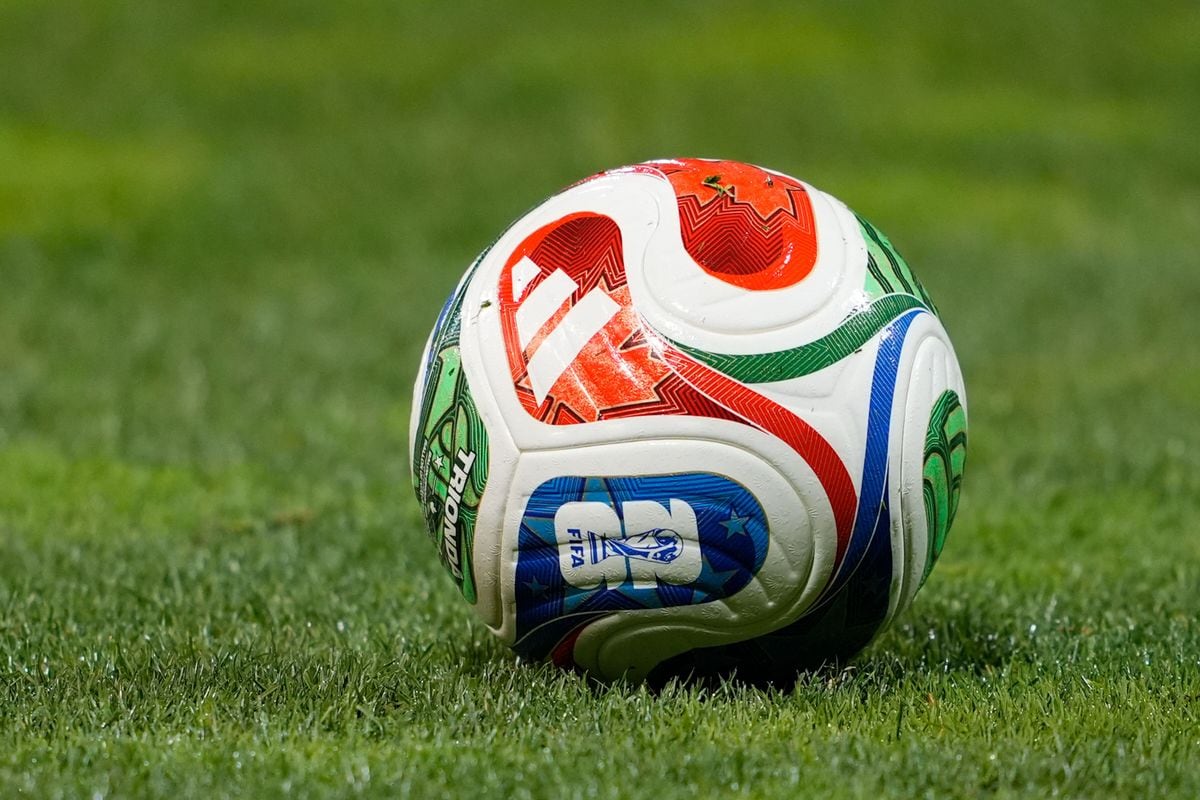
Canada, Mexico and the United States, 2026
The TRIONDA ball is the official match ball of the 2026 FIFA World Cup. This image shows only the ball for the tournament that will be played across Canada, Mexico, and the United States.
Read the full article here