



Do you find yourself overwhelmed by loud noises or crowded spaces? Is saying ‘no’ a struggle, even when you’re completely drained? Do you feel deeply affected by other people’s emotions, find polite small talk taxing, or need long periods of quiet to recharge your batteries? If these feelings sounds familiar, you might be what’s called a Highly Sensitive Person (HSP).
It’s a trait shared by one in four of us, marked by a heightened emotional and sensory experience of the world. Without the right tools to manage it, life can quickly lead to burnout, sensory overload or feeling stuck.
HSPs are often incredibly empathetic with a natural instinct to care for others, but this often comes at a cost – unrealistic self-expectations and a lingering sense of guilt when they can’t ‘do it all’.
Psychologist Anna Romeu, who herself is an HSP, explains the reality of the trait and how to turn this sensitivity into your greatest strength.
As a psychologist, when did you first realise that many of your clients were exhibiting highly sensitive traits?
I’ve been in practice for 25 years now. Almost from the outset, I encountered people who didn’t quite fit the standard diagnostic criteria, yet were clearly in deep emotional distress. The real issue was that most conventional psychological or psychiatric treatments simply weren’t hitting the mark for them; they’d continue to struggle with the same symptoms and discomfort, but with no clear explanation as to why. Over time, I came across the “Highly Sensitive Person” (HSP) trait. It was a lightbulb moment – I realised that many of the people I’d seen over the years were actually HSPs who weren’t living in harmony with their natural temperament, which was the root cause of their unhappiness.
In your clinical experience, what are the most common symptoms or behaviours that highly sensitive people present with when they come to see you?
Generally, an HSP will come to me presenting with high levels of stress, anxiety or depressive symptoms. Usually, these are signs of “overstimulation” or saturation – one of the core pillars of high sensitivity. When a highly sensitive person is constantly bombarded by sensory or emotional input, they reach a breaking point. If they stay in that state for too long, it often manifests as the psychological struggles I mentioned.
One of the most rewarding parts of my job is explaining this process to them. Watching that moment of self-recognition, where they finally understand what’s happening, is incredibly powerful. From there, we can work together to make the lifestyle adjustments they need to find a bit of headspace and calm.
 © Getty
In therapy, how do you differentiate a highly sensitive person from someone with an anxiety disorder or a tendency towards high emotional suffering?
First and foremost, if I suspect someone might be highly sensitive, I’ll ask them to complete the high sensitivity self-test – that’s always the starting point. However, it’s vital to clarify that being an HSP doesn’t make you immune to psychological issues or disorders, whether they are personality-based or developmental.
There is a clear distinction between a person’s inherent nature, that is, their personality, and mental health disorders; the two are not mutually exclusive. Everyone has their own unique personality, shaped by a blend of various traits functioning at different levels. On top of that, any individual might also experience mental health struggles, whether they are temporary or chronic.
Do you think there’s a bit of a misunderstood or oversimplified view of what it actually means to be an HSP?
Absolutely… HSPs are often unfairly labelled as “weak” or even “incapable,” largely because they wear their hearts on their sleeves. This leads to all sorts of derogatory tags like “cry-baby” or “over-sensitive,” when in truth, emotional reactivity has nothing to do with a lack of strength.
“Being open about your sensitivity often makes you more resilient; you’re more in tune with your inner world and better equipped to handle it. If anything, it’s a sign of strength”
Another common misconception is that HSPs are just being “fussy” or “difficult.” This usually stems from their high sensory reactivity – things like loud noises, strong smells, or even someone’s tone of voice can be genuinely jarring for them, even if others barely notice. It’s a bit unfair to judge; they aren’t complaining for the sake of it or trying to be a nuisance. They’re simply reporting their reality.
That said, not all the stereotypes are negative. HSPs are often seen as incredibly intuitive – almost as if they can read the room or predict things before they happen. They’re the kind of people who connect with others instantly, making those around them feel truly heard. Because of their deep empathy, they find it easy to step into someone else’s shoes and offer exactly what’s needed. This trait has all sorts of benefits… we should really be talking about the “superpowers” of HSPs. Many of us have built entire careers on these traits. Personally, I’ve always felt that being an HSP has been a massive asset in my work as a psychologist.
Many highly sensitive people live with a chronic sense of being overwhelmed or emotionally blocked. What causes this common burnout, and how can it be prevented?
It’s sadly true that many HSPs spend far too long, sometimes their entire lives, in a state of constant overstimulation. Generally, this happens because their natural temperament hasn’t been respected, or they weren’t properly supported growing up. If you’re constantly told to “pull yourself together,” that you’re being “too fussy,” or that you’re always “moaning or crying,” you eventually start to believe that you are the problem. You feel you have to “grin and bear it” and try to become someone else. Once you start forcing yourself to fit that mould, it’s a very short road to total burnout.
“We live in a society that champions a specific personality type – extroverted, thick-skinned and highly sociable – while looking down on the opposite”
Ultimately, we’re looking at a lack of awareness and a lack of respect for a different way of being. Being introverted, less social or not much of a “thrill-seeker” is often seen as a flaw rather than a preference. It’s incredibly unfair, and the same bias applies to high sensitivity. Consequently, people with these “less popular” traits try to mask who they really are; they stop being true to themselves in an attempt to fit in.
How does high sensitivity affect the self-esteem and self-image of those who have it?
Really, there’s no fundamental difference between us and those with ‘standard’ sensitivity. It all comes down to how you’re raised – specifically the messages you receive during childhood and the extent to which your natural temperament is respected. HSPs who have been well-supported during their upbringing actually tend to be more resilient, with a stronger sense of self-worth and higher self-esteem than those with average sensitivity.
As a child, my parents never judged me; they simply let me be who I am. That foundation allowed me to grow into a confident adult and to embrace my high sensitivity with genuine joy”
This is something I’ll be eternally grateful to my parents for. Even though they didn’t have the terminology we’re using today, they raised me with complete respect and love for my nature.
Perfectionism, high self-expectations and guilt are common traits among HSPs. What is the link between these and sensitivity, and how do you address them in therapy?
You’re absolutely right. High sensitivity often goes hand-in-hand with perfectionism and being incredibly hard on oneself, both of which are major contributors to burnout. Because HSPs process so much information from both their surroundings and their inner world, they experience everything more intensely. This means they are often the first to spot when something could be improved, and they feel a real compulsion to “fix” it. To put it simply: it’s very hard to walk past a crooked picture frame and not straighten it. If you didn’t notice it was wonky, it wouldn’t bother you – but for an HSP, it’s impossible to ignore.
“When you apply the HSP level of perception to everything, you end up constantly striving to make things ‘just right’ so you can finally feel at ease. The problem is that this creates an endless loop of dissatisfaction and exhaustion”
In therapy, the work is about learning to stop worrying about every little thing that could be better. It’s about learning to sit with the discomfort of leaving something “good enough,” even if it isn’t perfect.
What tools or techniques have you found most effective in helping HSPs self-regulate and find a bit more peace?
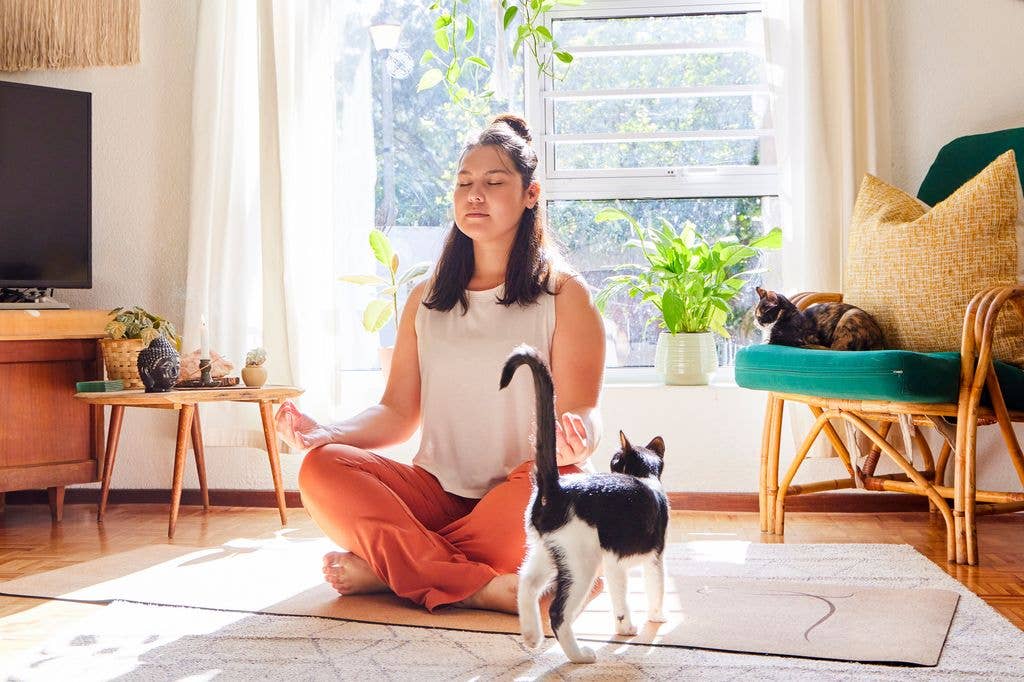
For me, the most powerful tool is mindfulness. It has been a total lifesaver for me personally, and I’ve practised it daily for years. I see the same transformation in my clients when I introduce them to it. It’s an age-old practice of “present-moment awareness” that teaches us not to judge ourselves or get swept away by our thoughts – which, let’s face it, are often just background noise that causes us unnecessary stress.
Beyond mindfulness, it’s vital to work on “internal” areas like emotional regulation and self-worth, as well as “relational” skills like assertiveness and setting firm boundaries. Being an HSP essentially requires a commitment to ongoing self-work; it’s the only way to truly maintain a sense of well-being.
Do you find that many people experience a sense of relief simply by understanding what’s happening to them?
Absolutely. There’s something almost magical about that moment when someone comes to me in deep distress, convinced there’s something wrong with them or that they are the problem – and then they realise that isn’t the case at all. They simply have a personality trait that requires a bit of self-respect, largely because it isn’t the “norm” for the majority of people.
I usually guide them through what I call the “four tasks” for HSPs:
- First, it’s about educating yourself on the trait.
- Then comes “rewriting” your past from a new perspective – one that’s much kinder and respects your temperament.
- Next, you adapt your current life to suit your nature, ensuring you’re looking after your own well-being.
- And finally, find a community of like-minded people so you can finally feel “normal.”
What common hurdles do highly sensitive people face in their relationships, and how can they overcome them?
Because HSPs often have a higher capacity for empathy than those with “standard” sensitivity, they can easily fall into the trap of people-pleasing or struggle to set firm boundaries. This is often tied to a deep-seated desire to avoid conflict. For someone who feels things so intensely, managing the sheer discomfort of a confrontation can feel like a mammoth task.
“HSPs often to put everyone else first just to avoid the weight of guilt. But the danger is that they neglect their own needs, which inevitably leads to frustration and burnout”
When you combine that conflict-avoidance with the tendency to please others – which stems from being able to “read” exactly what someone else needs – you can see why it’s so difficult for an HSP to take a step back and not act on every impulse to help. It’s no wonder that relationships are a major topic at HSP meetups and in therapy sessions.
What signs should we look out for to identify this trait in childhood, and what mistakes should be avoided when raising a sensitive child?
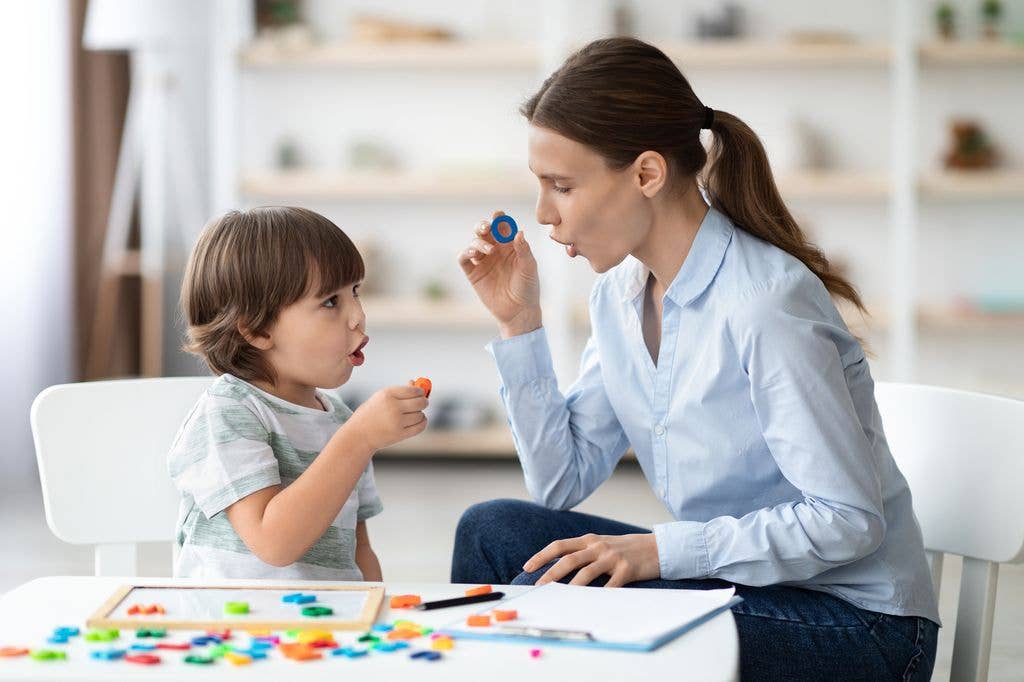
In my view, there are two key areas where it is vital to raise awareness of high sensitivity: the first is the healthcare sector – not just mental health, but physical health too – and the second is in educational settings. In the workshops and talks I give to teachers, I explain that once they’ve identified highly sensitive children in their classrooms, they don’t actually need to do anything drastic.
“We should always carry out a proper assessment of children who present symptoms compatible with neurodivergence or childhood disorders to rule out that what is observed in their behaviour is not simply high sensitivity that has been poorly managed”
It’s mostly about respecting their needs and supporting them as they navigate their unique way of experiencing the world. Families, too, need to understand the trait so they can provide an upbringing that respects a child’s natural temperament. This ensures they grow into adults who are self-aware and capable of looking after their own well-being.
They tend to be highly creative and imaginative, though unless they’re particularly extroverted, many tend to inhabit a very rich inner world. One of our most urgent tasks is to ensure they aren’t misdiagnosed with conditions like ADHD or Autism Spectrum Disorder (ASD). It is all too easy for a highly sensitive child who is overstimulated, introverted or perhaps a bit shy to be mistaken for someone with a different clinical mental health issue.
 © Getty Images
From a professional perspective, can high sensitivity become a positive asset rather than just a source of struggle?
Without a doubt. Elaine Aron – the psychologist who first identified the trait and has researched it most extensively – famously called it “the gift of high sensitivity.” It’s true that it requires a lot more intentional work on your self-awareness, and yes, that emotional or sensory intensity can occasionally catch you out. But in truth, it’s a privilege to see the world through the eyes of an HSP; I wouldn’t change it for the world.
Have you noticed a growing interest in high sensitivity in recent years? Do you think we’re finally learning to treat it with more respect and understanding?
I really do. There’s a growing body of research into the subject, more books are being published and people are simply talking about high sensitivity more often. My hope is that all of this leads to a much broader understanding of the trait, so that those who have it feel better understood by society. We still have a long way to go in terms of public awareness, but I believe the “Highly Sensitive Person” trait is becoming increasingly recognised and respected. Frankly, our society needs HSPs.
About the expert:
Psychologist and Highly Sensitive Person Anna Romeu, who specialises in supporting HSP and in emotional intelligence, is the author of the Spanish-language book, Soy sensible. Aprende a convivir con la alta sensibilidad (I’m Sensitive: Learn to Live with High Sensitivity).
Read the full article here