


Royal history endures because of the pivotal moments that connect one generation to the next. They are built around figures whose decisions set extraordinary events in motion, none more remarkable than the story of Edward VIII of the United Kingdom. His reign remains one of the shortest in British history, lasting just 325 days before he relinquished the Crown and closed one chapter of his life to begin another, driven by a love that would permanently change the destiny of the House of Windsor.
His decision to abdicate for love elevated the father of the future Queen Elizabeth II to the throne, setting in motion a dynastic chain of events that transformed the course of the British monarchy. More than five decades after his passing, the legacy of that choice still resonates.
The Beginning of a Reign That Changed the Windsors
The beginnings of royal reigns have not always been noted by joy or celebration. The Prince of Wales saw his life change in an instant following the death of his father, King George V. On January 20, 1936, the British court announced the monarch’s passing, and the prince ascended the throne as King Edward VIII.
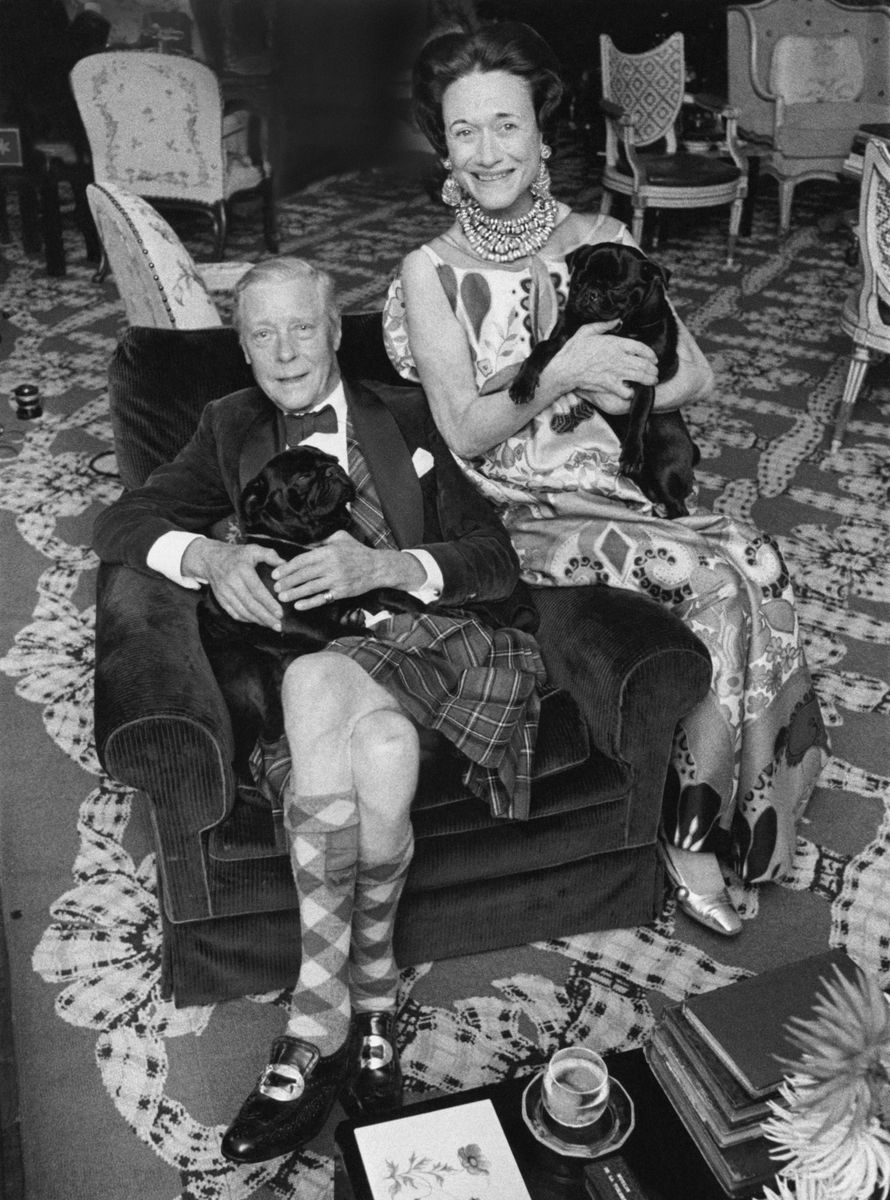
His story was that of a man stepping into history, facing a future that was as uncertain as it was compelling. Yet a strong love affair would soon upend the plans laid out before him. Edward fell deeply in love with a woman who captured his heart but not the approval of Britain’s political and religious establishment. That romance would ultimately lead to one of the most consequential abdications in modern history.
Wallis Simpson entered the life of the newly proclaimed king and, for a time, seemed destined to become a modern-day Queen Consort, perhaps even a figure comparable to Queen Mary. But that future never materialized.
Edward summoned Prime Minister Stanley Baldwin to Buckingham Palace to express his desire to marry the woman he loved. The answer was unequivocal: no.
 © Patrick Lichfield
Wallis was an American divorcée, a status that directly conflicted with the teachings of the Anglican Church. As Supreme Governor of the Church of England, Edward could not reconcile his personal wishes with the responsibilities of his position. He explored every possible solution, proposing various compromises within an institution shaped across centuries of tradition, but each one was rejected.
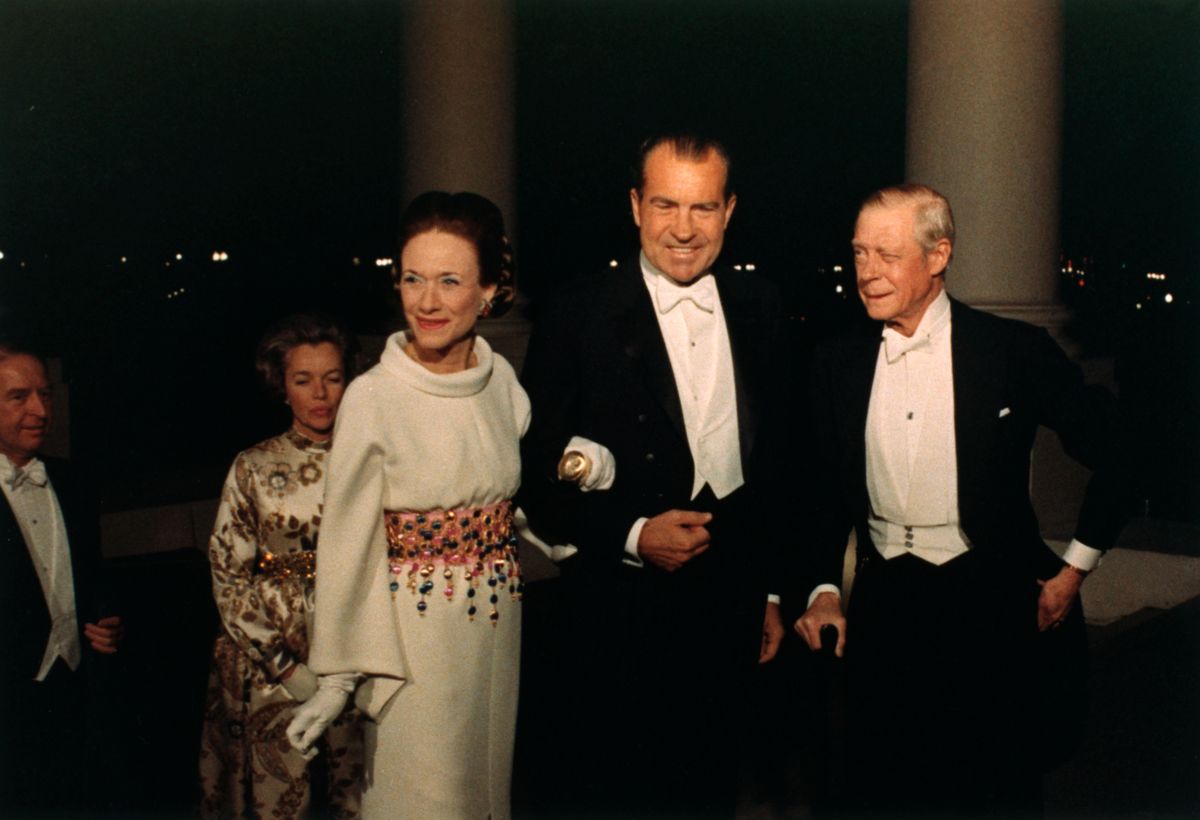
Faced with an impossible choice, Edward made his decision. On December 11, 1936, he addressed the nation by radio and delivered one of the most famous speeches in royal history.
“I have found it impossible to carry the heavy burden of responsibility and to discharge my duties as King as I would wish to do without the help and support of the woman I love.”
With those words, he brought his reign to an end.
 © Historical
His younger brother, Albert, Duke of York, ascended the throne as King George VI. The succession also elevated George’s eldest daughter, Princess Elizabeth, to the position of heir presumptive, setting her on the path that would eventually make her Queen Elizabeth II.
The Abdication That Changed the Future of the Crown
Elizabeth II was never originally destined to become queen. Yet she would go on to preside over one of the most celebrated and consequential reigns in British history. Over more than seventy years on the throne, she built a legacy rooted in the consequences of an abdication and a forbidden love affair whose echoes can still be felt today.
Those decisions remain at the heart of one of the most fascinating and unexpected stories in modern royal history. Fate can be unpredictable, and sometimes it alters the course of dynasties in ways nobody could have foreseen.
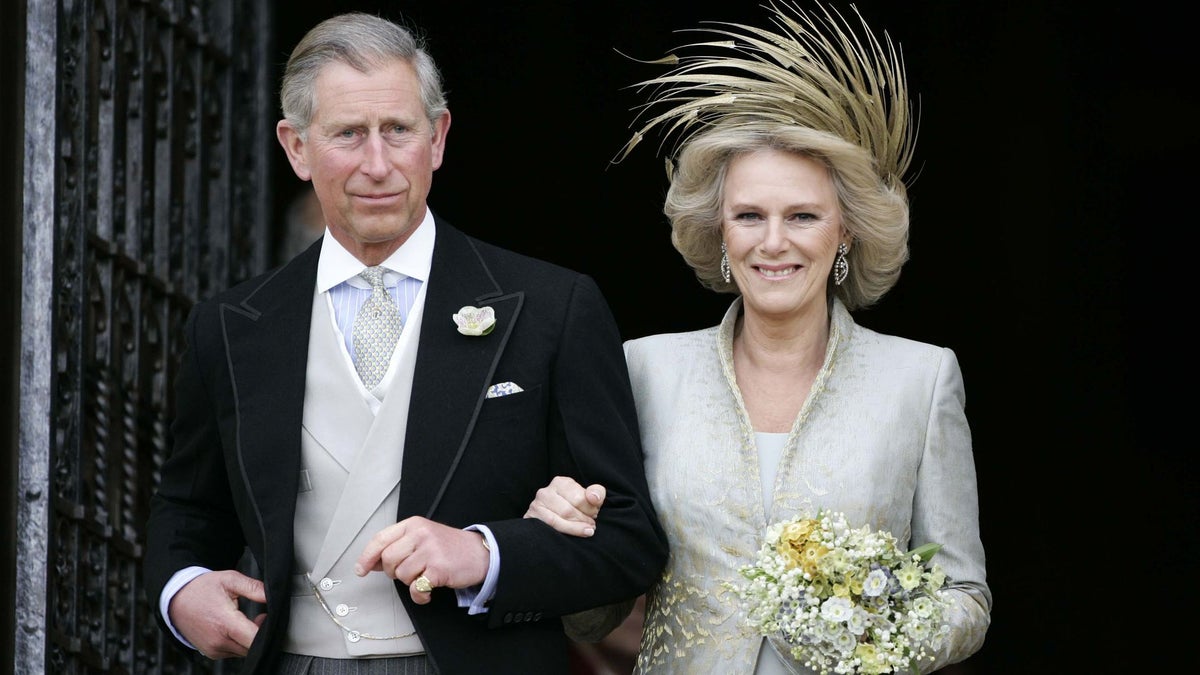
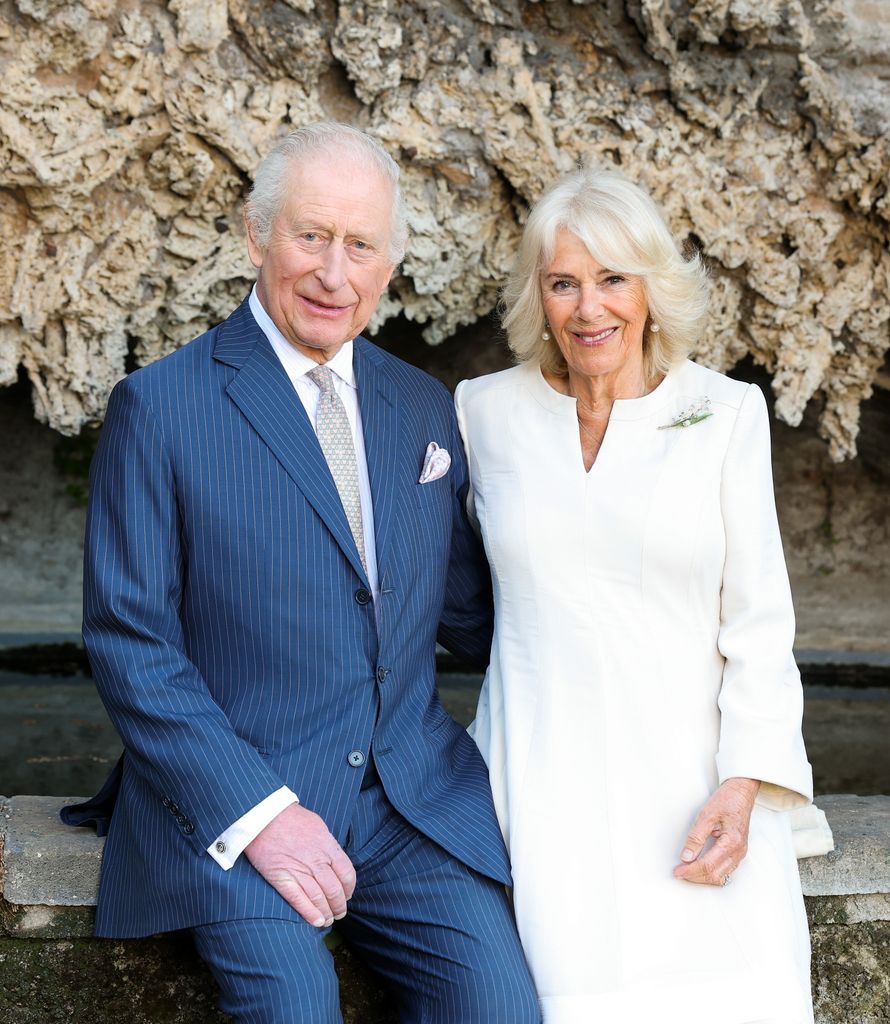
Today, the responsibility of that legacy rests with King Charles III, who, in some ways, appears destined to face a dilemma similar to Edward VIII’s because of his relationship with the current Queen Camilla. Unlike his great-uncle, however, Charles was able to ascend the throne following Elizabeth II’s death because both the Church of England and Britain’s constitutional framework had evolved over the decades.
 © Chris Jackson
That transformation allowed Charles to marry Camilla Parker Bowles in 2005 and, years later, become king without institutional opposition. Edward VIII’s abdication changed not only the trajectory of the House of Windsor but also the social and moral expectations that formerly defined the Crown itself.
Edward’s sacrifice forced the monarchy to become more adaptable. It created a path that allowed Camilla’s acceptance to be managed with greater caution, strategy, and ultimately a level of legal and social tolerance that reshaped royal courts across Europe.
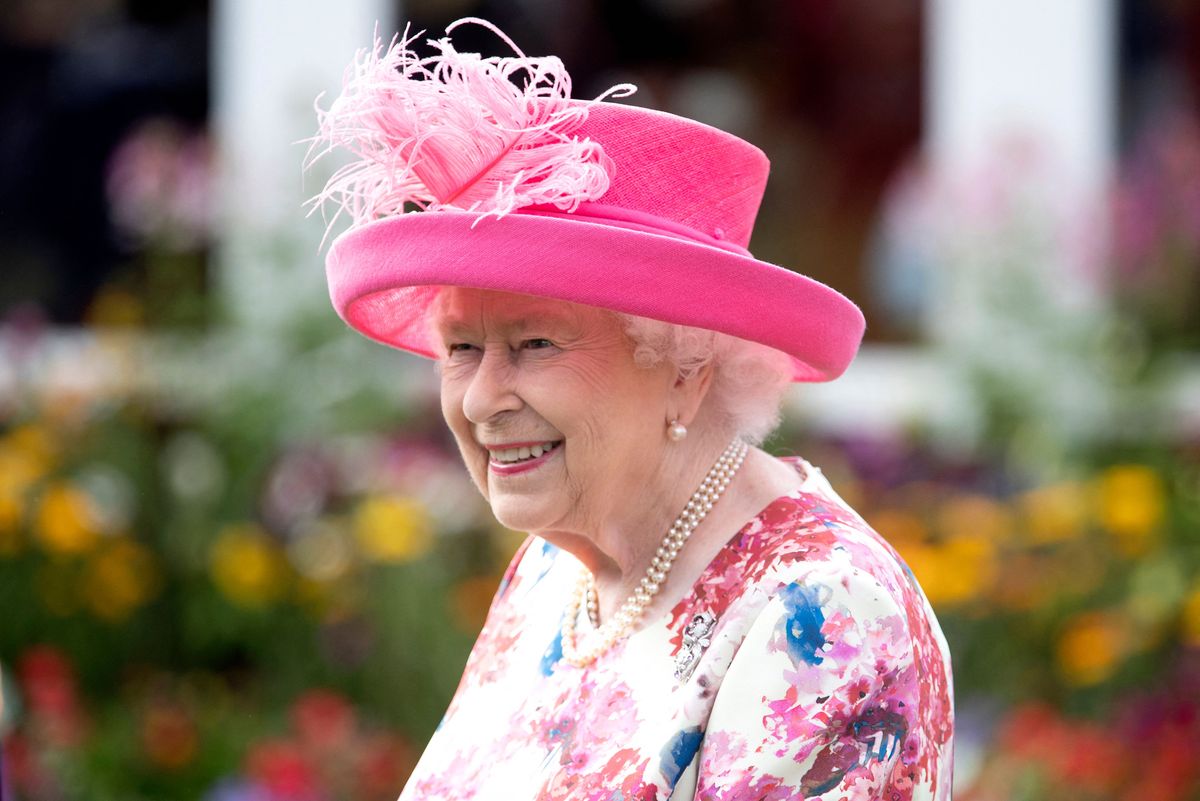 © JANE BARLOW
It also helped usher in a future in which love has a place within the reigns of Prince William and the future King George. At least for now, their lives no longer appear bound by the rigid rules that once governed royal marriages.
Because the heart follows no established code. It is guided instead by emotions capable of embracing what Spanish poet Luis Cernuda described as an absolute, wrenching, and transcendent force, one powerful enough to justify existence itself.
Read the full article here